


Framed Wall Portrait
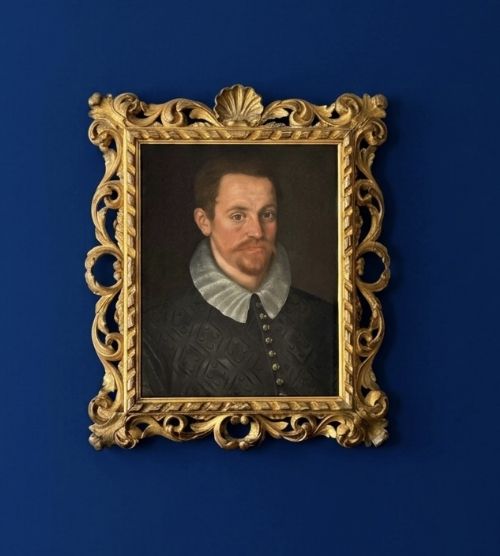
A framed wall portrait brings historical presence into a room, offering an immediate connection to past lives through painted canvas, delicate pastel, or crisp engraving.
Framed Wall Portrait
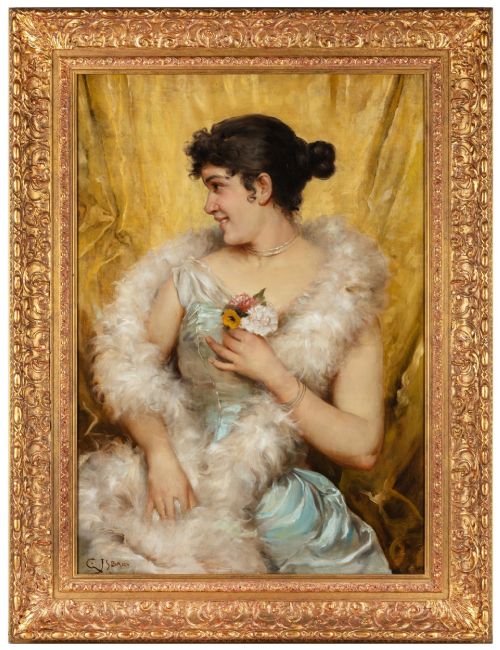
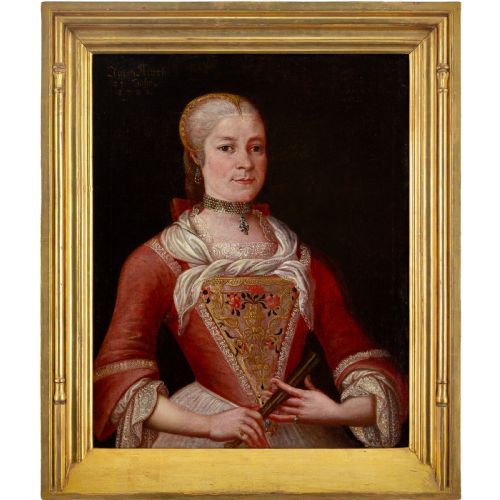
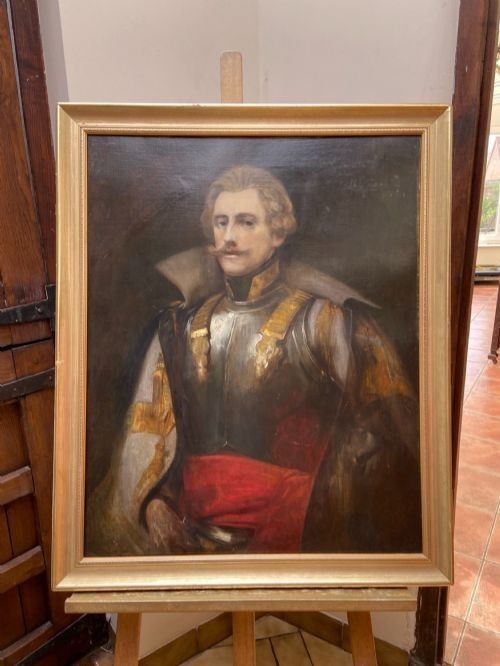
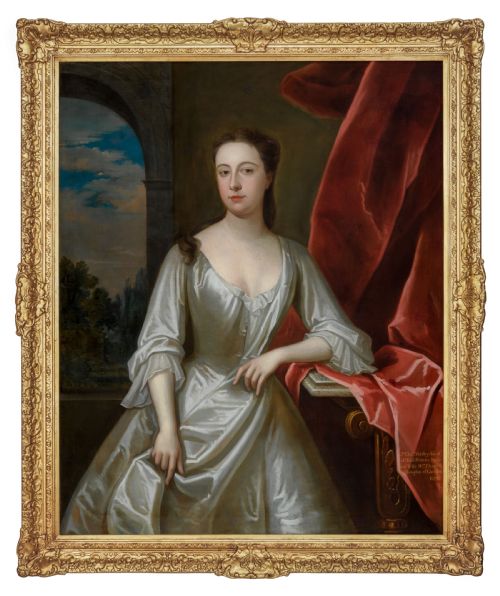
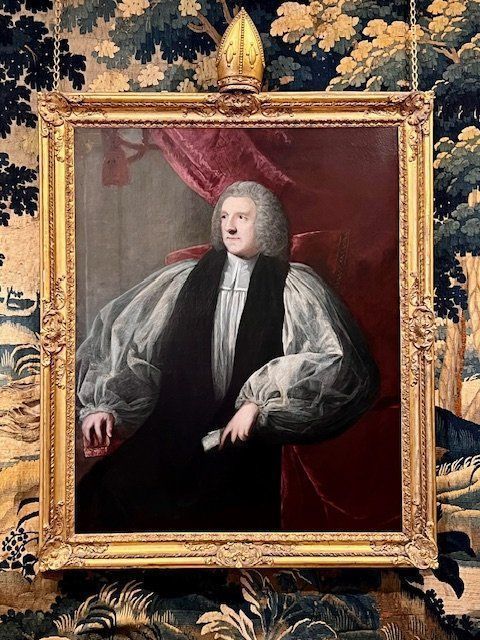
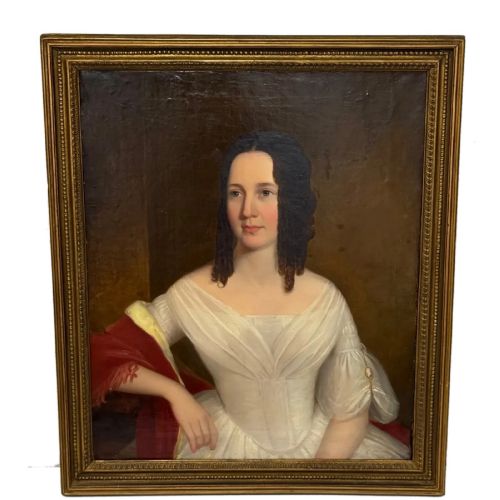
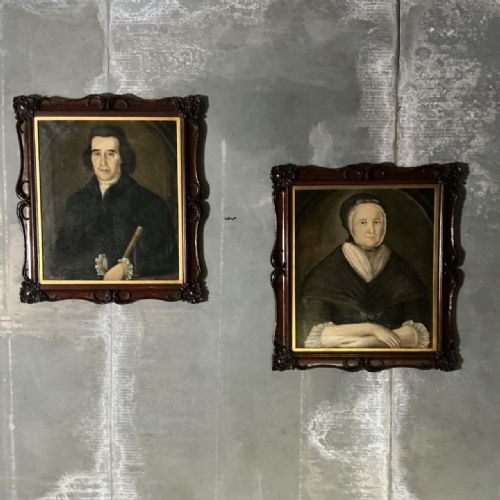
A framed wall portrait spans centuries of figurative representation, capturing sitters from the seventeenth century through to the mid-twentieth century in various media. Buyers searching for a framed wall portrait encounter works ranging from large oil paintings on canvas to intimate pastel drawings and graphic mezzotints.
The selections on this page lean heavily towards historical British and European portraiture, featuring aristocratic subjects, noblewomen, and notable figures rendered by regional schools and recognised artists. Oil on canvas works predominate alongside paper engravings and portrait plaques.
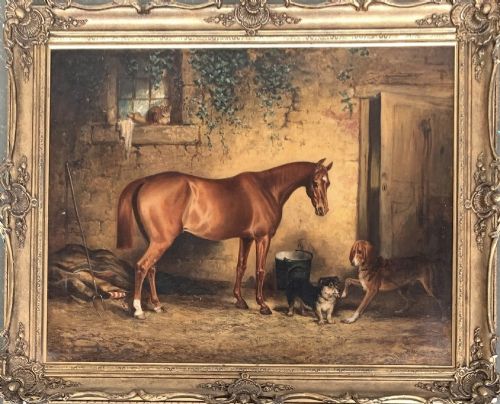
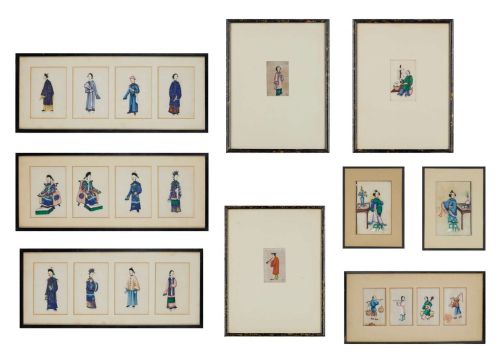
Beyond formal oils, the category includes Chinese pith paintings, miniature depictions, and equestrian studies, demonstrating the broad scope of portraiture housed within period frames.
Materials and Techniques
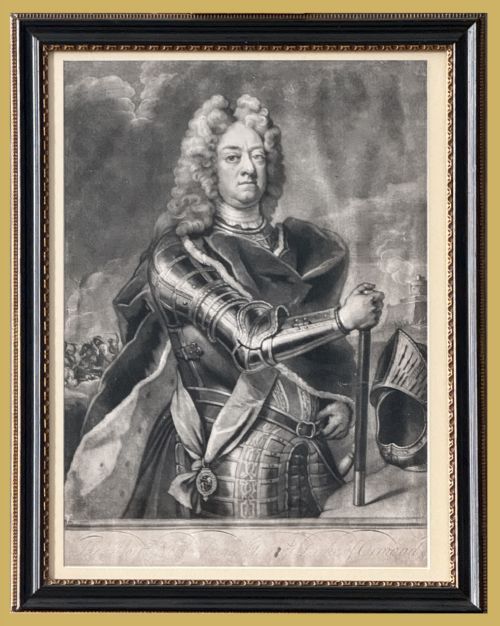
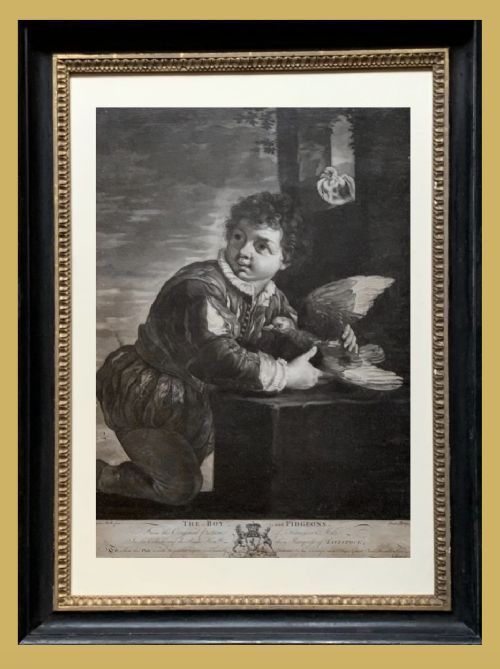
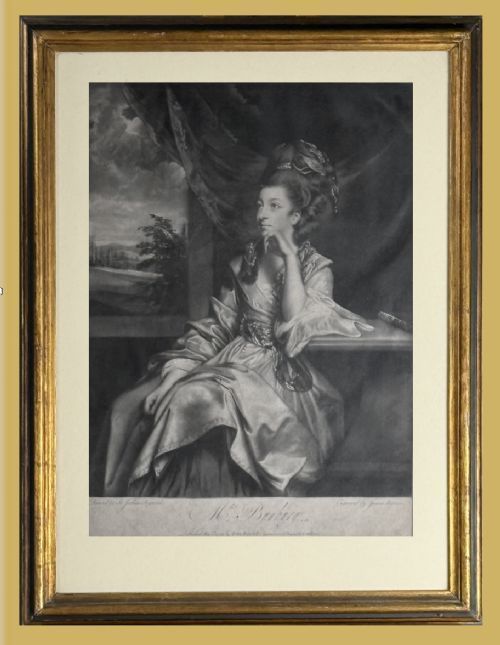
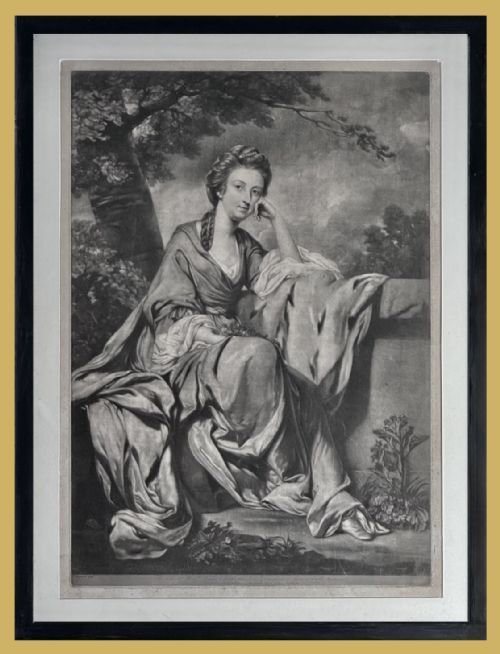
Makers utilised oil paint on stretched canvas or wooden panels, often building rich layers of pigment to achieve depth in drapery and flesh tones. Many pieces rely on historic printmaking techniques such as mezzotint and stipple engraving on paper, translating original paintings into reproducible graphic art.
Listings feature works spanning the seventeenth, eighteenth, nineteenth, and twentieth centuries, executed in oil, pastel, engraving, and pith.
Defining Quality
Quality in a portrait rests upon the skill of the artist in rendering bone structure, expression, and the textural qualities of fabric and hair. Superior examples display confident brushwork or precise engraving lines that convey psychological depth rather than rigid stiffness.
The preservation of the primary medium - whether uncracked oil paint, stable pastel pigment, or crisp paper margins - distinguishes finer survivals. Additionally, the harmony between the artwork and its period frame contributes significantly to the integrity of the piece.
Sir Godfrey Kneller·Sir Joshua Reynolds·Sir Peter Lely·Francesco Bartolozzi·James Watson
The Framed Wall Portrait Glossary
- Mezzotint
- A printmaking process of the intaglio family where the plate is roughened to produce dark tones and scraped to create lighter areas. This technique allowed printmakers to replicate the soft gradations of oil paintings.
- Stipple engraving
- A method of producing prints by means of dots rather than continuous lines, often used to render subtle flesh tones in portraits. The technique was particularly popular during the eighteenth century.
- Oil on canvas
- Pigments bound in an oil medium applied to a woven fabric support, providing durability and flexibility. This combination dominated Western portraiture from the Renaissance onwards.
- Giltwood
- Wood that has been coated with a thin layer of gold leaf or gold paint, frequently used for ornate picture frames. It provides a reflective, luxurious border that enhances the artwork within.
- Pith painting
- Artworks created on a fragile paper-like material sliced from the pith of the Tetrapanax papyrifer plant. These works often depict figures and scenes in vibrant gouache.
Framed Wall Portrait: Frequently Asked Questions
How do I date an old portrait?
Dating relies primarily on the style of clothing, hair, and framing, as well as any inscriptions or signatures present on the canvas or paper. Costume historians can often narrow down the execution date within a decade based on collars, cuffs, and headdresses.
Technological analysis of the canvas, pigments, and stretcher frames can also provide supporting evidence for the period of creation, distinguishing eighteenth-century works from later copies.
Where should I hang a framed portrait?
Portraits command attention and work best anchored at eye level in principal rooms such as studies, drawing rooms, or hallways. Historic portraits benefit from stable environments away from direct sunlight and strong heat sources to protect sensitive pigments and wooden frames.
Ensuring adequate wall space allows the frame and the subject's gaze to interact naturally with the surrounding interior without feeling crowded by adjacent furniture.
What is the difference between an oil painting and a mezzotint?
An oil painting is a unique, original work created directly by the artist applying pigmented paint to canvas or panel. A mezzotint is a printed multiple produced from a worked copper plate, designed to reproduce a known painted portrait for a wider audience.
While both offer rich tonal depth, oil paintings possess textured brushstrokes and physical layers, whereas mezzotints present a flat, inked paper surface under glass.
How should I clean antique frames?
Antique frames require gentle dusting with a soft, dry brush to remove surface particulate without disturbing vulnerable gilding or fragile wooden carved elements. Moisture and chemical cleaning agents must be avoided entirely, as they can strip gold leaf and damage historic surfaces.
Professional conservators should handle structural repairs, flaking gesso, or deep grime accumulation to preserve the original finish of the frame safely.