




French Empire Painting
French empire painting brings classical authority and portraiture into interiors, spanning oil on canvas, gouache, and painted panels.
French Empire Painting
When buyers search for french empire painting, they encounter portraits, still lifes, and decorative panels rooted in the nineteenth century and associated eras.
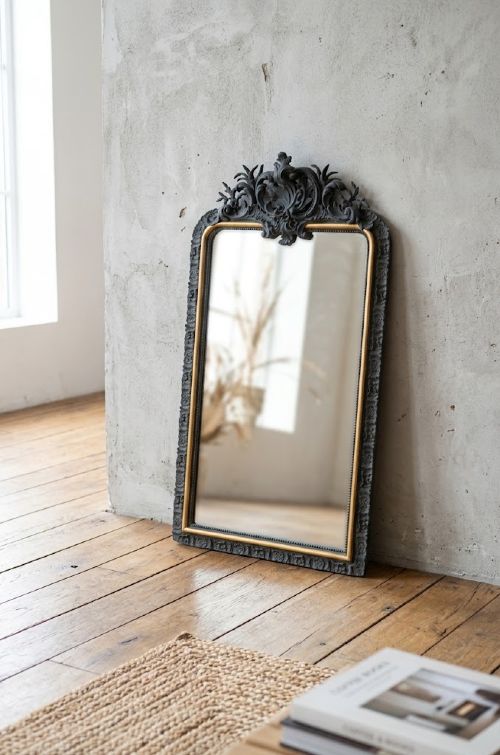
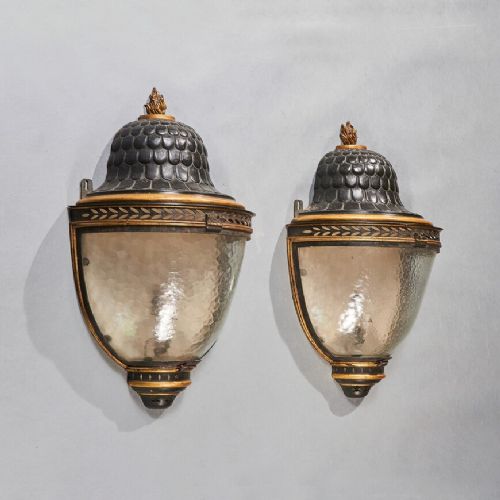
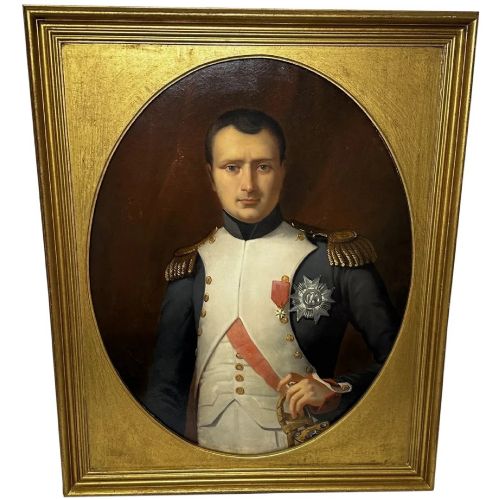
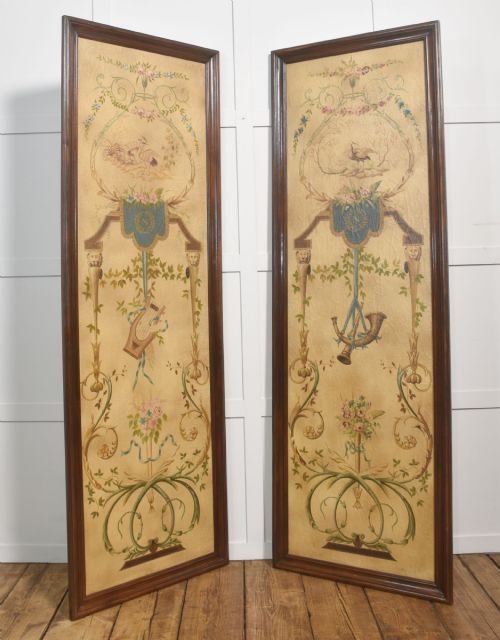
The objects appearing on this page range from oil portraits of Napoleon and gentlemen to gouache still lifes and painted panels showing classical motifs.
Works on canvas sit alongside painted wood and gouache on paper, reflecting the broad decorative ambition of the period.
Materials and execution
Artists painted on canvas and paper using oils and gouache, capturing precise detail in portraiture and still life subjects.
Frames and companion panels utilise giltwood, painted wood, and brass embellishments to complement the painted surfaces.
Cherubs and cupids frequently peer from corners, reminding viewers that nineteenth-century desks needed romance.
Judging the work
The integrity of the original surface, whether canvas or panel, distinguishes finer examples from heavily restored pieces.
Jean Baptiste Isabey·Paul Lelong
The French Empire Painting Glossary
- Gouache
- An opaque water-based medium used for detailed works on paper like miniatures and still lifes. It dries to a matte finish.
- Giltwood
- Wood carved and coated with gold leaf, frequently forming the frames for period paintings and mirrors.
- Toleware
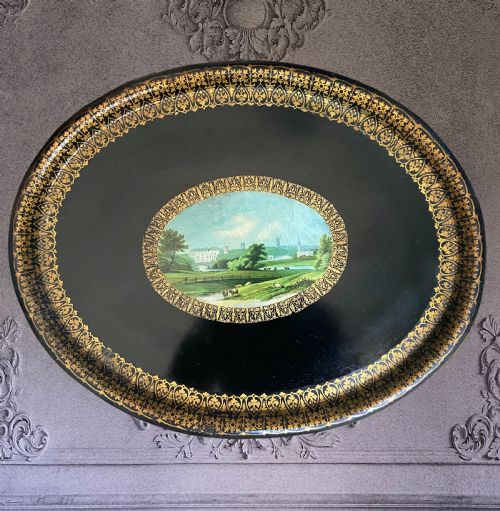
- Painted or lacquered metalware used in decorative accessories that often accompanied interior schemes of the era.
- Gueridon
- A small circular table, sometimes featuring a marble top, popular in nineteenth-century French interiors.
French Empire Painting: Frequently Asked Questions
What subjects appear in these paintings?
Portraits of military figures, gentlemen, and classical deities dominate the canvases and panels.
Still lifes and allegorical scenes involving cherubs also feature among the listed works.
How do I date an empire painting?
Dating relies on costume details, hair styling, and the stretcher construction behind the canvas.
Associated frames in giltwood or painted wood often provide further chronological clues.
Where were these pieces displayed?
Paintings hung in formal reception rooms and private chambers of nineteenth-century residences.
Smaller gouaches and miniatures sat on desks or hung in intimate spaces.
Are frames original to the paintings?
Some pieces retain their period giltwood or painted frames, matching the aesthetic of the artwork.
Framing styles can sometimes date slightly apart from the canvas they enclose.