



Sepia Paper Portrait Artwork
Sepia paper portrait artwork captures likenesses through monochrome tones, offering buyers intimate historical glimpses via works spanning the eighteenth to twentieth centuries.
Sepia Paper Portrait Artwork
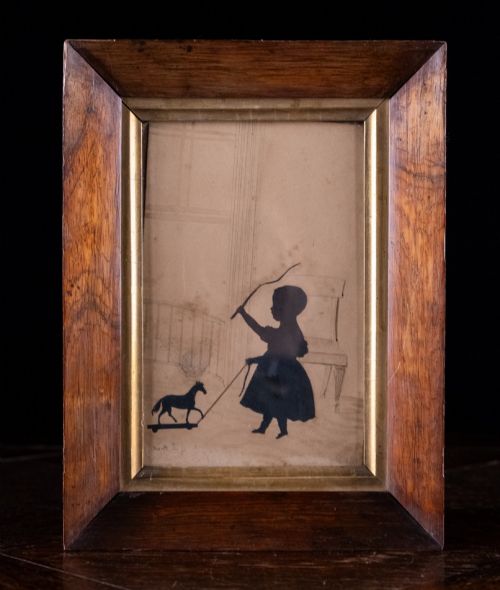
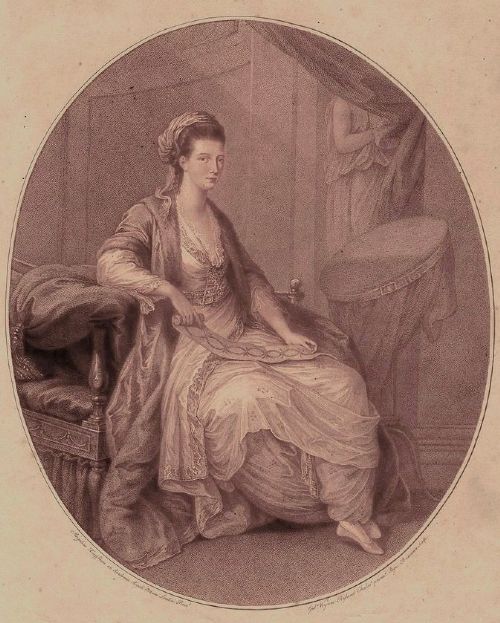
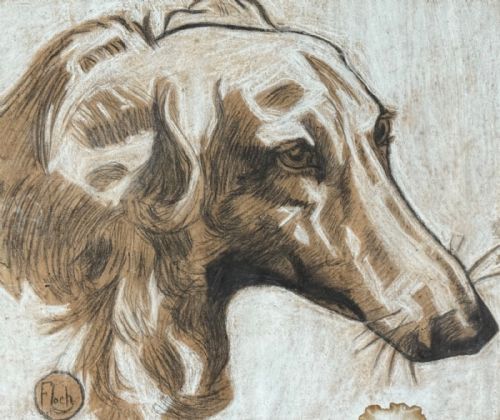
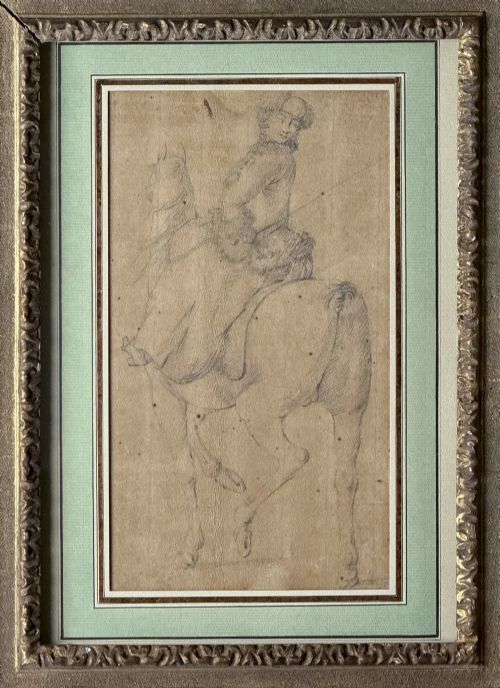
When you search for sepia paper portrait artwork, you encounter works on paper executed in ink, pencil, graphite, charcoal, watercolour, and gouache, often presented in frames behind glass. The selection ranges from eighteenth-century northern European school drawings and portrait engravings to nineteenth-century pencil sketches and twentieth-century etchings.
You are most likely to meet nineteenth-century pencil drawings and eighteenth-century portrait engravings on this page. These pieces frequently depict individual subjects, ranging from historical figures and nobility to domestic animals and informal studies, reflecting Georgian, Victorian, and Edwardian aesthetic sensibilities.
The objects take forms such as framed drawings, original etchings, and prints. They demonstrate a continuous tradition of monochrome and tonal portraiture across various European and British schools.
What varies in quality
The fidelity of line and the confidence of the draughtsmanship distinguish superior examples from ordinary productions. Skilled handling of graphite, charcoal, or etching tools imparts a lifelike presence to the subject's expression and anatomy.
The preservation of the paper support and the clarity of the printed image or drawn line determine the overall standard. Works that retain their original tonal contrast without excessive fading or staining demonstrate superior survival through the centuries.
Sepia Paper Portrait Artwork Retail Price Guide 2026
Typical asking prices for sepia paper portrait artwork among the pieces listed under this phrase on Sellingantiques today, from the lower quarter to the upper quarter. They describe what is for sale here now, not the wider market.
Listings feature works on paper spanning the eighteenth, nineteenth, and twentieth centuries, executed in pencil, graphite, charcoal, ink, watercolour, and etching.
Herbert Dicksee·Louis Icart·Theobald Chartran·Henri Josephe Hesse
The Sepia Paper Portrait Artwork Glossary
- Etching
- An intaglio printmaking process where lines are bitten into a metal plate with acid before being inked and pressed onto paper. This technique allows for fine, fluid detail akin to freehand drawing.
- Engraving
- A printmaking method where an artist cuts lines directly into a metal plate using a sharp tool called a burin. The resulting prints exhibit precise, crisp lines and tonal shading.
- Gouache
- An opaque water-based paint composed of pigment, water, and a binding agent such as gum arabic, often containing added chalk. It provides solid, flat areas of colour and highlights in mixed-media works on paper.
- Charcoal
- A dry drawing medium made from slowly burned organic material, yielding rich black marks easily manipulated for shadow and tone. It is frequently blended to achieve soft gradations in portraiture.
- Lithograph
- A planographic printmaking technique based on the chemical repulsion of oil and water on a flat limestone or metal plate. It produces faithful reproductions of original drawings and tonal artwork.
Sepia Paper Portrait Artwork: Frequently Asked Questions
How should I display sepia paper portrait artwork?
Keep these works out of direct sunlight to prevent the paper and ink from fading over time. Framing them behind UV-filtering glass provides essential protection against light damage.
Hang them on interior walls with stable humidity and temperature conditions to preserve the integrity of the paper support.
How do I identify the period of a paper portrait?
Examine the style of clothing, hair, and framing, as these elements often align with historical eras such as the Georgian, Victorian, or Edwardian periods. Signatures, inscriptions, and paper watermarks can offer further clues to the date of creation.
Compare the draughtsmanship and medium conventions against documented works from specific centuries represented in the listings.
What is the difference between an etching and an engraving?
An etching relies on acid to bite lines into a metal plate, resulting in softer, more painterly lines with subtle variations. An engraving is cut directly into the metal using a sharp tool, producing sharper and more rigid lines.
Both techniques leave plate marks on the paper edges, indicating the boundaries of the printing matrix.
Why do some drawings appear sepia toned?
The warm brownish hue often results from the natural ageing of paper stocks, iron gall inks, or specific pigments used by the artist. Over centuries, chemical reactions within the paper and media cause the whites to mellow into warm sepia tones.
Some artists deliberately selected tinted or buff paper to enhance the tonal harmony of pencil and charcoal drawings.