


Framed Silhouette Artwork
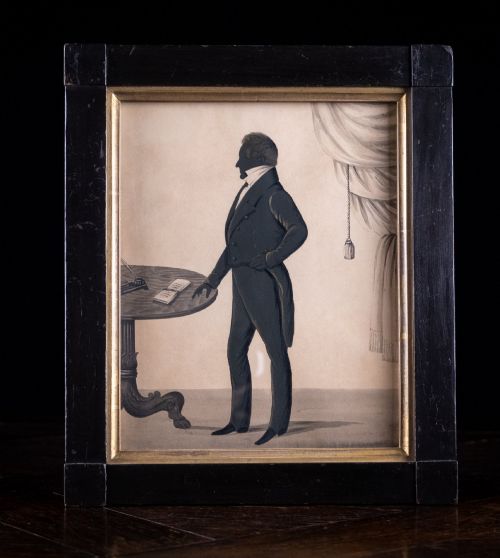
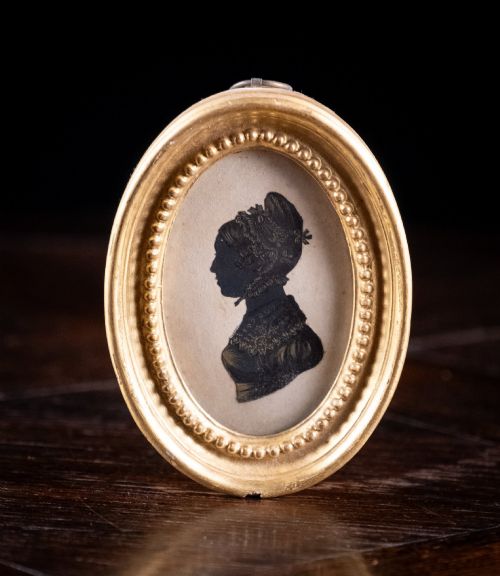
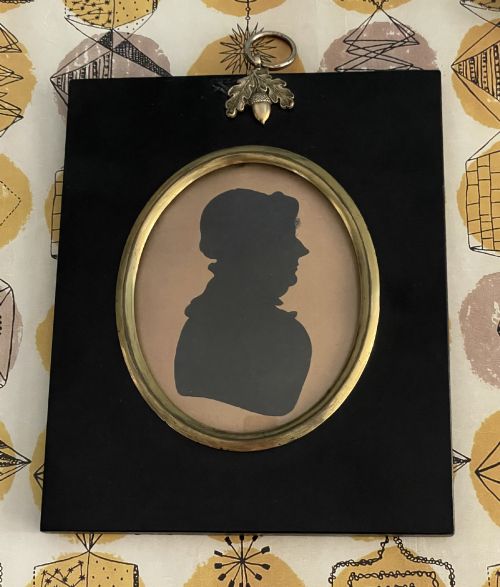
Framed silhouette artwork captures profile portraits in paper and ink, offering intimate likenesses from past centuries that bring immediate character to a wall.
Framed Silhouette Artwork
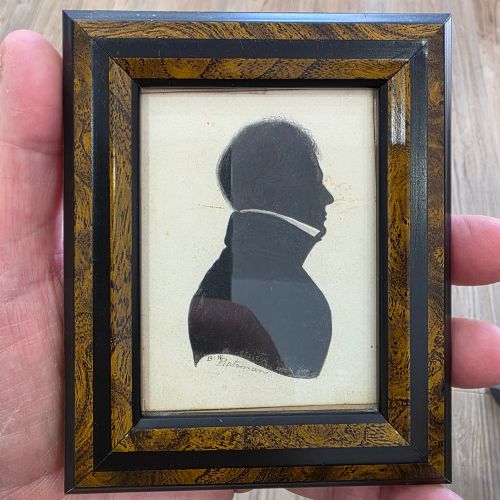
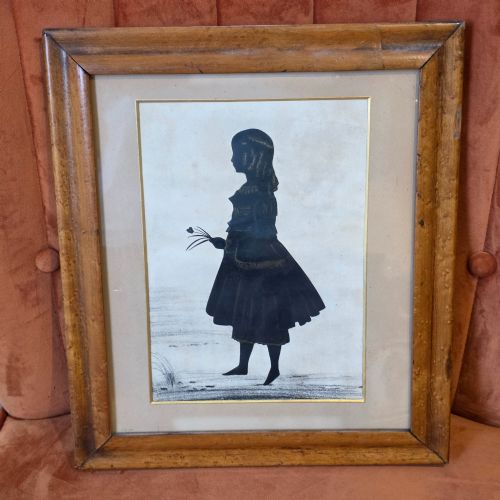
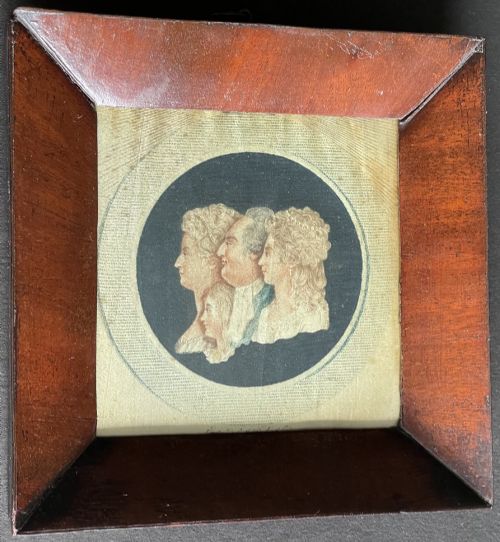
When you search for framed silhouette artwork, you encounter profile portraits and cut-paper scenes preserved behind glass within wood or brass frames. These pieces originate primarily from the eighteenth and nineteenth centuries, spanning Georgian, Regency, and Victorian periods.
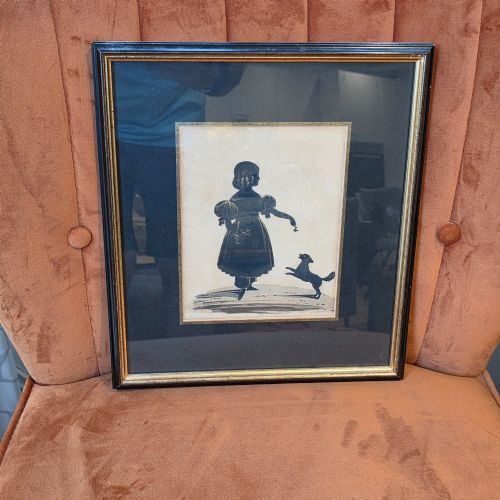
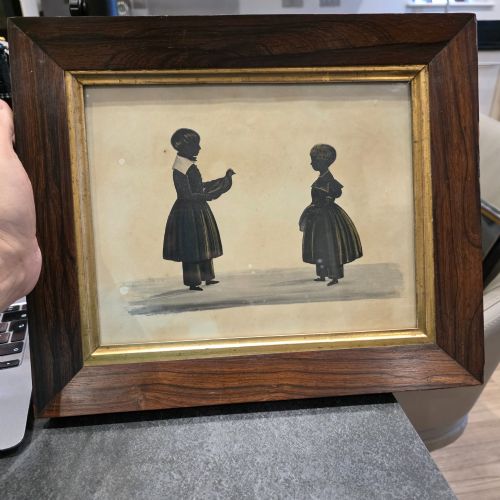
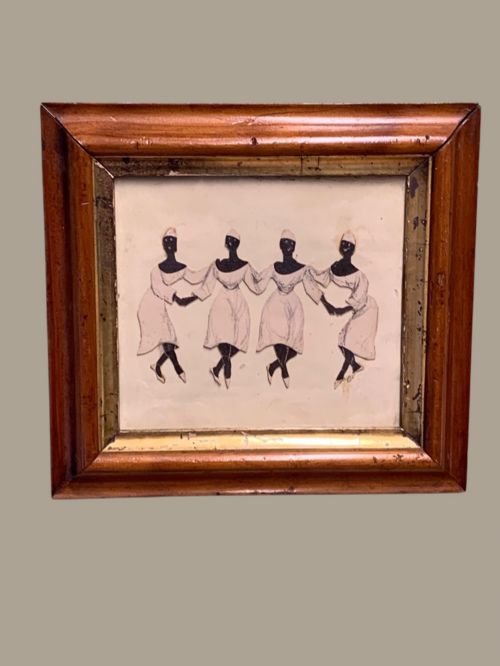
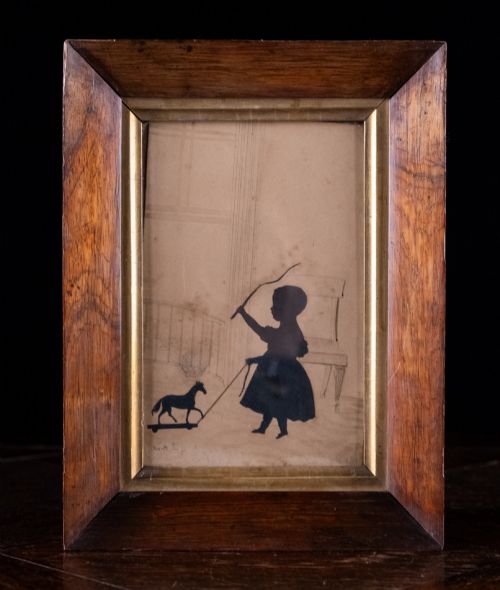
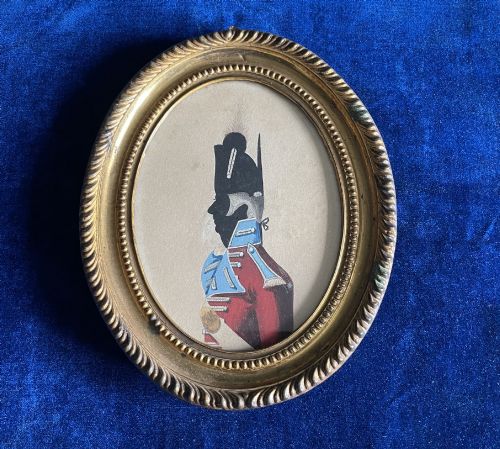
The selections on this page range from simple hollow-cut paper profiles to detailed full-length figures enhanced with watercolour or gold leaf. You also find conversational group pieces, children with animals, and reverse paintings on glass.
Makers and galleries such as the Hubard Gallery and the Royal Victoria Gallery produced many of these striking profile records before photography became common. Collectors value them for their direct connection to individual identity and historical domestic life.
How they were made
Craftsmen utilised black paper, ink, and watercolour, often cutting profiles by hand with fine scissors or painting directly onto glass, card, or silk. These delicate materials required immediate mounting behind protective glass to prevent degradation over time.
Frames typically consist of ebonised wood, maple, or brass, frequently accented with gold leaf highlights around the aperture. The backing often retains period inscriptions, signature stamps, or trade labels detailing the artist and gallery.
The listings span the eighteenth to the twentieth centuries, featuring paper, glass, ink, wood, and gold leaf.
What varies in quality
The distinction between standard examples and superior pieces rests upon the precision of the cutting and the crispness of the profile. Skilled artists captured recognisable likenesses and posture with minimal scissor strokes or brushwork.
Context adds significant distinction, such as signed works by known profileists, detailed watercolour embellishments, or original period frames with intact backing papers and provenance.
William James Hubard·Augustin Edouart·Frederick Frith·John Deacon·John Smith of Edinburgh
The Framed Silhouette Artwork Glossary
- Hollow-cut
- A silhouette technique where the profile is cut out from a sheet of paper, which is then laid over a dark background fabric or paper to reveal the image.
- Ebonised wood
- Timber treated with a finish to imitate expensive ebony wood, commonly utilised for dark nineteenth-century portrait frames.
- Reverse painting on glass
- An artwork created by applying pigment directly to the back of a glass panel so the image is viewed correctly through the front.
- Gilded silhouette
- A profile portrait embellished with applied gold leaf highlights, often detailing clothing or hair on paper or glass.
Framed Silhouette Artwork: Frequently Asked Questions
How do I date a silhouette?
Dating relies primarily on the style of dress, hair, and bonnet depicted in the profile. Costume historians can narrow the decade based on specific fashion trends.
Framing materials and backing papers also offer clues, as Regency and Victorian framers used distinct woods, seals, and trade labels.
Were silhouettes made by hand?
Most antique silhouettes were cut freehand with small scissors or painted directly onto card, paper, or glass. Travelling artists completed these likenesses quickly for clients.
Some professional profileists utilised mechanical tracing devices like the physiograce, though skilled hand-cutting remained the standard for fine work.
How should I hang silhouettes?
Display these framed pieces away from direct sunlight to protect fragile paper, ink, and watercolour from fading over time. Grouping several profiles together creates a traditional gallery wall effect.
Ensure wall fixings remain secure, as antique wood and brass frames can be heavier than modern alternatives.
What is a conversation piece?
A conversation piece is a portrait or silhouette showing multiple people interacting in a domestic or outdoor setting. These works capture family groups, children with pets, or domestic activities.
They offer a richer narrative than single head-and-shoulder profile portraits and are particularly sought after by collectors.