



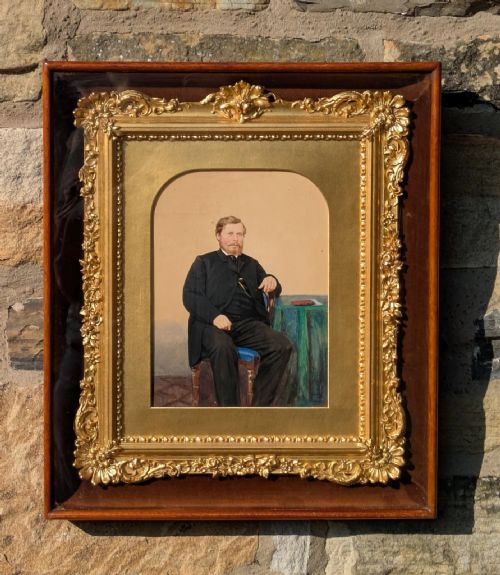


Antique Shadow Portrait Frame
An antique shadow portrait frame holds the delicate cut paper or painted silhouettes of the Georgian, Regency and Victorian eras.
Antique Shadow Portrait Frame
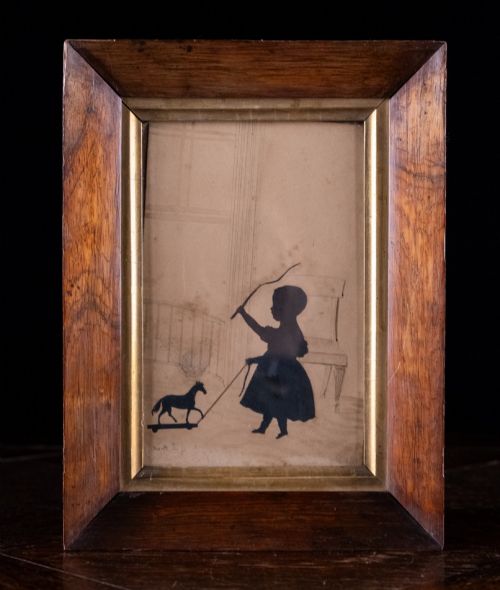
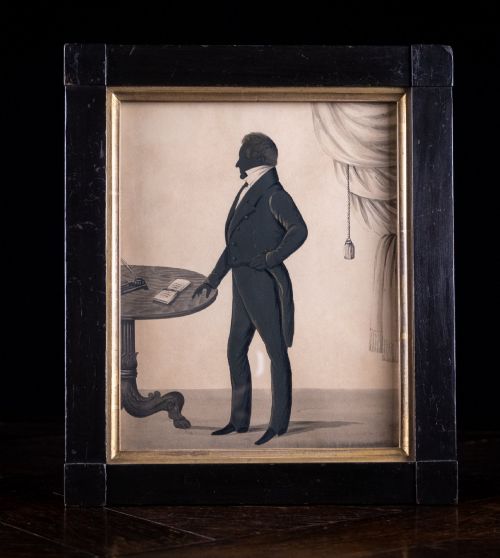
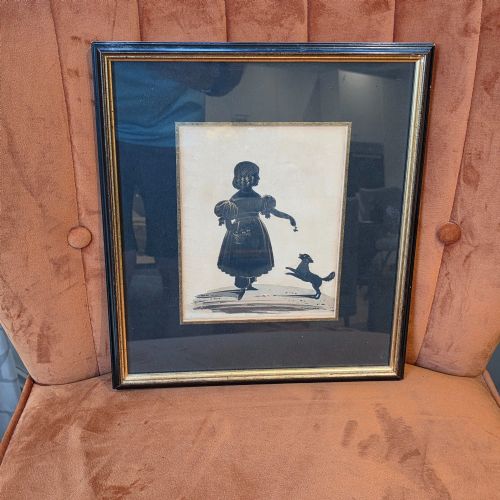
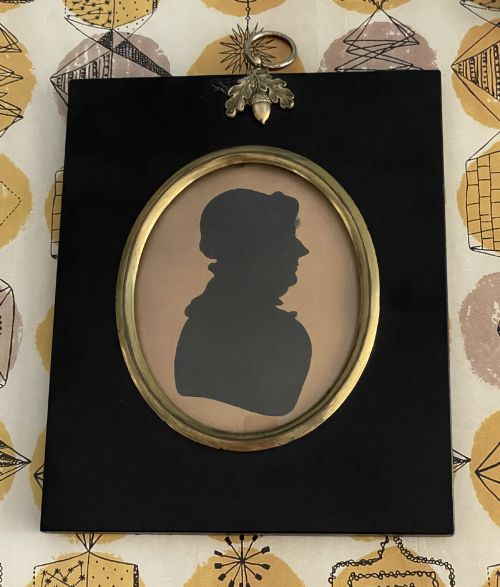
When you search for an antique shadow portrait frame, you are looking at wall art designed to house portrait miniatures and silhouette portraits. These pieces range from simple profile likenesses to conversation pieces featuring people and animals.
The pieces you meet most often on this page date from the Georgian, Regency and Victorian periods. They take the form of framed artwork and deep glazed box settings that protect the delicate paper work inside.
How they were made
Makers constructed these frames from wood, including ebonised wood, rosewood, maple and gilt wood, often adding brass and gold leaf detailing. Deep box frames utilised glass fronts to keep dust away from the paper profiles.
The portraits themselves relied on cut paper, ink and watercolour applied to paper or glass. Some artists added painted touches with colour, while others relied entirely on the contrast of black paper against a light background.
Antique Shadow Portrait Frame Retail Price Guide 2026
Typical asking prices for shadow portrait frame among the pieces listed under this phrase on Sellingantiques today, from the lower quarter to the upper quarter. They describe what is for sale here now, not the wider market.
Several silhouettes capture family pets alongside their owners, proving that Regency children loved their dogs just as much as we do.
What varies in quality
The frame itself dictates the overall calibre, with well-chosen rosewood, maple or gilt surrounds and well-preserved glass enhancing the profile within.
Augustin Edouart·William James Hubard·James Gillespie·Frederick Frith·Thomas London·John Miers·Alfred Darbyshire·Skeolan
The Antique Shadow Portrait Frame Glossary
- Silhouette
- A portrait profile filled in with a solid colour, usually black, depicting a subject from the side. This form gained popularity during the 18th and 19th centuries before the widespread use of photography.
- Ebonised wood
- Timber treated to imitate ebony, providing a dark, smooth finish. Makers frequently utilised this material to create strong contrast around light-coloured portrait profiles.
- Conversation piece
- An artwork depicting a group of people engaged in a shared activity or interaction. In silhouette work, these complex scenes often include children, animals and domestic settings.
- Portrait miniature
- A small-scale painting or silhouette capturing a person's likeness. These intimate works were often housed in deep frames designed to be hung on a wall.
- Gilt wood
- Wood covered with a thin layer of gold leaf or gold paint. This technique added brightness and formal elegance to portrait surrounds.
Antique Shadow Portrait Frame: Frequently Asked Questions
What is a shadow portrait frame?
A shadow portrait frame is a specialised enclosure designed to protect and display delicate silhouettes and miniature portraits. These frames often feature deep profiles and glass fronts to keep the artwork safe from damage.
They emerged during the Georgian period and remained popular through the Regency and Victorian eras. Their construction allowed fragile cut paper and painted glass works to survive for centuries.
How do I date a silhouette frame?
Dating a silhouette frame relies on observing the materials, the framing style and the costume of the subject depicted. Georgian frames often utilise rosewood and simple profiles, while Regency examples lean towards ebonised wood and convex glass.
Victorian pieces frequently incorporate deeper box mounts and velvet linings. Examining the paper backing and any handwritten notes on the reverse also helps establish the timeline.
Where should I hang these pieces?
These framed silhouettes suit small wall spaces, hallways or grouped arrangements alongside other period artwork. Because paper and ink are sensitive to direct sunlight, choose a spot away from bright windows to prevent fading.
They work well at eye level where viewers can appreciate the fine details of the cut paper and the character of the surrounding timber frame.
How do I care for my framed silhouette?
Care involves keeping the piece away from direct heat sources and moisture, which can warp the wood and damage the paper within. Dust the frame gently with a dry cloth and avoid using liquid cleaners on the glass.
If the frame needs attention, consult a professional restorer rather than attempting to open the sealed back, as the paper silhouettes inside are extremely fragile.