
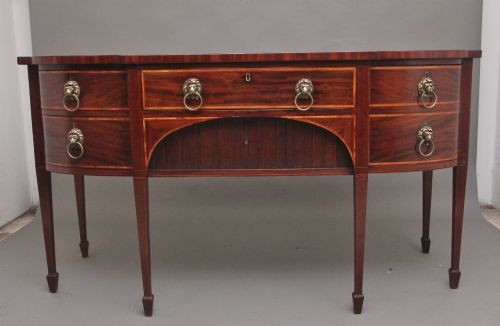

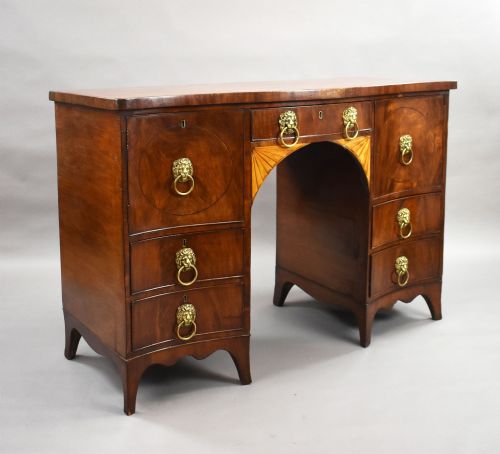

Regency Server Cabinet
Regency server cabinet search results offer sturdy timber storage pieces that bring period elegance to modern dining rooms.

Regency Server Cabinet
A regency server cabinet search brings up heavy timber storage furniture designed for dining spaces, often listed alongside sideboards and chiffoniers. You will find these items spanning the nineteenth century, including Georgian and Victorian revivals as well as pieces bearing William IV and Scottish Regency traits.
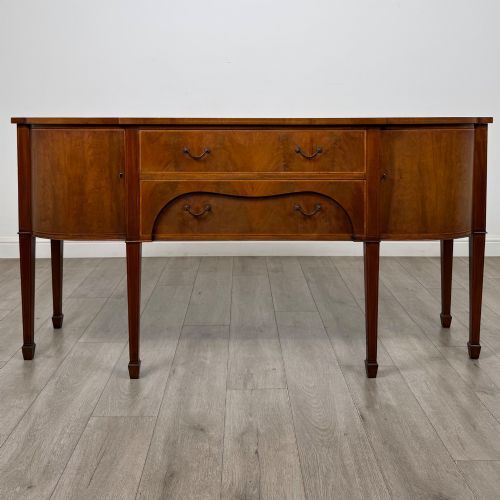
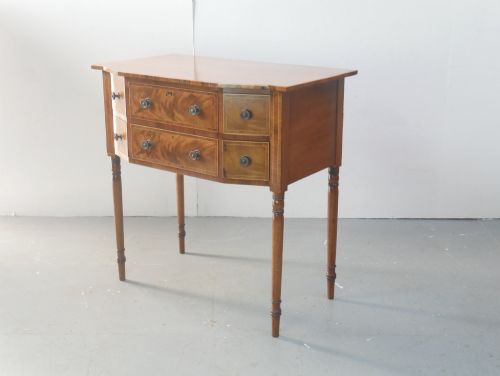
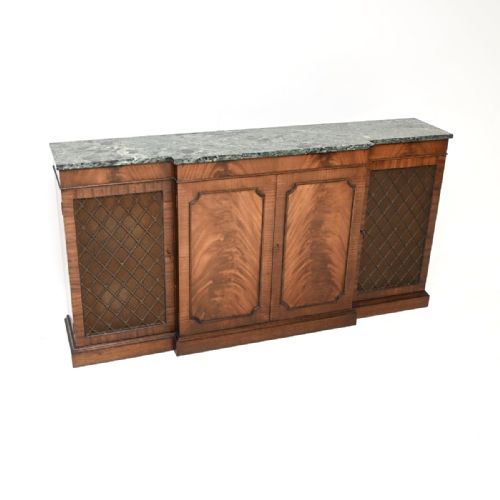
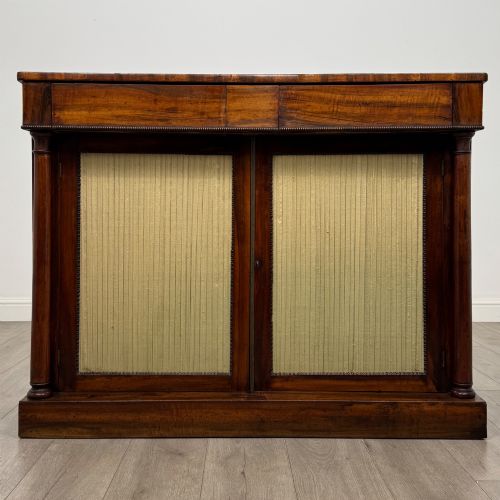
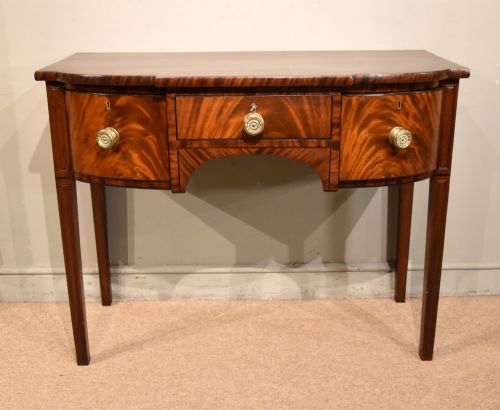
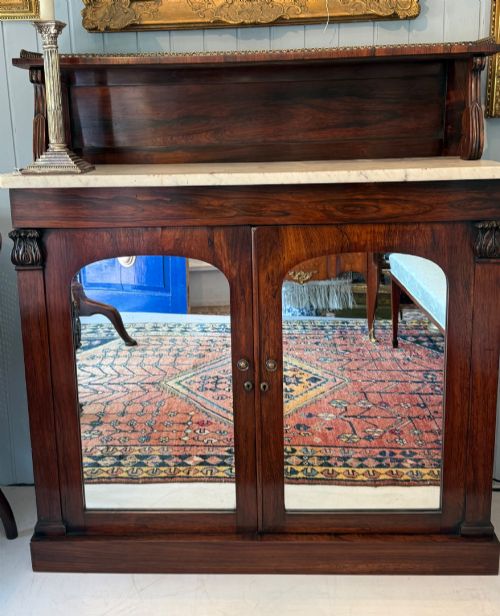
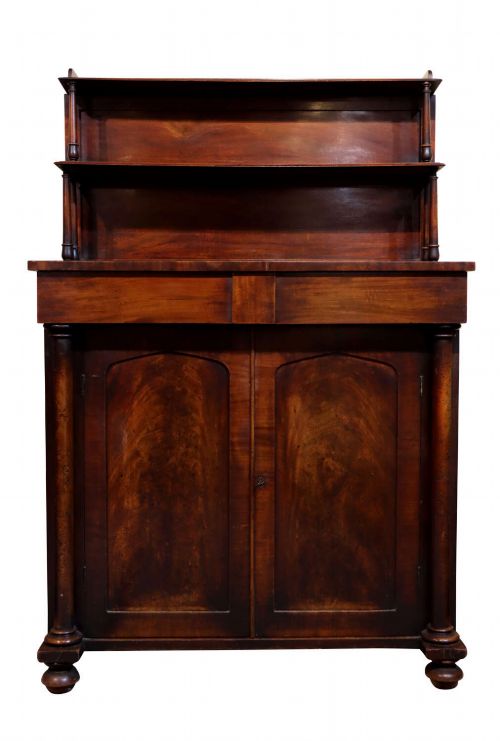
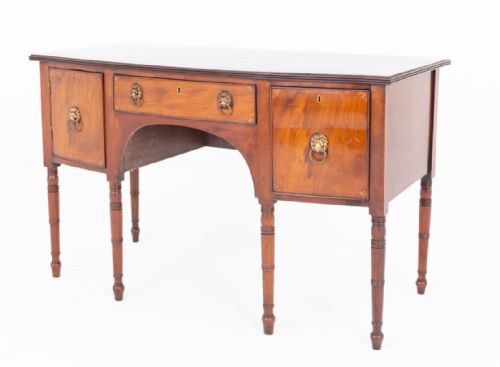
The dominant forms are bow fronted or breakfront cabinets made primarily of mahogany, alongside occasional rosewood side cabinets and marble top variants. These items provide deep cupboards and drawer space while sitting low against dining room walls.
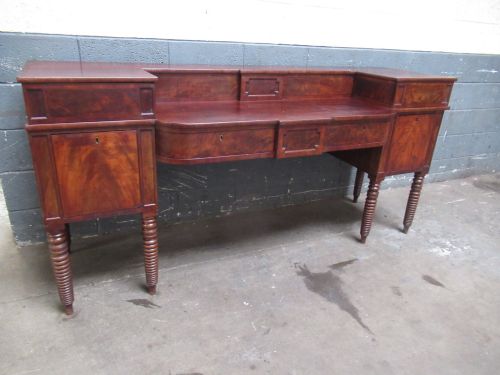
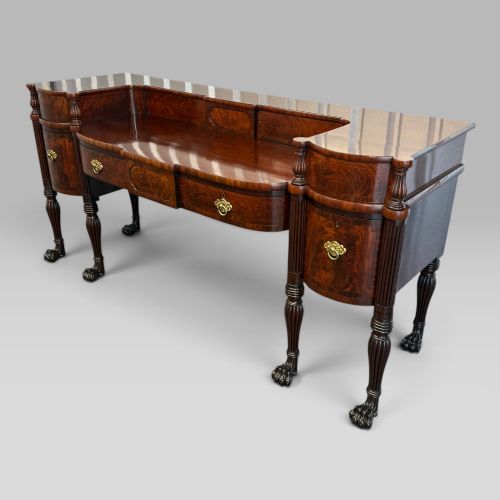
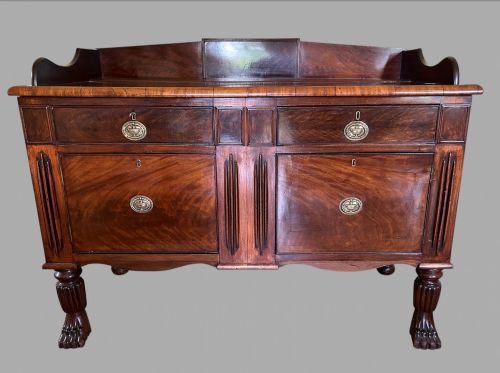
Most examples originate from the broader nineteenth century, with smaller numbers dating to later revival periods in the twentieth century. Buyers encounter everything from neat side cabinets with grill fronts to large pedestal sideboards resting on lion paw feet.
How they were made
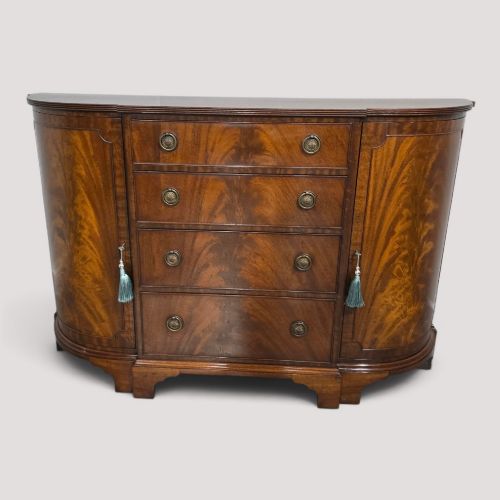
Cabinet makers built these pieces using solid timbers like mahogany and rosewood, frequently applying flame mahogany veneer to create striking grain patterns across the doors and drawers. They employed brass for fine inlay work, handles and mounts, adding contrast to the dark wood.
Structural elements incorporated specialised woodworking techniques to shape curved bow fronts and breakfront outlines. Certain pieces feature marble tops or delicate fabric inserts behind grill front doors, showing diverse decorative choices in cabinet making.
Several cabinets rely on fierce carved lion paw feet to hold up heavy nineteenth century sideboards.
What varies in quality
The standard of timber selection largely dictates the visual impact of each cabinet, with figured and flame mahogany veneers showing greater depth and movement than plain boards. Superior examples display careful matching of wood grains across multiple drawers and cabinet doors.
Refinement in decorative details separates standard production from the finest work, visible in precise brass inlay, carved lion paw feet, or japanned finishes. The crispness of carved mouldings and the structural integrity of internal timber framing also mark out superior cabinet work.
The Regency Server Cabinet Glossary
- Mahogany
- A durable tropical hardwood prized for its reddish-brown colour and stability in furniture construction. It served as the primary timber for high-end dining furniture throughout the Regency period.
- Bow front
- A convex curved cabinet front that projects outward in a smooth arc. This shape softens the geometry of dining room furniture.
- Chiffonier
- A low cabinet equipped with enclosed shelving below, sometimes featuring mirrored backs or fabric panels. It functioned historically for serving food or storing table silver.
- Breakfront
- A large cabinet form where the central section projects forward from the flanking outer wings. This architectural arrangement creates depth and shadow on dining room walls.
- Japanned
- A European imitation of East Asian lacquerwork created using layered varnishes and resin. It appears on select decorative cabinets of the period.
Regency Server Cabinet: Frequently Asked Questions
What is a regency server cabinet?
A regency server cabinet is a timber storage piece designed for dining rooms during the early nineteenth century. These items provide enclosed cupboard space and flat upper surfaces for serving food.
They appear under various names including sideboards, chiffoniers and side cabinets. The design typically incorporates mahogany timbers and classical proportions.
How do I date a mahogany cabinet?
Dating involves examining the timber grain, construction methods and stylistic markers like brass inlay or carved feet. Pieces from the Regency period often display crisp classical detailing and flame mahogany veneers.
Later Victorian revivals and twentieth century copies tend to use heavier timber construction or different internal secondary woods. Comparing the hardware and joinery helps confirm the period of manufacture.
Where should I place a side cabinet?
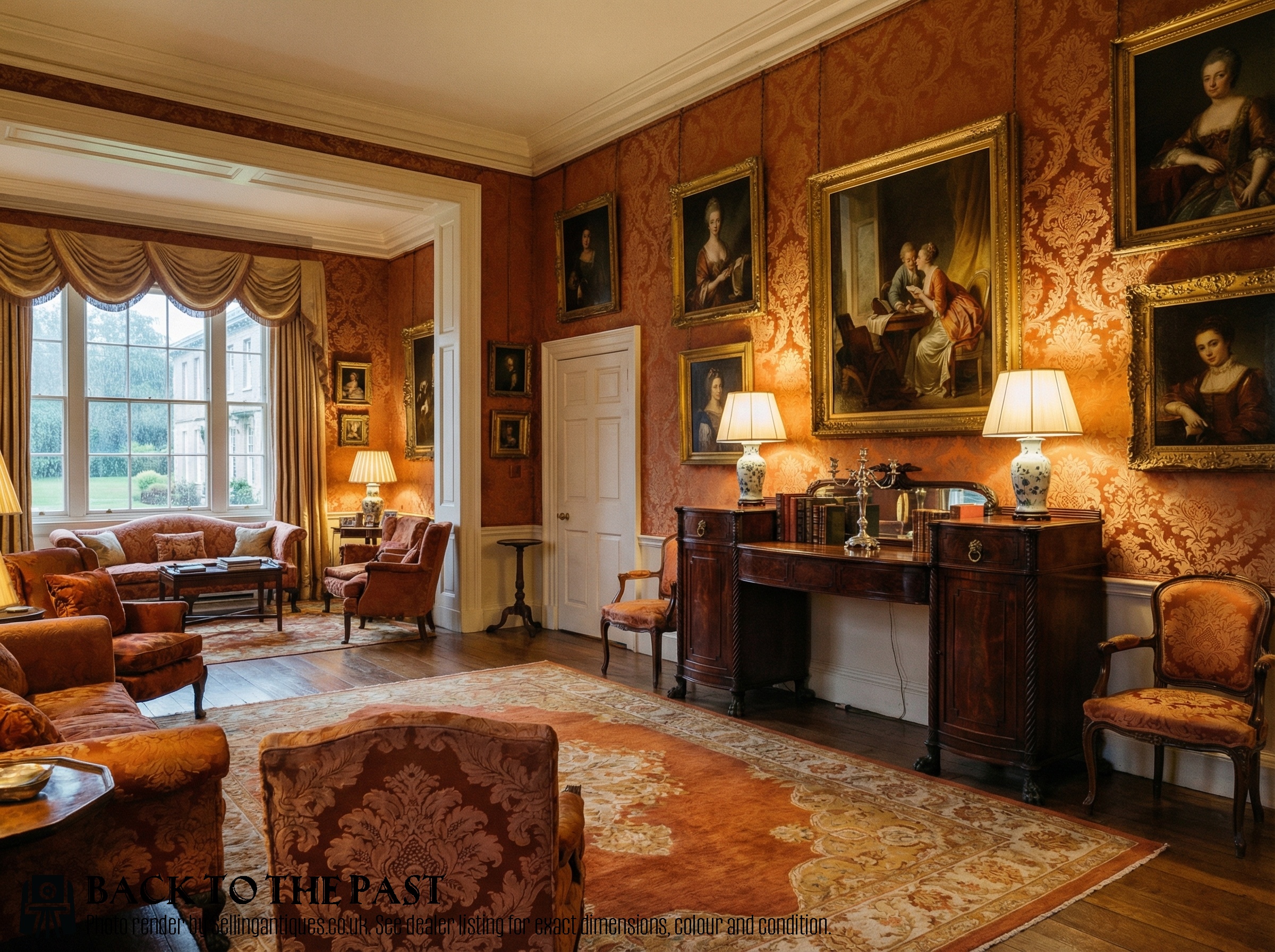
These cabinets work best positioned against dining room or hallway walls where their low profiles do not obstruct walkways. Their surface tops provide a convenient space for lamps, trays or serving dishes.
Because many examples feature finished backs or refined timber sides, they can also sit in larger open living areas. Ensuring adequate clearance for opening doors and drawers is essential for daily use.
How do I care for antique mahogany?
Protect antique mahogany surfaces by keeping them away from direct sunlight and sudden temperature changes that cause wood to split. Regular dusting with a soft, dry cloth prevents grime accumulation on the polished finish.
Applying quality beeswax periodically helps nourish the timber and maintain its natural lustre without building up sticky residues. Avoid using modern silicone polishes which can penetrate the historical finish.