




Regency Scrolled Sofa
A regency scrolled sofa brings sculptural presence to a room through sweeping timber frames and scroll-end arms.
Regency Scrolled Sofa
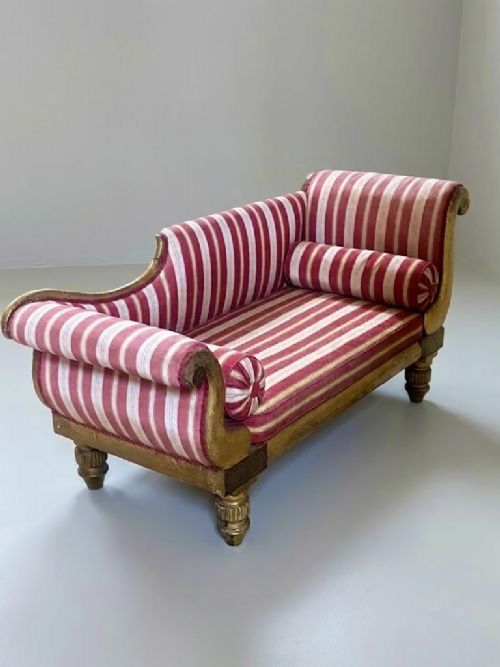
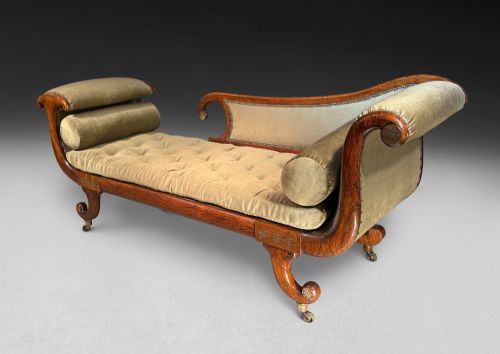
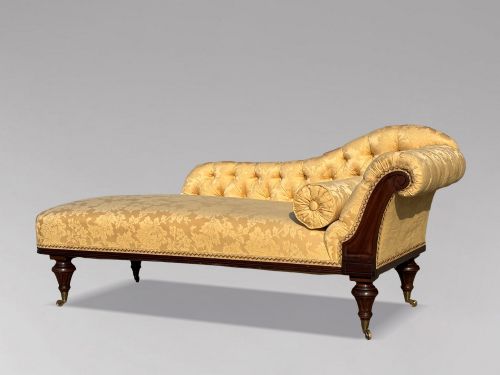
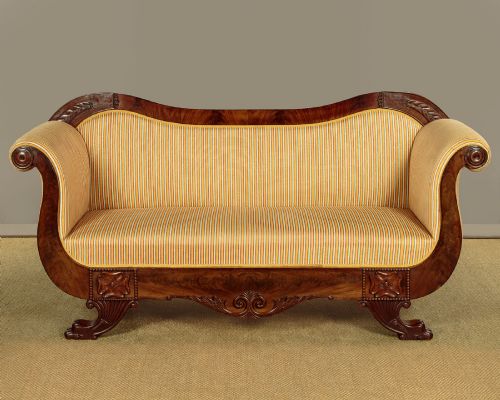
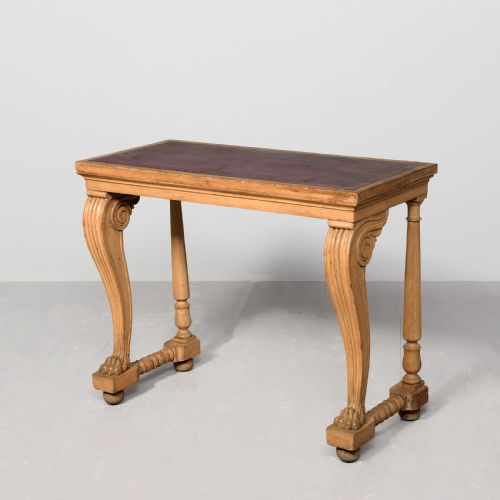
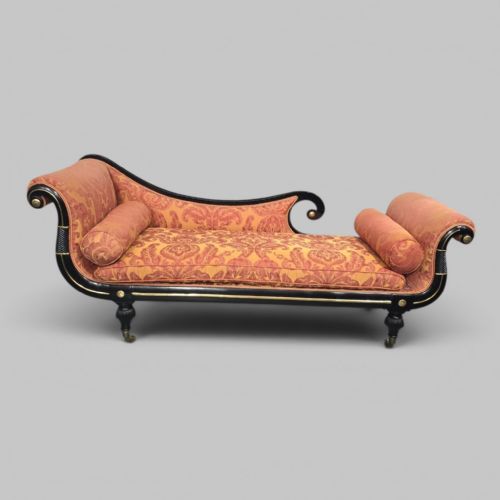
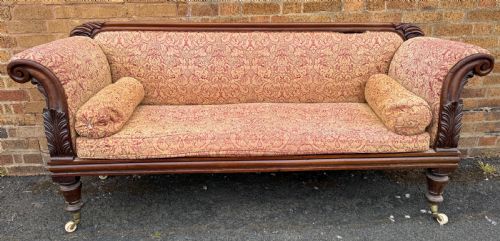
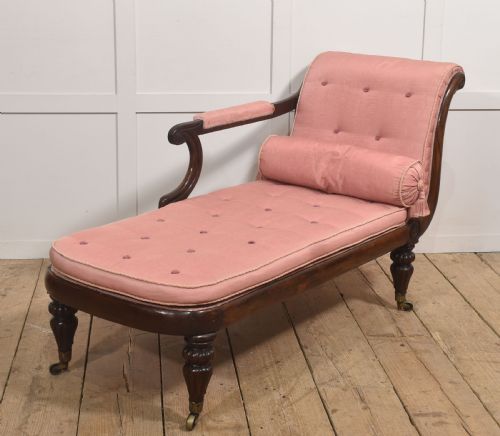
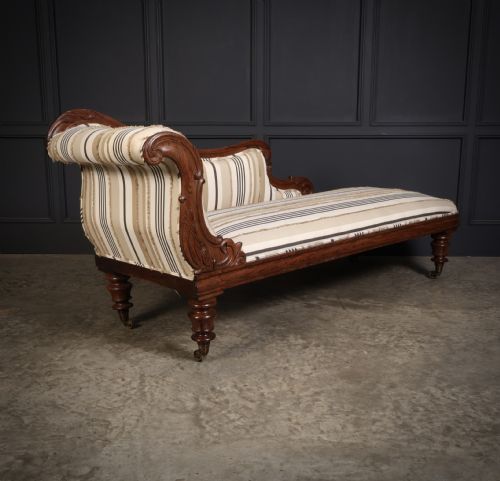
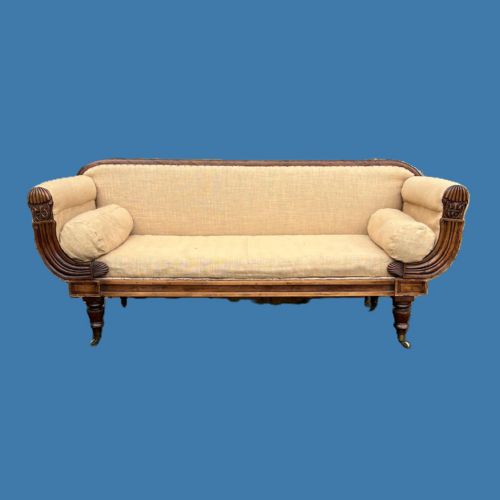
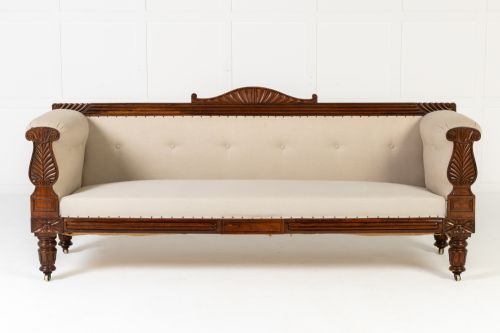
Buyers seeking a regency scrolled sofa encounter large country house settees, double-ended daybeds, and chaise longues dating primarily from the nineteenth century. These seating forms range from bold mahogany frames to simulated rosewood and giltwood show frames.
The prevailing examples on this page reflect Regency, George IV, and William IV periods, often featuring distinctive scroll ends and lyre shapes. Pieces span from grand salon couches to more modest country house examples upholstered in silk, leather, or plain hessian.
Alongside traditional settees, the selection includes related library daybeds and occasional items shaped by nineteenth-century cabinet makers. Each piece showcases the characteristic low-slung profiles and sweeping arm supports associated with the era.
Materials and Construction
Cabinet makers utilised dense timbers such as mahogany, rosewood, and solid Rio rosewood to construct the heavy show frames, occasionally applying simulated grain or ebonising the wood. Brass inlay and giltwood carving provided decorative contrast on formal salon pieces.
Upholstery techniques relied on webbing and traditional stuffing materials enclosed in silk, leather, or heavy upholstery fabric. Frames frequently incorporated carved wooden scroll ends and cane seating on specific daybed variants.
Thomas Hope published designs so influential that wealthy patrons ordered daybeds explicitly to match his published plates.
Evaluating Quality and Craftsmanship
Quality rests in the crispness of the timber carving and the architectural proportion of the scroll ends relative to the main body. Superior pieces display carefully figured wood veneers and precise brass inlay rather than plain surfaces.
The integrity of the underlying wooden frame and the precision of the joinery distinguish fine workshop productions from simpler regional pieces. Untouched timber surfaces with authentic patination command greater interest than heavily altered frames.
Thomas Hope·James Mein of Kelso·Gillows·Syrie Maugham
The Regency Scrolled Sofa Glossary
- Scroll End
- An armrest or terminal curving outward and downward in a tight or sweeping scroll shape. This is the defining silhouette of the furniture type.
- Chaise Longue
- An upholstered long chair or daybed designed for reclining, often featuring a single raised end or double scrolled ends. These forms developed extensively during the nineteenth century.
- Simulated Rosewood
- A painted or stained surface treatment applied to lesser timbers to imitate the rich grain of genuine rosewood. Cabinet makers utilised this technique during the Regency period.
- Giltwood
- Timber coated with a thin layer of gold leaf or gilt preparation to create a bright decorative finish. This treatment appears on formal drawing room pieces.
- Show Frame
- A structural wooden frame left exposed around the upholstered portions of a sofa or settee. The quality of the carved wood defines the visual impact of the piece.
Regency Scrolled Sofa: Frequently Asked Questions
How do I identify a genuine period piece?
Examine the timber species, construction joints, and framing techniques beneath the upholstery. Nineteenth-century pieces typically utilise solid mahogany or rosewood frames with hand-cut joinery.
Compare the silhouette and carving details against documented Regency and William IV design books. Period pieces exhibit weight and proportion distinct from later twentieth-century reproductions.
Where should I place a daybed?
These long seating forms suit large drawing rooms, libraries, or spacious hallways where the decorated back and scroll ends remain visible from multiple angles. Positioning them away from walls highlights the architectural timber frame.
Ensure adequate clearance around the piece so the sweeping ends are not obscured by other furniture. They function well as central focal points in high-ceilinged period interiors.
What is the difference between a settee and a chaise longue?
A settee provides double-ended or uniform seating across a wider span designed for multiple occupants. These pieces generally feature symmetric backrests and matching scroll arms.
A chaise longue incorporates a reclining orientation with an elevated headrest or single scroll end, intended for solitary lounging. The frame construction prioritises length and lateral support over upright seating.
How should I care for antique upholstery?
Protect delicate textiles such as silk and antique velvet from direct sunlight to prevent fibre degradation and fading. Regular gentle vacuuming with a soft attachment removes dust from deep crevices.
Consult specialist conservators for professional cleaning of historic fabrics and leather surfaces. Avoid placing heavy loads on frames that retain original internal webbing.