

Antique Recamier Daybed
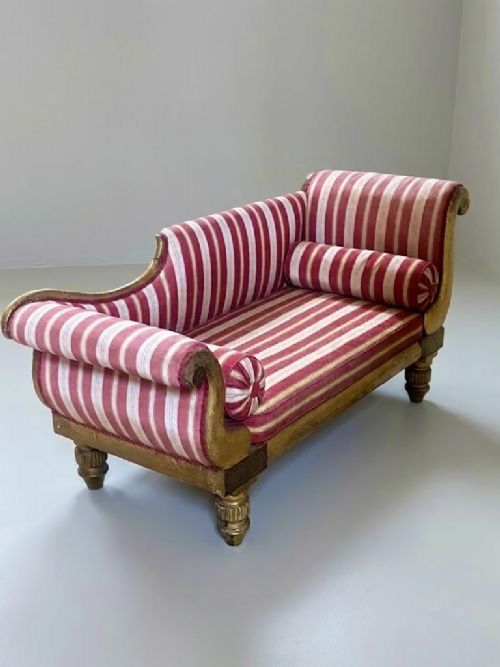
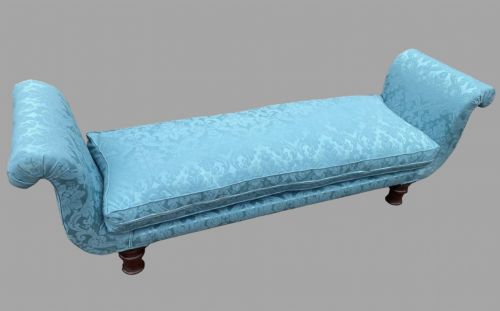
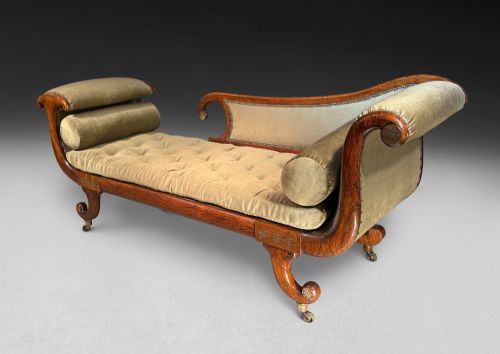
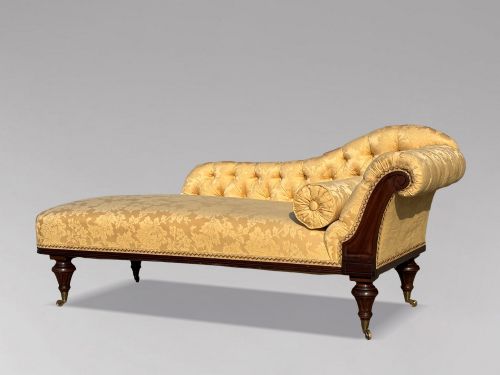
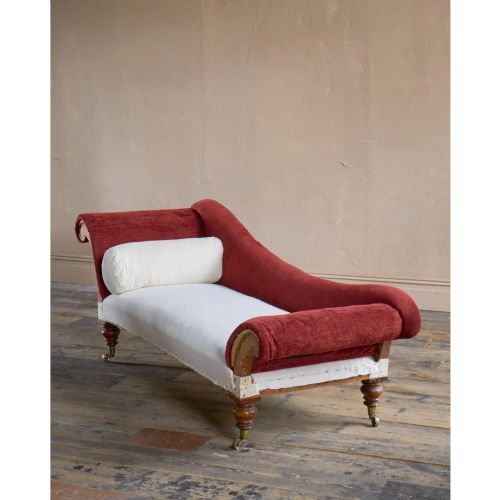
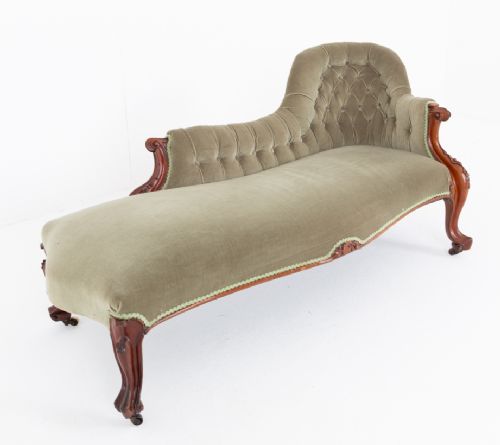
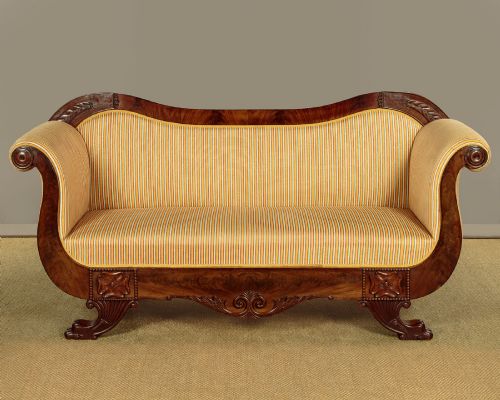
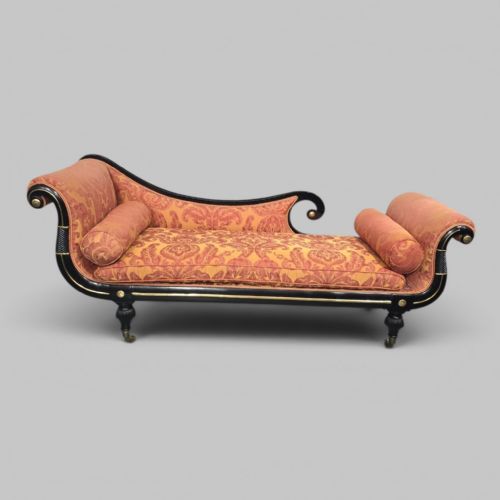
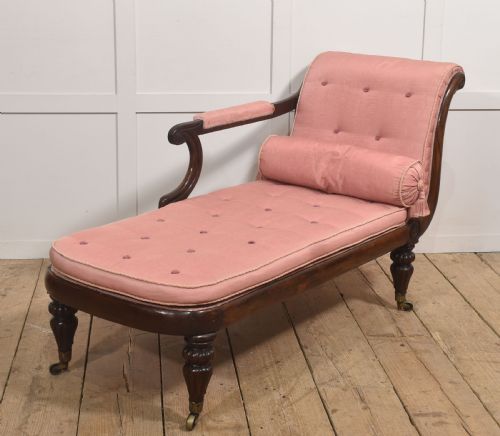
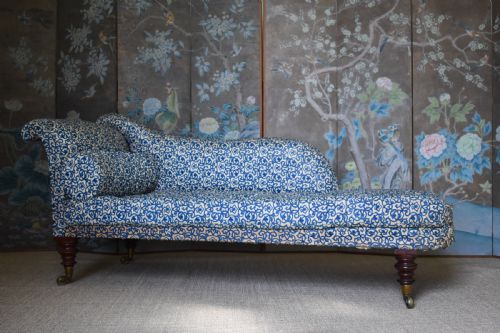
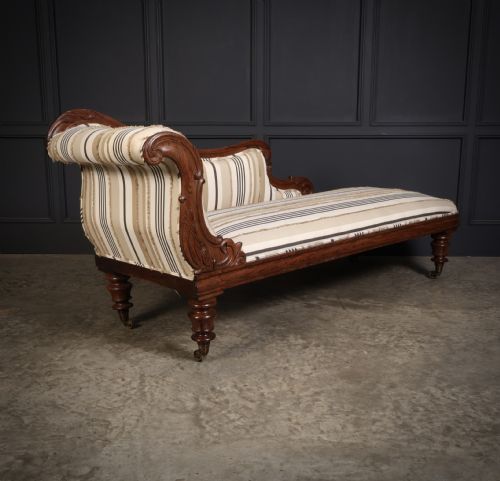
An antique recamier daybed offers classical reclining elegance, designed for daytime lounging with scrolled ends and upholstered frames.
Antique Recamier Daybed
When you search for an antique recamier daybed, you encounter a refined form of seating designed for semi-recumbent repose. These pieces combine the properties of a chair and a sofa, featuring raised ends for resting the head.
The selections here span the nineteenth century, including Regency, William IV, and Victorian iterations. Many pieces reflect French Empire and revival influences, characterised by graceful scroll ends and tailored upholstery.
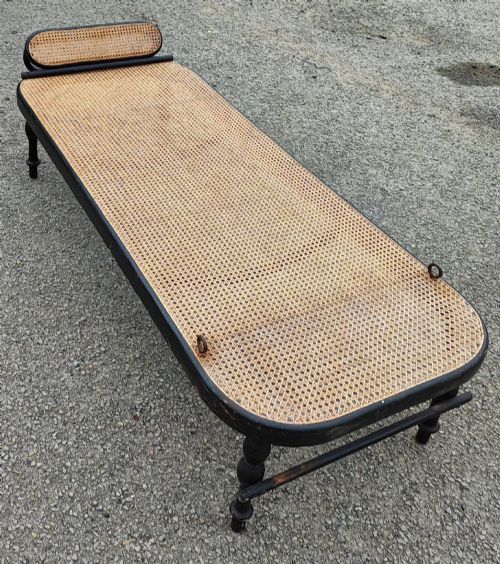
Makers such as Holland & Sons and Miles & Edwards appear among the listings, alongside attribution pieces in the manner of Gillows. Forms range from mahogany and rosewood frames to ebonised wood and cane day beds.
Construction and materials
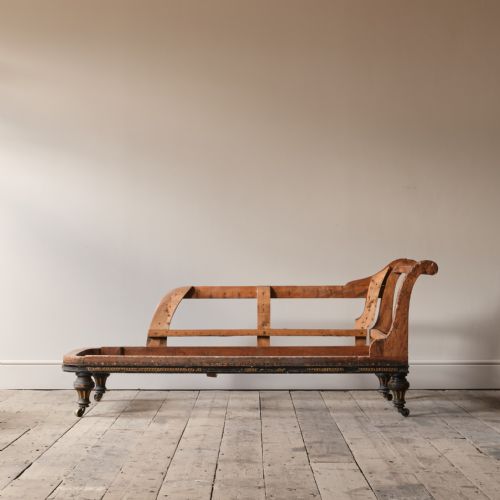
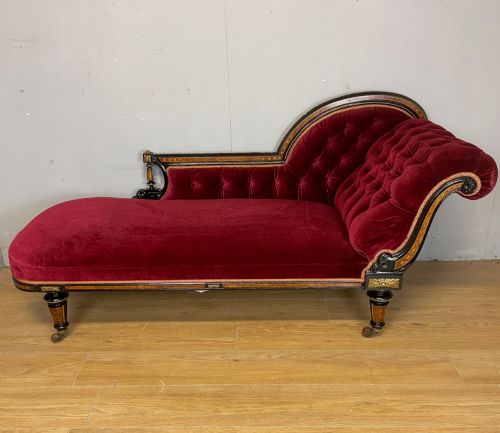
Cabinetmakers utilised dense timbers like mahogany, walnut, and rosewood for the structural frames, often employing ebonised finishes or simulated grain. Brass inlay and ormolu decoration frequently accent the woodwork on finer examples.
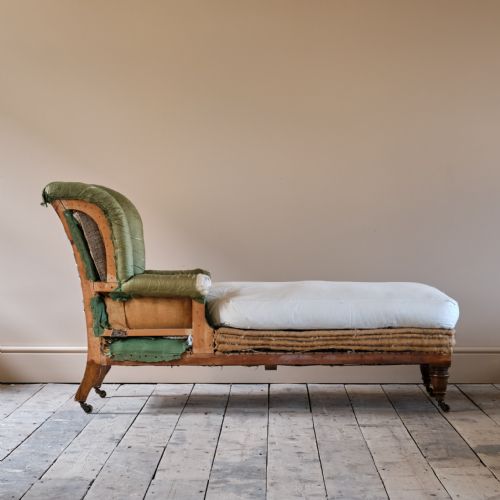
Upholstery techniques involved traditional stuffing and springing finished in silk, damask, velvet, or patterned fabric. Caned panels also feature in specific day bed designs, requiring precise weaving around wooden apertures.
Assessing quality in daybeds
The refinement of the timber carving and the crispness of brass inlay distinguish superior pieces from standard workshop output. Hand-turned scrolls and balanced proportions indicate greater maker skill during the nineteenth century.
The integrity of the frame construction, especially around joints and curved ends, determines longevity and structural stability. Original surface patination on rosewood and mahogany adds considerable distinction to surviving examples.
Holland & Sons·Miles & Edwards·Willian Trotter·Gillows
The Antique Recamier Daybed Glossary
- Recamier
- A type of daybed or sofa with two raised scrolled ends, named after the French society figure Madame Récamier. It is designed for reclining in a semi-seated posture.
- Ormolu
- Gilded bronze mounts applied as decorative ornaments to furniture frames. This technique adds metallic contrast against dark woods like ebonised timber and mahogany.
- Caning
- Woven rattan material utilised for seat panels or backrests. It provides a lighter alternative to solid wood or heavy upholstery.
- Scroll end
- A curved terminal on a sofa or daybed resembling a rolled scroll. This architectural feature defines the silhouette of Regency and Victorian seating.
- Simulated rosewood
- Painted or stained wood grain mimicking genuine rosewood. Cabinetmakers utilised this method to achieve an expensive aesthetic on alternative timber bases.
Antique Recamier Daybed: Frequently Asked Questions
How do I distinguish a Regency daybed from a Victorian one?
Regency daybeds typically display classical architectural lines, brass inlay, and simulated rosewood finishes dating from the early nineteenth century. Victorian iterations often favour heavier walnut or rosewood frames with more elaborate carving and darker wood tones.
Proportions also shift between eras, with Regency pieces leaning towards neoclassical restraint and Victorian versions embracing more substantial, comfortable padding.
Were these daybeds used for sleeping?
These pieces were primarily intended for daytime resting, reading, and receiving visitors in a semi-recumbent posture. They occupied principal reception rooms rather than bedchambers.
The shorter length and raised scroll ends suited afternoon lounging rather than full night-time sleeping.
How should I care for antique wood and upholstery?
Protect wooden frames from direct sunlight and fluctuating humidity to prevent timber splitting or veneer lifting. Regular dusting with a soft, dry cloth preserves the original polish and patination.
Upholstery requires gentle vacuuming with a low-suction attachment and professional cleaning for delicate silks, velvets, or damasks.