


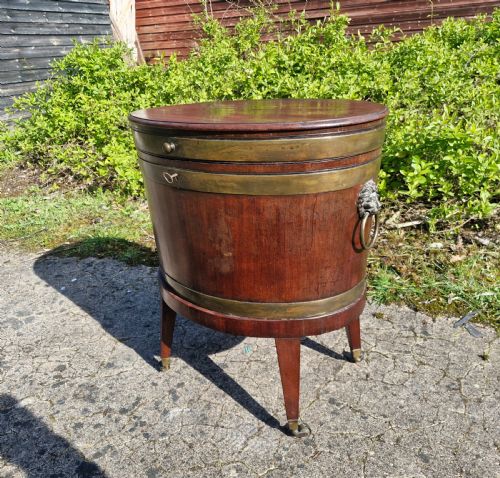


Regency Sarcophagus Cellarette
A regency sarcophagus cellarette brings monumental classical architecture into the dining room to chill wine in genuine period style.
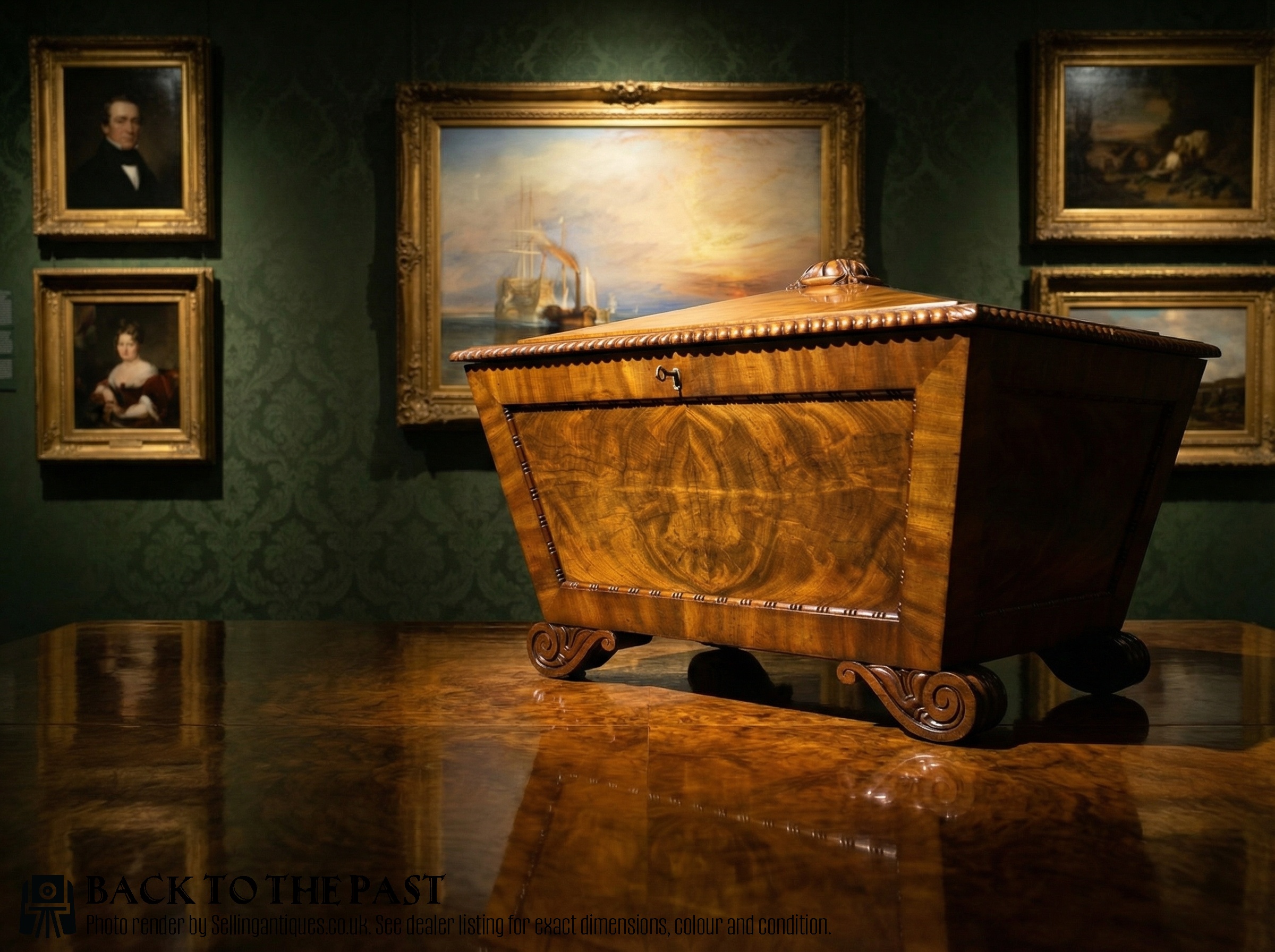
Regency Sarcophagus Cellarette
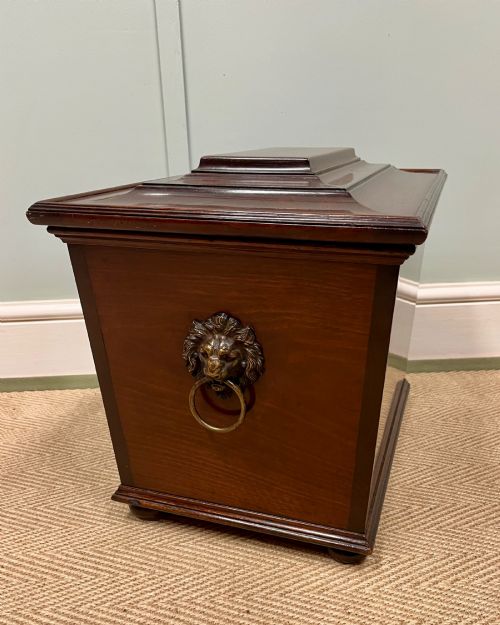
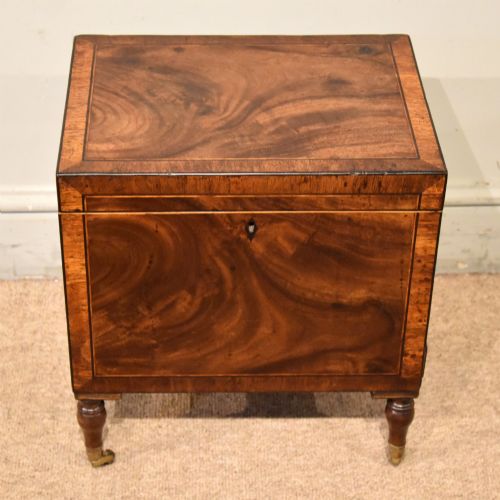
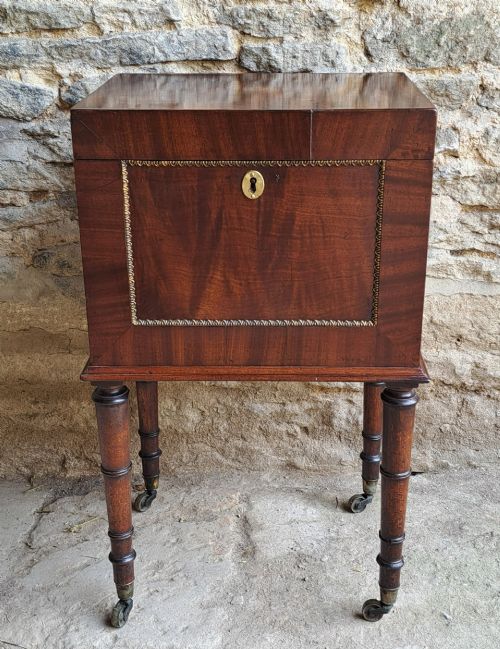
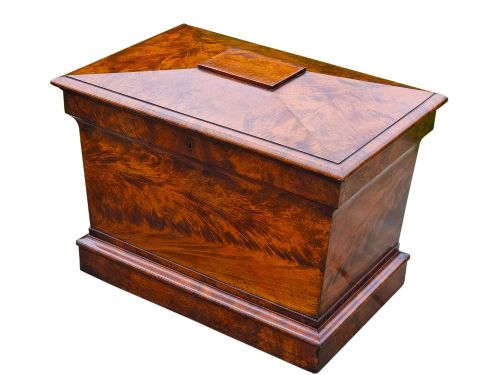
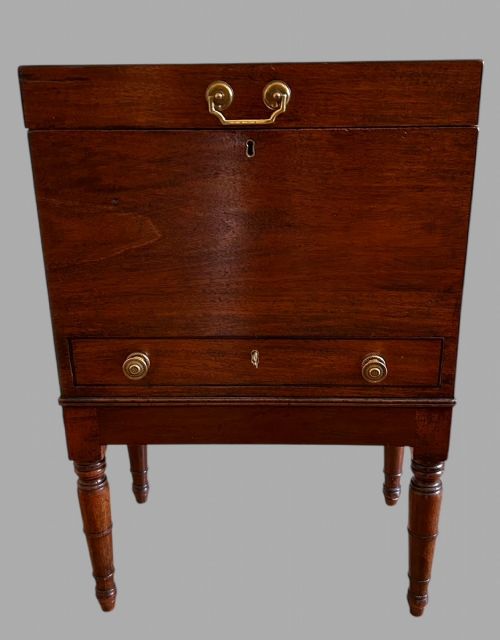
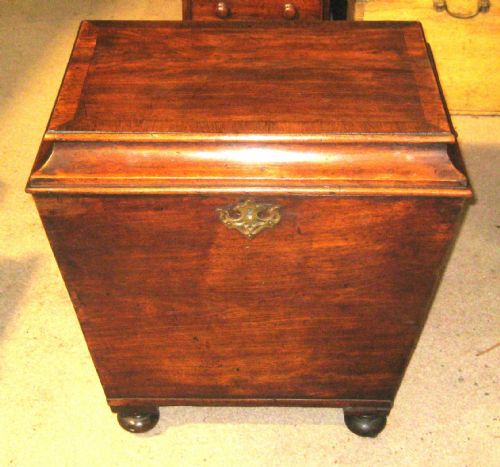
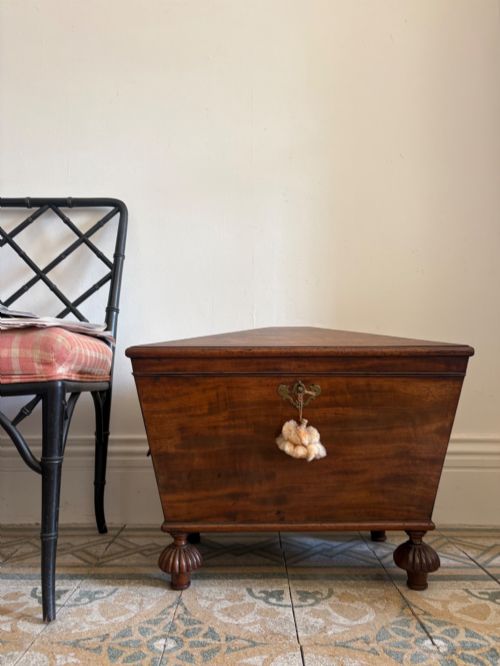
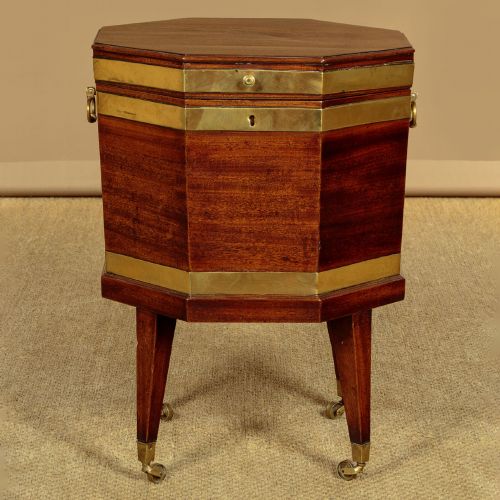
A regency sarcophagus cellarette is a substantial dining room container designed for storing and cooling wine bottles during formal meals. These pieces take their name and heavy classical proportions from ancient stone tombs, translated into domestic cabinet work during the early nineteenth century.
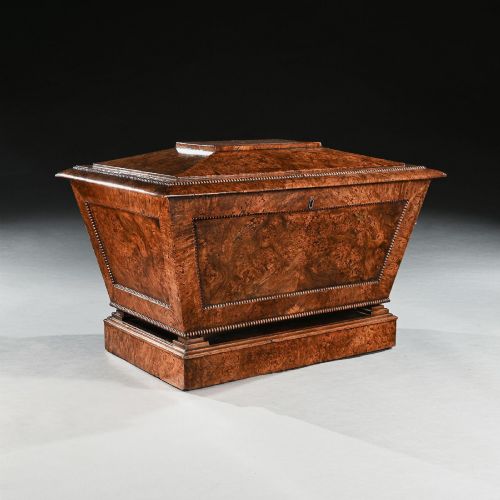
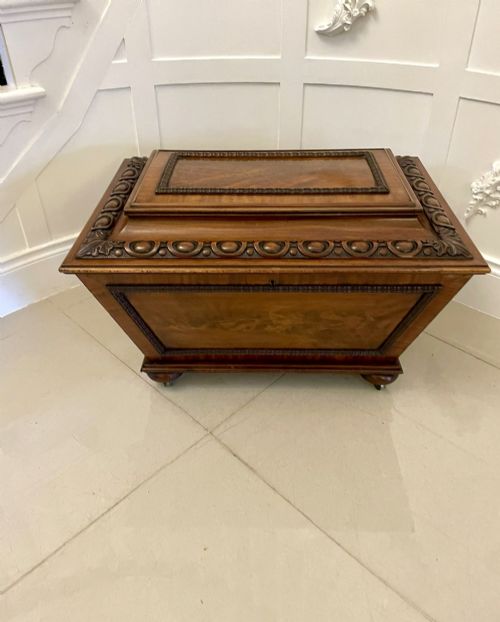
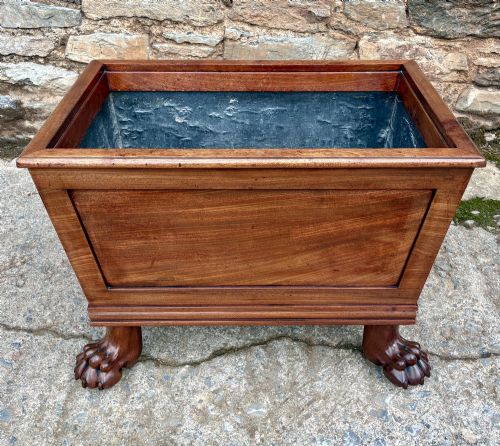
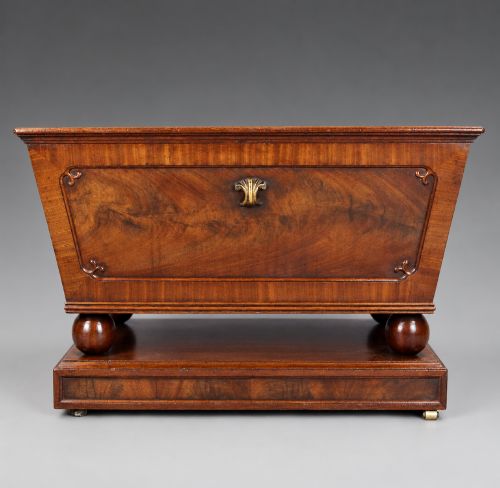
The majority of pieces encountered on this page belong to the regency and georgian periods, built with the characteristic tapered box body and flat or domed lid associated with sarcophagus forms. They stand low to the floor, often supported on hefty paw feet or plinth bases, designed to sit unobtrusively beneath a sideboard.
Makers of the era utilised specific terms interchangeably in their workshop ledgers, listing these items as cellarettes, wine coolers, or wine cellarettes. Their primary function remained identical regardless of the label, holding bottles safely within lead-lined interiors.
Materials and Construction
Carpenters built the core carcass using solid timber, predominantly selecting rich mahogany and occasionally figuring the exterior with burr elm veneers. Timber preparation involved careful matching of wood grain across the panels to create symmetrical visual weight on the principal faces.
Metalwork played a structural and decorative role, featuring brass mounts, lion paw feet, carrying handles, and occasionally inlaid ebony stringing. Workshops fitted lead linings inside the timber box to hold melting ice without damaging the surrounding woodwork.
Regency Sarcophagus Cellarette Retail Price Guide 2026
Typical asking prices for regency sarcophagus cellarette among the pieces listed under this phrase on Sellingantiques today, from the lower quarter to the upper quarter. They describe what is for sale here now, not the wider market.
Listings feature mahogany, burr elm, and timber construction, spanning the nineteenth century, regency, and georgian periods.
Judging Quality and Craftsmanship
Quality rests upon the selection of timber veneers and the crispness of the carved architectural details. Superior examples exhibit tightly figured mahogany or burr elm matched across every surface, paired with deeply carved lion paw feet rather than plain bracket supports.
The interior engineering separates standard workshop production from master cabinet work. Higher grade pieces retain their original internal lead linings, segmented bottle partitions, and heavy brass carrying hardware firmly bolted through the solid timber walls.
T. Feetham·Thomas Hope
The Regency Sarcophagus Cellarette Glossary
- Cellarette
- A lockable container used in dining rooms for storing wine bottles before they were served at the table. These boxes kept the vintage cool and secure from household staff.
- Sarcophagus
- An architectural box shape derived from ancient Roman stone coffins, featuring outward-slanting sides and a heavy lid. Regency designers borrowed this silhouette to impart monumental dignity to domestic furniture.
- Cuban Mahogany
- A dense, dark timber harvested in the Caribbean and favoured by nineteenth-century cabinet makers for its rich patina and stability. It forms the primary structural material for the finest cellarettes.
- Burr Elm
- A knotty wood growth sliced into thin decorative veneers that produce complex, swirling grain patterns. Cabinet makers used burr elm to accent the principal panels of high-status furniture.
- Armorial
- A heraldic crest or coat of arms engraved or painted onto furniture to denote ownership by a noble family. Such personalisations elevate the historical interest of a piece.
Regency Sarcophagus Cellarette: Frequently Asked Questions
What is a regency sarcophagus cellarette?
A regency sarcophagus cellarette is a specialised nineteenth-century timber container built to hold and cool wine bottles during formal meals. These pieces borrow their monumental, tapered box proportions from classical architecture.
They sit low on the floor, frequently mounted on carved feet, and form a distinct category of dining room furniture from the georgian and regency eras.
How were these cellarettes used?
Households used these containers in the dining room to store wine bottles close to the table before serving. The interior compartments held bottles upright while ice kept the contents chilled.
The heavy timber and lead lining insulated the ice, ensuring the wine remained at a desirable temperature throughout a lengthy dinner.
How do I date a cellarette?
Dating relies on examining the timber species, construction methods, and stylistic motifs present in the piece. Pieces from the early nineteenth century typically display classical revival details like brass lion paws and bold mahogany veneers.
Comparing the hardware and internal joinery to documented pieces helps narrow the decade of manufacture.
Where should I place one at home?
These substantial pieces look best placed against a dining room wall, echoing their historical position beneath a sideboard. Their architectural presence also suits a hallway or a spacious living room.
Because they feature finished mahogany and burr elm surfaces on all sides, they command attention as freestanding statement objects.