
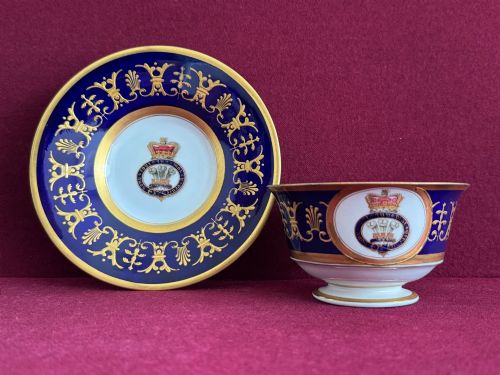
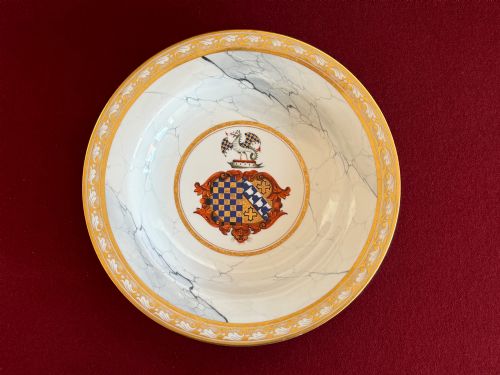
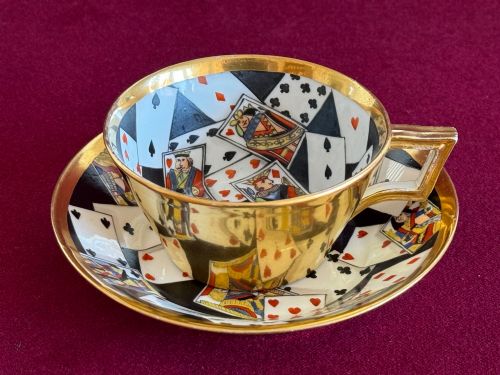
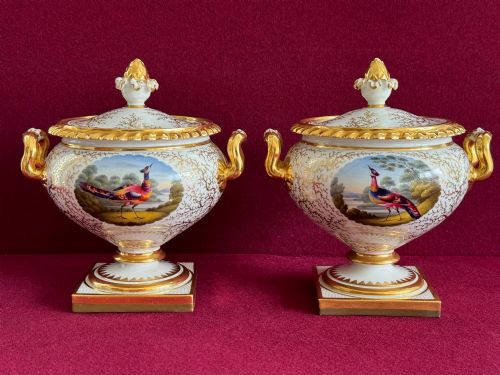



Regency Porcelain Bowl
A regency porcelain bowl brings neoclassical elegance and refined craftsmanship to a room, offering tactile connection to early nineteenth-century dining traditions.
Regency Porcelain Bowl
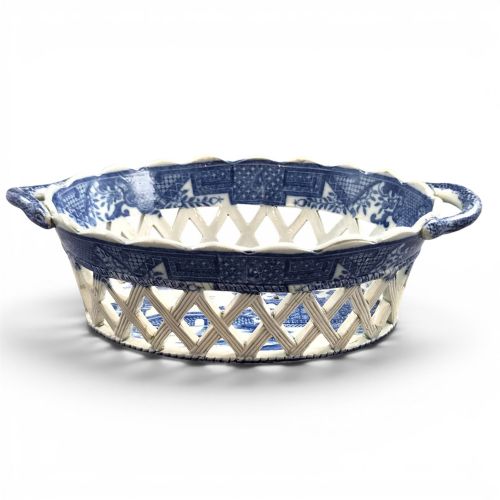
A regency porcelain bowl encompasses utilitarian sugar boxes, footed vessels, and slop bowls originating from the Georgian and nineteenth-century periods. These items reflect the domestic habits of the era, produced alongside tureens, chestnut baskets, and decorative vases by prominent English factories.
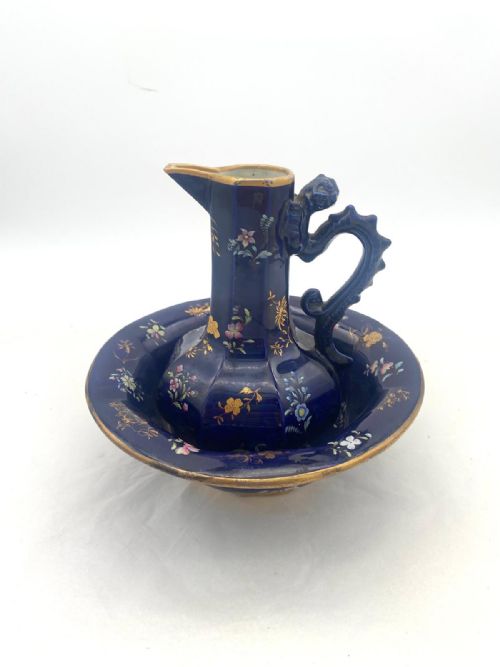
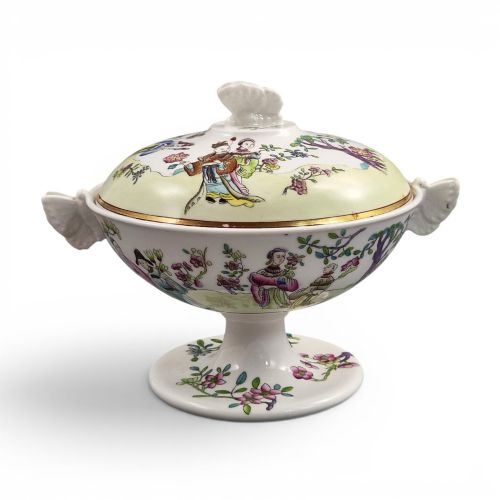
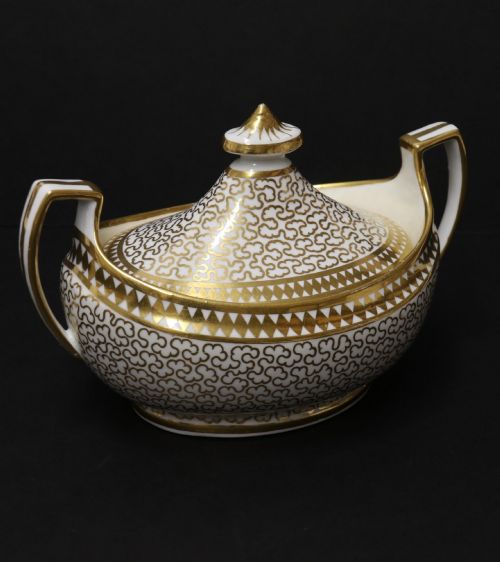
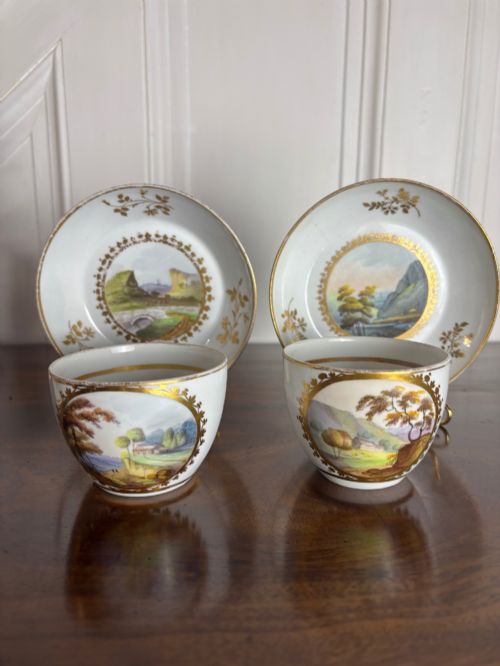
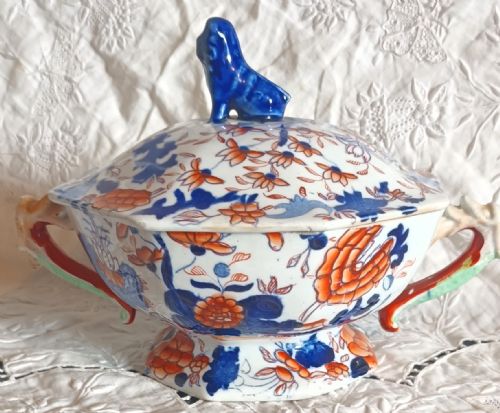
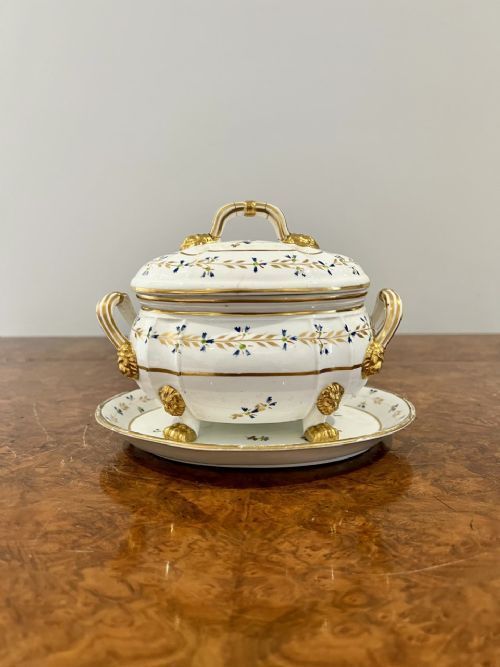
The pieces appearing on this page range from crisp white and gilt sugar basins to transfer-printed earthenware and ironstone items. Buyers encounter both covered sucriers and open serving vessels representing stylistic expressions like Regency Chinoiserie and Neoclassical design.
Materials and technique
Potters utilised fine porcelain, felspar porcelain, and ironstone, shaping body pastes before applying smooth glazes and hand-painted or transfer-printed decoration. Factories employed cobalt blue pigments alongside vibrant enamel colours to build complex pictorial scenes.
Gilding and gold leaf accent borders, handles, and rims, adding metallic contrast to white ceramic grounds. Artisans formed functional elements like handles and pedestals directly into the wet clay bodies prior to kiln firing.
The inventory encompasses periods from 1800 to 1850, capturing the Regency and Georgian eras.
Standards of execution
The distinction between ordinary and superior pieces rests on the precision of the hand-painted enamel work and the crispness of the moulded details. Finer items exhibit controlled brushwork in complex botanical or armorial motifs rather than mechanical regularity.
The application of gold leaf and the purity of the white glaze surface dictate the visual success of a vessel. Potteries that engaged skilled ceramic artists produced surfaces with depth and harmony that simpler utilitarian wares lack.
Masons Ironstone·Spode·Chamberlains Worcester·Minton·Crown Derby·Coalport·Flight, Barr And Barr·Ridgway·Barr, Flight And Barr
The Regency Porcelain Bowl Glossary
- Sucrier
- A small lidded sugar bowl or sugar box designed for tea service tables. These vessels often feature matching covers and decorative handles.
- Ironstone
- A heavy, durable type of earthenware patented in the nineteenth century to imitate true porcelain. It withstands robust daily use while accepting bright enamel painting and transfer printing.
- Felspar porcelain
- An innovative ceramic body introduced by Spode containing mineral spar for enhanced whiteness and strength. This material allowed for thin, translucent vessel walls.
- Reticulated
- Pierced or openwork ceramic design formed by cutting patterns into the damp clay before firing. Chestnut baskets frequently utilise this technique for ventilation.
- Porringer
- A small bowl with one or two horizontal handles used historically for porridges and broths. Ceramic examples from this era function as decorative serving pieces.
Regency Porcelain Bowl: Frequently Asked Questions
How were these bowls used?
These vessels served functional roles on dining tables and tea boards, holding sugar, slops from tea cups, or broth. Lidded versions kept dry goods protected or maintained warmth for table sauces.
Over time, many transitioned into decorative display items as dining customs evolved. Their intricate painted surfaces made them centrepieces for drawing rooms.
How do I care for antique porcelain?
Hand washing in warm water with mild soap preserves the delicate enamel colours and gold leaf accents. Harsh modern detergents and automated dishwashing cause surface abrasion and fading.
Display these vessels away from direct sunlight to protect the pigments from ultraviolet degradation. Stable humidity levels prevent stress on historic ceramic bodies.
How are Regency and Georgian periods distinguished?
The Regency period sits strictly within the broader Georgian era, marking the specific years of the Prince Regent's rule. Pieces from this tighter timeframe often exhibit sharp neoclassical restraint or bold chinoiserie motifs.
Broader Georgian items span earlier and later decades, showing shifts from rococo curves to classical geometric symmetry. Makers frequently overlap production styles across these boundary years.
What is ironstone versus porcelain?
Ironstone is a dense, opaque earthenware developed for strength, while porcelain is a vitrified, translucent ceramic material. Ironstone weighs heavier in the hand and resists chipping more readily than soft or hard-paste porcelain.
Both materials received similar decorative treatments, including hand-painted enamels and transfer printing, making visual identification dependent on body weight and translucency.