


Antique Worcester Fruit Bowl
An antique worcester fruit bowl brings fine porcelain history to the table, uniting Georgian delicacy with later hand-painted artistry.
Antique Worcester Fruit Bowl
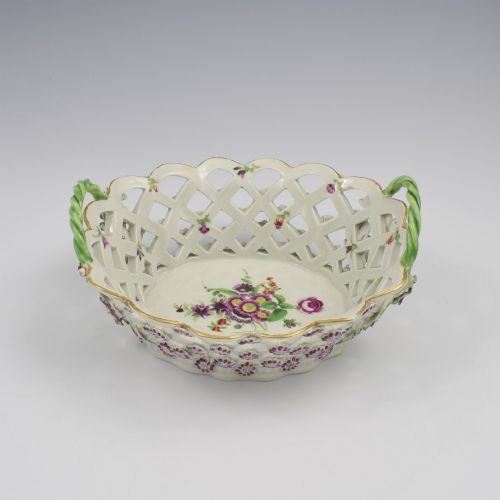
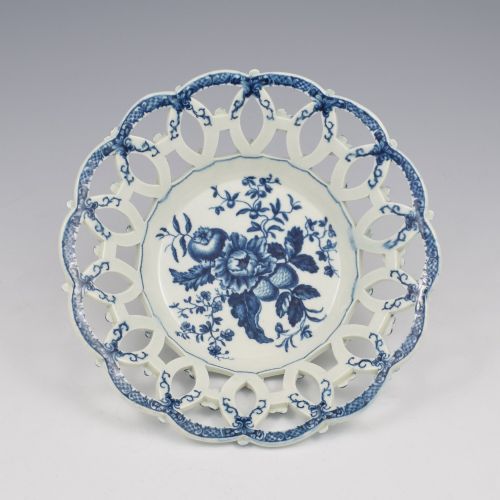
An antique worcester fruit bowl encompasses delicate porcelain vessels shaped for serving or display, emerging primarily across the eighteenth and nineteenth centuries alongside twentieth-century iterations. Buyers seeking this phrase encounter everything from First Period Dr Wall lobed dessert dishes and woven chestnut baskets to later hand-painted pieces bearing signature artistry.
The selections span distinct historical movements, moving from Georgian and Regency creations through to Edwardian designs and mid-century examples. Forms vary considerably beyond simple bowls, taking in circular baskets, square lobed dessert dishes, boat-shaped vessels, and twin-handled sugar or soup bowls.
Originating from renowned English factories, these items demonstrate the enduring versatility of Worcester porcelain production. Whether examining an eighteenth-century pine cone pattern piece or a later painted fruit service, collectors find enduring craftsmanship rooted in traditional English aesthetics.
How they were made
Maker workshops utilised fine porcelain and soft-paste porcelain bodies, shaping them into intricate bowls, baskets, and dishes. Skilled hands formed openwork woven structures and moulded edges before subjecting the pieces to initial kiln firings.
Surface decoration relied upon detailed enamel painting, polychrome pigments, and hand-applied gold leaf or gilding. Artists frequently signed their botanical or fruit compositions directly onto the glazed ceramic surface, adding distinct individual character.
Some bowls feature hand-painted pine cones so meticulously rendered they practically rustle against the glaze.
What varies in quality
The calibre of an antique worcester fruit bowl rests upon the crispness of its moulded form and the precision of its ceramic body. Early soft-paste pieces display distinct translucency and weight, whilst later items depend on the refinement of the bone china or porcelain substrate.
Artistic execution dictates the upper tier of desirability, particularly evident in pieces bearing documented hand-painted fruit or intricate polychrome patterns. Superior application of enamel colours and detailed gilding elevate standard serving dishes into exceptional cabinet pieces.
Dr Wall Worcester·Chamberlain Worcester·Royal Worcester
The Antique Worcester Fruit Bowl Glossary
- Soft-paste porcelain
- An artificial ceramic composition fired at lower temperatures than hard-paste porcelain, common in eighteenth-century English factories. It yields a warm, creamy body with distinct translucency.
- First Period
- The earliest era of Worcester porcelain production, lasting from the founding in 1751 until roughly 1783. Pieces from this era often feature Dr Wall period markings and delicate underglaze blue or polychrome decoration.
- Gilding
- The application of gold leaf or gold paint to ceramic edges, handles, or decorative borders. It enhances the visual richness of formal dining and dessert wares.
- Enamel
- Opaque glass-based pigments fused to the glazed porcelain surface during firing. This technique allows for vibrant, multi-coloured pictorial scenes.
- Comport
- A raised pedestal dish or bowl traditionally used for serving fruit or sweetmeats at the table. These elevated vessels add vertical hierarchy to a dining arrangement.
Antique Worcester Fruit Bowl: Frequently Asked Questions
How do I date an early piece?
Dating relies heavily on paste composition, factory marks, and stylistic indicators such as transfer printing or early polychrome enamels. Eighteenth-century examples often exhibit soft-paste characteristics and distinct crescent or square fret marks.
Later nineteenth and twentieth-century items transition towards bone china and feature sophisticated painted artist signatures alongside printed factory ciphers.
Were these bowls used for real fruit?
Many vessels designed as dessert dishes, baskets, or comports served a functional role in grand dining customs, holding fresh fruit or sweet confections. Openwork baskets provided ventilation for natural fruits displayed upon the dining table.
Over time, finer decorative specimens transitioned into cabinet display pieces rather than active servingware.
How should I clean painted porcelain?
Painted and gilded porcelain requires gentle maintenance using lukewarm water and a mild detergent when necessary. Avoid abrasive sponges or harsh chemicals that can degrade delicate overglaze enamels and gold leaf.
Hand drying with a soft, lint-free cloth preserves the historic glaze and prevents moisture accumulation around gilded rims.
What defines the Hadley period?
The Hadley designation refers to distinct wares associated with James Hadley and his artistic influence within the Worcester factory tradition. These items often showcase naturalistic motifs and subtle modelling characteristic of late Victorian and Edwardian production.
Collectors prize Hadley pieces for their distinct sculptural qualities and specialised approach to floral and fruit ornamentation.