




Regency Pleated Fabric Cabinet
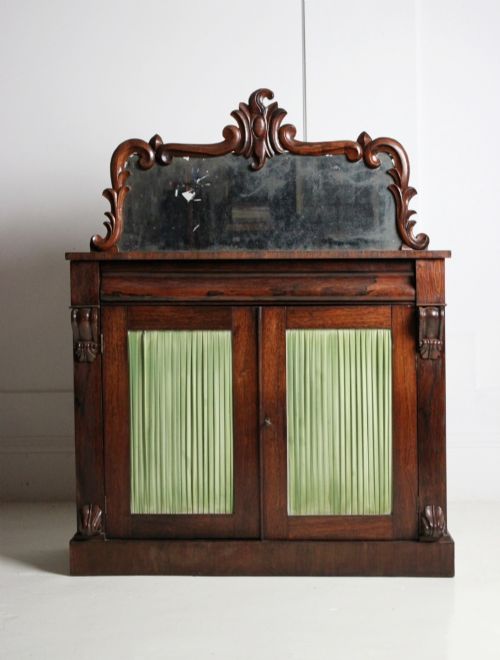
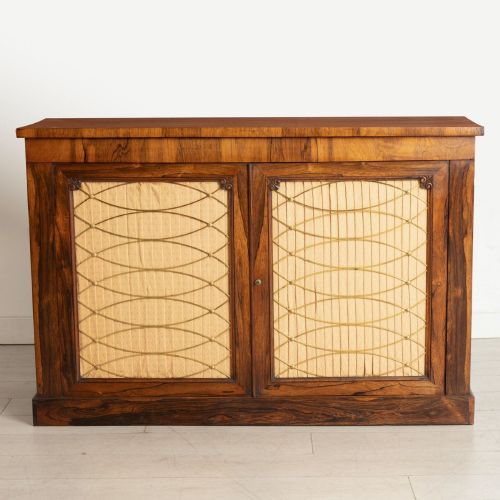
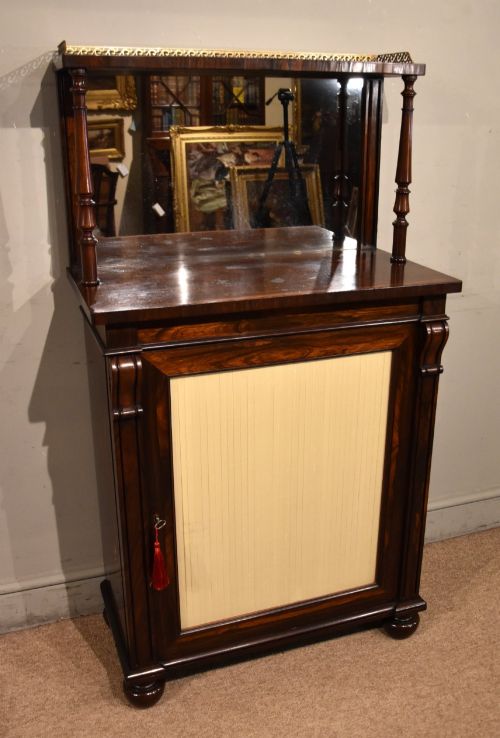
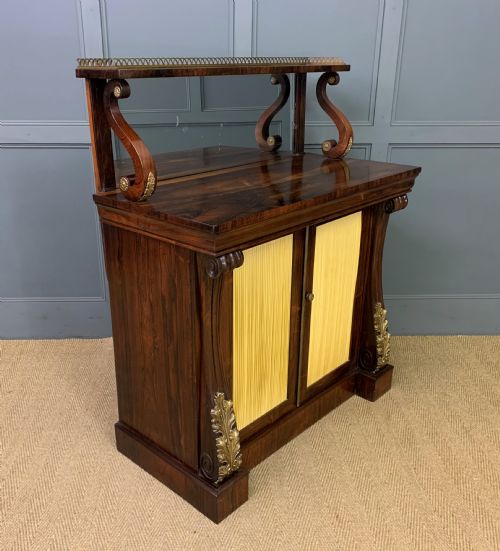
These regency pleated fabric cabinet pieces bring architectural timber and delicate textile panels together into a striking storage form.
Regency Pleated Fabric Cabinet
A regency pleated fabric cabinet combines timber frameworks with delicate textile inserts behind glass or wire doors, creating a distinctive storage piece. Buyers searching for a regency pleated fabric cabinet will mostly encounter nineteenth century chiffoniers, side cabinets, and pedestal cabinets produced during the Regency, George IV, and William IV periods. These items typically feature rich rosewood, simulated rosewood, mahogany, and goncalo alves surfaces designed for elegant nineteenth century interiors.
Most examples appearing in this category take the form of chiffoniers or low side cabinets with pleated panels set into the doors. The structural forms range from breakfront designs and bow fronted sideboards to neat pedestal cabinets fitted with marble or timber tops. Makers from the period incorporated mirror glass, brass mounts, and specialised wood linings to complete these functional storage pieces.
How they were made
Cabinet makers utilised dense exotic hardwoods such as rosewood, mahogany, and goncalo alves, often selecting simulated rosewood finishes for alternative aesthetic effects. These timbers formed the structural carcass and exterior veneered surfaces of each side cabinet and chiffonier.
Makers integrated delicate fabric inserts, brass mounts, and mirror glass panels into the doors and backsplashes. Skilled joinery ensured the timber frames supported the pleated textile panels securely while maintaining stability across pedestals and breakfront carcasses.
Regency Pleated Fabric Cabinet Retail Price Guide 2026
Typical asking prices for regency pleated fabric cabinet among the pieces listed under this phrase on Sellingantiques today, from the lower quarter to the upper quarter. They describe what is for sale here now, not the wider market.
The listings show rosewood as the predominant timber, appearing alongside mahogany, goncalo alves, and simulated rosewood across nineteenth century forms.
What varies in quality
The choice of primary timber and secondary wood linings distinguishes exceptional pieces from standard workshop productions. Selected grain figures in rosewood and mahogany, alongside heavier brass mounts and precise joinery, elevate the stature of a chiffonier.
The refinement of the brass detailing, the integration of mirror glass, and the precision of the pleated fabric panels determine the visual harmony of the finished cabinet.
Gillows
The Regency Pleated Fabric Cabinet Glossary
- Chiffonier
- A small low sideboard or cabinet featuring shelves and enclosed lower storage, popular during the nineteenth century. These pieces often incorporated fabric panels and mirror glass.
- Goncalo Alves
- A dense tropical hardwood with distinctive contrasting grain patterns utilised in high-end Regency furniture. Cabinet makers favoured this material for decorative veneer work.
- Simulated Rosewood
- A painted or stained surface treatment applied to a secondary timber to imitate the appearance of genuine rosewood. This technique provided a decorative finish at a different cost point.
- Breakfront
- A cabinet design where the central section projects forward from the flanking outer sections. This architectural arrangement creates depth and visual interest across side cabinets.
Regency Pleated Fabric Cabinet: Frequently Asked Questions
What is a regency pleated fabric cabinet?
A regency pleated fabric cabinet is a nineteenth century storage piece featuring timber construction with textile panels set into the doors. These items include chiffoniers and side cabinets designed during the Regency and George IV eras.
They combine functional shelving with decorative fabric inserts behind wooden or glazed frames, using timbers like rosewood and mahogany.
How were these cabinets used originally?
These cabinets served as display and storage furniture in nineteenth century reception rooms and drawing rooms. The upper surfaces and shelves held decorative objects while enclosed lower compartments stored tableware or papers.
The pleated fabric panels behind door lattices softened the appearance of the timber while concealing the contents of the cabinet.
How do I style a regency cabinet at home?
A regency pleated fabric cabinet functions effectively as a sideboard or low storage unit in living spaces and hallways. Placing lamps or decorative objects on the timber or marble top complements the period design.
The rich rosewood and mahogany tones pair well with both traditional interiors and neutral modern backgrounds.
How do I identify a Regency period cabinet?
Regency cabinets are identified by specific timber choices such as rosewood, goncalo alves, and mahogany, alongside classical architectural proportions. Details like brass mounts, simulated rosewood finishes, and pleated fabric panels point directly to nineteenth century workshop practices.
Changes in style from George IV through William IV introduce subtle shifts in massing and decorative restraint.