



Vintage Bowfront Cupboard
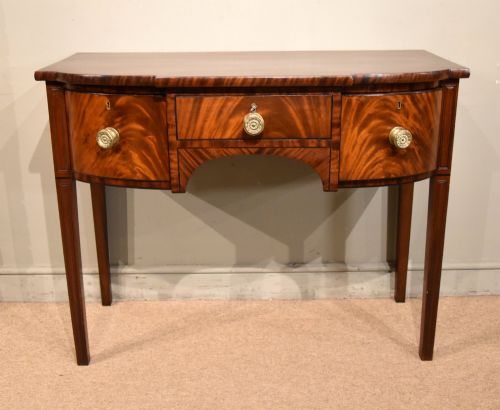
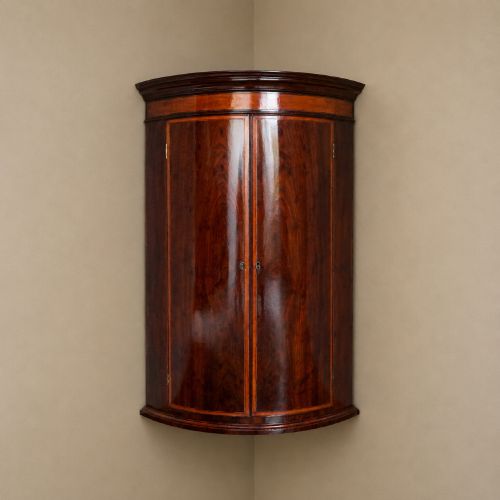
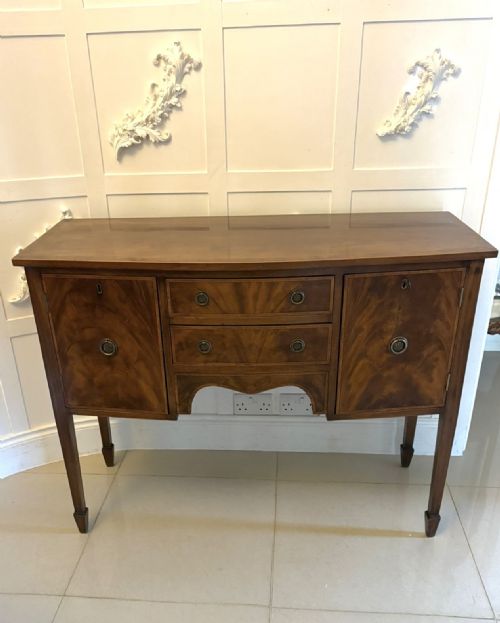
A vintage bowfront cupboard brings curved timber and practical storage into a room, spanning corner designs and freestanding sideboards from various periods.
Vintage Bowfront Cupboard
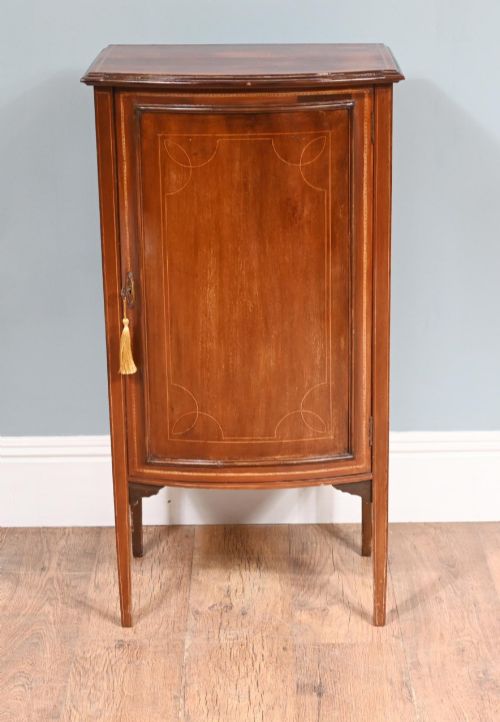
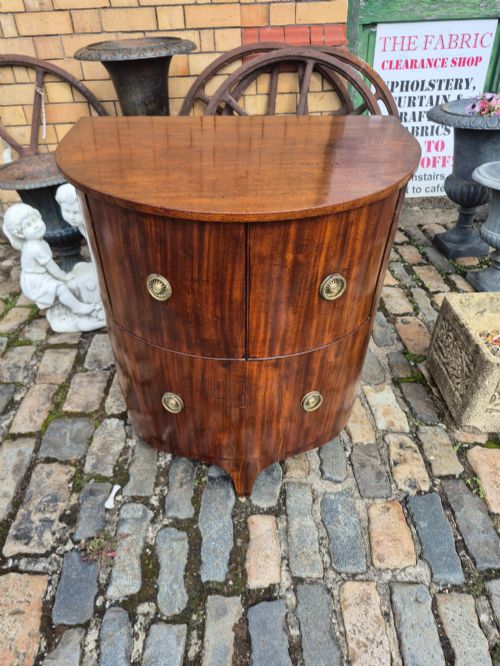
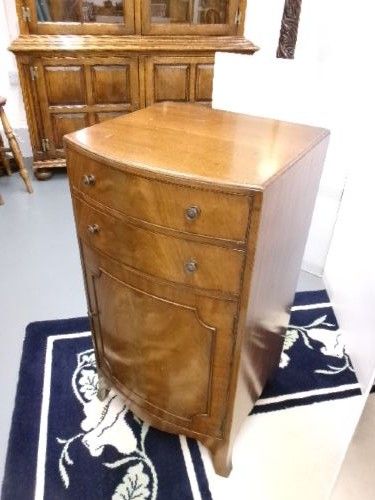
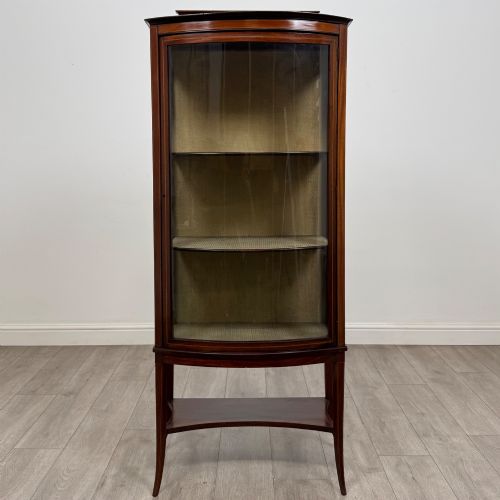
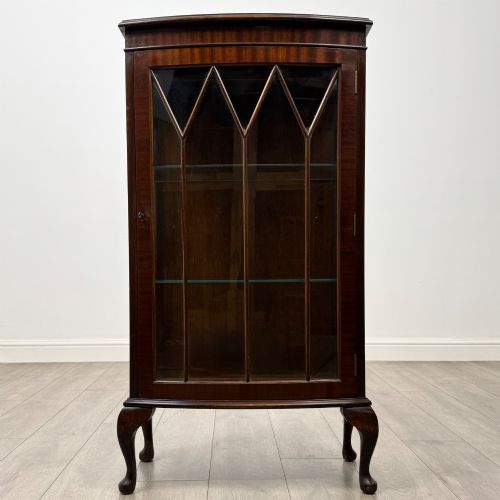
When you search for a vintage bowfront cupboard, you encounter a variety of forms including corner cabinets, sideboards, bedside cabinets, and display cases. The pieces span periods from the eighteenth century through the Edwardian era and the 1930s, reflecting changing domestic requirements for storage and display.
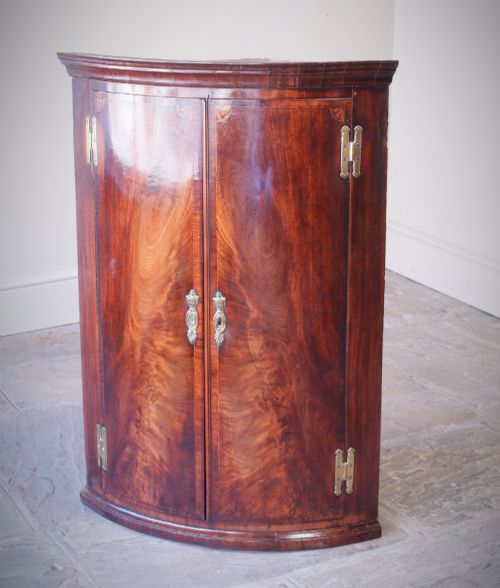
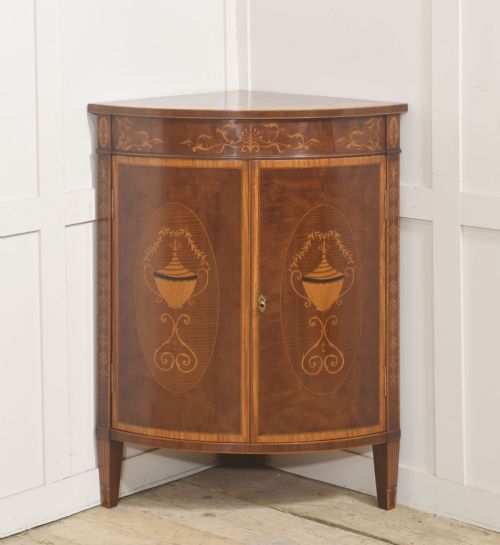
Corner cupboards and hanging wall units feature prominently alongside larger sideboards and side cabinets. Many examples originate from the Georgian and Edwardian periods, utilising curved fronts to soften room angles and save space.
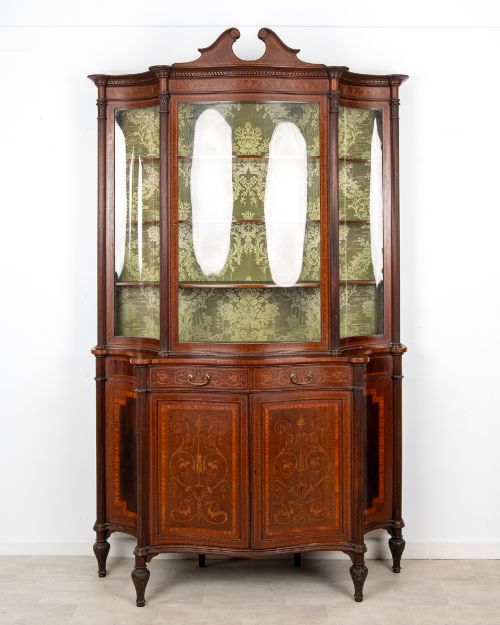
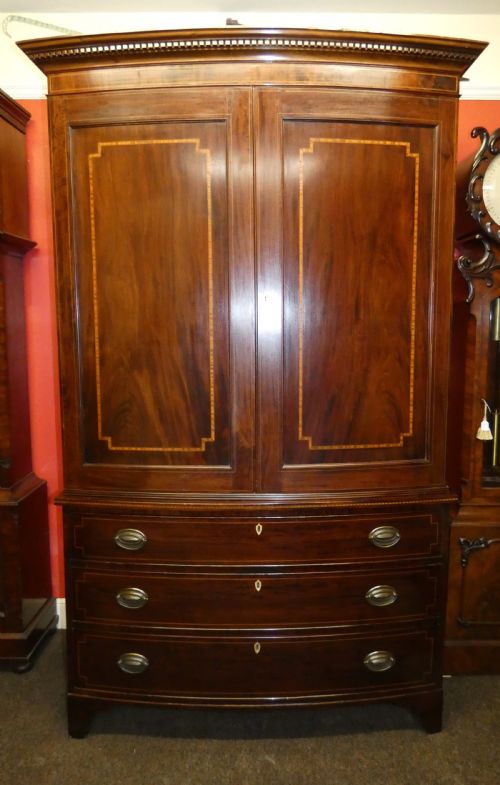
The selection ranges from tall display cabinets to compact bedside chests and linen presses. Each form serves a specific room function, whether storing china, linens, or displaying decorative items.
Materials and construction
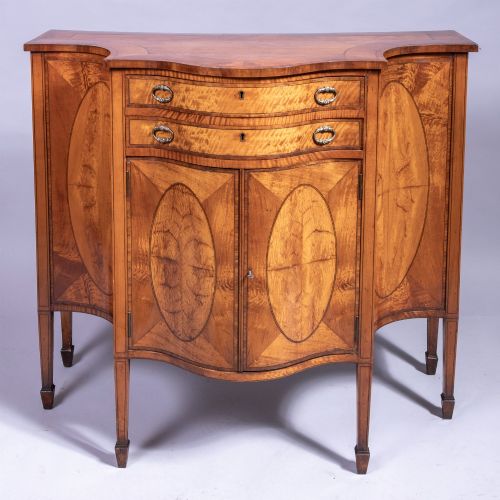
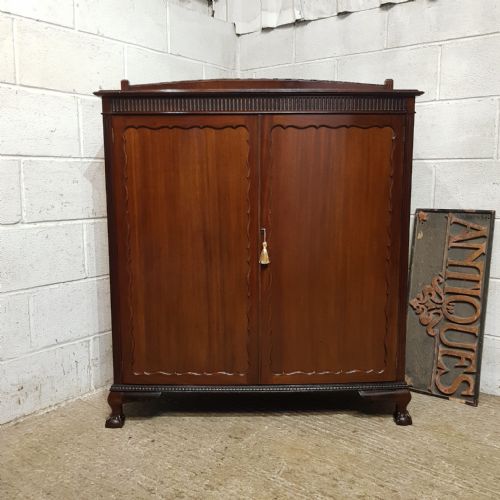
Makers utilised mahogany as the primary timber, frequently selecting flame mahogany veneer to achieve striking grain patterns on curved surfaces. Inlays of satinwood and boxwood add contrasting linear decoration along the edges and panels.
Vintage Bowfront Cupboard Retail Price Guide 2026
Typical asking prices for vintage bowfront cupboard among the pieces listed under this phrase on Sellingantiques today, from the lower quarter to the upper quarter. They describe what is for sale here now, not the wider market.
Quality variations
The refinement of the timber selection distinguishes standard pieces from superior examples, particularly in the choice of matched flame mahogany veneers and delicate satinwood or boxwood inlay work. Smooth operation of curved doors and drawers indicates superior joinery and careful fitting by the maker.
The sophistication of decorative treatments, such as hand-painted Chinoiserie or finely executed marquetry, separates utilitarian storage from higher-status furniture produced during the Georgian and Edwardian periods.
Heal's
The Vintage Bowfront Cupboard Glossary
- Bowfront
- A curved convex furniture front that swells outward in the centre, softening linear room arrangements. This shape appears frequently on sideboards and corner cupboards across multiple periods.
- Flame mahogany
- A veneer cut from the fork of a mahogany tree where the branch meets the trunk, producing a rippling, flame-like pattern. It decorates the primary surfaces of many Edwardian and Georgian cabinets.
- Corner cupboard
- A storage cabinet specifically constructed to fit into the ninety-degree angle of a room. Versions include hanging wall units and tall freestanding pieces in mahogany or elm.
- Inlay
- A decorative technique where contrasting woods like satinwood or boxwood are set flush into recesses within the primary timber. It creates geometric borders and floral motifs on Edwardian and Sheraton Revival pieces.
- Linen press
- A tall cupboard featuring upper doors enclosing sliding trays for textiles and lower drawers for bulkier items. They appear in mahogany with bowfront configurations.
Vintage Bowfront Cupboard: Frequently Asked Questions
Where do I put a corner cupboard?
A corner cupboard fits directly into the internal angle of a room, making use of otherwise dead space. Hanging versions mount securely to the wall, while freestanding variants rest on the floor.
These pieces suit dining rooms, hallways, and living spaces where curved lines help soften rigid architectural corners while providing enclosed shelving.
How do I tell Georgian from Edwardian pieces?
Georgian pieces generally date from the eighteenth and early nineteenth centuries, displaying solid construction methods and simpler, robust mahogany proportions. Edwardian pieces, dating around 1900, often incorporate lighter satinwood inlay and Sheraton Revival styling.
Examining the interior linings, drawer construction, and secondary timbers helps clarify the manufacturing era of each individual cabinet.
What is a compactum wardrobe?
A compactum wardrobe is a large multi-compartment storage piece designed to hold various types of clothing within a single footprint. They combine hanging space with linen shelves and lower drawer sections.
These taller items appeared in early twentieth-century listings to maximise storage efficiency in bedrooms before built-in closets became standard.
Can I use a bedside cabinet today?
A bedside cabinet provides a surface for lamps and books alongside concealed storage for nighttime essentials. Their compact proportions suit modern bedrooms of varying sizes.
Mahogany and inlaid Edwardian examples add traditional character and warm timber tones to contemporary sleeping spaces.