

Regency Period Sideboard Cabinet
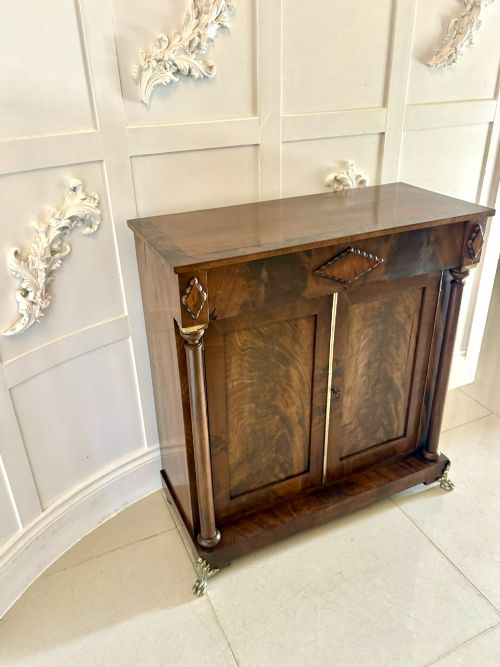
A regency period sideboard cabinet brings the refined grain of mahogany or rosewood and bright brass mounts directly into a formal room.
Regency Period Sideboard Cabinet
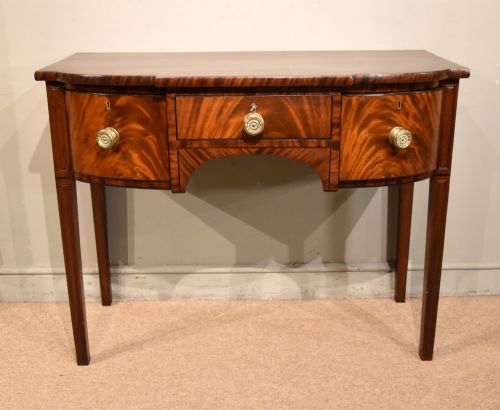
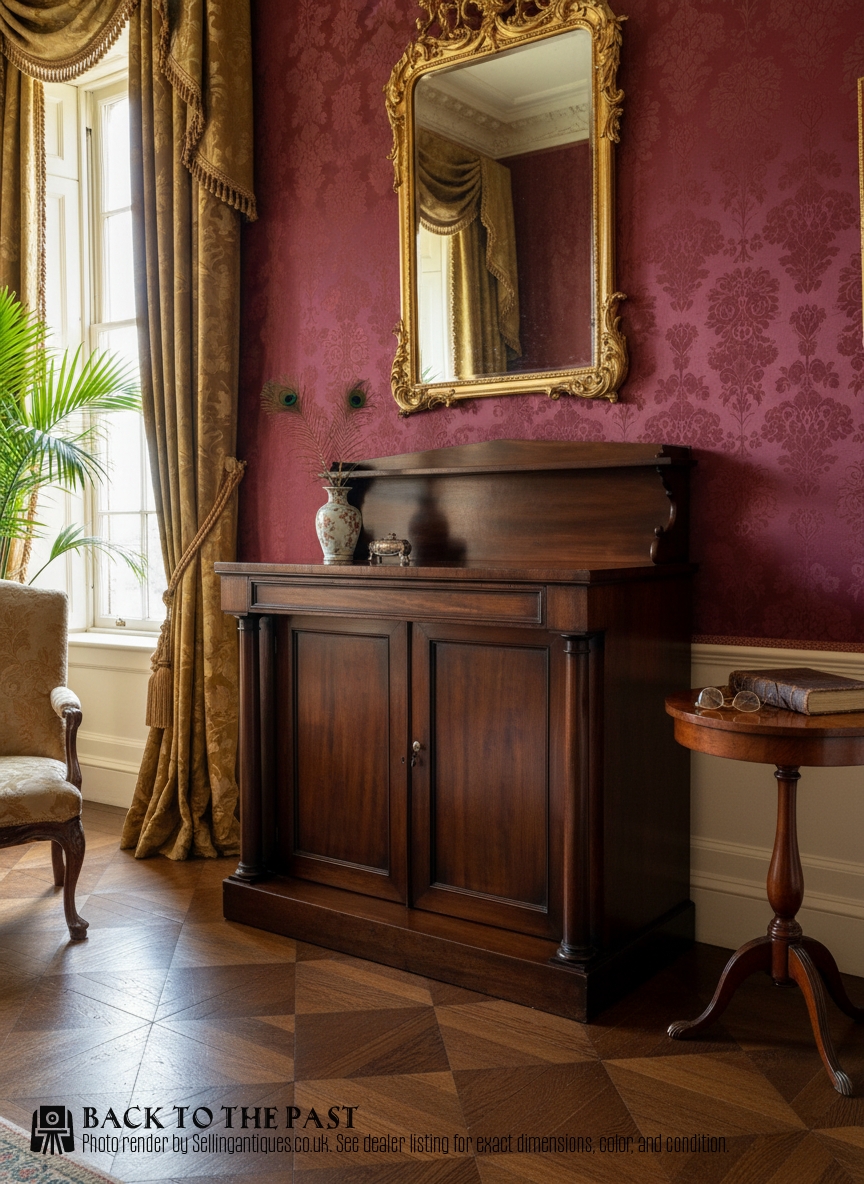
A regency period sideboard cabinet encompasses low cupboards, chiffoniers, and serving pieces designed for dining rooms and morning rooms. Most examples encountered here date from the nineteenth century, specifically the Regency, George IV, and William IV eras.
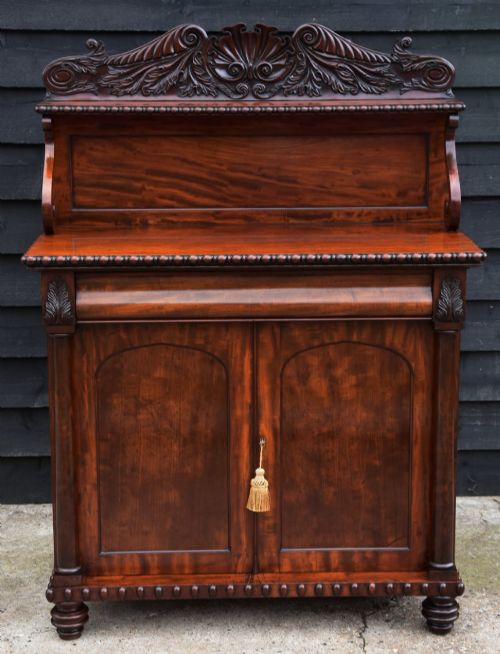
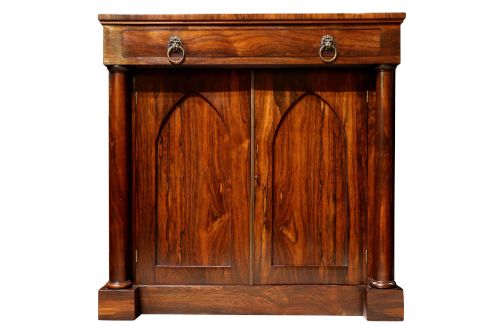
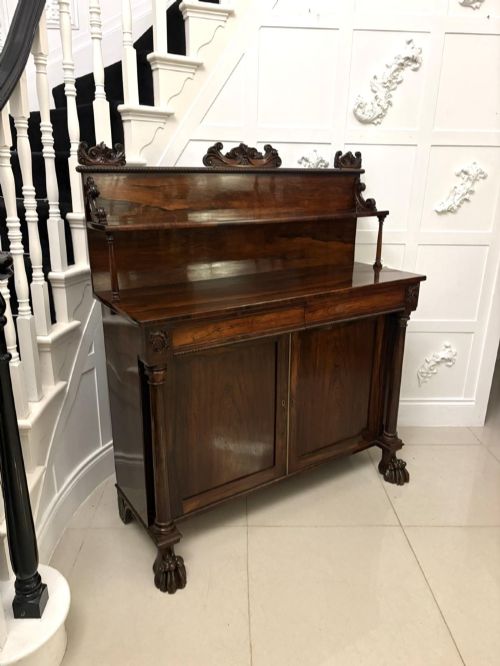
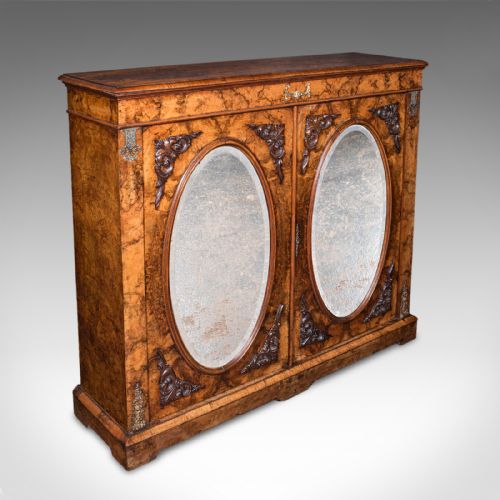
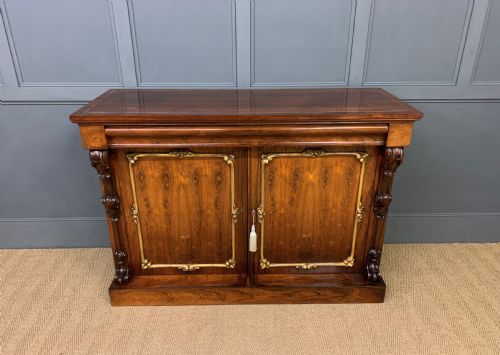
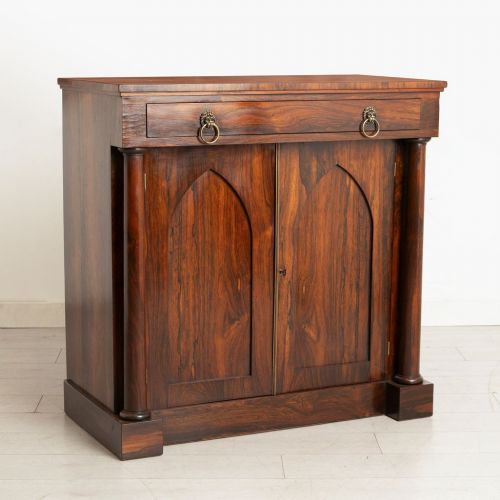
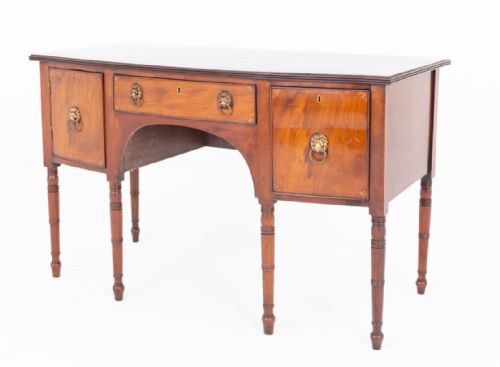
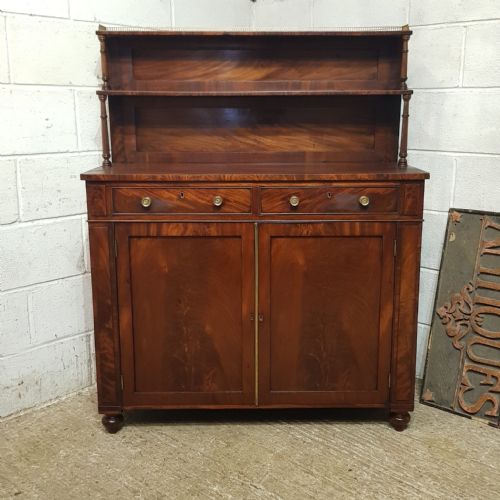
The form ranges from bow-fronted sideboards to compact chiffoniers and side cabinets fitted with doors. These pieces served practical storage and display functions in period interiors, utilising diverse timbers including mahogany, rosewood, and amboyna.
How they were made
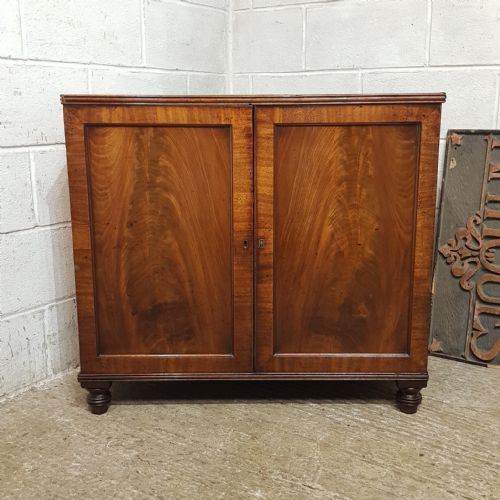
Cabinetmakers utilised solid timbers and veneers such as flame mahogany, plum pudding mahogany, and rosewood over secondary woods. Surfaces frequently incorporate elaborate grain patterns matched across doors and drawers.
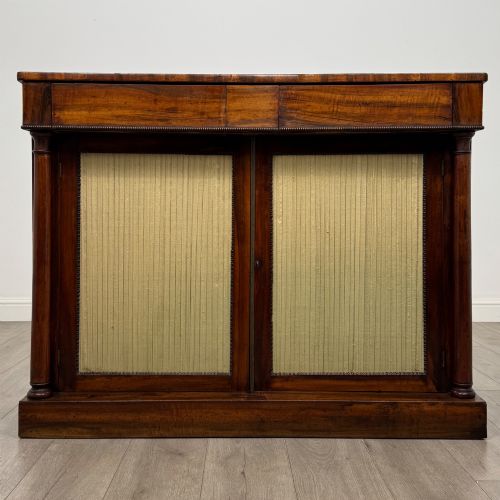
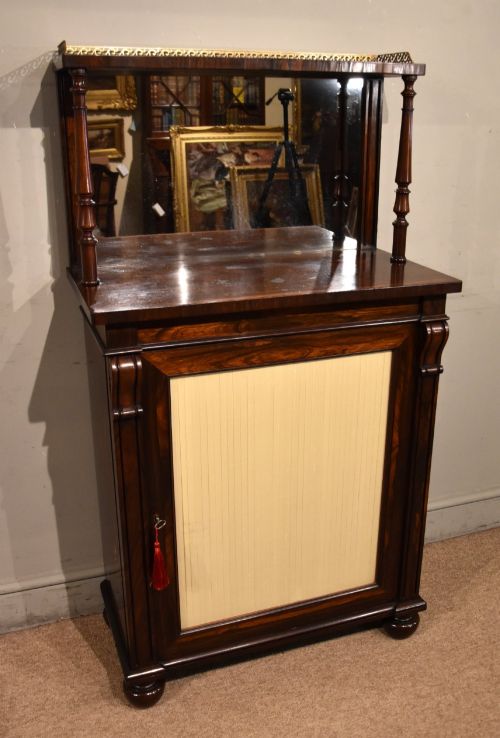
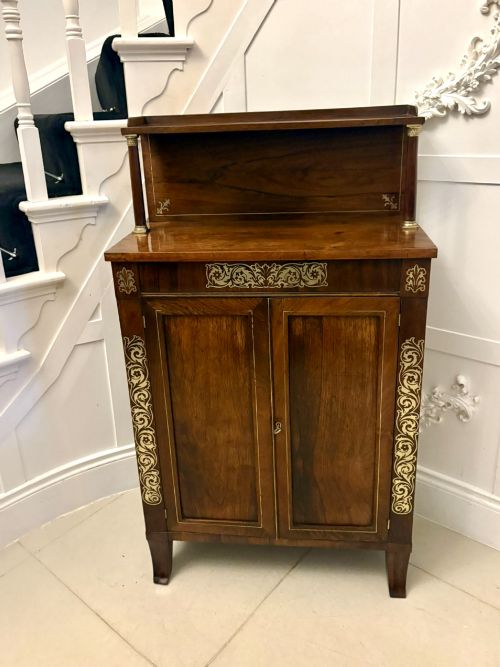
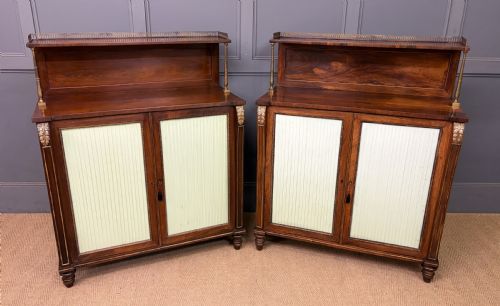
Decorative detailing relies on applied brass inlays, brass mounts, and brass grilles set into door panels. Some specialised variants include pleated fabric or mirror glass panels within the cabinet doors.
Some chiffonier doors hide secret collections of pleated silk behind brass wirework, keeping morning room secrets neatly veiled.
What varies in quality
Quality rests upon the selection and matching of timber veneers, particularly the depth of figure in flame mahogany and rosewood. Superior examples exhibit precise joinery and harmonious proportions across doors and structural frames.
The execution of brass inlay, mounts, and cast grilles distinguishes standard production from finer workshop output. Secondary woods and internal fittings likewise reflect the original tier of manufacture.
Gillows·Harrods
The Regency Period Sideboard Cabinet Glossary
- Chiffonier
- A low sideboard or cabinet, typically featuring enclosed shelving below and sometimes a raised superstructure. This form evolved during the early nineteenth century for drawing rooms and dining spaces.
- Flame mahogany
- A veneer cut from the fork of the mahogany tree to produce a distinctive, flickering flame-like grain pattern. Cabinetmakers prized this timber for principal facade surfaces.
- Goncalo Alves
- A dense exotic hardwood with striking contrasting dark brown and light brown figuring. Makers utilised this timber for decorative cabinets during the Regency period.
- Brass grille
- A fine metal lattice fitted into cabinet doors in place of wood or glass, allowing ventilation or concealing contents. These are frequently backed with pleated fabric.
Regency Period Sideboard Cabinet: Frequently Asked Questions
What is a regency period sideboard cabinet?
A regency period sideboard cabinet is a low storage piece or chiffonier produced during the early nineteenth century. These items were designed to hold dining accessories or display decorative objects in formal rooms.
They combine practical enclosed shelving with refined timber surfaces, incorporating brass inlays, grilles, or mirror glass panels.
How do I identify a regency piece?
Identification relies on architectural proportions, classical motifs, and characteristic timbers such as mahogany and rosewood. Pieces often feature brass mounts, stringing, or grillework typical of the early nineteenth century.
Comparing construction methods and secondary woods helps confirm the period of manufacture against Georgian and Victorian alternatives.
Where were these cabinets used?
These cabinets served primarily in dining rooms, morning rooms, and drawing rooms of grand houses. They functioned as serving surfaces, linen storage, or display units for porcelain and books.
Compact chiffoniers were particularly suited for smaller reception rooms where full-scale sideboards proved impractical.
How do I care for rosewood and mahogany?
Maintenance requires keeping timber cabinets away from direct sunlight and sudden temperature shifts to prevent veneer splitting. Regular dusting with a dry, soft cloth preserves the polish without chemical buildup.
Conditioning oils should be used sparingly and only when the wood appears dry, following traditional conservation practices.