


Regency Period Porcelain
Regency period porcelain comprises delicate teacups, botanical serving dishes and cabinet cups shaped by Georgian and Neoclassical tastes.
Regency Period Porcelain
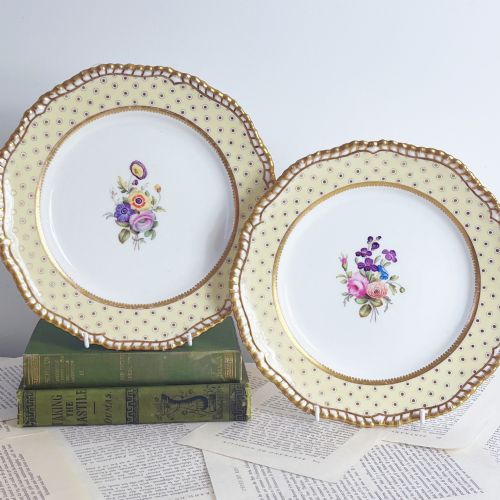
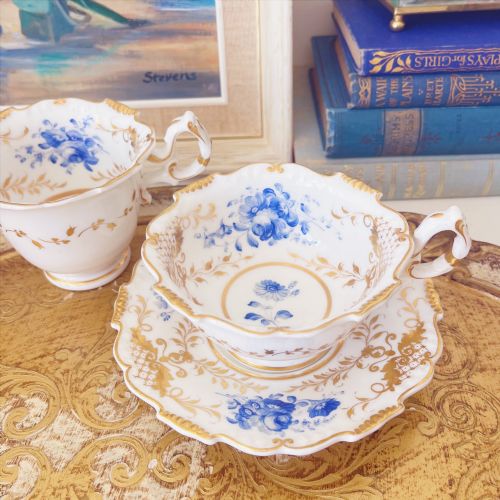
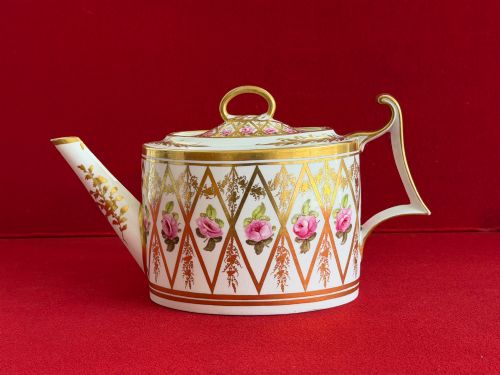
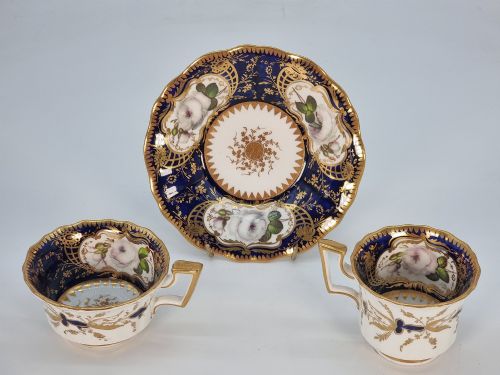
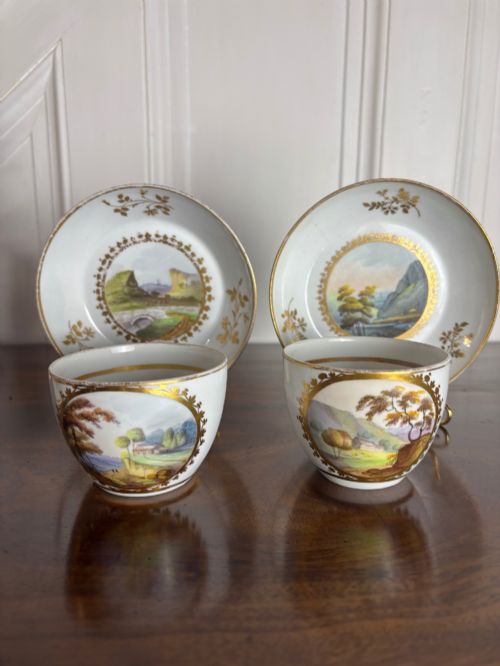
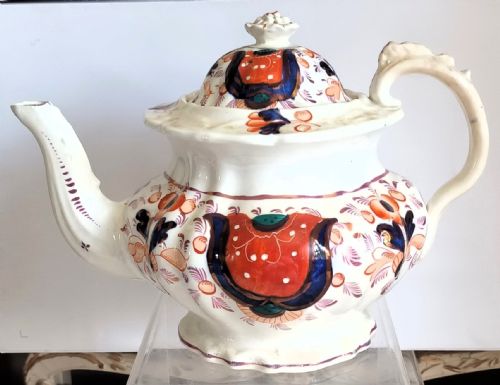
Regency period porcelain centres on functional and decorative tablewares produced during the early nineteenth century under Georgian and Regency styles. Buyers encounter various forms including teacups and saucers, dessert plates, spill vases, teapots and cabinet cups.
The selections on this page span British factories working in bone china, earthenware and porcelain, reflecting the transition from late eighteenth-century classical restraint to rich Regency Chinoiserie and French Restoration influences.
How they were made
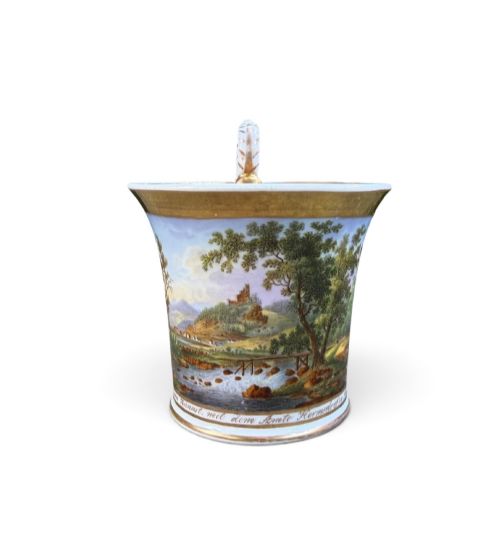
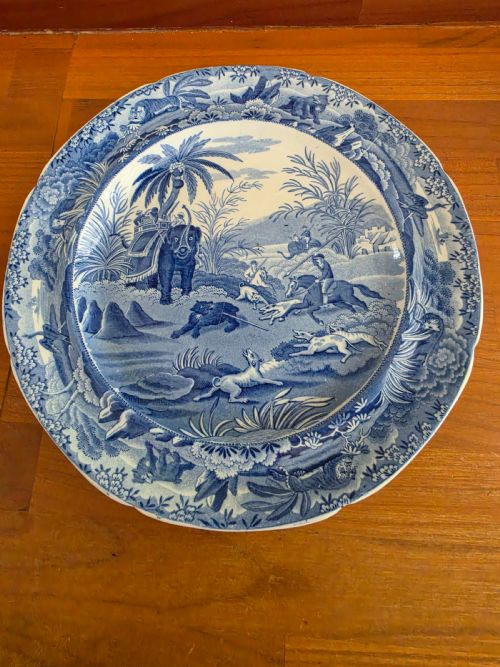
Potters shaped fine porcelain, bone china and earthenware bodies before applying white or coloured glazes as a smooth foundation for decoration. Factories such as Worcester, Spode and Minton employed skilled painters to execute botanical studies, topographical landscapes and armorial crests by hand.
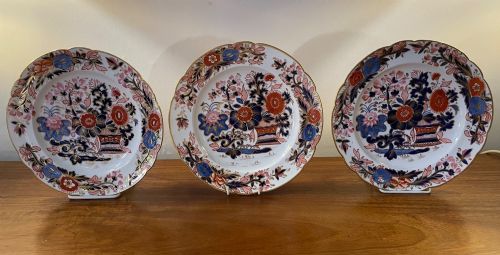
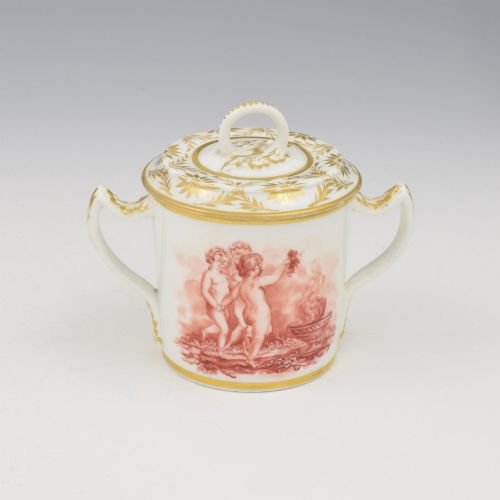
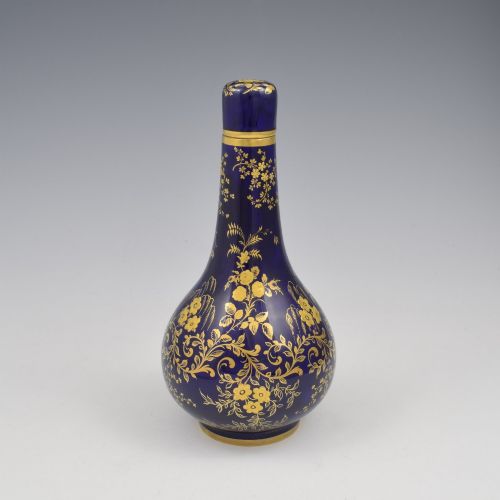
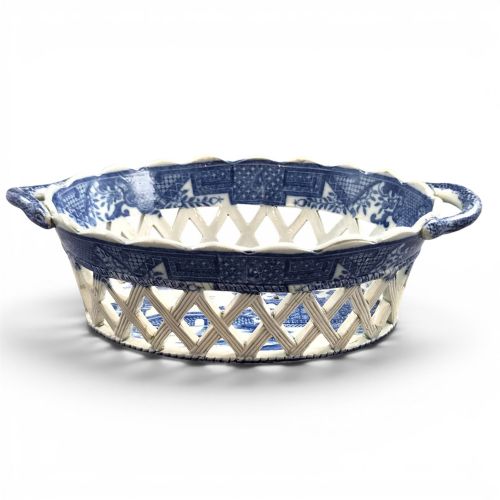
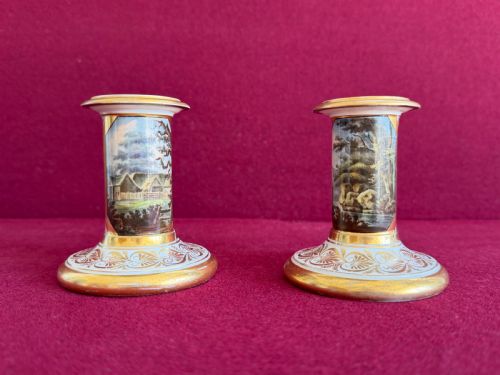
Makers integrated gold leaf and heavy gilding alongside vibrant enamels in Imari and Chinoiserie palettes. Moulded details, reticulated basketwork and applied figures further demonstrated the technical capability of these workshops.
Regency Period Porcelain Retail Price Guide 2026
Typical asking prices for regency period porcelain among the pieces listed under this phrase on Sellingantiques today, from the lower quarter to the upper quarter. They describe what is for sale here now, not the wider market.
Listings feature porcelain, bone china and earthenware decorated with gold leaf, enamel and glaze across Georgian and Regency periods.
What varies in quality
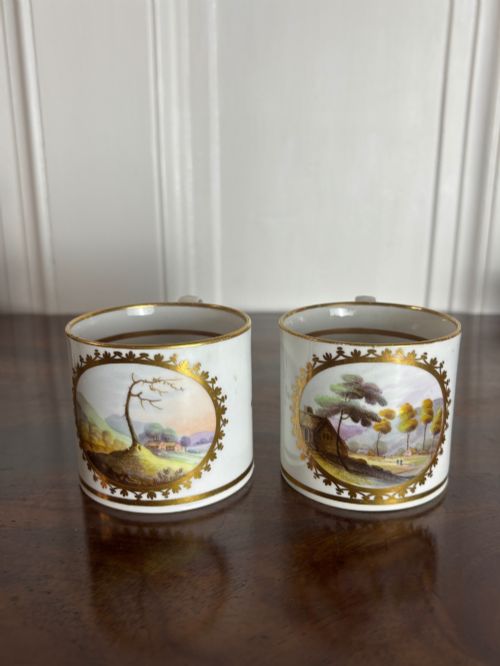
Quality rests upon the precision of the hand-painted decoration and the crispness of the porcelain moulding. Pieces featuring finely executed topographical scenes or detailed botanical studies by named decorators represent the upper echelon of the craft.
The sophistication of the glazing and the richness of the gilding separate standard production wares from exceptional cabinet pieces. Balanced proportions and successful kiln firings without surface distortion elevate the standing of individual vessels.
Spode·H and R Daniel·Derby Porcelain·Coalport·Barr Flight and Barr·Minton·Chamberlain Worcester·New Hall·C J Mason·Yates
The Regency Period Porcelain Glossary
- Bone china
- A type of porcelain strengthened by the addition of bone ash, producing a durable body with high translucency. This material became a staple for British factories during the Regency era.
- Imari palette
- A decorative scheme employing underglaze cobalt blue combined with iron red, green and gilt highlights. The style draws inspiration from Japanese export wares popularised in Europe.
- Reticulated
- Openwork decoration formed by cutting patterns through the unfired clay body before glazing and firing. This technique created delicate basketweave and pierced borders on dessert services.
- Armorial
- A heraldic crest or coat of arms painted onto ceramic services for landed families. These bespoke commissions represent significant documentary value.
- Pastille burner
- A small ceramic vessel designed to diffuse fragrant pastilles through pierced lids. They took architectural or decorative forms during the Regency period.
Regency Period Porcelain: Frequently Asked Questions
How do I identify Regency porcelain?
Look for neoclassical shapes, vibrant enamel palettes and gilt highlights typical of the early nineteenth century. Factory marks, pattern numbers and distinctive body types like bone china help confirm the period.
Compare the weight, glaze texture and painting style against documented examples from major factories such as Worcester, Spode and Minton.
Can I use these antiques daily?
Most Regency porcelain functions best as decorative display or light occasional use due to delicate handles and sensitive enamel decorations. Hand washing in lukewarm water preserves the fragile gold leaf and painted surfaces.
Avoid thermal shock from boiling water or dishwashers, which damages historic glazes and destabilises old bodies.
What is a cabinet cup?
A cabinet cup is a decorative vessel intended for display in a collector's cabinet rather than practical tea consumption. These pieces often feature intricate topographical views, portraits or raised gilding.
They frequently include matching saucers and showcase the finest painting abilities of the factory's artists.
Why are some pieces unmarked?
Many early nineteenth-century factories relied on paper labels, pattern numbers or distinctive potting characteristics rather than permanent stamps. Unmarked pieces often still show clear stylistic attribution to specific workshops.
Form, paste composition and palette details usually provide enough evidence to identify the maker without a factory mark.