



Regency Oval Side Tables
Regency oval side tables combine sleek classical proportions with practical surfaces, offering a refined focal point for any classical or modern interior.
Regency Oval Side Tables
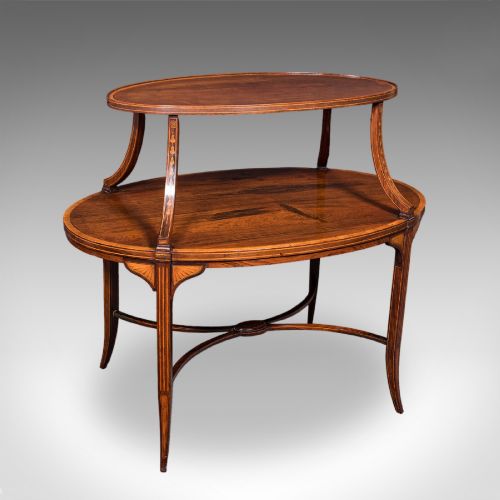
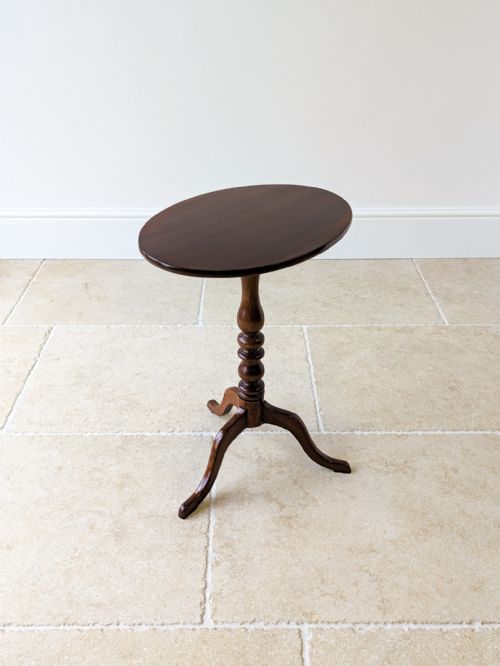
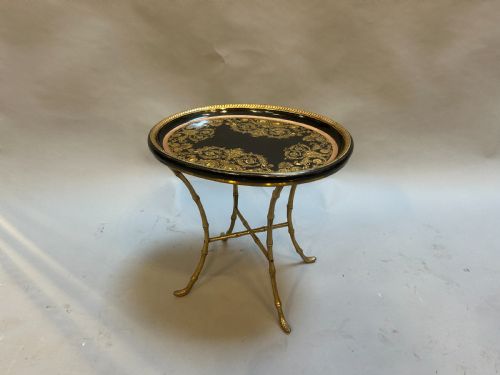
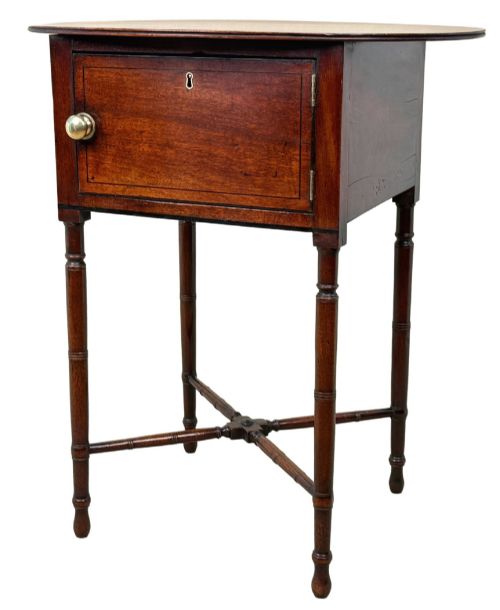
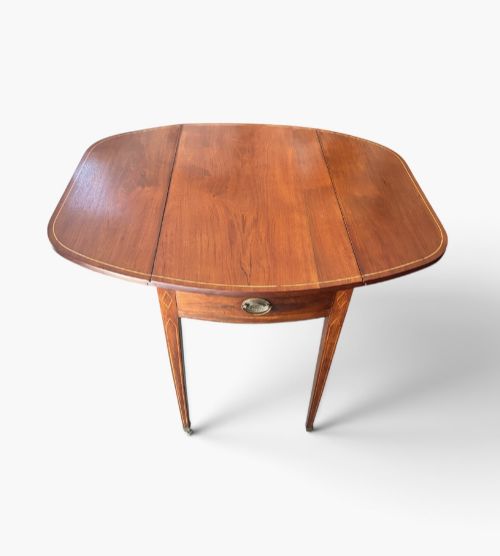
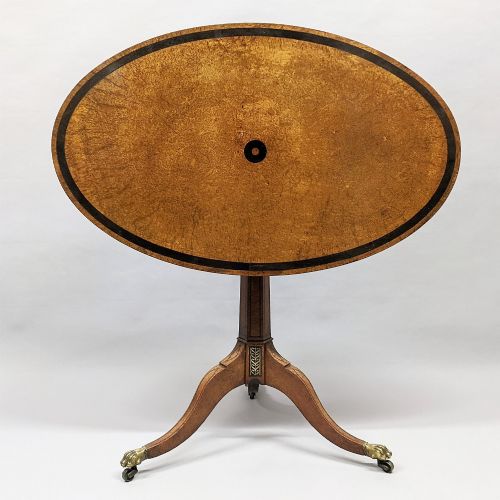
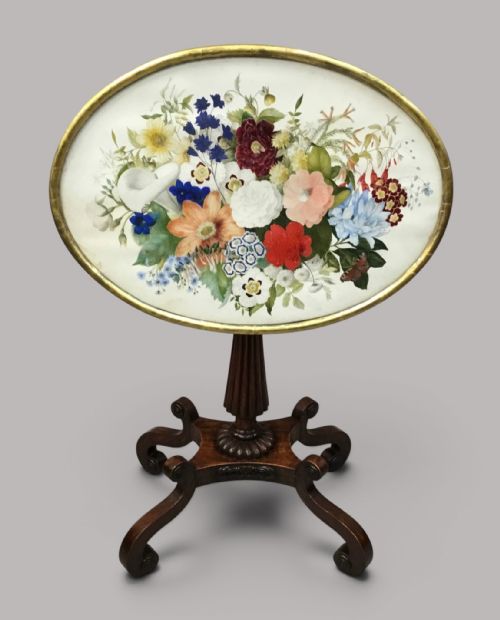
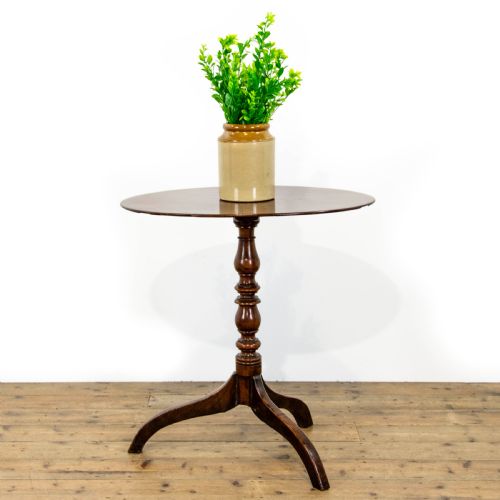
When you search for regency oval side tables, you are looking at graceful occasional furniture designed for compact spaces and versatile domestic use. These pieces include tilt-top wine tables, Pembroke tables with drop leaves, and specialised lamp or tray stands dating from the Georgian and Regency eras.
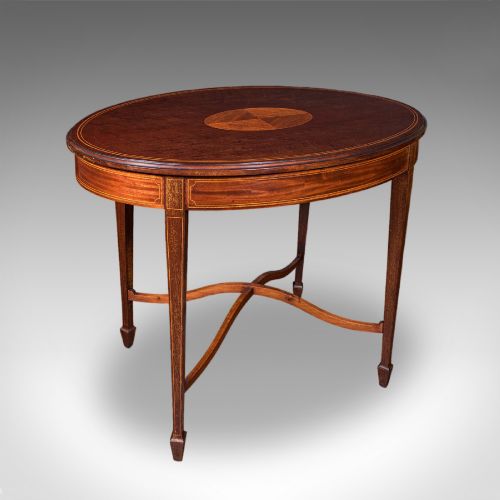
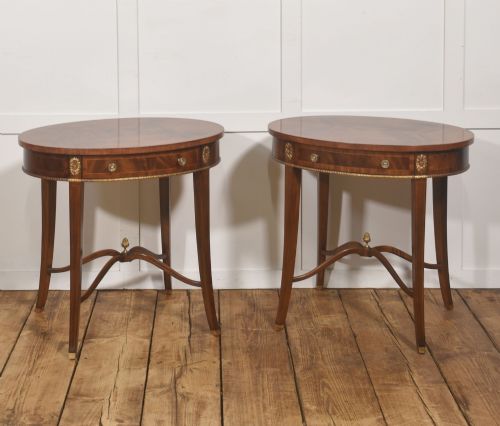
The versions you are most likely to meet on this page span the late eighteenth century through to later twentieth-century revivals. They typically feature smooth oval tops supported by pillar-and-tripod bases or slender tapered legs.
Makers utilised various native and exotic timbers to achieve sophisticated surface patterns, creating items that served both decorative and utilitarian purposes in the historic home.
Materials and construction
Cabinetmakers constructed these tables using solid mahogany or applied flame mahogany veneer over secondary woods to create striking figured surfaces. Contrasting stringing in boxwood or ebony frequently outlines the oval tops and edges, adding linear definition.
More decorative examples incorporate papier-mâché, lacquer, or delicate painted decoration directly onto the surface of the timber. Brass castors, hinges, and tilting mechanisms provide functional articulation for folding stands and tilt-top mechanisms.
Regency Oval Side Tables Retail Price Guide 2026
Typical asking prices for regency oval side tables among the pieces listed under this phrase on Sellingantiques today, from the lower quarter to the upper quarter. They describe what is for sale here now, not the wider market.
Materials documented across these tables include exotic amboyna and ebony alongside traditional mahogany and brass.
Assessing quality
The distinction between ordinary and exceptional pieces rests primarily on the choice of timber and the precision of its application. Highly figured flame mahogany veneers and crisp boxwood stringing elevate a piece far above plain, unadorned surfaces.
Structural integrity and originality of elements also dictate worth. Tables retaining their original tilt mechanisms, painted finishes, and period brass fittings demonstrate superior craftsmanship compared to heavily altered or later replacement examples.
The Regency Oval Side Tables Glossary
- Tilt-top
- A table mechanism allowing the top to pivot vertically when not in use. This clever design saved valuable floor space in cramped period drawing rooms.
- Pembroke table
- A small rectangular or oval table featuring two hinged drop leaves. It gained popularity during the Georgian period for breakfast or light writing tasks.
- Tripod base
- A pedestal support terminating in three spreading feet. It ensures stability on uneven historical floorboards while maintaining a light visual footprint.
- Flame mahogany
- A highly figured wood grain resembling flickering flames. Cabinetmakers reserved this prized veneer for the most prominent surfaces of fine furniture.
Regency Oval Side Tables: Frequently Asked Questions
What were regency oval side tables used for?
These versatile tables served numerous domestic functions in the principal rooms of a house. They held tea services, lamps, wine decanters, or reading materials beside seating furniture.
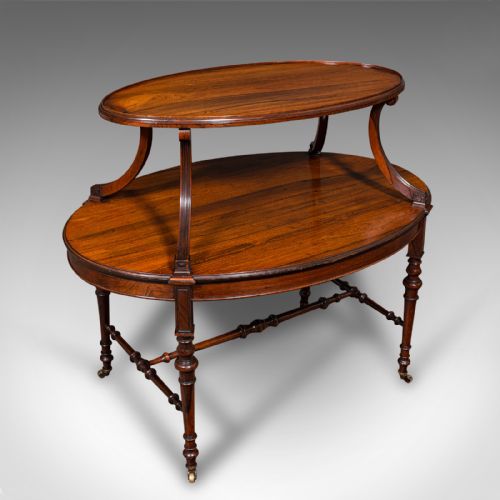
Portable versions with folding stands also functioned as butler's trays for serving refreshments across different levels of the home.
What is flame mahogany?
Flame mahogany is a decorative wood veneer harvested from the fork or branch junctions of the tree. The cutting process exposes a dramatic, undulating grain pattern resembling dancing flames.
Craftsmen matched these veneers symmetrically across table tops to create striking visual symmetry.
Are all these tables from the regency period?
While many pieces originate from the authentic Regency and Georgian eras, the listings also include later twentieth-century interpretations. Revival pieces from around nineteen-ten and nineteen-twenty frequently replicated earlier classical designs.
Inspect the secondary timbers, fixings, and overall wear to distinguish original eighteenth-century work from later craftsmanship.