

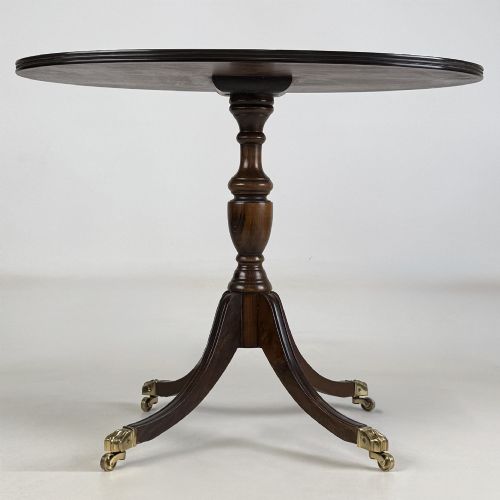
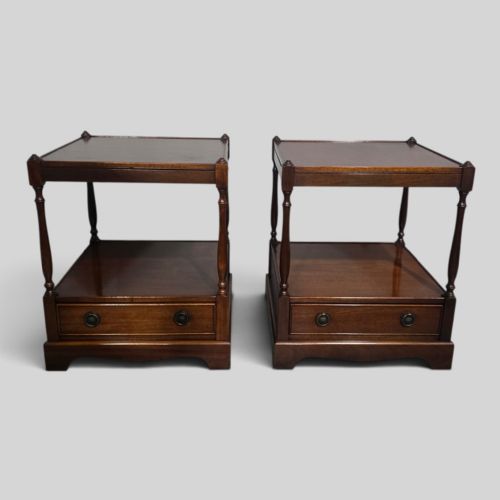
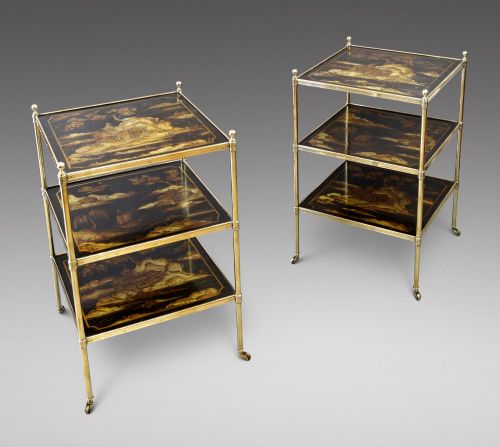
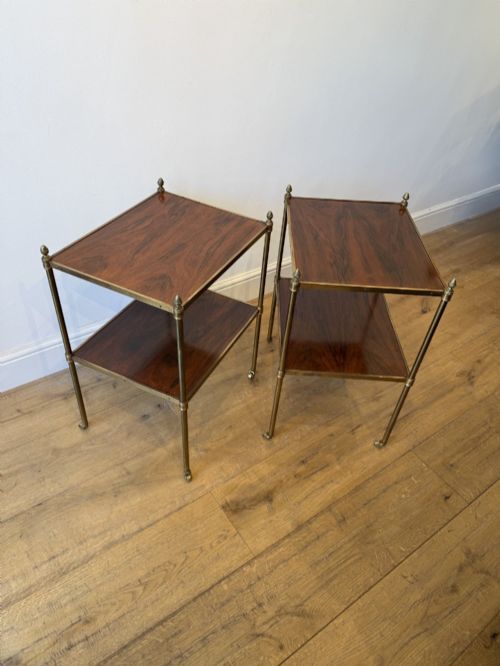
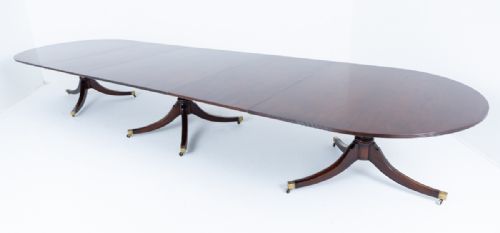


Regency Style End Table
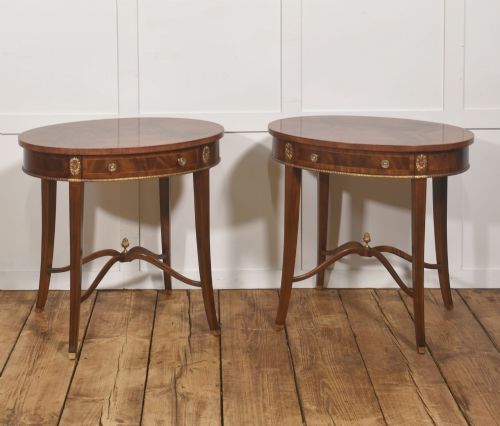
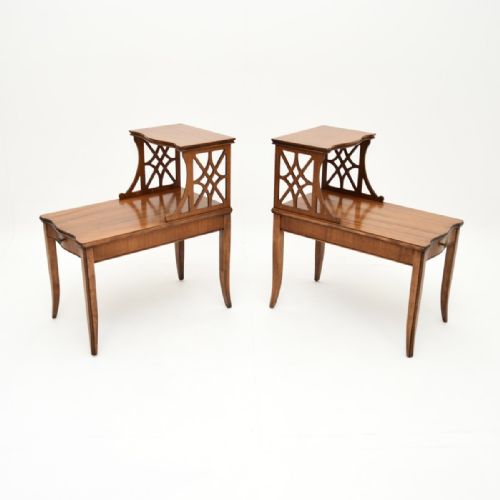
A regency style end table brings classical restraint and rich timber into a room, offering a neat surface for a lamp or a book.
Regency Style End Table
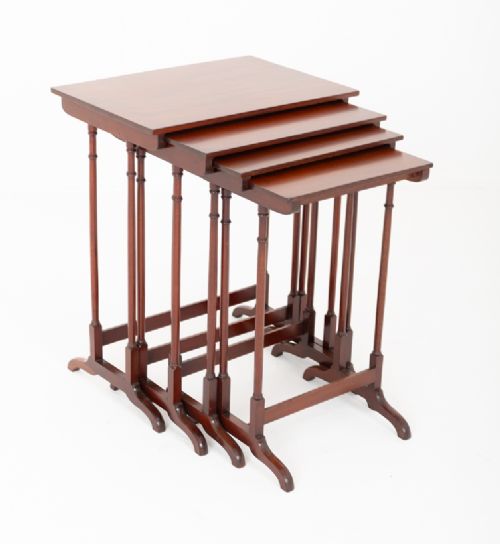
When you search for a regency style end table, you encounter compact side tables, lamp tables, and occasional pieces that draw upon classical proportions. The examples seen here range from genuine nineteenth-century pieces to twentieth-century revivals.
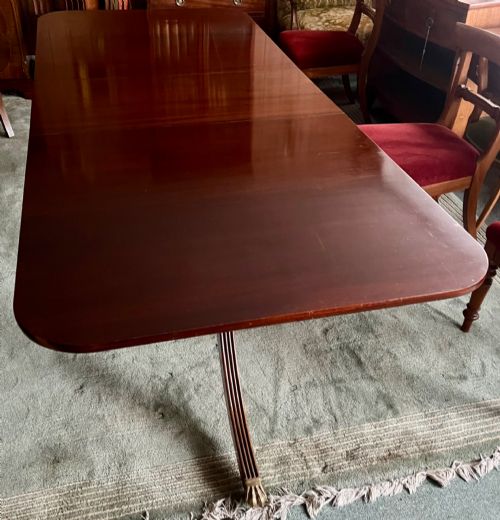
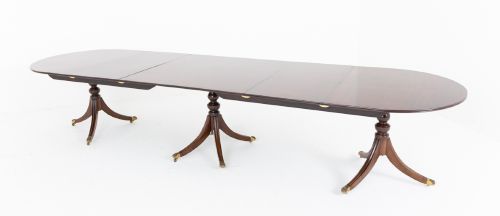
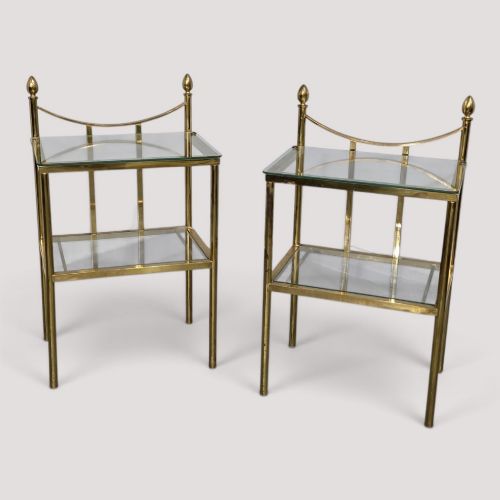
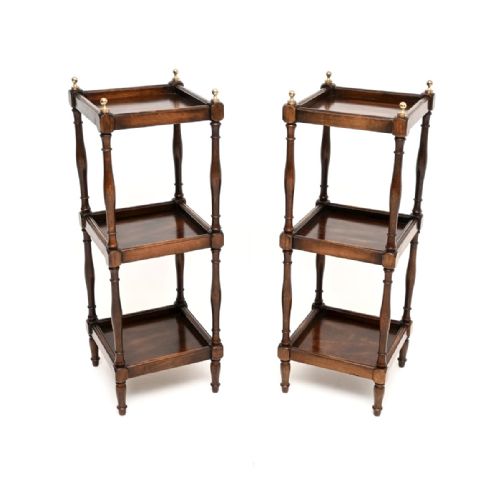
Mahogany forms the core of what you meet, often accompanied by rosewood, yew wood, or burr oak. Forms span simple single-drawer occasional tables to two-tier etageres and D-end formats.
Makers and designers from the period, such as Gillows or George Smith, inspire many of the revival pieces that populate the market alongside older items.
How they were made
Cabinet makers utilised dense hardwoods like mahogany and rosewood, frequently applying veneers to exposed surfaces to display figured grain patterns. Inlays of boxwood or brass details provided linear contrast.
Turning and pillar construction support the surfaces, while leather inserts appear on specific side table tops for writing or games. Joinery relies on traditional methods to secure stability across pedestals and legs.
A specimen wood games table invites endless distraction while you try to identify every single timber species used in the top.
What varies in quality
The choice of timber underpins the distinction between standard examples and finer items, with burr oak, birds-eye maple, and figured mahogany commanding attention. The crispness of brass mounts and inlaid stringing also dictates standard.
Proportion and execution separate routine revival pieces from those executed in the manner of established workshops. Subtlety in the turning and stability of the frame complete the assessment.
William and Gibton·Mallett·Gillows·Peter Ghyczy·George Smith
The Regency Style End Table Glossary
- Regency revival
- A period of reproduction furniture from the late nineteenth and early twentieth centuries that copies the motifs of the early nineteenth century.
- Etagere
- A set of open shelves or tiers used for display or as a side table.
- D-end
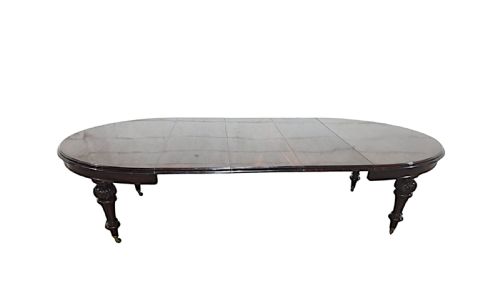
- A table end shaped in a semicircle resembling the letter D, often used in modular dining and side arrangements.
- Occasional table
- A small, movable table designed for specific, intermittent use rather than central daily service.
- Stringing
- A narrow strip of contrasting wood inlaid into the surface of a piece for decoration.
Regency Style End Table: Frequently Asked Questions
Where should I place an end table?
These tables sit comfortably beside a sofa or chair to hold reading material and lamps. Their compact footprint also suits hallways as small console surfaces.
Position them where the wood grain catches indirect light to appreciate the polished surface and finish.
How do I care for mahogany surfaces?
Apply bees wax occasionally and buff with a soft cloth to maintain the lustre of the timber. Avoid placing them near direct heat sources that might dry the wood.
Keep moisture off the polished top by using coasters under glasses and mugs.
Are these tables solid wood?
Many examples combine solid framing with fine veneers applied to tabletops to display figured grain patterns. Secondary timbers often support the internal structure beneath the decorative exterior.
Check the edges of tabletops to understand how the timber construction was assembled.
How can I tell a revival piece from an older one?
Look closely at the construction methods, secondary woods, and wear patterns on the underside of the frame. Twentieth-century revivals often utilise uniform machining while older items show hand-tool marks.
Compare the style of the brasswork and turning against known historical periods to confirm the date.