
Regency Occasional Side Table
A regency occasional side table brings compact elegance to a room, offering functional surfaces through finely turned pedestals and figured woods.
Regency Occasional Side Table
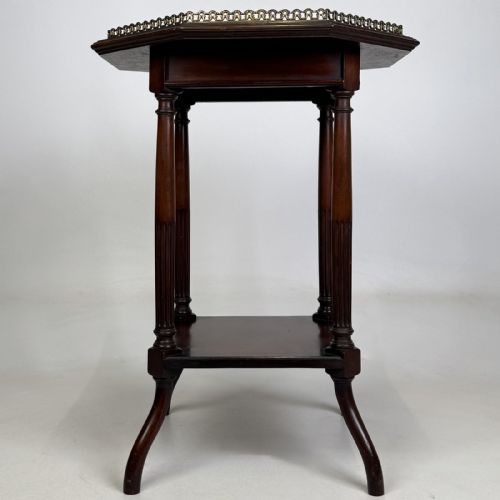
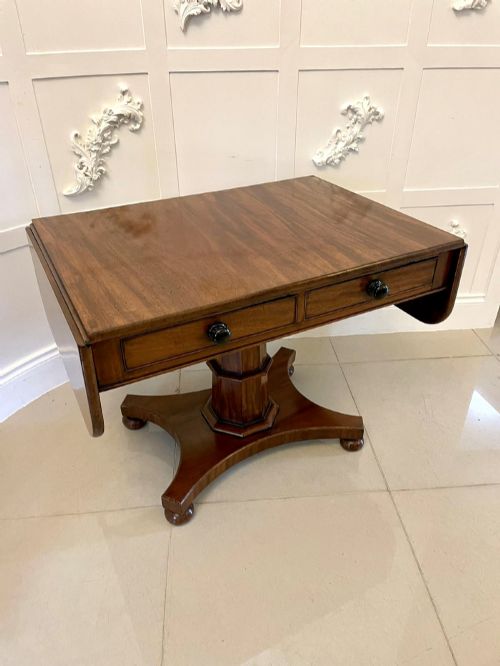
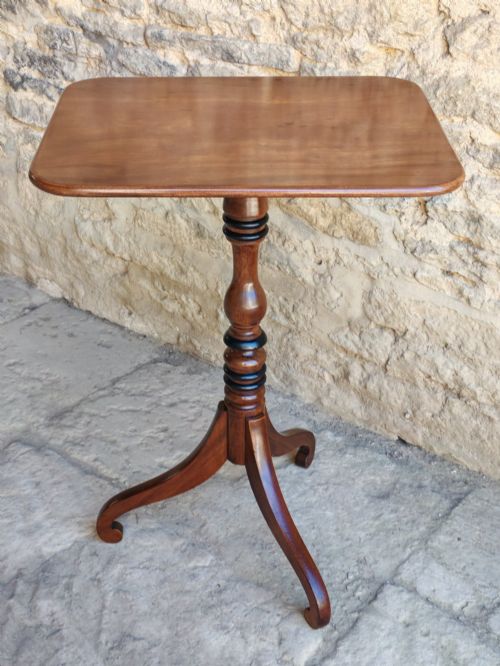
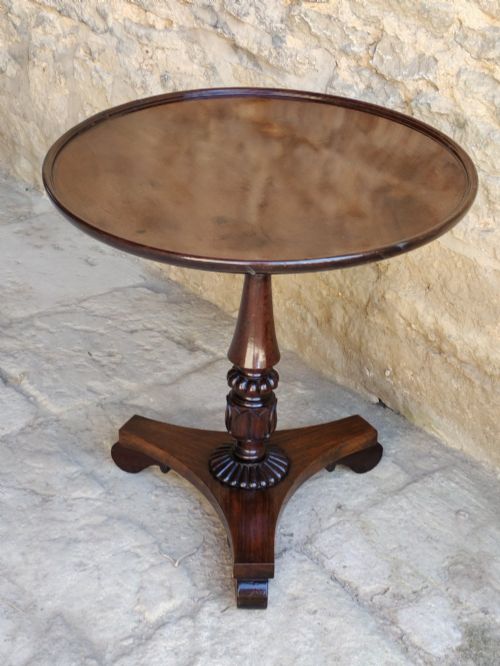
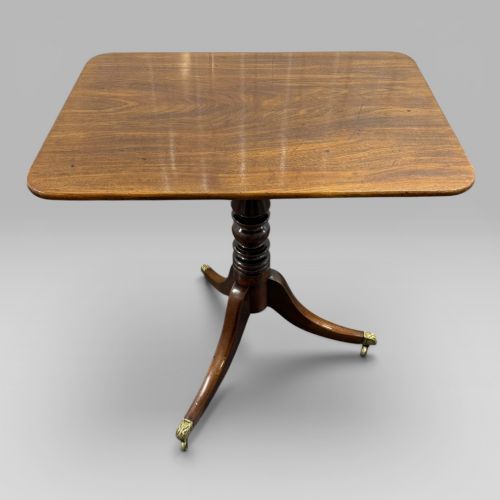
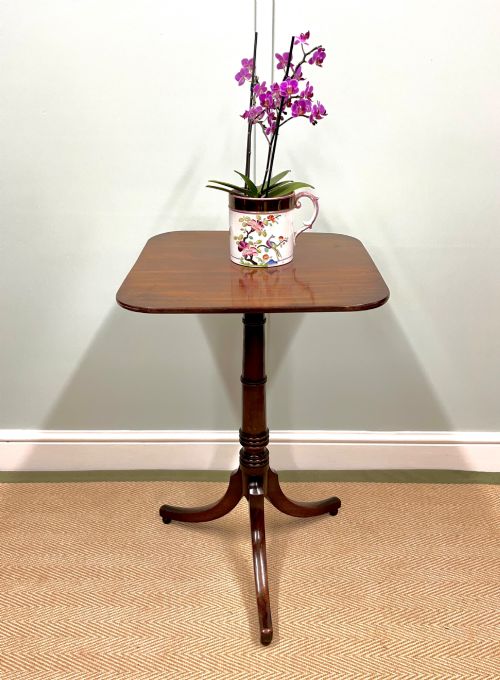
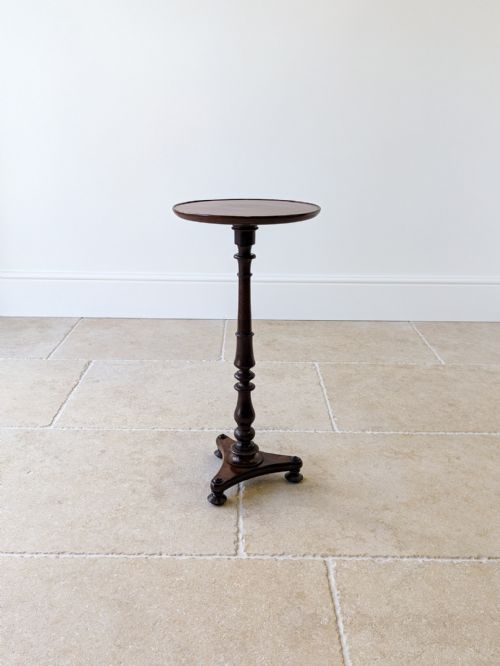
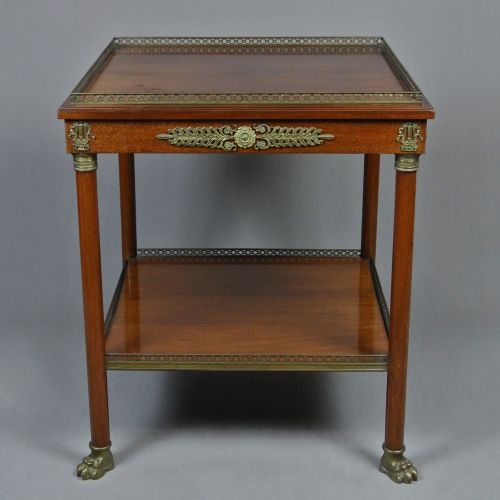
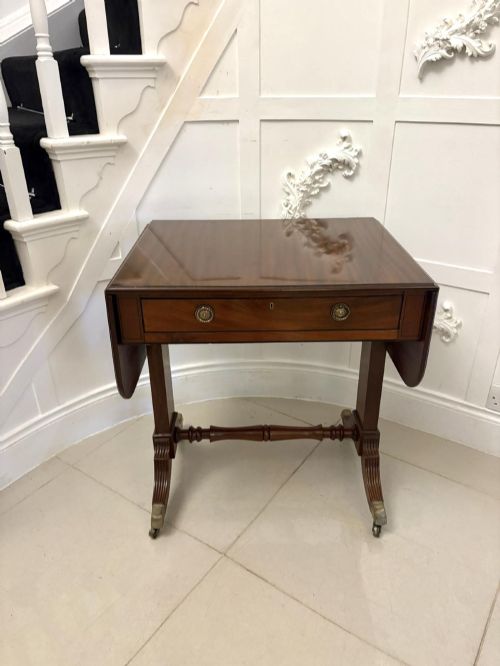
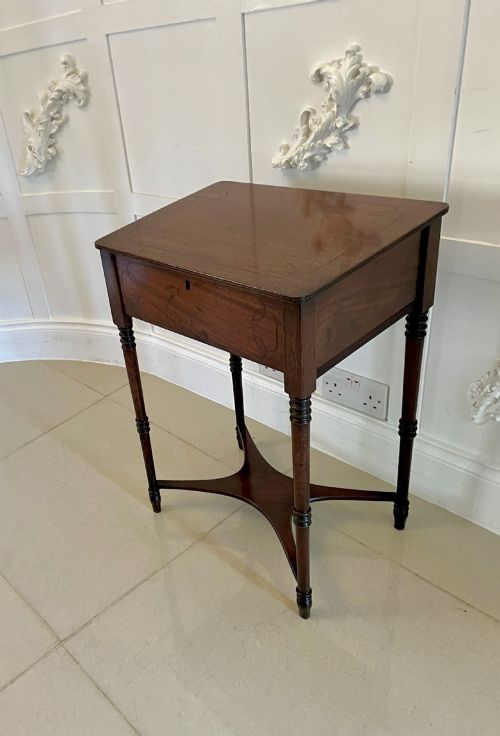
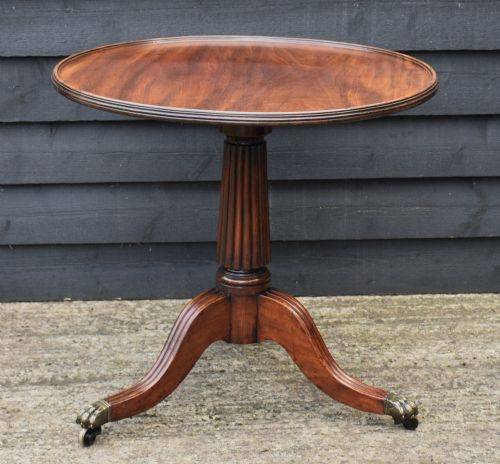
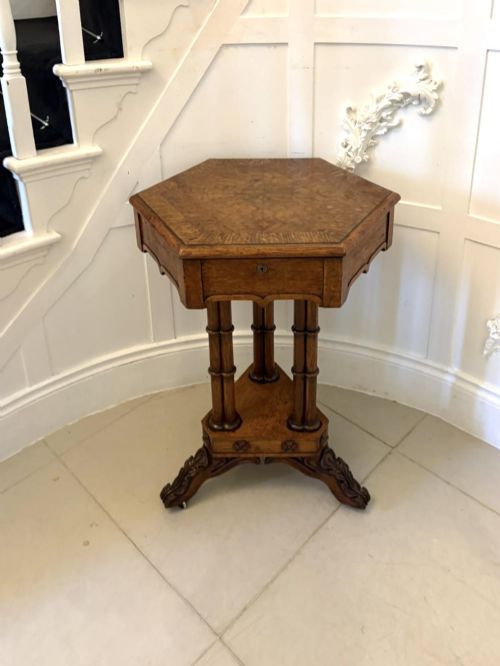
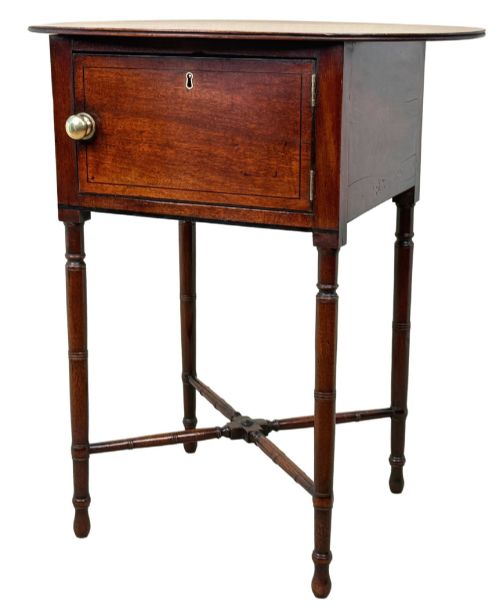
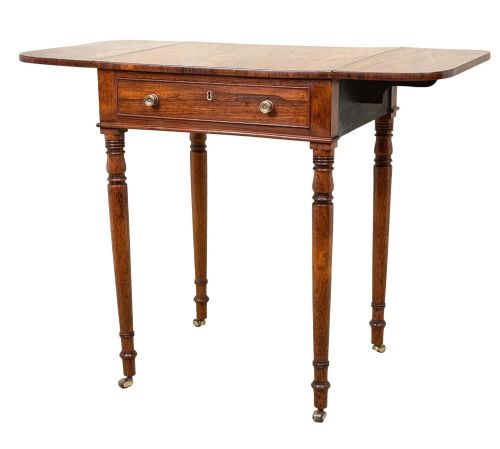
A regency occasional side table encompasses a diverse group of compact furniture designed for specific domestic tasks. The selections here span forms such as Pembroke tables, tripod tea tables, work tables, and drum tables alongside standard side and occasional pieces. Most items date from the nineteenth century, including the Regency period itself and the Georgian era, while later revivals from the twentieth century also appear.
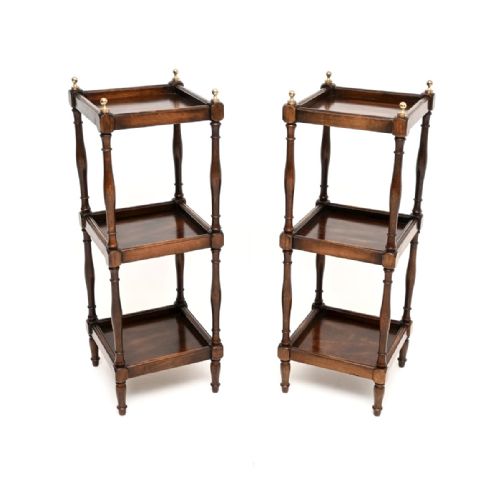
Makers and regional workshops utilised various specific forms to suit the refined interiors of their day. Buyers encounter freestanding sofa tables, nesting sets, and tiered lamp tables constructed in dense timbers. The variety ranges from Scottish satinwood and Ceylonese ebony to more common mahogany and rosewood variants.
How they were made
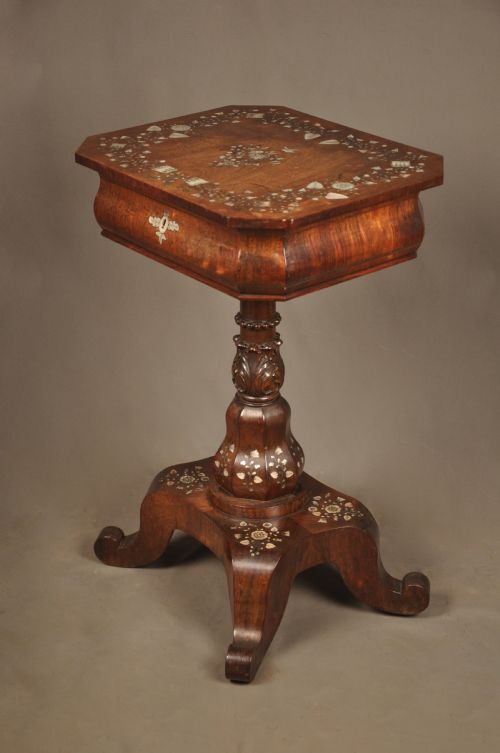
Cabinetmakers worked predominantly with solid mahogany and rosewood, frequently employing veneers of pollard oak, satinwood, and olive to create striking surface patterns. Inlays of boxwood and brass stringing added geometric contrast to table tops. Structural stability relied on turned central pedestals resting on tripod legs or heavy platform bases.
Specialised pieces incorporated functional elements such as revolving tops, drop leaves, lift tops, and tooled leather surfaces. Metalwork appeared in cast brass feet, gilt metal mounts, and lacquered brass tiers. Surface finishes often included polish that highlighted the natural grain of the timber.
Maltese patience tables turn up here, built for solitary card games played in sunlit island rooms.
What varies in quality
The refinement of a regency occasional side table depends heavily on the selection of timber veneers and the crispness of carved details. Superior examples exhibit tightly figured rosewood or satinwood matched symmetrically across the top, whereas simpler pieces use plain mahogany planks. Carved acanthus leaves on pedestals or reeded legs show the hand of a skilled artisan rather than mechanical production.
Proportion and structural integrity dictate the standing of individual items. Tables with original brass castors, smooth drawer actions, and tight joints retain their intended balance. Finer variations also display subtle stringing and marquetry that integrate harmoniously into the overall design.
Gillow
The Regency Occasional Side Table Glossary
- Pembroke table
- A small rectangular table with hinged flaps on either side that can be raised to extend the surface area.
- Tripod table
- A small freestanding table supported by a central pillar resting on three legs.
- Sofa table
- A rectangular table designed to stand in front of a sofa, typically featuring drop leaves and end supports.
- Drum table
- A circular library table with a deep top resembling a drum, often containing drawers around the perimeter.
- Work table
- A small table fitted with drawers or a fabric bag for needlework and domestic crafts.
Regency Occasional Side Table: Frequently Asked Questions
What is a regency occasional side table used for?
These tables served various domestic functions such as holding lamps, supporting tea services, or providing a surface for needlework. Their compact size allowed them to move easily around a room as needed.
Today, they function well beside seating or as accent pieces in hallways and drawing rooms, holding books or decorative objects.
How do I identify a Regency period table?
Regency pieces typically date from the early nineteenth century and feature classical motifs inspired by Greek and Roman design. Look for reeded legs, brass paw feet, and dense timbers like mahogany and rosewood.
Later revival pieces from the twentieth century often mimic these proportions but lack the specific patination and construction methods of the original era.
Where should I place a tripod wine table?
Tripod wine tables suit small spaces due to their narrow footprint and central pedestal. They work effectively beside armchairs or between seating to hold drinks or small lamps.
Their tilting tops, found on many period examples, allow the table to store flat against a wall when not in use.