



Regency Mother of Pearl Box
A regency mother of pearl box is a refined desktop or dressing table container designed to hold jewellery, tea, or writing materials.

Regency Mother of Pearl Box
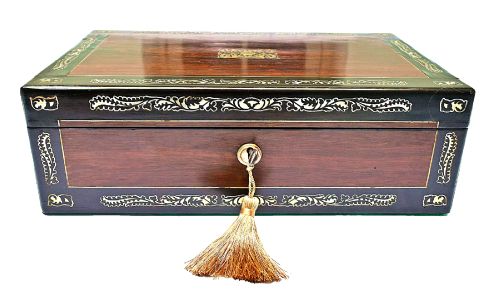
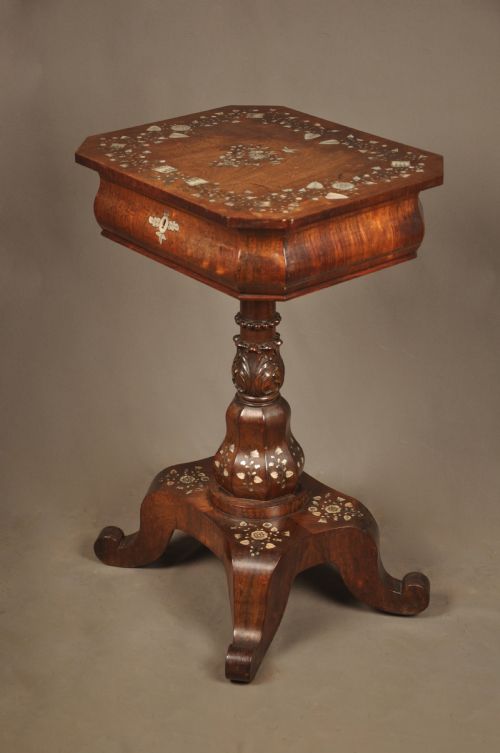
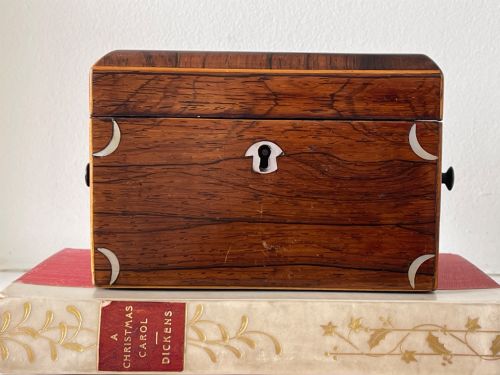
A regency mother of pearl box brings together polished exotic hardwoods and iridescent shell inlay in portable desk accessories, tea caddies, and sewing boxes. These pieces originate predominantly from the Regency, Georgian, and William IV periods, alongside later nineteenth-century interpretations.
Buyers frequently encounter rosewood and coromandel wood bodies embellished with intricate geometric or foliate mother of pearl details. Interiors often retain original silk linings, compartments, or fitted glass inkwells and gold fittings.
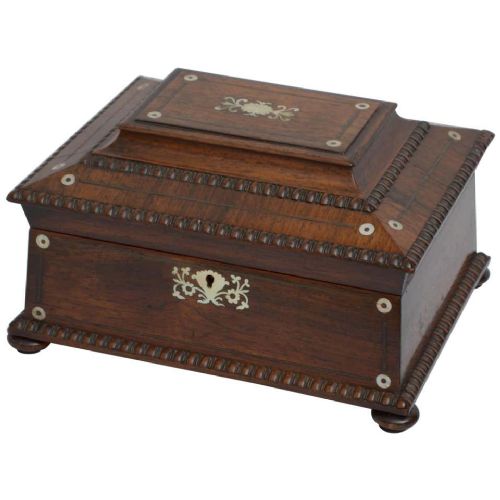
The functional forms vary widely from sarcophagus-shaped sewing boxes and glove boxes to gentleman's table cabinets and tabletop writing slopes. Each serves as a tangible link to early nineteenth-century domestic organisation and luxury.
How they were made
Cabinetmakers constructed the foundational carcases from dense timbers such as rosewood, coromandel, and amboyna, frequently shaping them into sarcophagus or rectangular forms. They prepared precise recesses within the timber surface to receive thin, carefully cut plates of lustrous mother of pearl.
Craftsmen secured the shell inlay using animal glue, often engraving delicate surface details into the pearl before polishing the entire exterior to a high gloss. Brass stringing, escutcheons, and leather accents frequently complemented the shell and wood construction.
Regency Mother of Pearl Box Retail Price Guide 2026
Typical asking prices for regency mother of pearl box among the pieces listed under this phrase on Sellingantiques today, from the lower quarter to the upper quarter. They describe what is for sale here now, not the wider market.
Someone once carved a snuff box to resemble a slipper because ordinary rectangles simply lacked imagination.
What varies in quality
The standard of a regency mother of pearl box rests upon the selection of timber grain and the precision of the shell inlay. Superior examples display tightly fitted pearl motifs integrated flush with the polished wood surface, rather than crude surface adhesion.
Internal appointments heavily influence overall grade, with original silk linings, intact gold fittings, and complete compartmentalised trays marking the upper echelon of surviving pieces. The complexity of the object type, from simple snuff boxes to elaborate multi-compartment writing desks, dictates the ambition of the original maker.
George Austin
The Regency Mother of Pearl Box Glossary
- Mother of pearl
- The iridescent internal layer of mollusc shells, utilised extensively for decorative inlay on nineteenth-century boxes. Its natural sheen catches light differently from various angles.
- Sarcophagus
- A box shape featuring a domed or sloping lid resting on a rectangular base, characteristic of many larger tea caddies and workboxes from the Regency era.
- Writing slope
- A portable slant-topped desk hinged to fold flat, fitted internally for stationery, pens, and inkwells. Many incorporate secret drawers beneath the writing surface.
- Stringing
- Thin inlaid lines of contrasting wood or metal used to outline panels and geometric borders on cabinet furniture and decorative boxes.
- Escutcheon
- A protective plate surrounding a keyhole, usually cast in brass and integrated into the front panel of a box.
Regency Mother of Pearl Box: Frequently Asked Questions
What were these boxes used for?
These decorative containers served specific domestic functions in the Georgian and Regency periods, housing loose leaf tea, writing implements, sewing gear, or precious jewellery. Their portable nature allowed owners to move them between rooms or secure valuables inside private chambers.
Larger variants functioned as desktop writing desks or gentleman's cabinets, keeping correspondence and personal effects orderly. The incorporation of mother of pearl signalled status and refined taste to visitors.
How do I date a box?
Dating relies upon examining the timber species, construction techniques, hardware, and overall stylistic markers such as neoclassical lines or William IV proportions. Secondary woods inside drawers and the style of hinges or locks offer reliable clues regarding the decade of manufacture.
Documentation or signatures from recorded makers provide definitive chronological anchors. Stylistic shifts from late eighteenth-century restraint to exuberant mid-nineteenth-century ornamentation help narrow the timeframe.
How should I care for rosewood and pearl?
Keep these sensitive objects away from direct sunlight, extreme temperature fluctuations, and high humidity to prevent timber warping and shell delamination. Dust gently with a dry, soft cloth and avoid chemical polishes that can degrade nineteenth-century finishes.
Maintaining stable indoor environments preserves fragile silk linings and prevents the animal glues holding the inlay from failing. Occasional gentle waxing of the wood carcase helps retain the natural lustre of the timber.
Are interiors usually original?
Surviving interiors vary significantly, with many pieces retaining their original fitted silk compartments, velvet pads, or gold-tooled leather writing surfaces. However, centuries of use mean that some liners and paper linings represent later restorations.
Original glass inkwells, removable trays, and miniature lidded compartments add considerably to the historical integrity of a piece. Inspecting the wear patterns inside helps determine whether the layout remains undisturbed.