
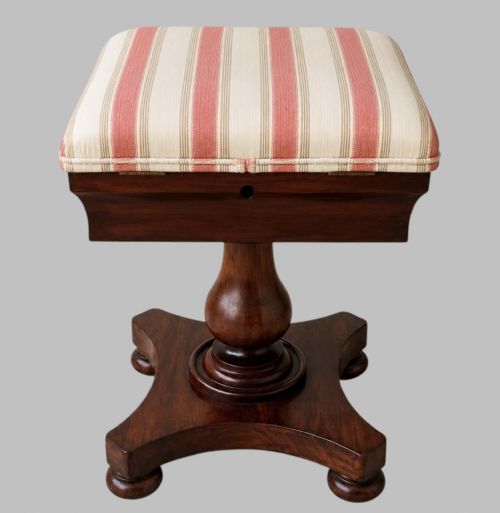


Regency Mahogany Vanity Box
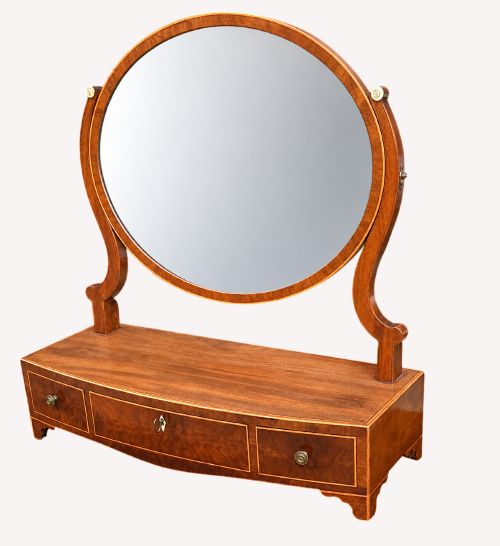
A regency mahogany vanity box gives you a portable mirror and lidded compartments for grooming gear, built in rich red timber during the early nineteenth century.
Regency Mahogany Vanity Box
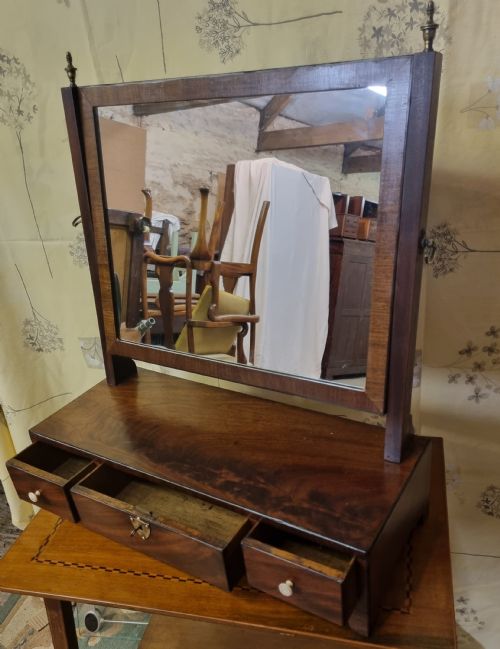
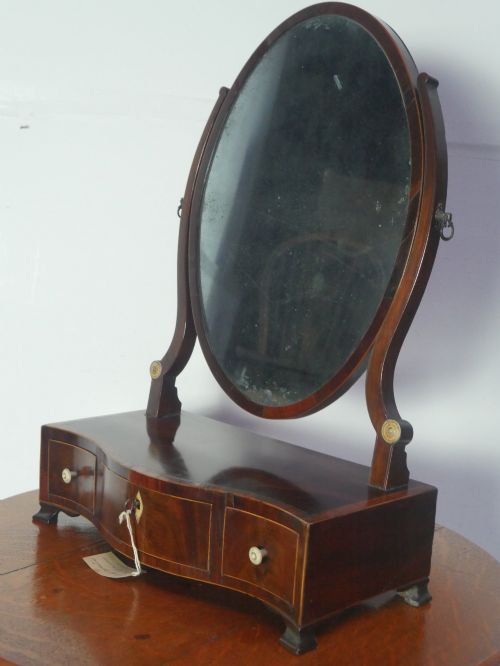
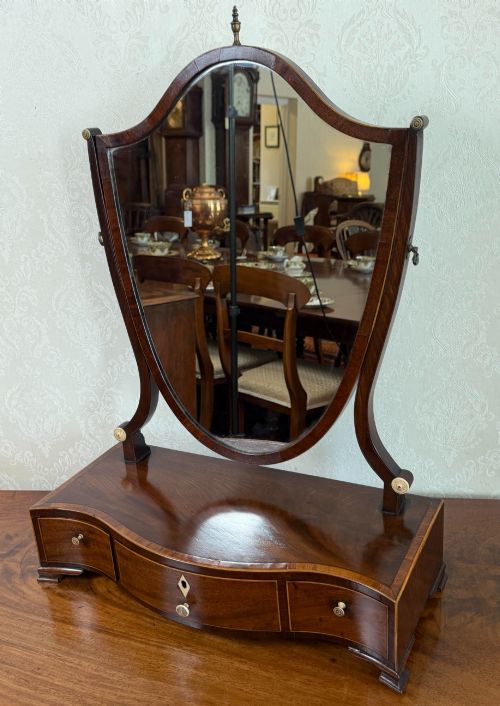
A regency mahogany vanity box combines a tabletop glass with lidded compartments for personal grooming and writing gear. The pieces on this page span the Georgian, Regency, William IV, and Victorian eras, taking the form of dressing table mirrors, swivel mirrors, and occasional sewing box stools.
You will most frequently meet dressing table mirrors and toilet mirrors framed in dark red wood, often featuring small drawers in the base. These items sat upon chests and dressing tables in bedrooms and boudoirs to assist with morning toilette.
How they were made
Cabinetmakers built these pieces primarily from solid and veneered mahogany, incorporating secondary timbers like boxwood for fine stringing and inlay. Glass forms the pivoting mirror plates, while brass provides sturdy hinges, lock plates, and adjustment screw knobs.
Bone and satinwood appear as decorative details for escutcheons and interior fittings, matching the refined standards of the period. Skilled joiners shaped the swivel frames to hold mirrors securely between upright supports while allowing smooth rotation.
Materials recorded across the selection include brass, bone, boxwood inlay, and mirror glass paired with primary mahogany timbers.
What varies in quality
The refinement of the timber grain and the precision of the boxwood inlay set the finer examples apart from simpler utilitarian pieces. Crisp turning on the support pillars and well-fitted drawer boxes show the hand of a superior workshop.
Proportion and balance dictate the visual success of a dressing mirror, where heavier frames require sturdy, well-balanced bases to prevent tipping. Original brass hardware and clear, undistorted mirror glass further elevate the standing of a piece.
The Regency Mahogany Vanity Box Glossary
- Toilet mirror
- A small mirror designed to stand on a dressing table or chest of drawers. These portable looking glasses often incorporate small trinket drawers in the base plinth.
- Swivel mirror
- A glass plate hung on pivots between two upright arms so it can tilt to various angles. The mechanism relies on threaded brass side knobs.
- Boxwood inlay
- Contrasting pale wood strips set flush into the darker mahogany surface to create geometric borders and lines. This decorative technique highlights the edges of drawers and framing.
- Escutcheon
- A small protective plate of bone, brass, or ivory surrounding a keyhole. It prevents the wood from splintering around the lock.
Regency Mahogany Vanity Box: Frequently Asked Questions
What is a regency mahogany vanity box used for?
These pieces served as portable grooming stations for holding cosmetics, brushes, and small personal valuables during the nineteenth century. The lidded compartments kept daily accessories organised on top of a bedroom chest.
Today, they function as practical dressing table mirrors that offer concealed storage for modern trinkets and jewellery. Their compact proportions allow them to fit easily onto contemporary surfaces.
How do I date a mahogany dressing mirror?
Examining the secondary woods, framing construction, and inlay styles helps determine whether a piece belongs to the Georgian, Regency, or Victorian eras. Earlier examples tend to feature simpler lines, while Regency and William IV pieces often display bolder proportions and brass mounts.
Cabinetmaking techniques shifted over the nineteenth century from hand-cut dovetails to more mechanised production methods. Comparing the mirror plate characteristics and hardware style provides further clues to the manufacturing date.
Where should I place a table mirror?
A tabletop dressing mirror suits the top of a chest of drawers, sideboard, or dedicated vanity surface in a bedroom or hallway. Ensure the supporting furniture is deep enough to hold the base securely without overhang.
Position the piece near a natural light source so the pivoting glass functions effectively for daily use. The rich mahogany tones pair well with both traditional and modern interior schemes.
What is the difference between a toilet mirror and a vanity box?
A toilet mirror focuses primarily on an adjustable glass mounted above a set of small storage drawers. A vanity box or travelling dressing table box places greater emphasis on internal lidded compartments for bottles and containers.
Both forms utilise mahogany and share similar period aesthetics, but their internal layouts cater to different grooming habits. Many pieces on this page bridge these categories by combining a mirror with fitted compartments.