
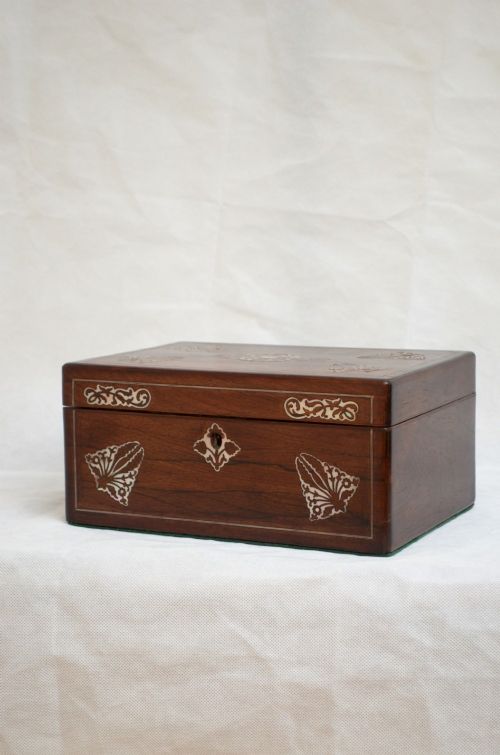


Antique Wooden Dressing Box
An antique wooden dressing box holds trinkets, letters, and cosmetics in fitted compartments that open to reveal mirrors and velvet linings.
Antique Wooden Dressing Box
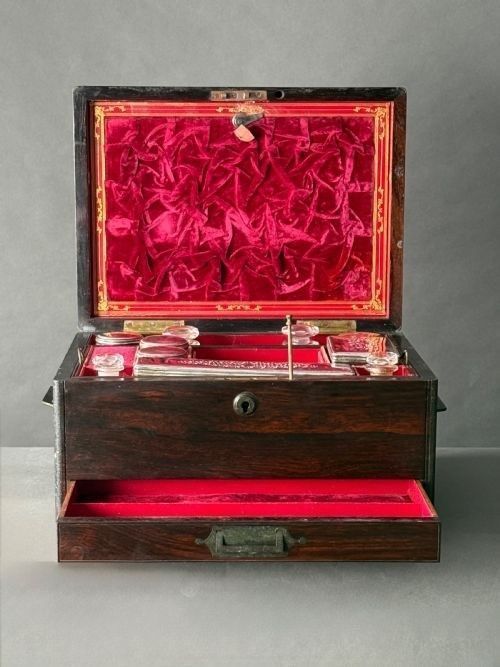
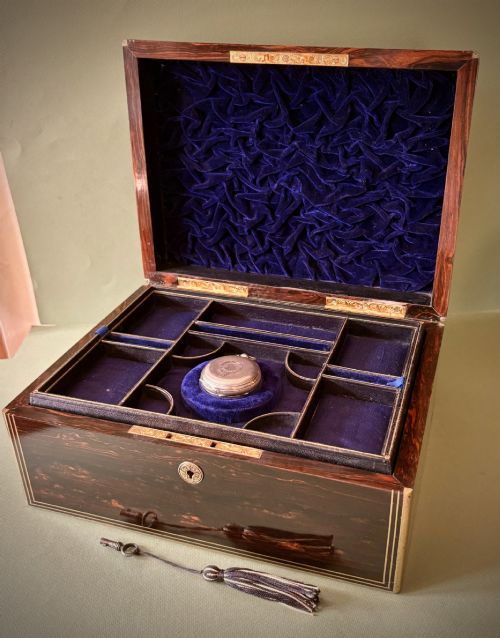
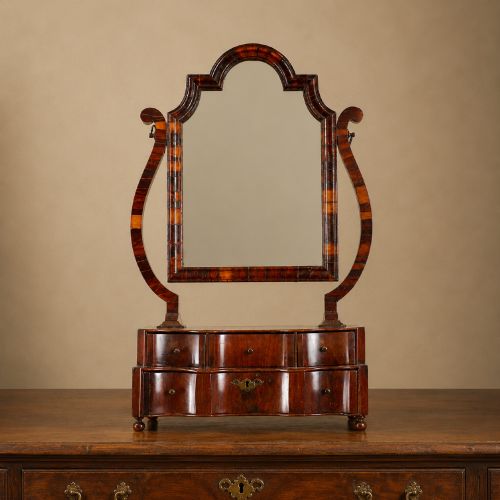
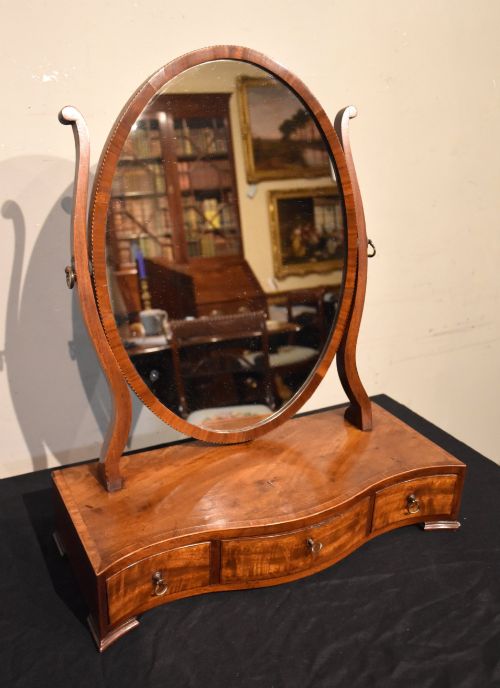
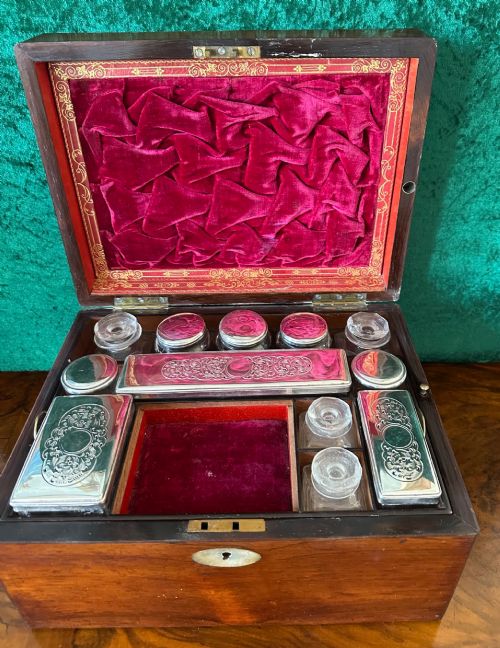
When you search for an antique wooden dressing box, you encounter portable caskets and table mirrors dating from the Georgian, Regency, and Victorian periods. These pieces range from simple mahogany toilet mirrors with drawer bases to elaborate coromandel and rosewood travelling cases fitted with glass bottles and silver mounts.
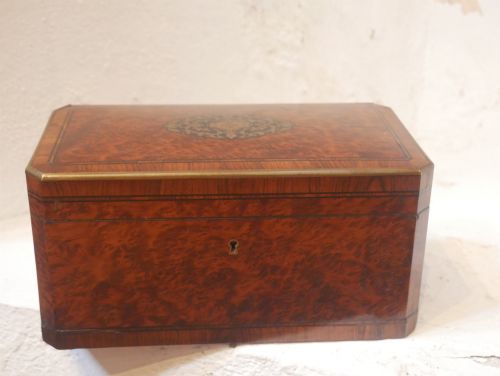
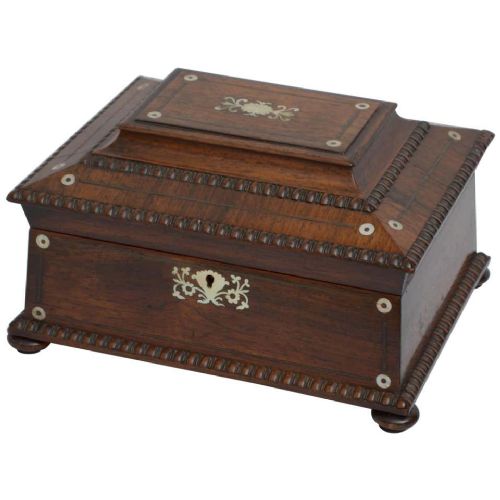
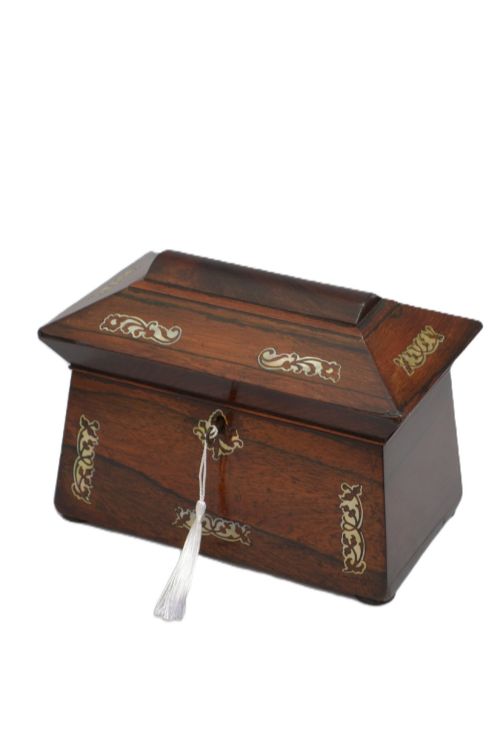
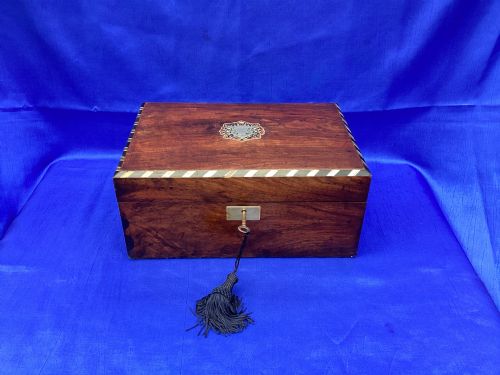
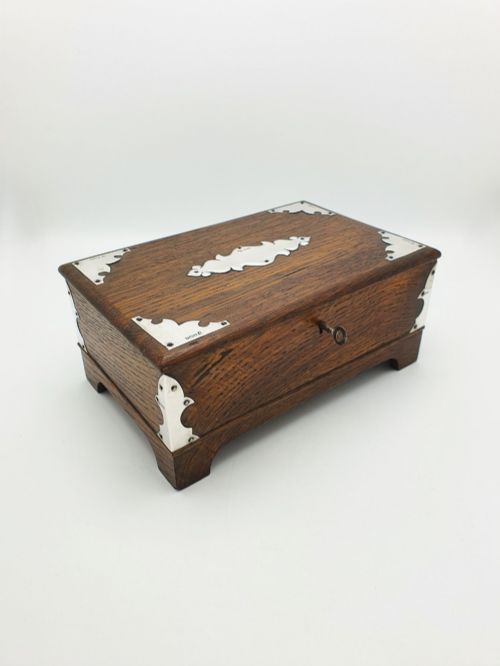
The version you are most likely to meet on this page is the mid-nineteenth century Victorian box veneered in burr walnut or rosewood, often featuring brass banding and an internal tray for jewellery. Earlier examples lean towards figured mahogany and simple linear inlays, whilst Edwardian pieces introduce oak and lighter woods.
Beyond standard storage boxes, the selection includes specialised forms such as gentleman's vanity boxes, glove boxes, and toilet mirrors designed for the dressing table. Each variation serves the historical need for secure, organised personal grooming and keepsake storage.
Materials and construction methods
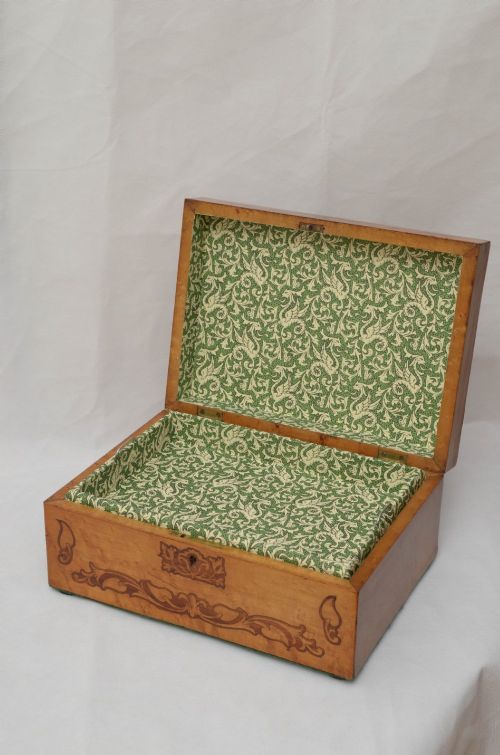
Cabinet makers utilised dense exotic timbers such as coromandel, amboyna, and rosewood over solid mahogany or pine carcasses, applying choice veneers to display rich grain patterns like burr walnut and bird's eye maple. These surfaces received meticulous hand-polishing to achieve a deep lustre.
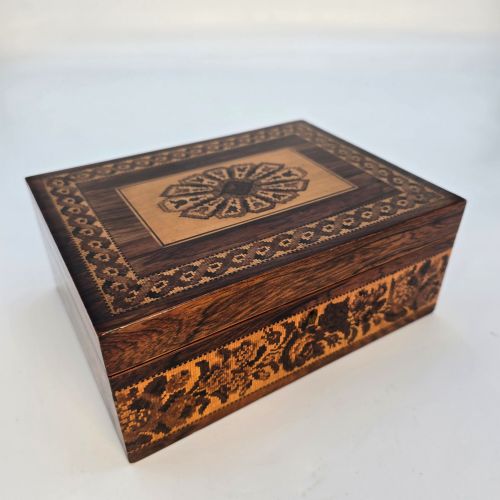
Decoration relied on precision inlays including mother-of-pearl, tulipwood, and Tunbridge Ware marquetry, complemented by structural brass banding, corner mounts, and lock escutcheons. Interiors combined velvet or leather linings with segmented wooden trays to organise glass scent bottles and metal implements.
Listings feature periods spanning from the early eighteenth century through the Edwardian era, incorporating materials such as porcupine quill, laburnum, and glass.
Assessing craftsmanship and execution
The distinction between standard production and exceptional work rests on the selection of timber veneers and the precision of the joinery. Superior pieces display book-matched grain across the entire lid and front, whereas lesser examples rely on plain, unfigured planks.
Hardware integration marks another clear division, where flush-fitting brass hinges, secret drawer mechanisms, and working locks with original keys demonstrate superior workshop standards. The crispness of internal velvet lining and the integrity of the fitted glass and silver components complete the hierarchy.
Tahan Paris·Edmund Nye·H Mitchell
The Antique Wooden Dressing Box Glossary
- Tunbridge Ware
- A form of mosaic woodwork produced in Kent using thousands of tiny coloured wood blocks to create pictorial scenes and geometric designs. This technique appeared frequently on mid-nineteenth century boxes.
- Coromandel
- A dense, heavily figured timber from South East Asia with dark brown stripes, utilised by nineteenth century cabinet makers for luxury boxes and vanity cases.
- Escutcheon
- A protective plate surrounding a keyhole, usually cast in brass or inlaid in mother-of-pearl to prevent the surrounding wood from wearing.
- Serpentine front
- A furniture shape featuring a double-convex curve flanked by concave sections, seen on better quality Georgian dressing mirrors.
- Bird's eye maple
- A figured timber exhibiting small circular markings resembling tiny eyes, prized for interior veneers in Victorian boxes.
Antique Wooden Dressing Box: Frequently Asked Questions
What is the difference between a dressing box and a jewellery box?
Dressing boxes typically incorporate internal space for glass bottles, jars, and grooming tools alongside compartments for trinkets. They served travellers and daily toilet routines.
Jewellery boxes focus specifically on ring rolls, open wells, and lift-out trays designed to store precious ornaments rather than cosmetic bottles.
How do I care for a rosewood or coromandel box?
Keep wooden boxes away from direct sunlight and heat sources to prevent the exotic veneers from drying and cracking. Maintain a stable indoor humidity level.
Apply a microcrystalline wax occasionally to nourish the polished surface, avoiding silicone-based polishes that damage antique finishes.
How do I distinguish Regency boxes from Victorian pieces?
Regency boxes often feature architectural restraint, straight lines, brass stringing, and heavy campaign-style recessed handles. They rely on mahogany or rosewood with minimal carving.
Victorian boxes embrace exuberant grain patterns like burr walnut, elaborate brass mounts, mother-of-pearl inlay, and more complex internal mechanism designs.
Were these boxes locked originally?
Most of these boxes featured functional brass lever locks to secure personal letters, jewellery, and valuables during an era before modern home security. Many survive with working keys.
When a key is absent, a locksmith can often pick or replace the mechanism, though retaining the original operational lock remains preferable for collectors.