


Antique Fitted Box
When you handle an antique fitted box, you hold an intricate piece of period craftsmanship designed to organise and secure precious objects.
Antique Fitted Box
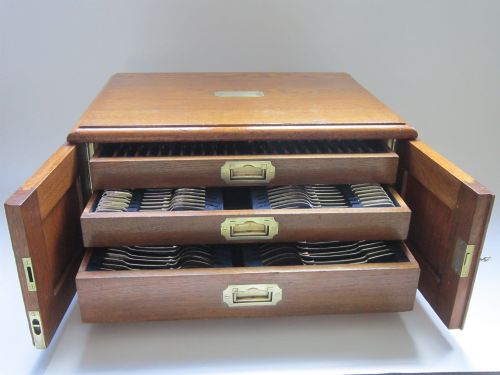
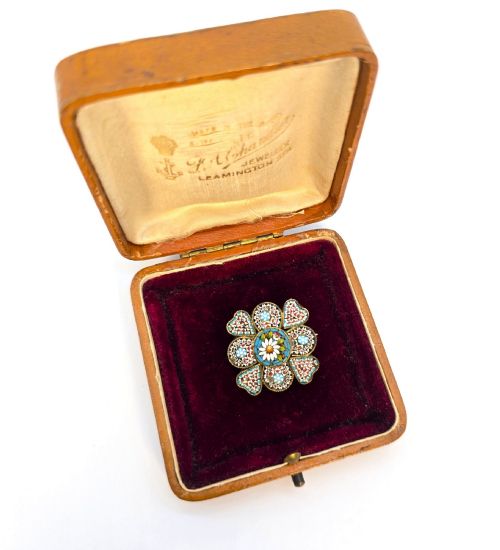
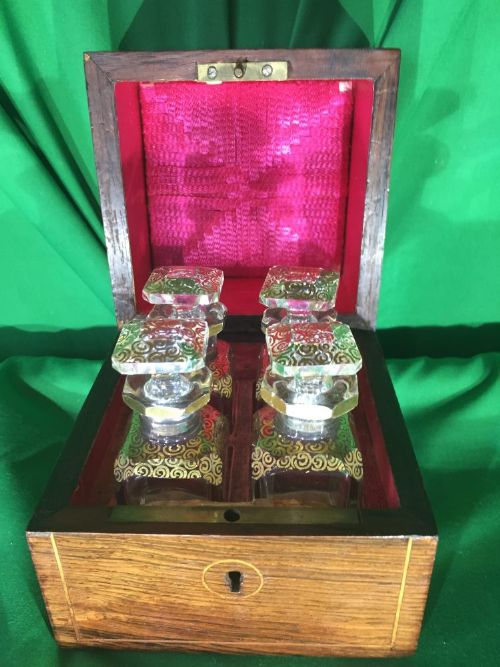
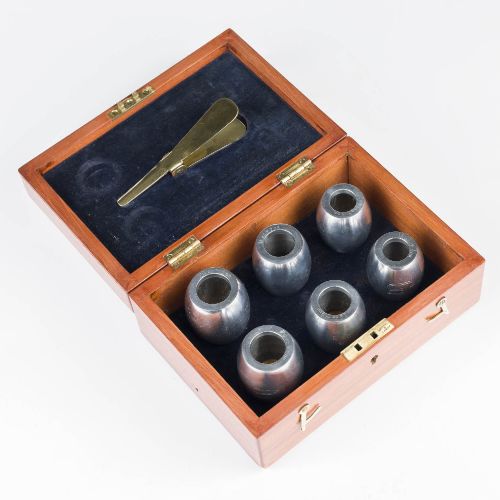
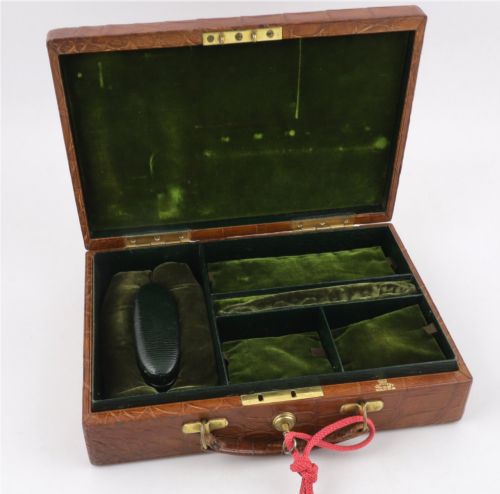
An antique fitted box is a dedicated container engineered with internal compartments, trays, or slots designed for specific items such as jewellery, writing instruments, or vanity accessories. These pieces range from compact travel cases to substantial table chests, originating across Georgian, Victorian, and Edwardian periods.
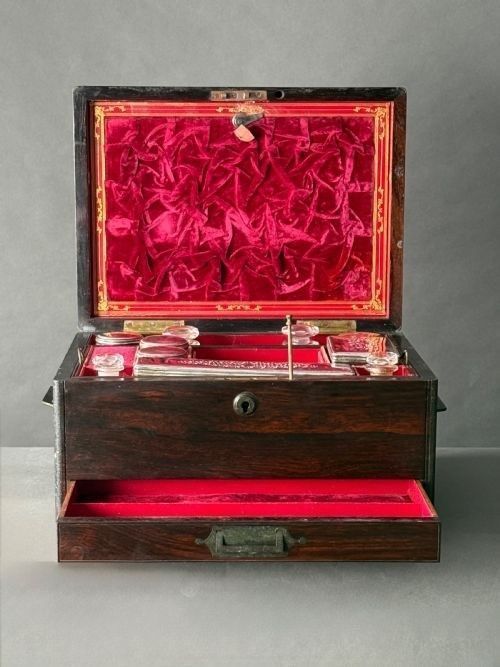
You are most likely to meet Victorian and 19th-century examples fashioned from rosewood, mahogany, or burr walnut, often featuring internal arrangements lined in velvet or leather.
The category encompasses specialised containers including writing slopes, dressing cases, and sewing boxes, reflecting the domestic and travel requirements of past eras.
How they were made
Cabinet makers utilised dense hardwoods such as mahogany, rosewood, coromandel, and walnut, frequently applying veneers over secondary woods to create stable structures.
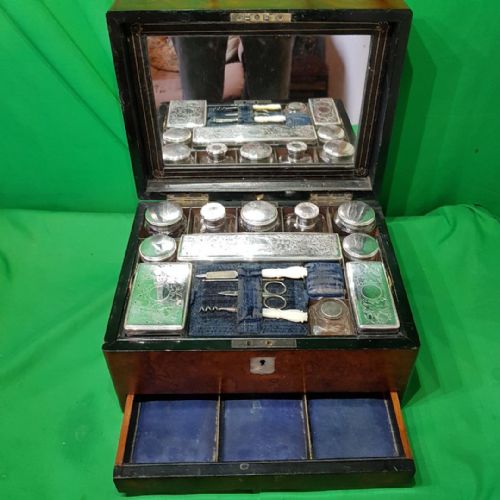
Internal compartments required precise joinery, often incorporating folding mechanisms, secret drawers, and lift-out trays tailored to hold glass bottles, silver implements, or documents.
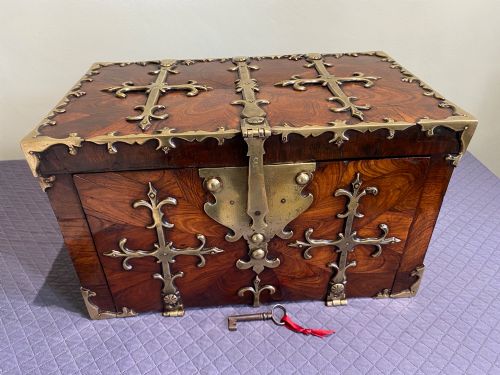
External reinforcement relied on brass banding, inlaid brass stringing, flush carrying handles, and robust locks supplied by makers such as Bramah.
Listings feature various timbers including rosewood, mahogany, coromandel, camphor, and burr walnut across the 18th, 19th, and early 20th centuries.
What varies in quality
The standard of an antique fitted box depends on the complexity of its internal mechanics and the precision of its fitted compartments. Superior examples feature seamlessly integrated trays that rise automatically when the lid opens or secret drawers released by hidden spring catches.
Material selection and decorative execution dictate value, distinguishing simple solid pine or camp chests from exhibition-grade coromandel or burr walnut boxes adorned with elaborate Tunbridge ware or finely engraved brass escutcheons.
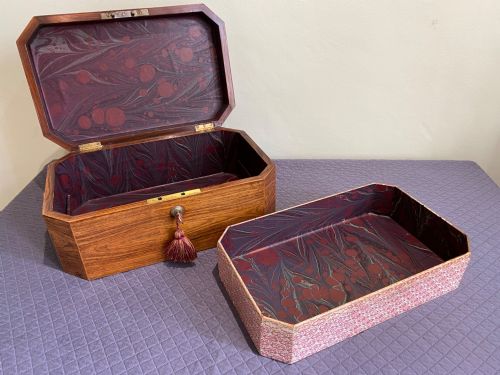
The integrity of the original lining, whether stamped leather, pleated silk, or fitted velvet, alongside the presence of matching original glass or silver accessories, separates standard containers from high-status pieces.
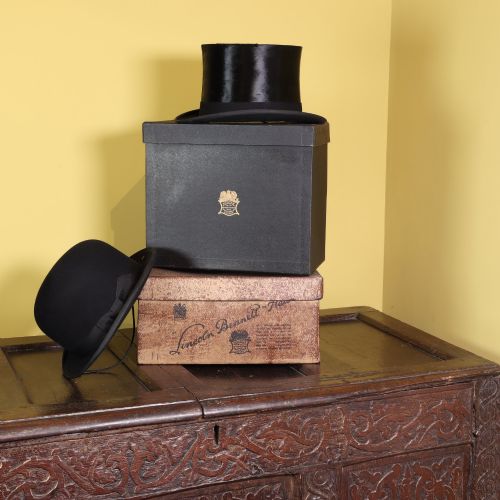
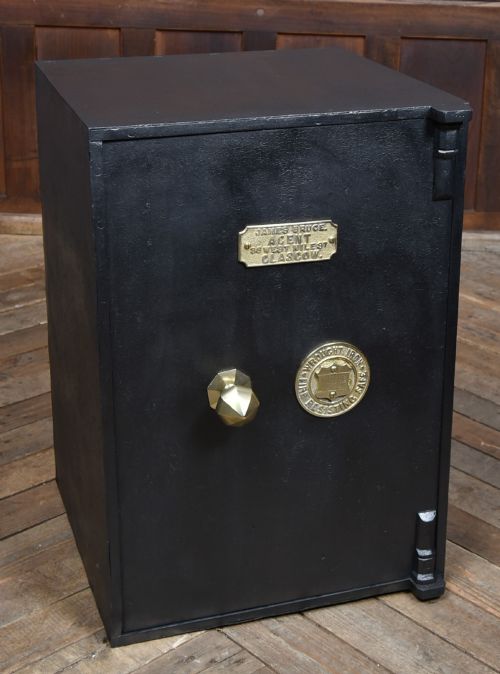
Lincoln Bennett of London·De Grave Short And Co·J C Vickery·James Bruce·Charles Rawlings And William Summers·Betjemman
The Antique Fitted Box Glossary
- Writing slope
- A portable slant-topped box that opens to reveal a sloping writing surface, inkwell recesses, and document storage. These pieces were essential for correspondence during the Georgian and Victorian eras.
- Dressing case
- A comprehensive vanity box fitted with internal tiers, jars, scent bottles, and grooming tools. They were designed for affluent travellers requiring personal maintenance equipment away from home.
- Tunbridge ware
- A form of decorative woodwork characterised by tiny mosaic tiles created from naturally coloured timbers arranged to form pictorial or geometric motifs. It is frequently found on Victorian desk accessories and tea caddies.
- Campaign box
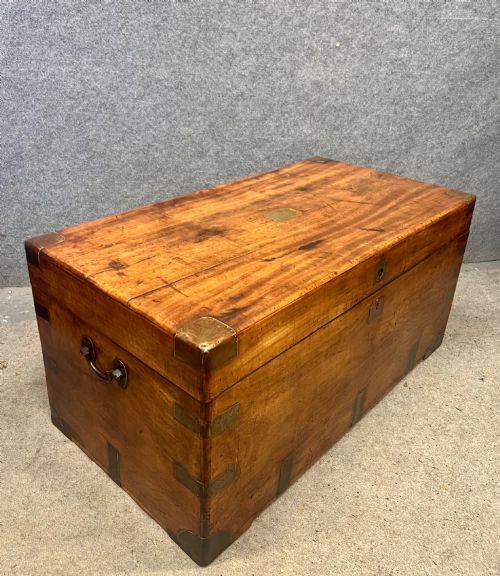
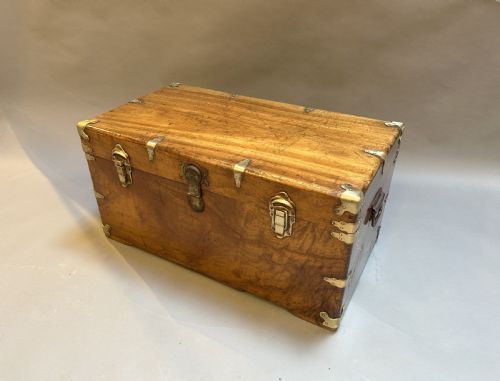
- A sturdy wooden chest or trunk, often reinforced with brass corners and recessed handles, built for military officers on active service. These items prioritised durability and modular packing.
- Escutcheon
- A decorative brass plate surrounding a keyhole that protects the surrounding wood from wear and tear. On better boxes, they double as functional elements operating secret release mechanisms.
Antique Fitted Box: Frequently Asked Questions
What were fitted boxes used for?
These containers served specific domestic and travel functions, holding writing materials, jewellery, cosmetics, or dining implements securely in place during transport.
Their internal layouts ensured that fragile items such as glass scent bottles or silver instruments remained protected from damage.
How do I date a fitted box?
Dating relies on combining stylistic clues, such as the timber used, the shape of brass hardware, and the construction of the interior compartments.
Earlier Georgian pieces often feature simpler mahogany or rosewood surfaces with minimal brass work, while Victorian examples frequently showcase elaborate coromandel, burr walnut, and complex mechanical trays.
Are the locks usually working?
Many boxes retain their original locks, and some dealers supply working keys that operate the primary mechanism or secret drawers.
However, replacement keys are common due to the age of these items and the frequency with which small keys were lost over generations.
How do I care for the wood and lining?
Maintenance requires keeping the timber away from direct sunlight and extreme humidity to prevent veneer cracking or wood shrinkage.
Original velvet or leather linings should be treated gently with dry dusting, avoiding moisture or modern cleaning chemicals that can stain fragile historic textiles.