
Antique Instrument Case
An antique instrument case protects delicate scientific, medical or navigation gear inside sturdy wood fitted with brass and glass.
Antique Instrument Case
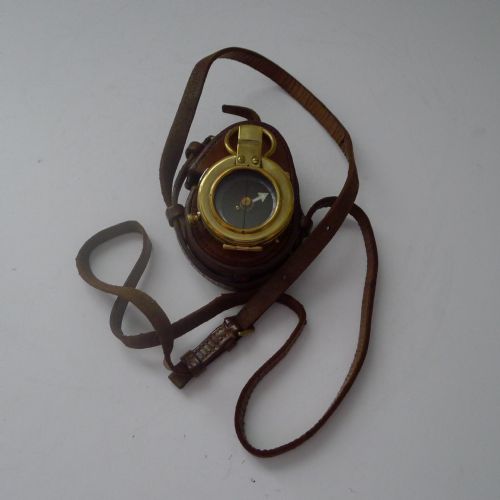
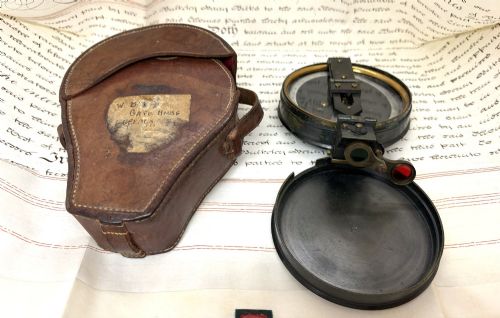
An antique instrument case safeguards portable scientific equipment, medical gear, compasses and barographs produced across the Georgian, Victorian and Edwardian eras. These housings protect precise mechanisms designed for field surveyors, doctors, navigators and explorers.
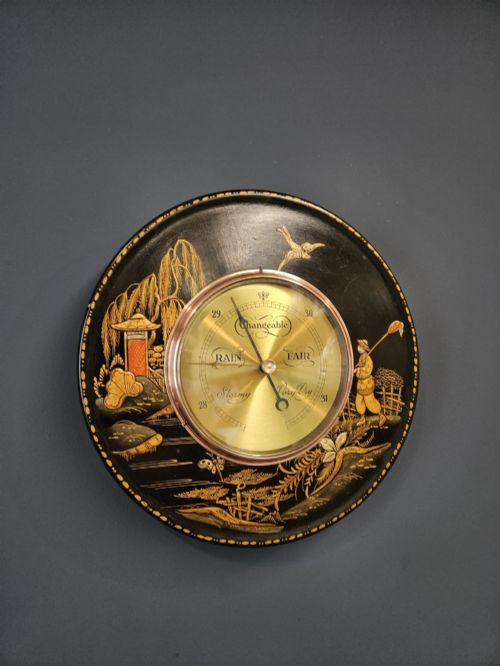
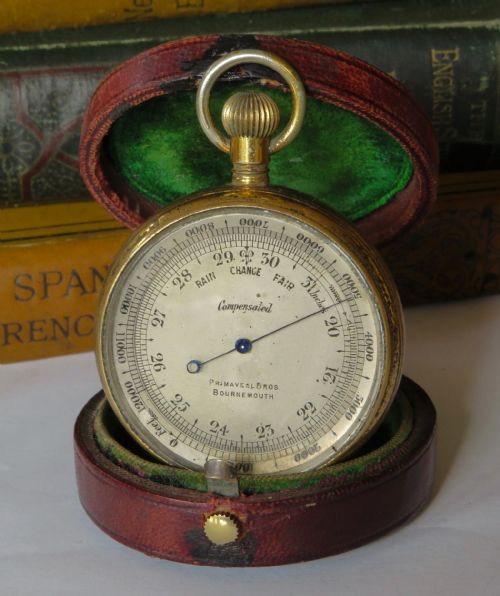
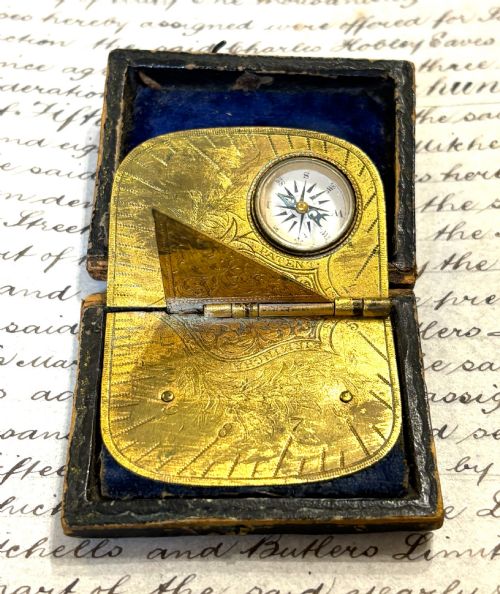
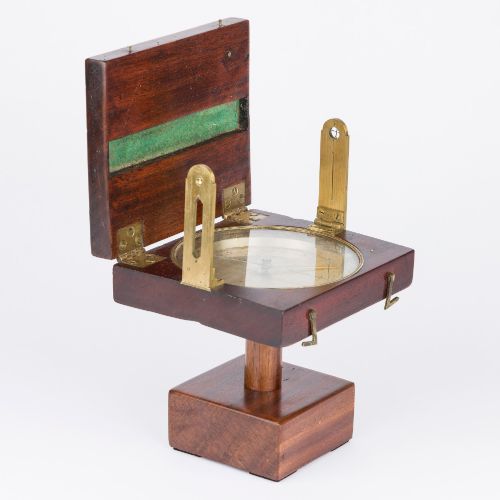
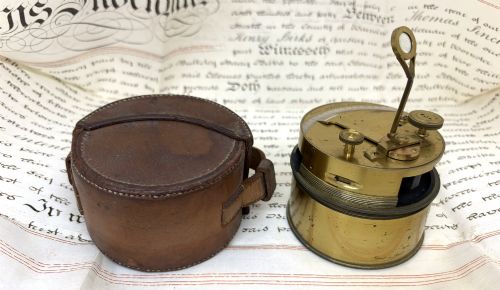
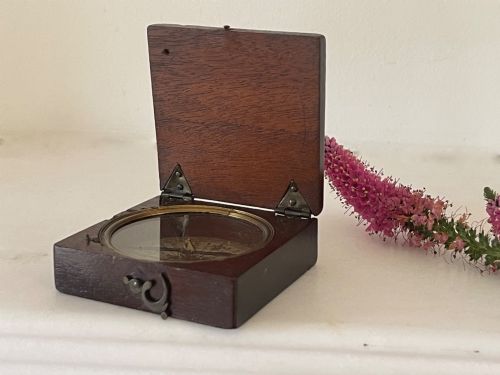
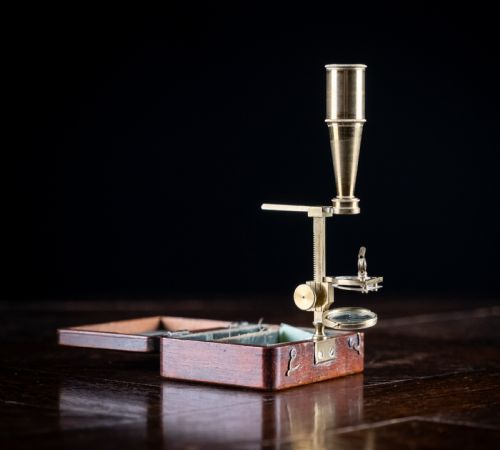
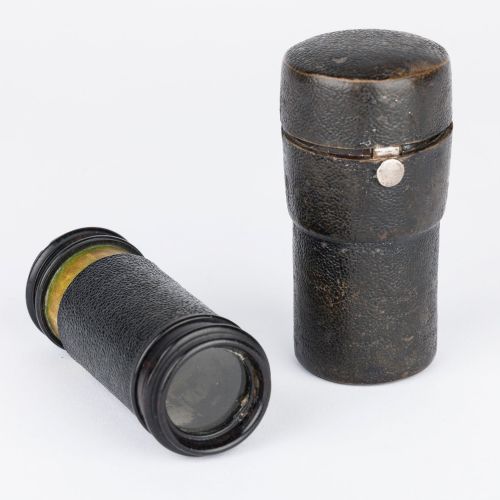
Most examples found on this page consist of fitted wooden boxes, such as mahogany or oak chests, containing barometers, microscopes, compasses or medical sets. The form matches the exact contour of the scientific instrument it holds to prevent movement during travel.
How they were made
Maker workshops constructed these housings primarily using dense timbers like mahogany and oak, often incorporating brass hinges, carrying handles and locking hooks. Interiors feature fitted partitions lined with velvet or paper to cushion delicate brass, glass and steel mechanisms.
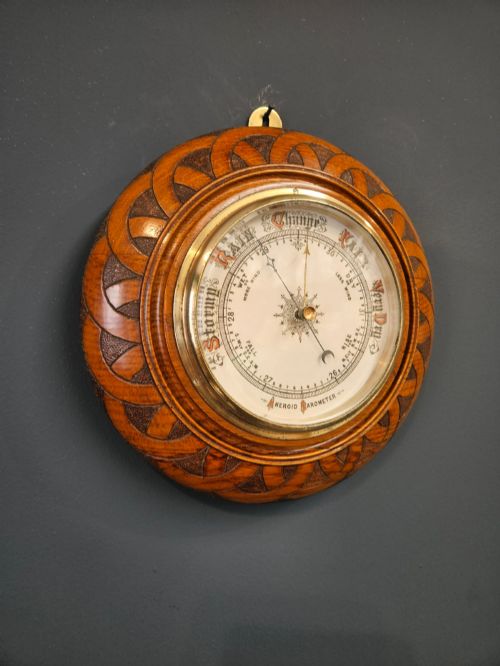
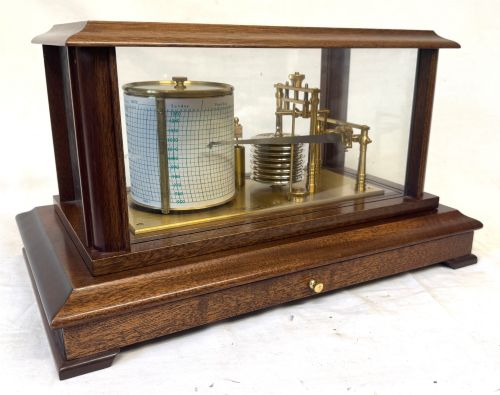
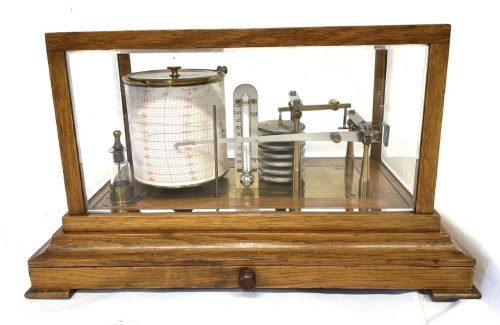
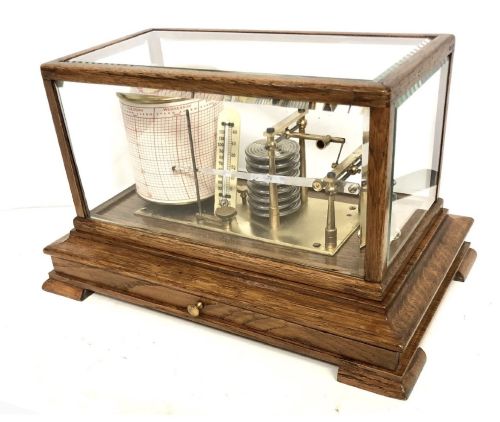
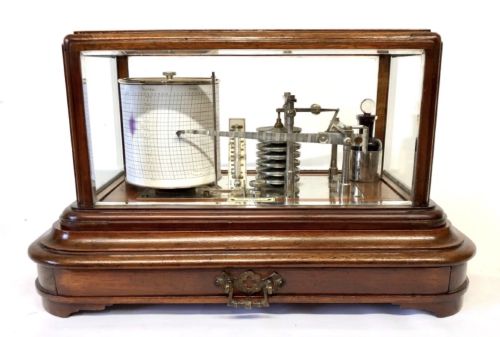
Joinery techniques prioritize structural rigidity to endure field conditions, utilising tight-fitting corners and reinforced lids. Glazed panels appear on barograph and barometer housings, allowing observation of paper charts and mercury tubes without opening the protective cover.
Materials span bevelled glass, velvet linings, paper charts and steel components inside fitted wooden chests.
What varies in quality
Quality differences depend on the precision of internal fittings and the grade of materials utilised in construction. Superior examples feature perfectly contoured velvet linings and robust hardwood carcasses with well-preserved maker signatures.
The sophistication of the hardware, including hand-engraved brass plaques, bevelled glass panes and original working keys, separates standard utility boxes from high-status scientific apparatus housings.
G. Davis of Leeds·P. Orr, Madras·Baker, London·Short & Mason·L Casella & Co·John Millikin·George Adams·J Swift·Watson of London
The Antique Instrument Case Glossary
- Barograph
- A self-recording aneroid barometer that traces atmospheric pressure onto a revolving paper chart. These instruments typically reside in glazed oak or mahogany cases equipped with chart drawers.
- Theodolite
- A precision optical instrument used for measuring angles in horizontal and vertical planes. They appear in fitted brass-bound mahogany boxes alongside adjustment tools.
- Aneroid Barometer
- A device that measures air pressure without liquid, using a small flexible metal box. They are frequently mounted within turned oak or carved wooden wall and table cases.
- Microscope Case
- A specialised upright wooden housing designed to secure optical tubes, objectives and slides. These containers often include internal racks and original trade papers.
Antique Instrument Case: Frequently Asked Questions
What fits inside an antique instrument case?
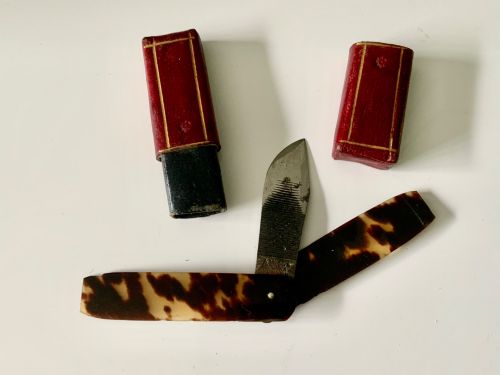
These housings contain scientific apparatus such as barometers, microscopes, compasses, medical lancets and surveying levels. Each interior is partitioned to match the specific shape of the tool it carries.
Buyers find compartments for accessories, spare lenses, calibration keys and paper charts tucked beneath or beside the main instrument.
How do I identify the period of a case?
Dating relies on timber choices, brass hardware styles, dovetail construction and accompanying trade labels. Georgian boxes often display plain mahogany construction with flush brass lifting handles.
Victorian and Edwardian examples incorporate heavier ornamentation, machine-cut screws, bevelled glass and stamped maker signatures that pinpoint their decade of manufacture.
Were these cases made for travel?
Many examples served explorers, military officers, field surveyors and medical practitioners on the move. Sturdy mahogany or oak shells shielded delicate glass and brass from rough transport.
Carrying handles, robust locking latches and internal immobilization blocks ensured the scientific equipment survived journeys across land and sea.
How should I clean the wood and brass?
Maintenance requires gentle dusting with a dry microfibre cloth to protect aged wood patinas and fragile paper linings. Moisture and harsh chemical polishes damage historic lacquer on brass.
Preserving original interior velvet and paper documentation maintains the historical integrity of the scientific apparatus and its housing.