
Wooden Specimen Chest
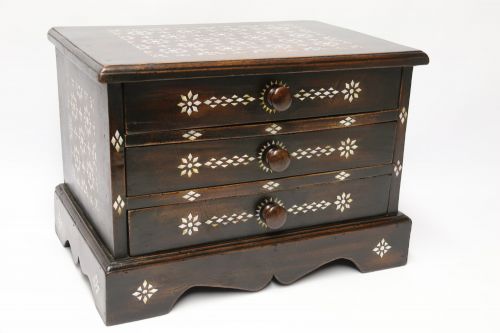
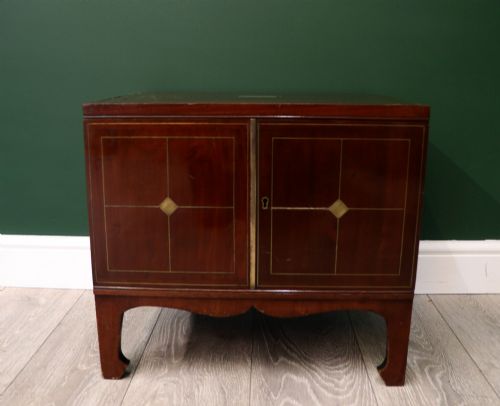
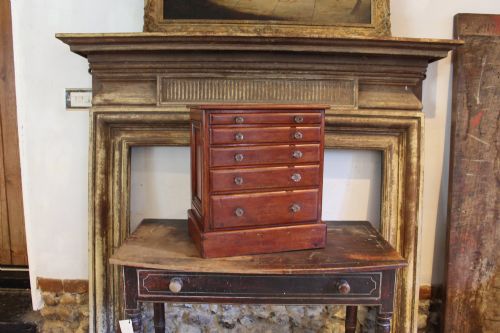
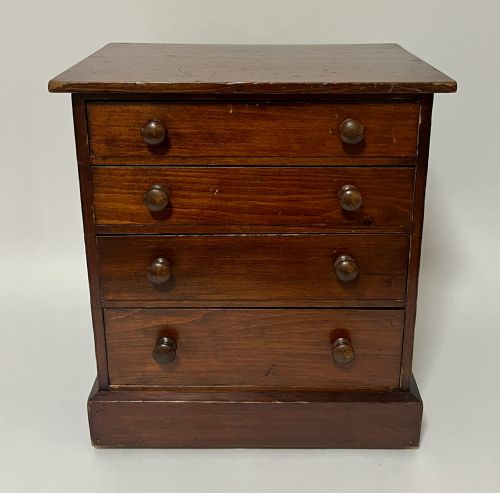
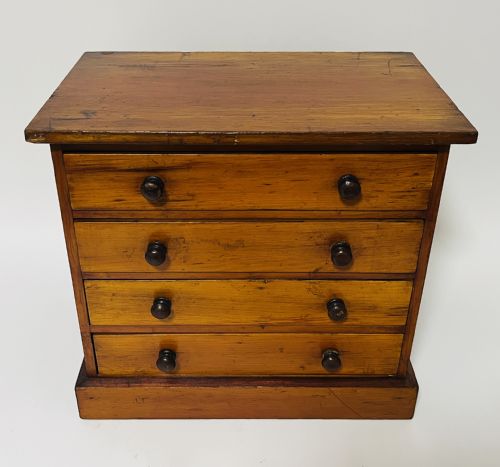
A wooden specimen chest organises small objects into neat rows, combining practical storage with fine cabinetmaking.
Wooden Specimen Chest
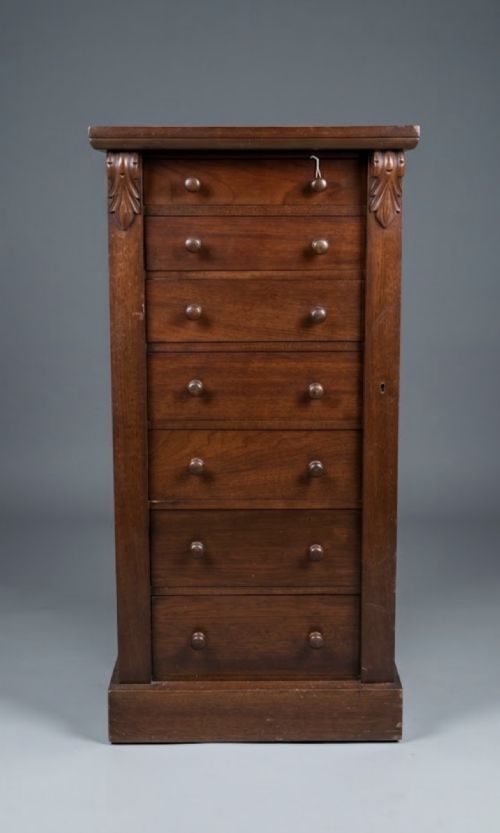
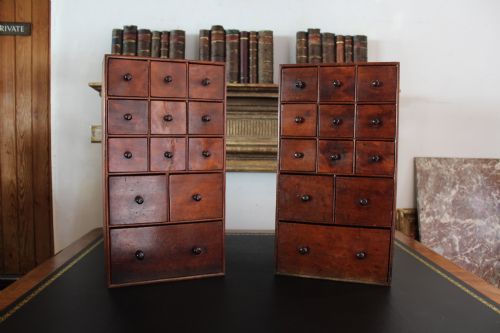
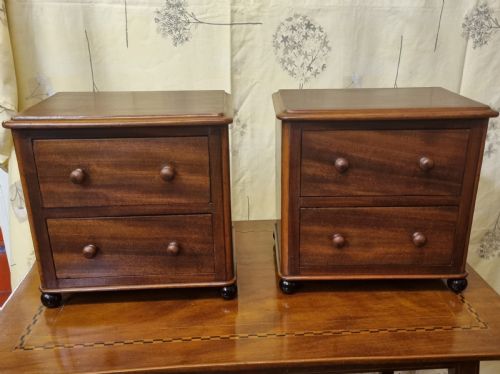
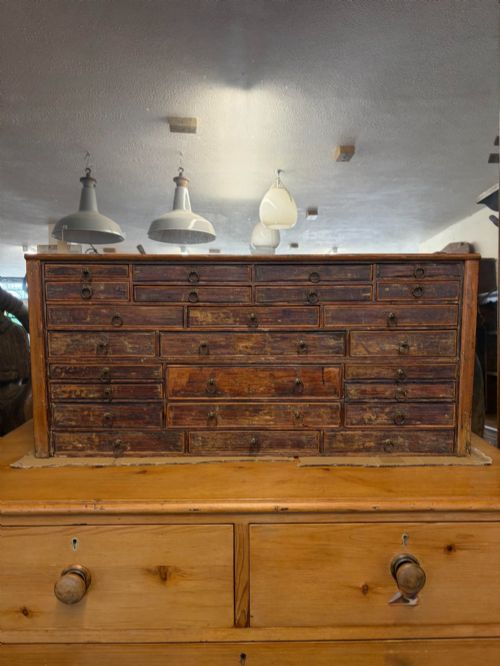
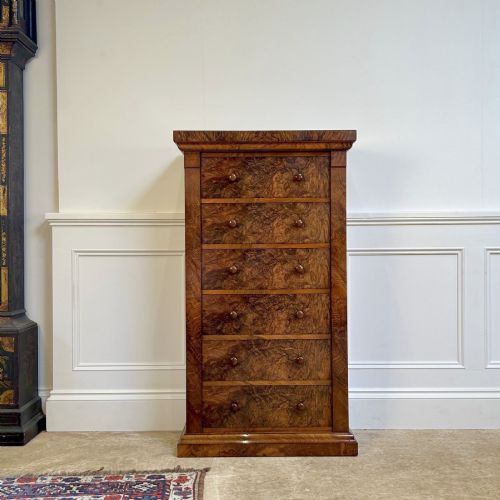
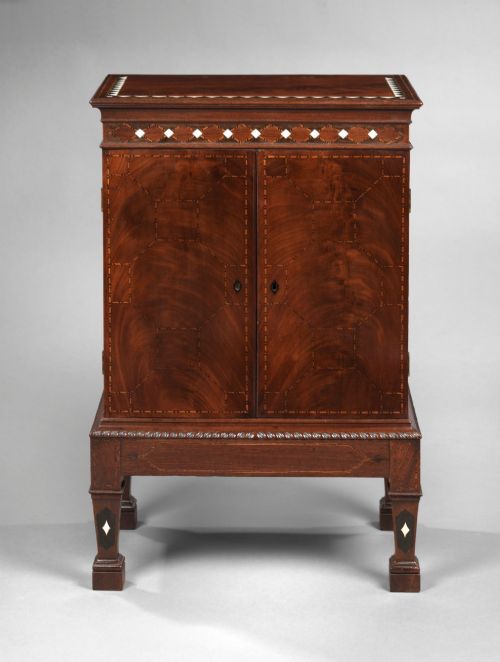
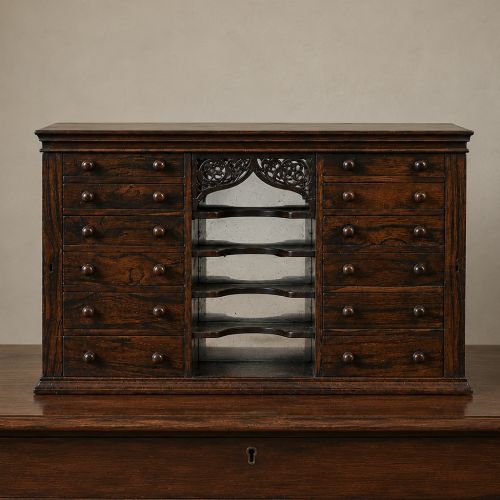
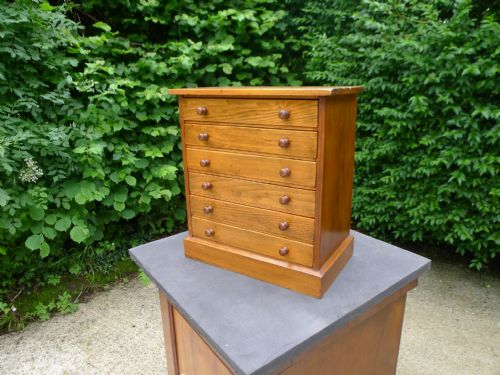
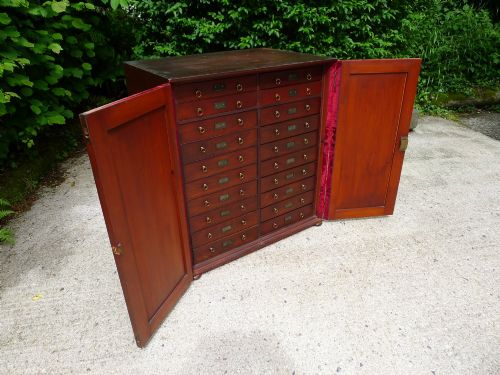
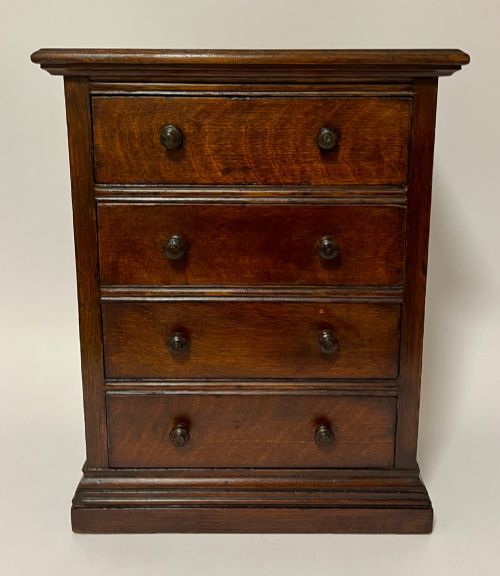
A wooden specimen chest serves to house natural history items, medical equipment, miniature samples or collector pieces in multiple fitted drawers. Buyers inspecting this page meet numerous tabletop pieces, miniature chests of drawers, and tall Wellington chests.
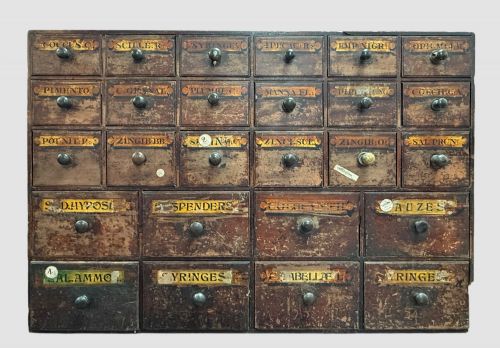
The selections span periods from the Georgian and Regency eras through the Victorian age and into the early twentieth century. Common formats include apothecary banks of drawers, microscope slide cabinets, and campaign style storage.
Makers built these pieces using woods such as mahogany, walnut, oak, pine, teak, and rosewood. Many incorporate brass hardware, glass panels, or inlaid details to secure and display the contents.
Construction and materials
Cabinetmakers constructed these chests using dense hardwoods like mahogany, walnut, and oak, alongside utilitarian softwoods such as pine and deal. Timber selection depended on whether the piece required a polished display finish or robust workshop utility.
Joinery techniques included fine dovetailing on drawer boxes and secure housing for internal dividers. Brass fixtures such as carrying handles, locking mechanisms, and campaign corners provided durability and secure transport for delicate contents.
Surfaces received polish, wax, or staining to protect the wood while highlighting grain patterns in burr walnut, rosewood, and figured mahogany. Glazed doors and velvet or baize linings frequently protected the interior specimens.
Listings feature wooden specimen chests constructed from mahogany, walnut, oak, pine, teak, and rosewood across the Victorian, Georgian, Regency, and Edwardian periods.
Assessing quality in wooden specimen chests
Quality rests in the precision of the drawer construction and the selection of timber veneers. Superior examples display carefully matched burr walnut or figured mahogany, tight dovetail joints, and smoothly running drawers that fit their compartments accurately.
The integrity of original brass fittings, working locks with matching keys, and undamaged internal linings distinguish finer workshop output. Utility pieces intended for pharmacies or watchmakers prioritise sturdy timber and practical multi drawer arrangements over decorative veneers.
Gillows·D Napier And Sons·Brady
The Wooden Specimen Chest Glossary
- Wellington chest
- A tall, narrow chest of drawers secured by a hinged locking side pilaster. This architectural design locks all drawers simultaneously with a single key.
- Campaign style
- Portable furniture constructed for travel, fitted with recessed brass handles and corner brackets to withstand transit. These pieces combine robust construction with compact dimensions.
- Apothecary chest
- A multi drawer cabinet designed for medicines, chemicals, or small medical instruments. These items often feature numerous small drawers and occasionally retain original labelling.
- Apprentice piece
- A miniature furniture item created by a craftsman to demonstrate skill before gaining master status. These scale models replicate full sized chests of drawers with identical joinery.
- Specimen cabinet
- A specialised housing unit with shallow drawers designed for natural history collections, fossils, or microscope slides. Interiors often feature baize or velvet inserts to cushion delicate items.
Wooden Specimen Chest: Frequently Asked Questions
What fits inside a wooden specimen chest?
These cabinets house geological samples, insects, botanical specimens, microscope slides, or small trinkets within their shallow drawers. Many also accommodated medical supplies, watch parts, or apothecary jars.
Buyers today repurpose the multi drawer layouts to store jewellery, craft supplies, coins, or small collections.
How do I date a wooden specimen chest?
Dating relies upon timber choices, construction methods, and hardware styles across different periods. Georgian and Regency examples typically feature flame mahogany or rosewood with delicate proportions.
Victorian and later pieces often incorporate brass campaign handles, stained pine, or engineered locking mechanisms like those found on Wellington chests.
Are these chests suitable for everyday use?
Solid hardwood construction and durable drawer runners allow these cabinets to withstand regular opening and closing. Their compact tabletop footprints make them practical for desks or sideboards.
Care involves protecting antique finishes from moisture and avoiding overloading smaller drawer structures designed for lightweight items.
What is the difference between a specimen chest and a collector cabinet?
Specimen chests generally feature very shallow drawers designed specifically for flat items, slides, or small natural artefacts. Collector cabinets encompass a broader range of miniature furniture, coin cabinets, and multi drawer storage units.
Both types utilise enclosed drawer banks, but specimen variants place greater emphasis on interior lining and dust protection.