
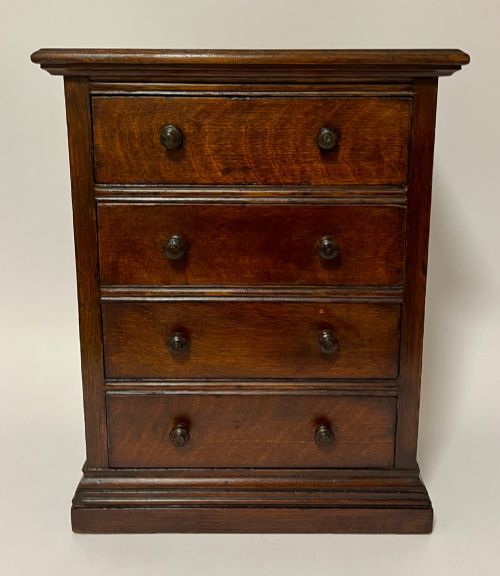
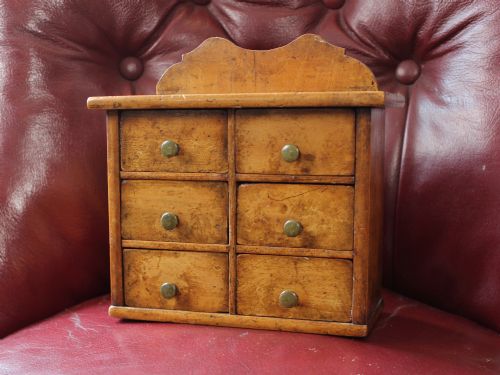


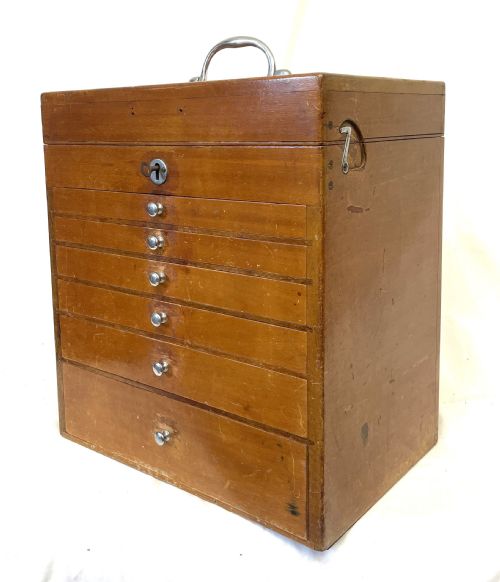


Collector Drawer Box
A collector drawer box offers compact storage for small curiosities, bringing scaled-down craftsmanship and organised desktop utility straight into a room.
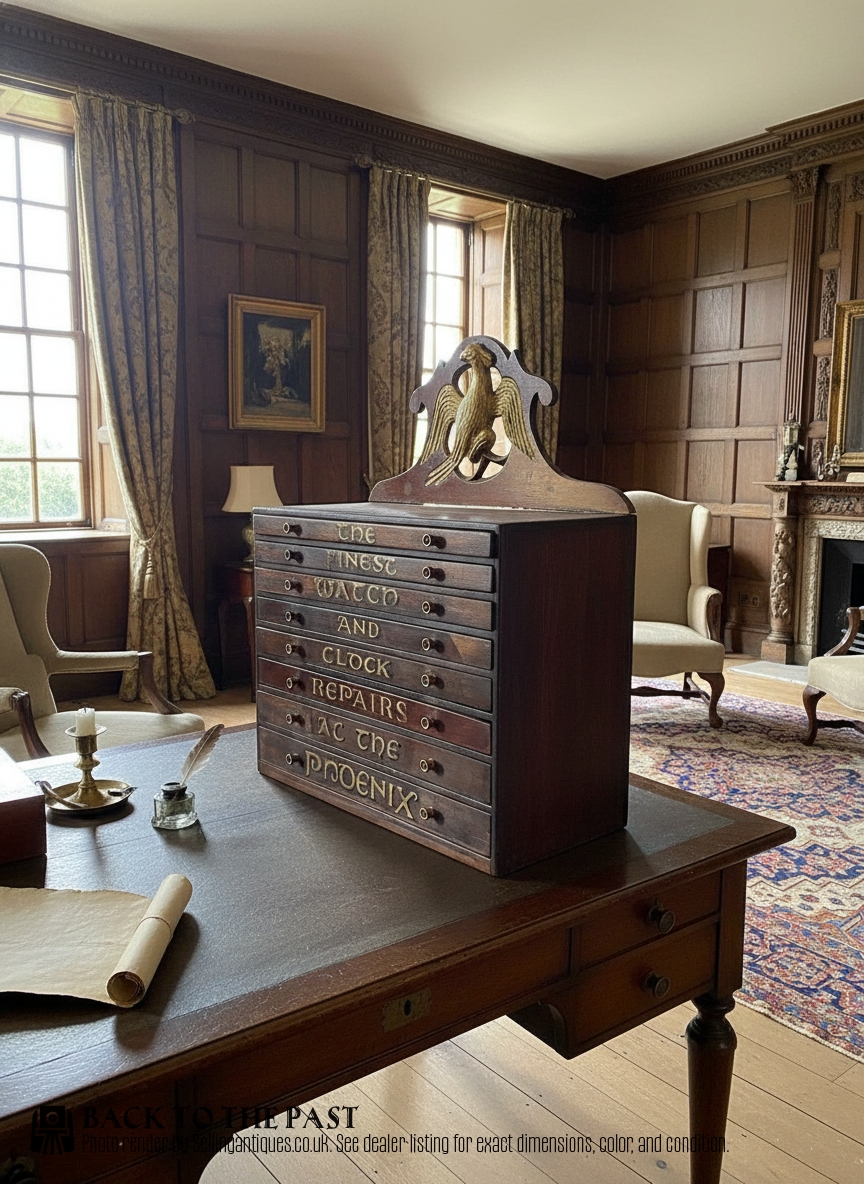
Collector Drawer Box
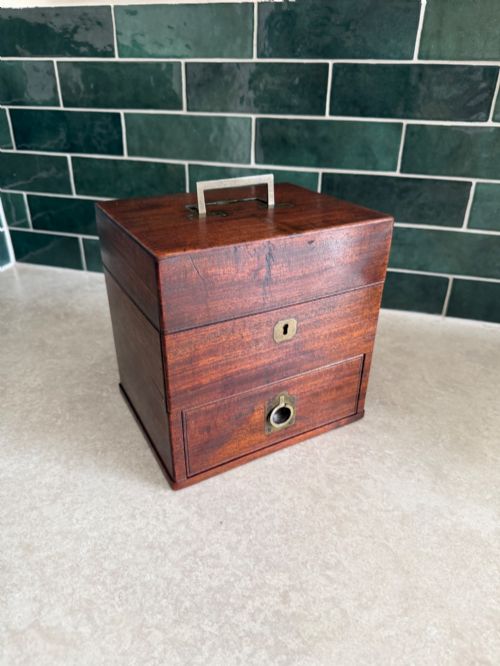
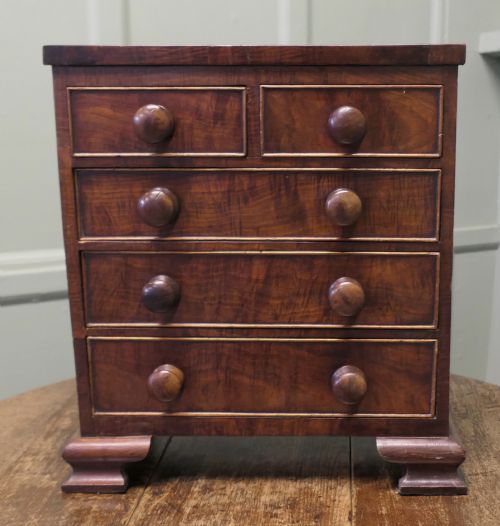
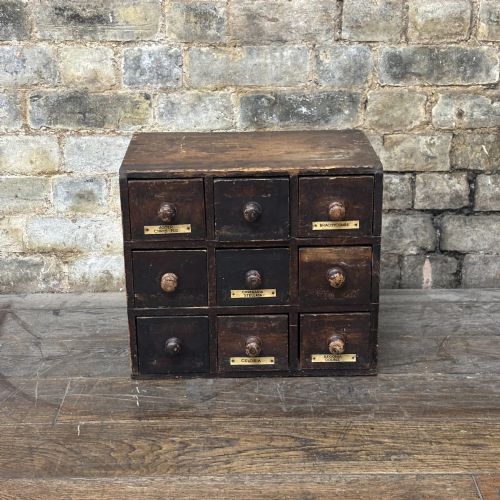
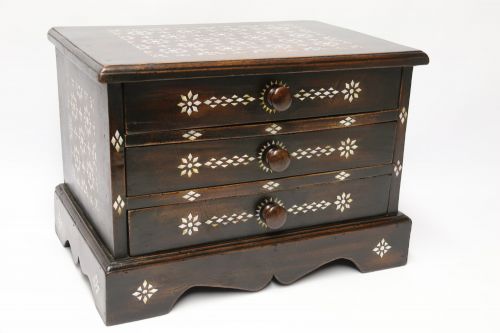
A collector drawer box encompasses small storage chests, miniature chests of drawers, specimen cabinets, and table cabinets designed to hold small items securely. These pieces emerge in various historical forms, from Georgian and Victorian apprentice pieces to 19th-century microscope slide cabinets, seed chests, and apothecary boxes.
Buyers seeking a collector drawer box most frequently encounter mahogany, oak, and walnut tabletop pieces alongside utilitarian fruitwood, pine, and lacquered versions. The scale varies from simple two-drawer spice cupboards to multi-drawer specimen cases with locks and keys.
Origins span English, Dutch, and Anglo-Indian workshops, reflecting domestic utility, medical storage, and gentlemanly pursuits. These small cabinets bridge the gap between functional workshop storage and refined interior display.
How they were made
Makers constructed collector drawer boxes using solid hardwoods such as mahogany, oak, walnut, and elm, often applying veneers like burr walnut, amboyna, or satinwood to visible surfaces. Drawer construction typically utilised traditional dovetail joints to ensure durability under frequent opening and closing.
Brass fittings, including drop handles, escutcheons, hinges, and carrying side handles, appear regularly across the pieces. Secondary woods like pine or fruitwood were often selected for drawer linings and internal dividers, while specialised interiors featured velvet, glass, or fitted slots for slides and instruments.
One industrious watch repairer left their chest behind with the tools still inside, preserving a tiny time capsule of 1860s workbench clutter.
What varies in quality
Quality in a collector drawer box rests in the precision of the joinery and the selection of timber figures. Superior examples display tightly fitted dovetails, matched veneer grains across the drawer fronts, and original brass hardware that sits flush with the wood.
Internal execution separates standard storage from high-end craftsmanship. Pieces made for scientific instruments, such as microscope slides or watches, often incorporate dust lips on drawers, fine velvet linings, and complex locking mechanisms operated by matching keys.
The Collector Drawer Box Glossary
- Apprentice piece
- A small item of furniture created by a craftsman to demonstrate skill level before gaining master status. These often take the form of miniature chests of drawers.
- Specimen cabinet
- A small chest designed specifically for housing natural history objects, insects, or botanical samples. They usually contain numerous shallow drawers.
- Escutcheon
- A protective plate surrounding a keyhole, commonly cast in brass on these boxes. It prevents the surrounding wood from wearing down through repeated use of the key.
- Dovetail joint
- A traditional interlocking woodworking joint used at the corners of drawers. Its tight construction resists being pulled apart.
- Patina
- The surface sheen and colour developed by wood over decades of handling and polishing. It signals age and natural wear.
Collector Drawer Box: Frequently Asked Questions
What did people store in these boxes?
These small chests held specialised items depending on their trade or hobby. Examples include microscope slides, apothecary remedies, seeds, watchmaker tools, and small botanical specimens.
Others served domestic purposes, storing cutlery, spices, sewing equipment, or personal letters on a desk or table.
How do I date a wooden cabinet?
Dating relies on observing the timber species, construction methods, and hardware styles. Earlier pieces from the Georgian and 18th century often feature solid oak or elm with hand-cut dovetails and simpler brass pulls.
Victorian and later 19th-century versions frequently employ mahogany or walnut veneers, factory-made screws, and more elaborate locking mechanisms with escutcheons.
Can I use these for modern storage?
The small scale and compartmentalised drawers make these cabinets ideal for organising modern desk accessories, jewellery, or small craft supplies.
Placing them on a tabletop or chest allows you to utilise the historic storage safely while keeping everyday items out of sight.
What is the difference between a table cabinet and a spice drawer?
Table cabinets generally feature doors that open to reveal internal rows of drawers, sometimes secured with a lock and key. They were kept in studies or parlours for general collection.
Spice drawers consist of open-fronted banks of small drawers intended for culinary ingredients in a kitchen or pantry setting, though many survived into later centuries repurposed for general keepsakes.