




Regency Mahogany Standing Mirror
A regency mahogany standing mirror brings fluid elegance to a room, offering full-length reflection through graceful pivoting frames.
Regency Mahogany Standing Mirror
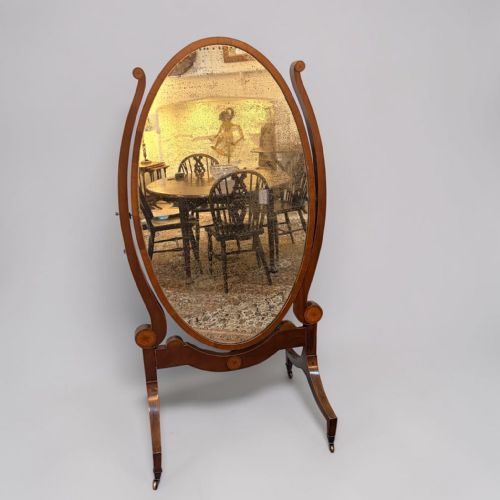
When searching for a regency mahogany standing mirror, a buyer encounters substantial floor-standing cheval glasses and smaller tabletop dressing mirrors designed for bedrooms and dressing rooms. These pieces originate primarily from the Regency period, the Georgian era, and the subsequent William IV and Victorian years, capturing a distinct period of cabinet making.
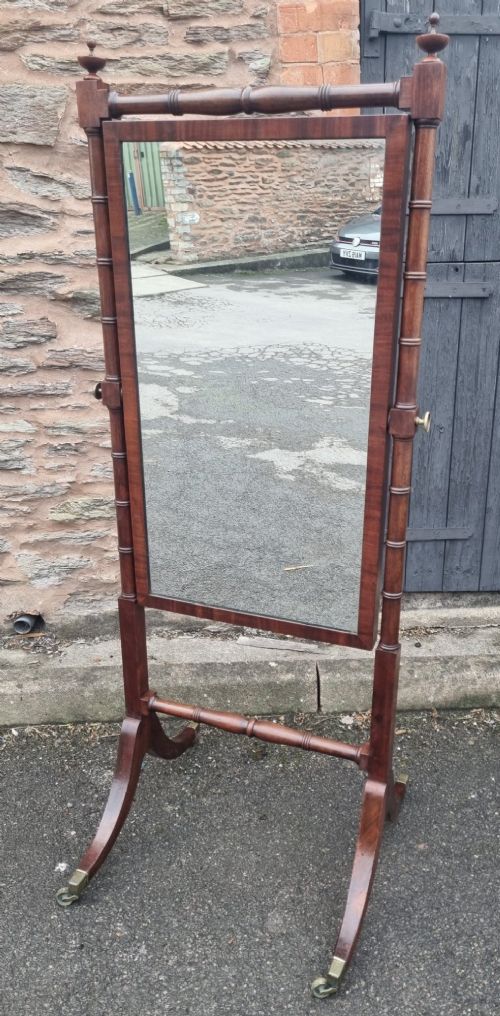
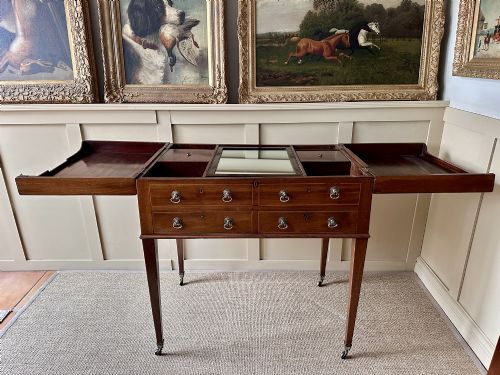
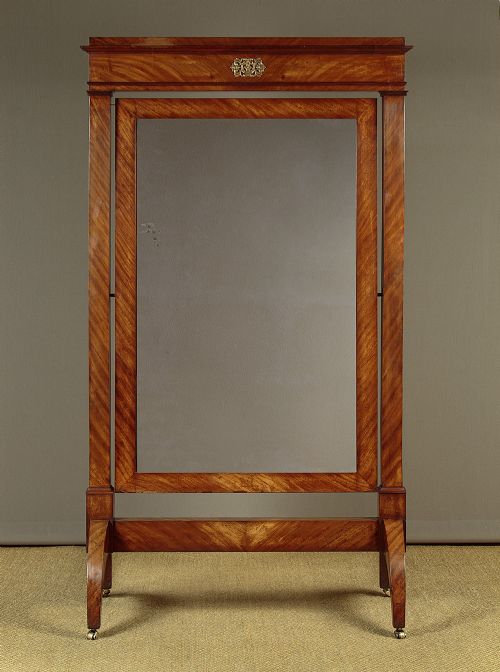
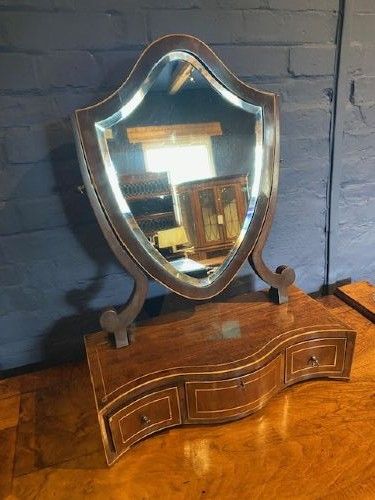
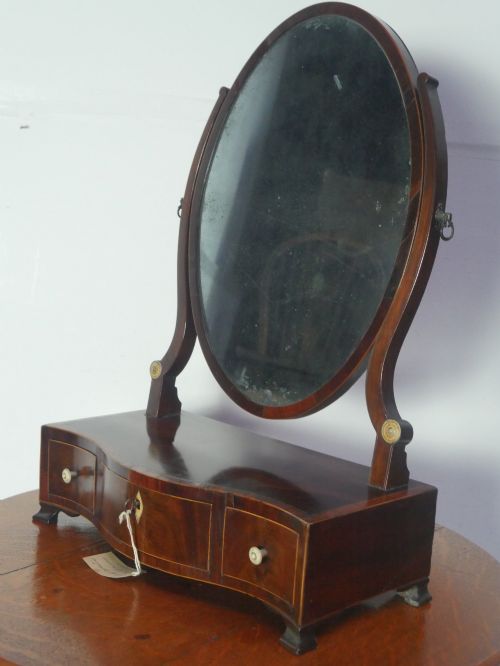
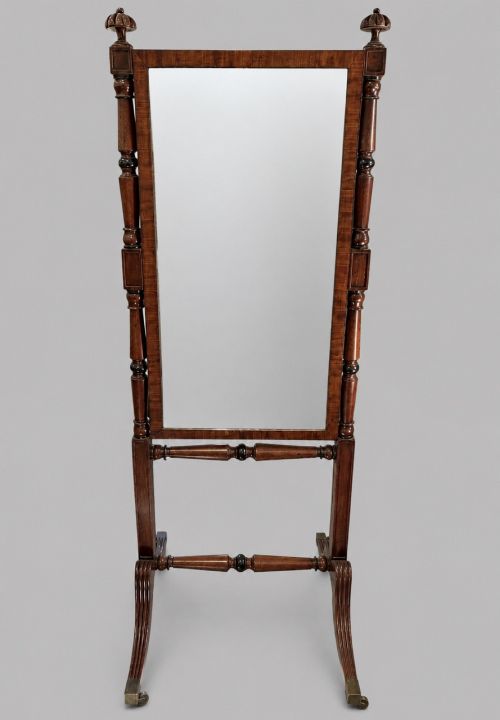
The version most commonly met on this page is the full-height cheval mirror, mounted on a sturdy upright frame that allows the glass to tilt smoothly. Alongside these large standing examples, smaller swing and toilet mirrors appear, built for placement upon dressing tables or chests of drawers.
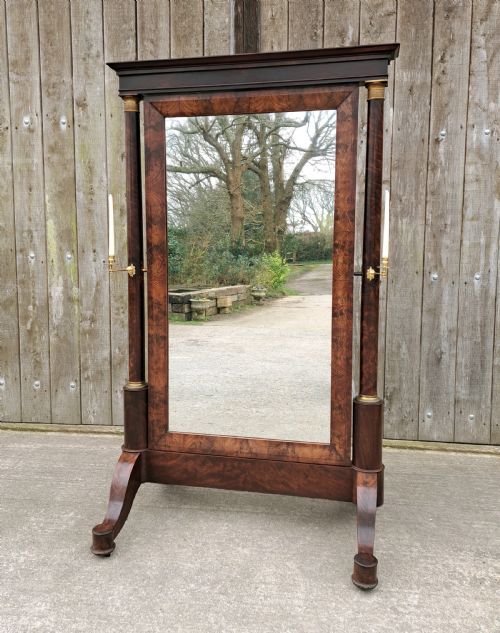
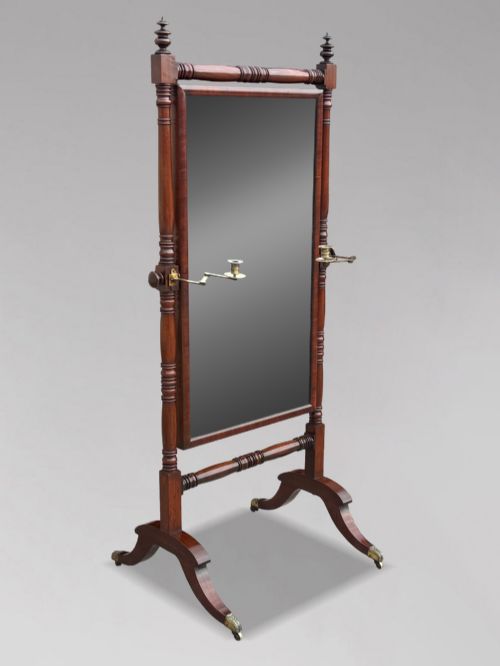
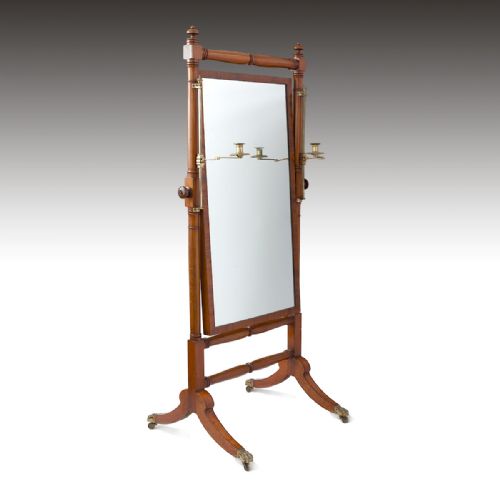
Makers of the period utilised rich timbers and classical proportions, creating pieces that function equally well in contemporary and traditional interiors. The forms range from simple turned frames to grand country house mirrors featuring brass candle holders and sabre legs.
Construction and materials
Cabinet makers constructed these standing frames using solid mahogany and figured mahogany veneers, often enhanced with delicate stringing in boxwood or satinwood. Brass hardware forms an integral part of the construction, appearing as articulated candle holders, decorative rosettes, castors, and protective sabots on the feet.
The mirror glass itself is held within a swinging frame, supported by upright pillars attached to trestle feet or sturdy plinth bases. Joinery relied on traditional techniques, ensuring the tall frames remained stable while bearing the weight of the pivoting glass.
Regency Mahogany Standing Mirror Retail Price Guide 2026
Typical asking prices for regency mahogany standing mirror among the pieces listed under this phrase on Sellingantiques today, from the lower quarter to the upper quarter. They describe what is for sale here now, not the wider market.
Some tall frames hide tiny brass candle holders designed to throw flickering light precisely where the evening cravat required adjustment.
Assessing quality and proportion
Quality in these standing mirrors rests upon the selection of timber and the harmony of the proportions. Superior examples display rich grain figures in the mahogany, crisp turnings, and well-cast brass details rather than plain cast iron or crude replacement fittings.
The engineering of the pivot mechanism also separates standard production from finer workshop output. Well-made frames tilt smoothly and hold their position securely without excessive play in the brass pins or wooden pivots.
Gillows
The Regency Mahogany Standing Mirror Glossary
- Cheval mirror
- A large standing mirror designed to reflect the full figure, mounted in a frame that allows it to swing. These tall glasses usually stand on four legs or a substantial plinth base.
- Swing mirror
- A smaller glass mounted on pivots within a supportive frame, allowing the angle of reflection to adjust. They sit either on dressing tables or directly on the floor as standing cheval versions.
- Sabot
- A metal sleeve or shoe fitted to the foot of a furniture leg, commonly cast in brass on Regency pieces. They protect the timber base and often incorporate castors for mobility.
- Satinwood
- A durable, yellowish timber utilised for contrasting inlay and stringing on mahogany furniture. Cabinet makers favoured it to highlight drawer fronts and frame borders.
Regency Mahogany Standing Mirror: Frequently Asked Questions
What is a cheval mirror?
A cheval mirror is a full-length standing glass suspended in a movable frame, allowing the user to tilt it to various angles. The term derives from the French word for horse, referring to the four-legged trestle stands that support the early examples.
Cabinet makers designed these large mirrors for dressing rooms and bedrooms, where checking complete attire was necessary. They remain practical focal points in modern hallways and dressing spaces.
How do I date a mahogany mirror?
Dating relies on examining the timber grain, construction joints, hardware, and stylistic details such as leg shapes and inlay patterns. Regency and Georgian pieces often feature hand-turned columns, brass sabots, and dense, dark mahogany.
Later Victorian interpretations tend to show heavier proportions or machine-cut components. Comparing the mirror plate for bevels and silvering wear also helps determine its age.
Were these mirrors used for lighting?
Many period standing mirrors include articulated brass candle arms mounted to the upright pillars. These fixtures allowed candles to be swung outward, casting additional light onto the person dressing.
The reflective glass multiplied the candlelight in the room before gas lighting or electricity became common. Surviving candle arms add considerable decorative interest to a piece.
Where should I place a standing mirror?
Standing mirrors suit bedrooms, dressing rooms, and spacious hallways where their height can be fully appreciated. Placing them opposite a window helps bounce natural daylight around the room.
Ensure the floor surface is level so the heavy pivoting frame remains stable. The clearance around the base should allow the glass to tilt freely without obstruction.