
Regency Mahogany Pedestal Table
A regency mahogany pedestal table brings architectural proportion and rich timber grain to dining rooms and libraries alike.
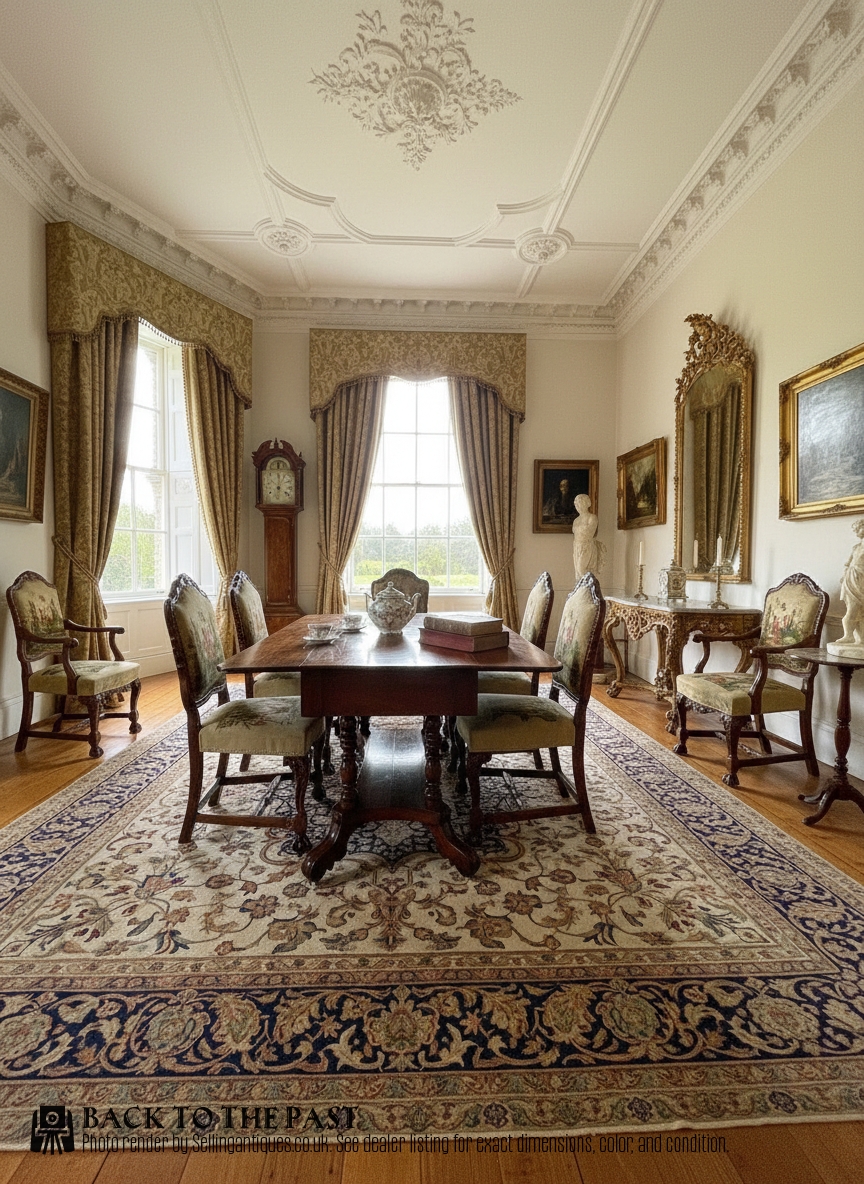
Regency Mahogany Pedestal Table
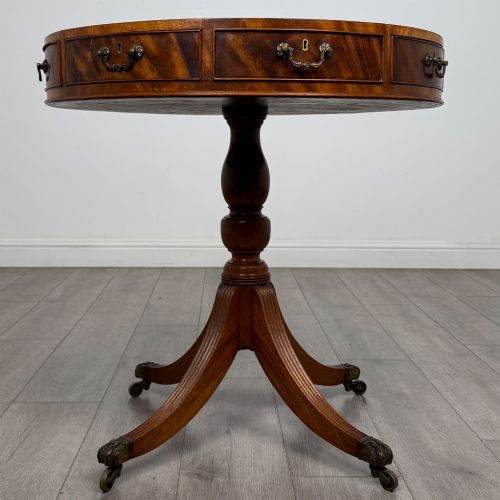
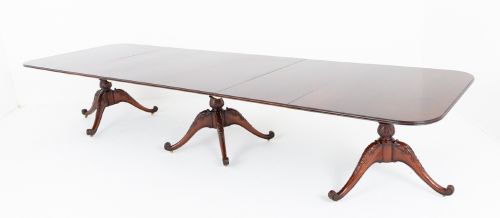
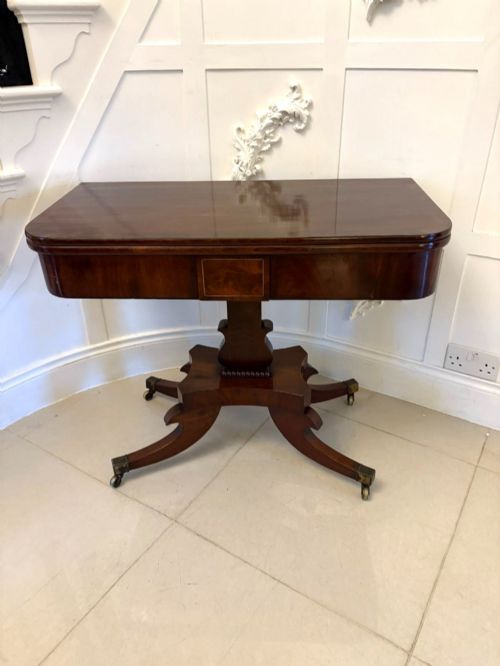
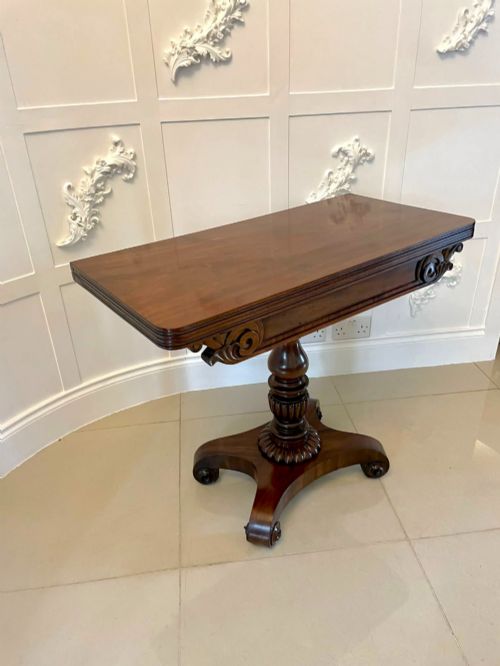
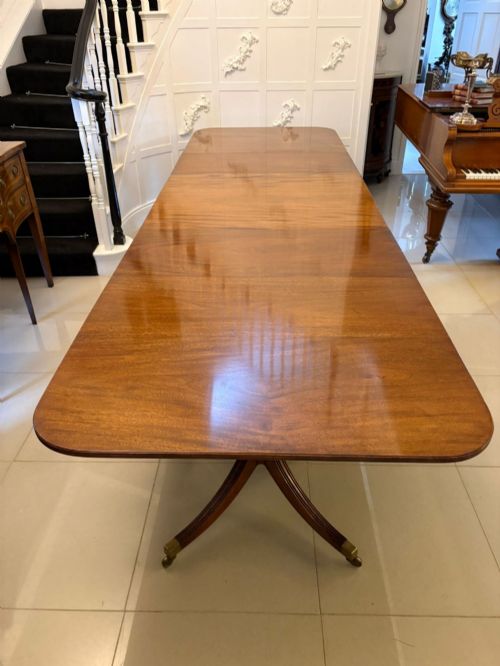
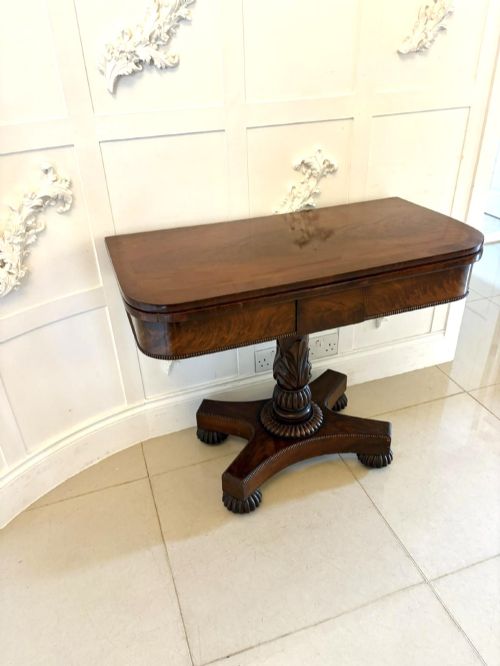
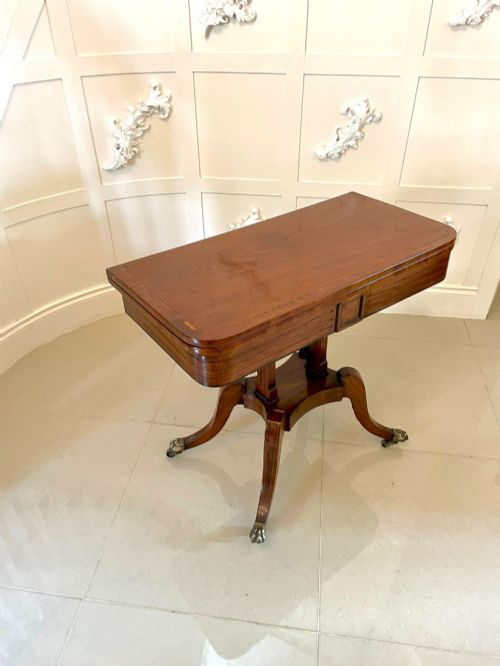
A regency mahogany pedestal table encompasses large multi-pillar dining tables, breakfast tables, and smaller card, drum, or wine tables resting on central column supports. These pieces emerge primarily from the nineteenth century, alongside later revival iterations produced in the twentieth century.
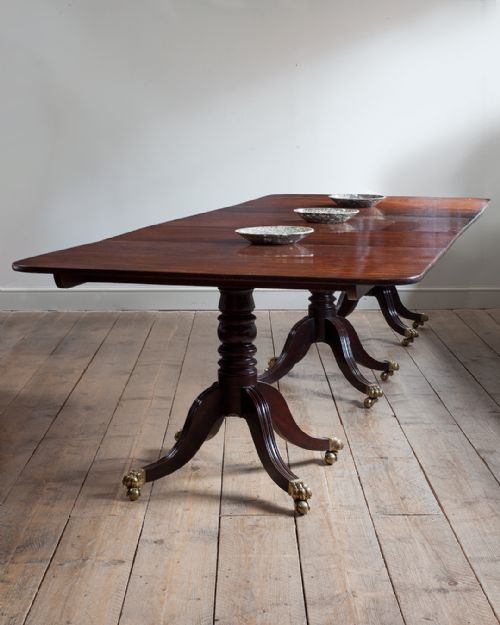
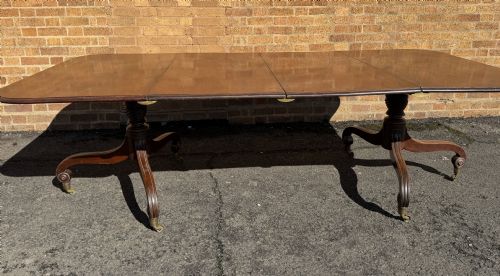
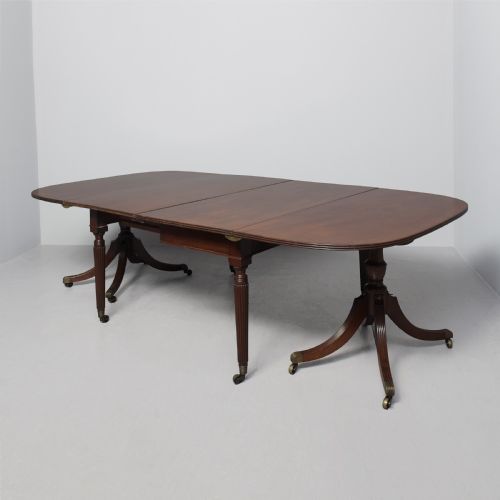
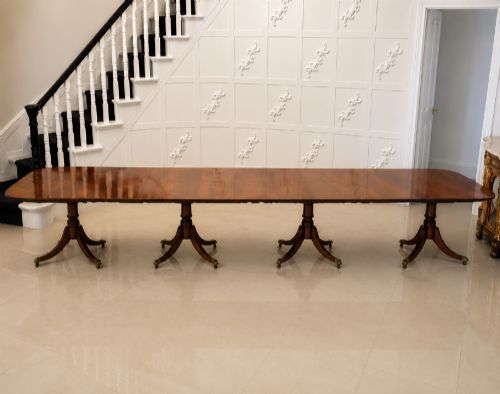
The single pillar occasional and breakfast variants appear frequently alongside expansive twin and triple pedestal dining formats designed to accommodate multiple leaves. Origins span genuine Regency and Georgian periods through to Edwardian interpretations utilising traditional forms.
Materials and Construction
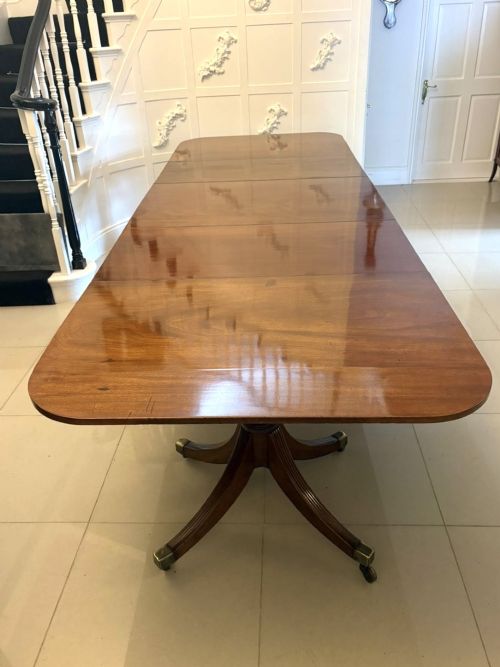
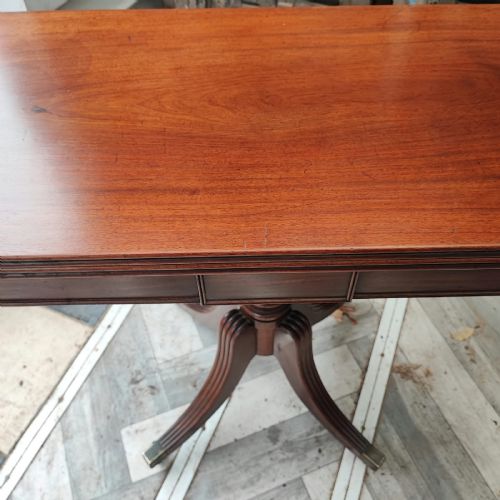
Cabinet makers utilised solid mahogany and figured flame mahogany veneers over secondary timbers, often accentuating the warm grain with hand-polished finishes. Brass inlays, castors, and leather inserts frequently complement the woodwork on specific card and library variants.
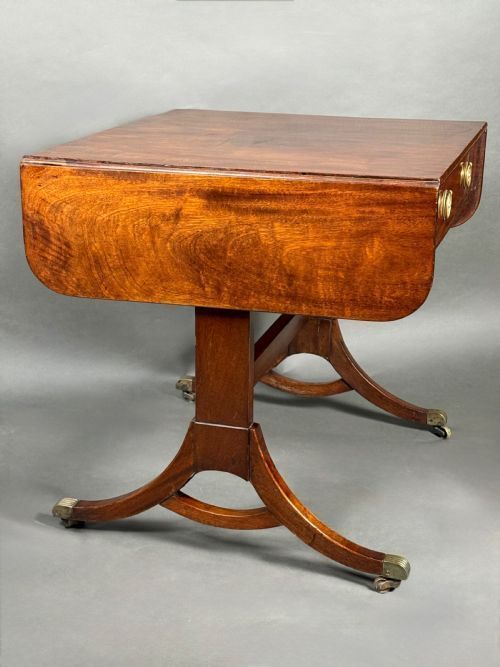
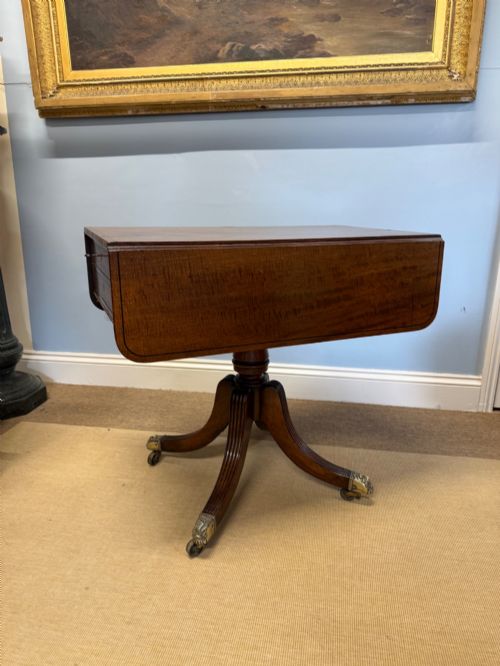
Pedestal bases typically feature central turned or reeded columns rising from tripod or tetrapod sabre legs, while larger dining formats distribute weight across multiple heavy pillars.
Regency Mahogany Pedestal Table Retail Price Guide 2026
Typical asking prices for regency mahogany pedestal table among the pieces listed under this phrase on Sellingantiques today, from the lower quarter to the upper quarter. They describe what is for sale here now, not the wider market.
Wine tables and candle stands kept drinks and illumination close at hand during long Regency evenings without crowding the main board.
Markers of Excellence
Superior examples display striking, highly figured flame mahogany timber matched across table tops and leaves, coupled with crisp carving on the pedestal columns and legs. Lesser quality pieces rely on plain timber grains and simpler, unadorned turned pillars without classical reeding.
The integrity of the extending mechanism and the weight of the underlying brass castors dictate daily practicality in large dining formats, separating workshop masterpieces from later utilitarian builds.
Gillows of Lancaster
The Regency Mahogany Pedestal Table Glossary
- Pedestal table
- A freestanding table supported by a central upright column rather than four corner legs. This construction allows for greater seating clearance around the perimeter.
- Flame mahogany
- A distinctive wood veneer figure resembling flickering flames, created by cutting across the branch junctions of the tree. Cabinet makers prized this visual movement for prominent table tops.
- Card table
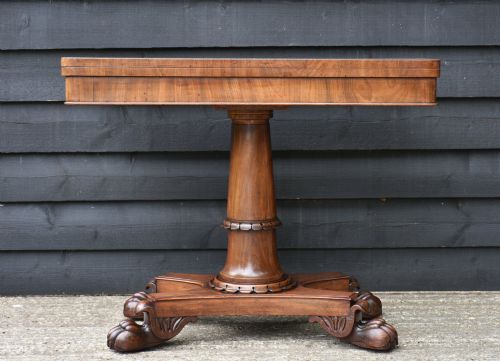
- A folding table designed for gaming, featuring a hinged top that rotates or flips open to reveal a baize-lined surface. These often rest on a single pillar with a pivoting leaf support.
- Sabre leg
- A curving, outward-flaring furniture leg shaped like a cavalry sword. This support style appears frequently on the base of Regency pedestal furniture.
- Drum table
- A circular library table with a deep frieze containing drawers, resembling the shape of a drum. They stand upon a single central pillar and triangular platform base.
Regency Mahogany Pedestal Table: Frequently Asked Questions
How do I seat guests around a pedestal table?
Multi-pillar dining tables distribute central columns to prevent legs from obstructing chairs. Adding leaves allows the timber framework to expand evenly.
Single pedestal breakfast and card tables suit smaller rooms or corners where perimeter leg clearance matters.
Are these tables suitable for everyday dining?
Mahogany surfaces withstand daily use provided they receive proper care with wax rather than harsh polishes. Extending formats adapt easily from family meals to larger gatherings.
Protecting the timber grain from direct heat and moisture preserves the original polish.
How can I tell an original Regency table from a revival piece?
Original nineteenth-century pieces show period construction methods, hand-cut joinery, and natural timber ageing beneath the polish. Revival pieces from the twentieth century often display standardised internal fittings and machine-cut elements.
Examining the underside of the top and the block connecting the pillar reveals the construction era.
What is the difference between a breakfast table and a dining table?
Breakfast tables typically feature a single tilting or fixed circular top supported by a central pedestal base. Dining tables utilise two or more pillars to support long, rectangular extending surfaces.
Breakfast variants originated as versatile morning room furniture before adoption into wider domestic layouts.