

Regency Lamp Stand
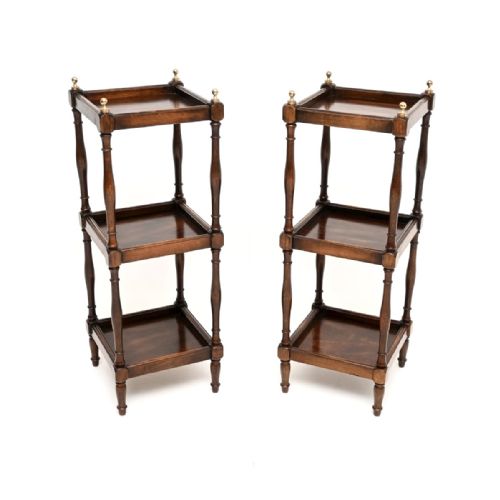
These pieces called regency lamp stand combine slender timbers and metal columns to hold light wherever a dark corner needs illumination.
Regency Lamp Stand
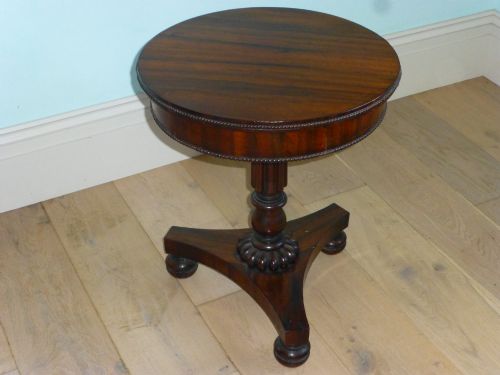
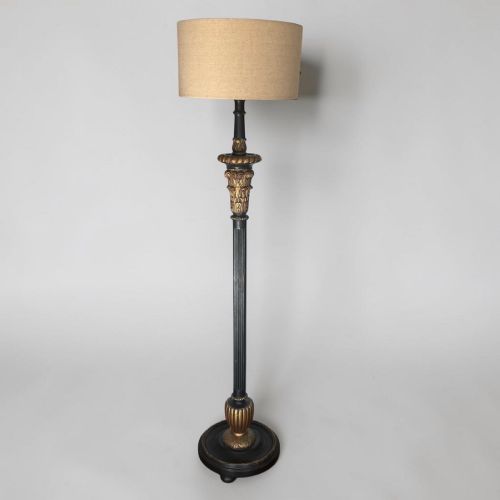
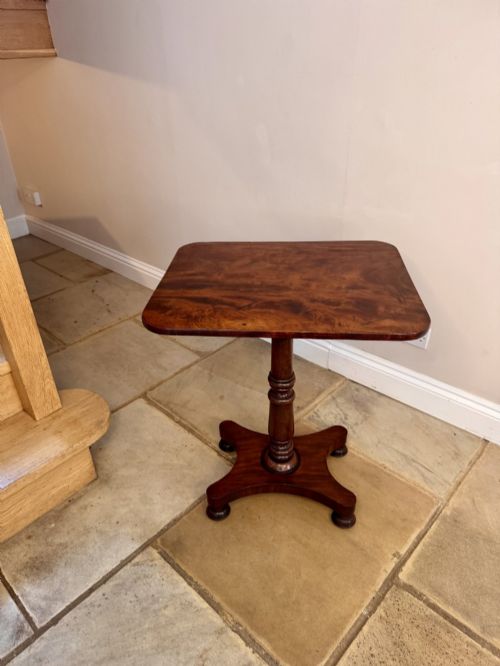
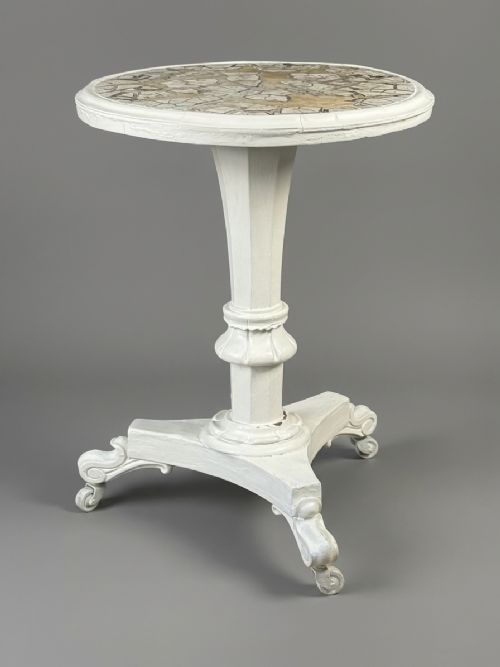
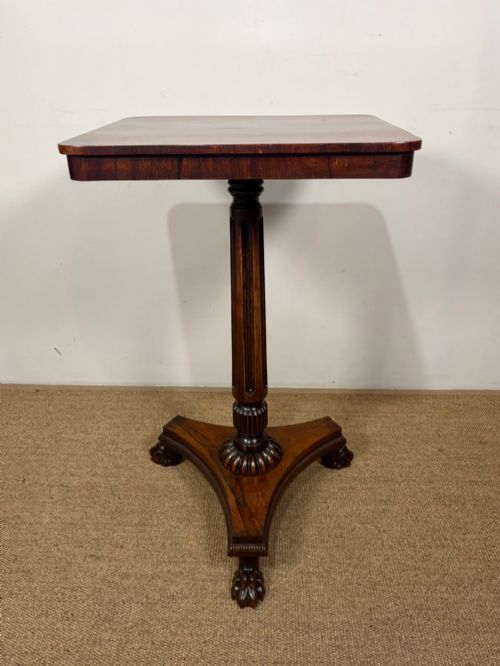
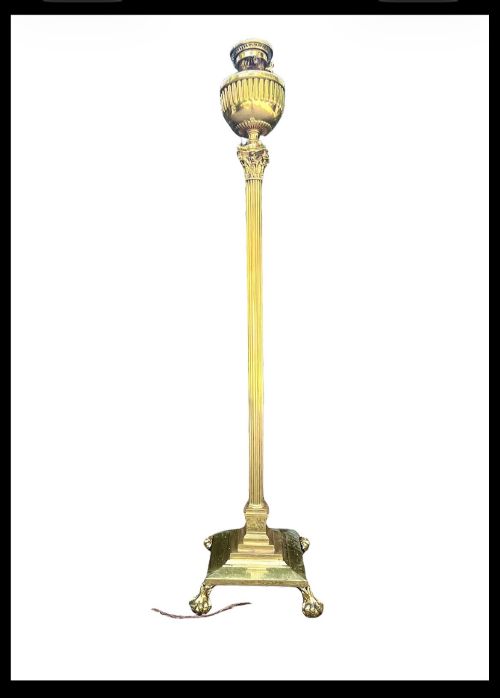
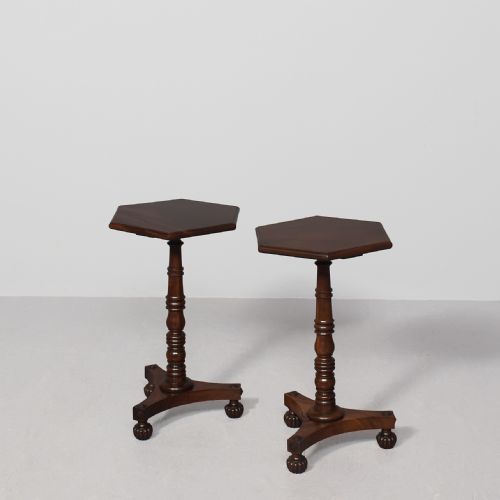
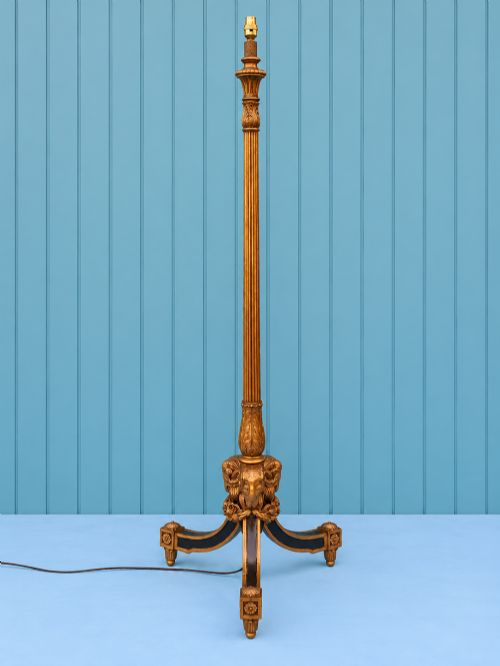
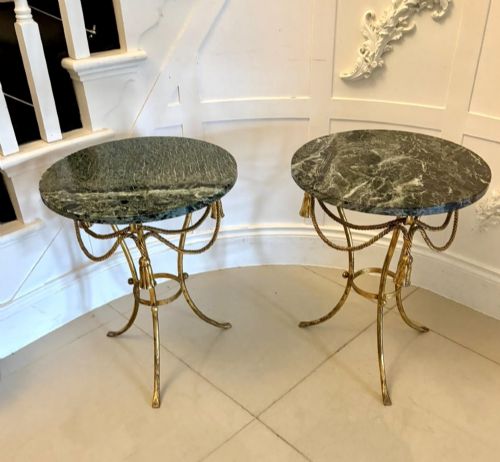
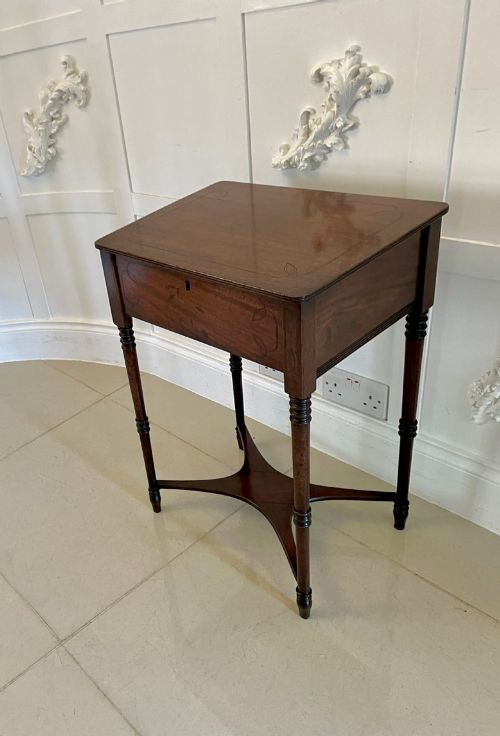
A regency lamp stand brings together small occasional tables, wine tables, floor lamps, and torchieres designed to support illumination or sit beside seating. The selection spans the nineteenth century alongside later revivals, keeping traditional forms alive in domestic spaces.
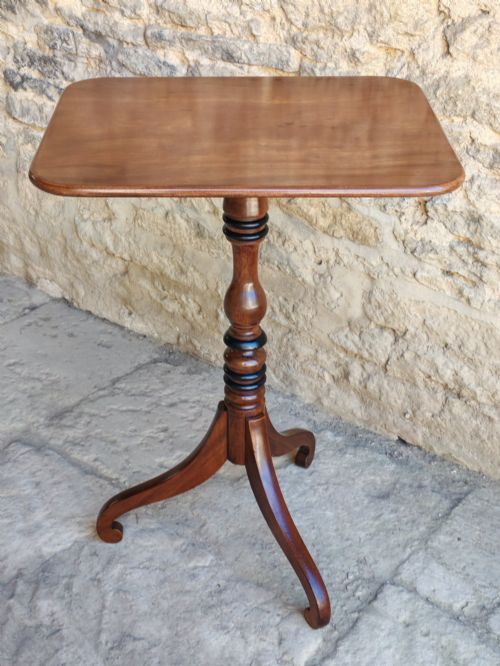
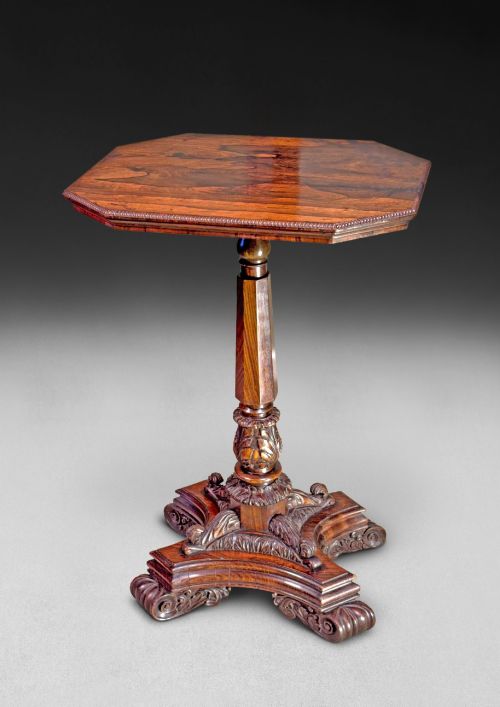
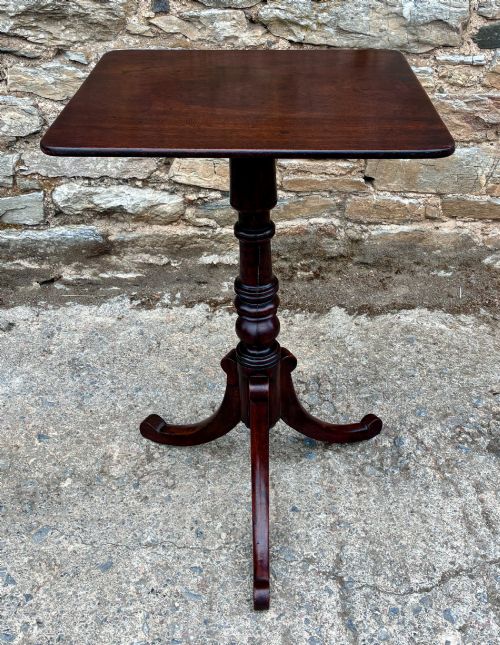
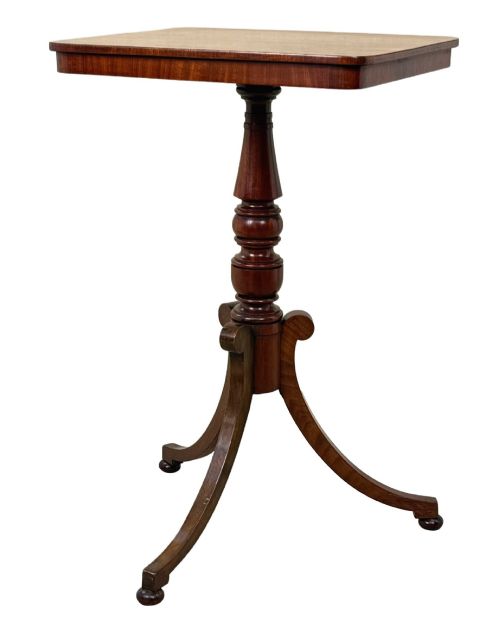
Mahogany, rosewood, and yew wood predominate in the table forms, while brass and gilt metal shape the vertical standards and torcheres. Many examples rest on tripod bases or central pedestals, reflecting the architectural taste of the period.
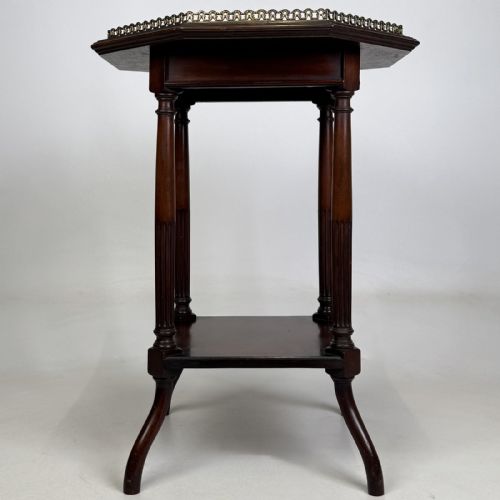
Buyers encounter compact side tables with brass galleries alongside standard lamps and adjustable reading lights. The designs draw on classical vocabulary, offering functional surfaces and upright posts suited to corners and reading chairs.
How they were made
Cabinet makers utilised dense native and imported timbers such as mahogany, rosewood, and yew wood, turning columns on lathes and joining tops with pegged or blocked construction. Finer pieces incorporate boxwood stringing, brass inlays, and galleries to edge the timber surfaces.
Metal standards rely on cast brass, gilt metal, and giltwood, sometimes paired with marble tops or weighted iron bases to secure tall floor lamps and bouillotte designs. Lacquer, paint, and fine surface polishing complete the decorative finish of the wood and metal elements.
Regency Lamp Stand Retail Price Guide 2026
Typical asking prices for regency lamp stand among the pieces listed under this phrase on Sellingantiques today, from the lower quarter to the upper quarter. They describe what is for sale here now, not the wider market.
Tilt-top tables let servants fold the surfaces flat against the wall, clearing space for midnight ghost stories in chilly country houses.
What varies in quality
The choice of timber grain and the precision of the turning set apart standard utility pieces from exceptional workshop output. Subtly figured rosewood veneers and crisp boxwood stringing indicate deliberate craftsmanship rather than mass production.
Stability in the tripod base and the weight of the central column dictate how well a tall lamp or small wine table performs its function. Heavy brass components and solid pedestal joints ensure the piece remains rigid over decades of use.
Maison Bagues·Humphrey Hopper·George Bullock
The Regency Lamp Stand Glossary
- Torchere
- A tall decorative stand designed to support a lamp or candle. These slender supports lift light sources to eye level in a room.
- Tripod table
- A small table resting on three legs branching from a central pillar. This construction prevents wobbling on uneven floors.
- Brass gallery
- A low pierced metal railing fitted around the edge of a table top. It prevents small items from rolling off the surface.
- Tilt top
- A table mechanism allowing the surface to fold vertical when not in use. This clever design saved floor space in period drawing rooms.
- Bouillotte lamp
- An adjustable multi-light standard lamp with a central column. Originally built for card games, it provides focused downward illumination.
Regency Lamp Stand: Frequently Asked Questions
What is a regency lamp stand?
A regency lamp stand covers small occasional tables meant to hold lamps as well as tall floor-standing lighting columns. They originate from the early nineteenth century and later revival periods.
These pieces serve practical functions beside chairs and sofas while bringing classical timber and metalwork into a room.
Where should I place a lamp table?
These compact tables fit comfortably beside reading armchairs, in dark corners, or between twin sofas. Their small footprints allow them to occupy tight spaces without cluttering a floor.
Tall standards and torcheres stand best in corners where they cast light upward or across adjacent seating areas.
How do I identify a genuine period piece?
Look for construction methods appropriate to the nineteenth century, such as hand-cut joints, dense timbers like rosewood and mahogany, and natural wear on the base. Revival pieces from later decades often display heavier machine finishing or different secondary woods beneath.
Checking the weight of brass components and the grain pattern in the timber helps separate original cabinet work from twentieth-century interpretations.
Can these stands support modern electrical lamps?
Most sturdy lamp tables and heavy brass standards accommodate modern lighting fixtures without difficulty. Wine tables and occasional surfaces provide stable platforms for table lamps.
Floor lamps and adjustable metal standards frequently house modern wiring while retaining their historic upright frames.