

Brass Mahogany Occasional Table
A brass mahogany occasional table brings useful surface space and warm timber grain to a room, ranging from compact lamp stands to tripod tea tables.
Brass Mahogany Occasional Table
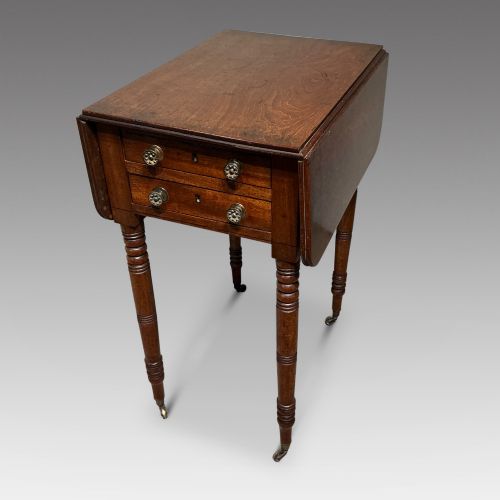
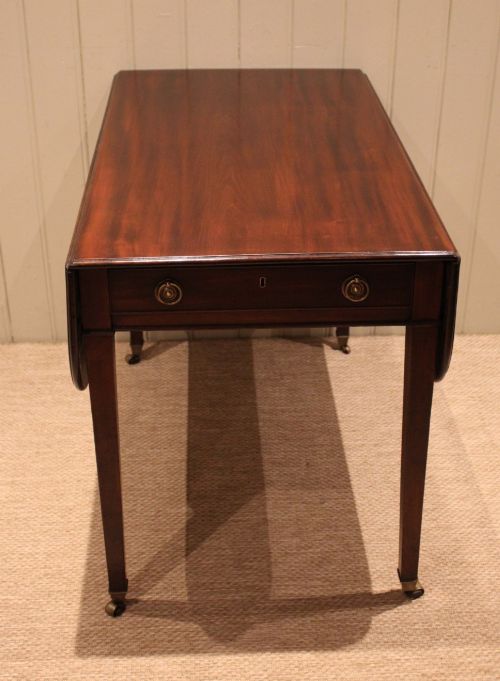
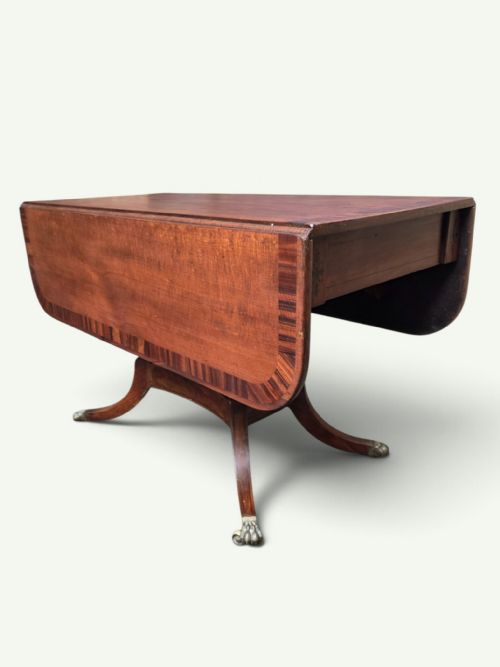
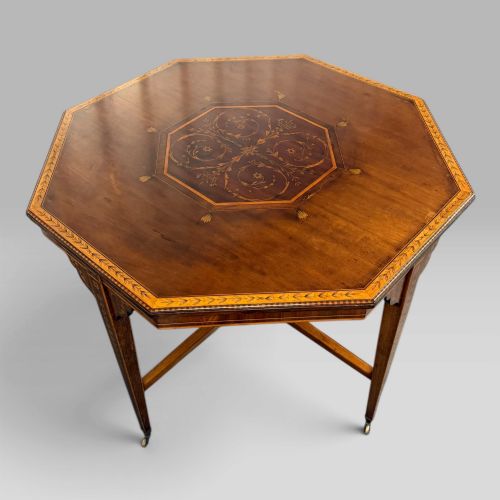
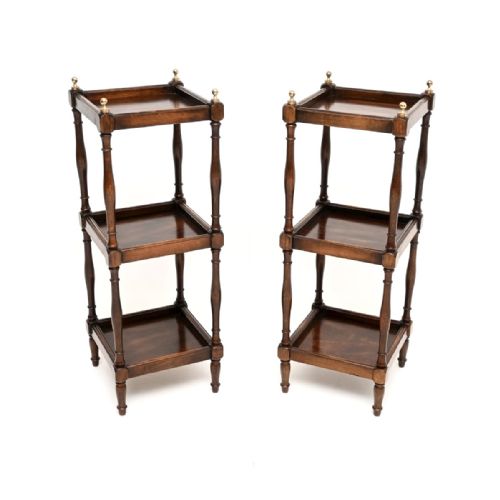
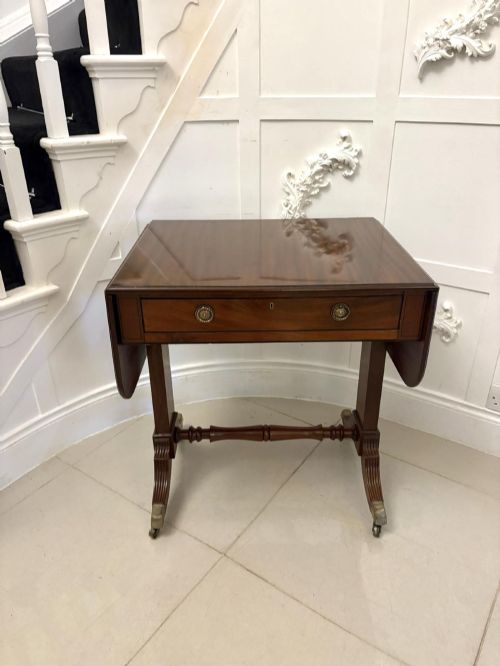
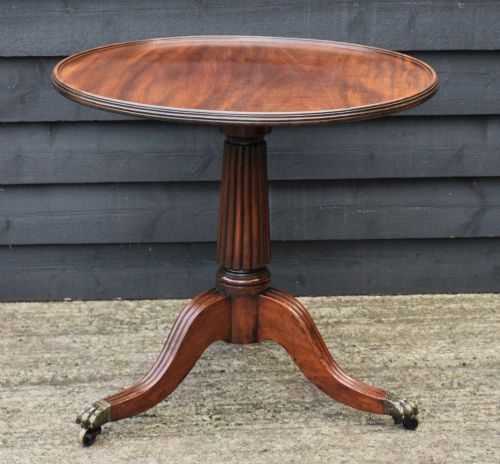
A brass mahogany occasional table encompasses a wide variety of movable furniture pieces designed for specific household tasks, from holding lamps to serving tea. When searching this phrase, buyers encounter formats like drum tables, pembroke tables, and tripod tea tables originating from Georgian, Regency, Victorian, and Edwardian eras.
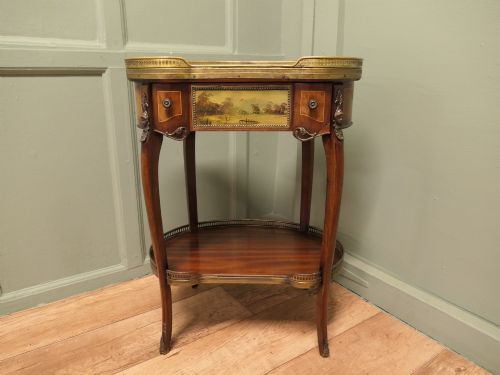
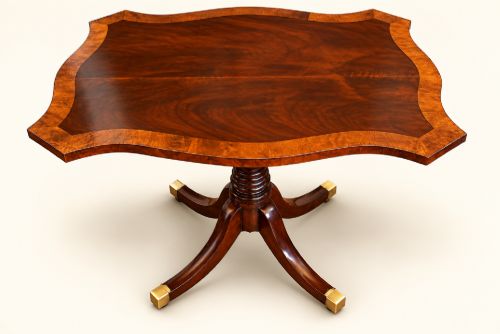
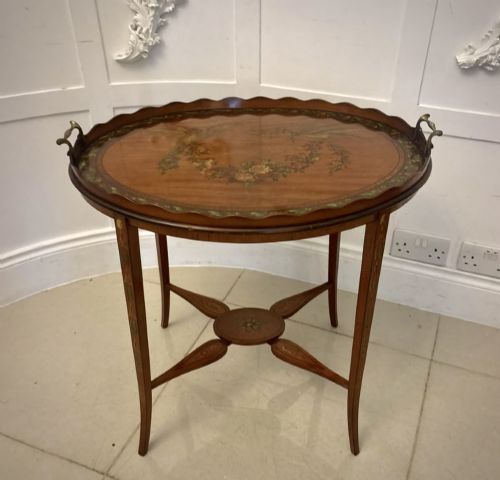
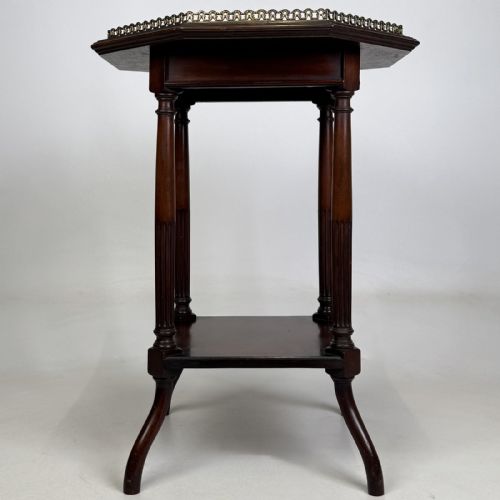
The most common examples on this page are compact side tables and occasional tables featuring timber tops supported by tripod bases or pillar columns, often fitted with casters for mobility. Many incorporate brass galleries around the edge or metal mounts which secure items placed upon the surface.
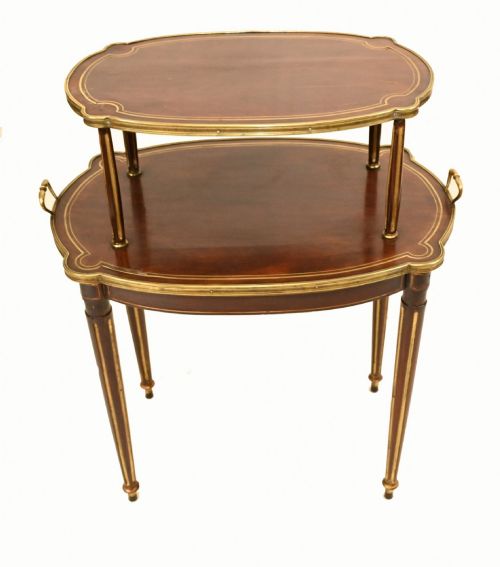
Period pieces span the eighteenth, nineteenth, and early twentieth centuries, including revival styles that emulate earlier Regency and Louis XVI designs. Makers constructed these items as functional furniture for parlours, drawing rooms, and boudoirs.
Materials and construction
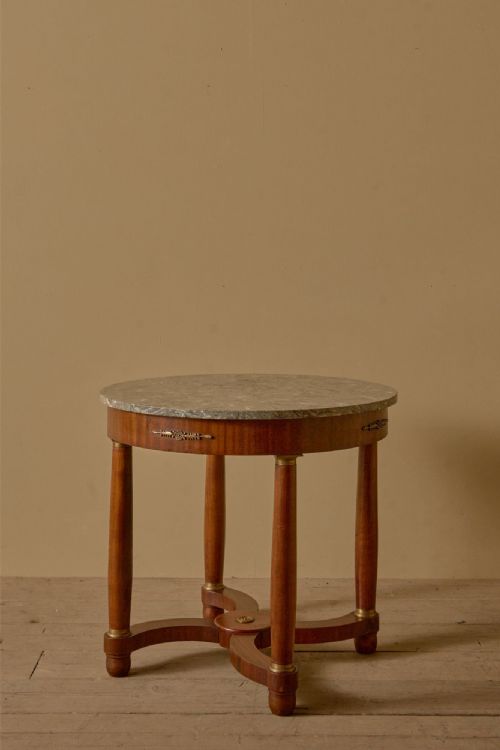
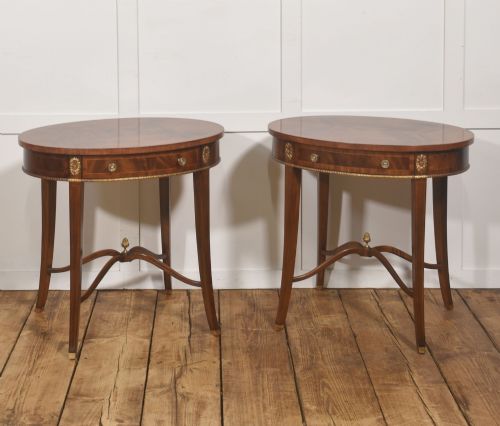
Cabinet makers utilised solid and veneered mahogany for the main structure, selected for its deep reddish-brown tone and stable grain. Workshops frequently added satinwood inlay, leather inserts, or white marble tops to create contrast and texture across the surface.
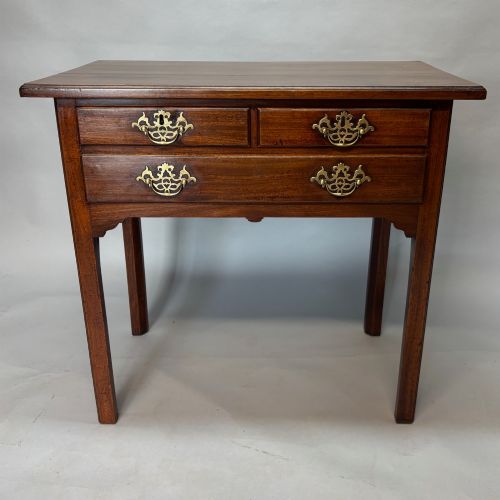
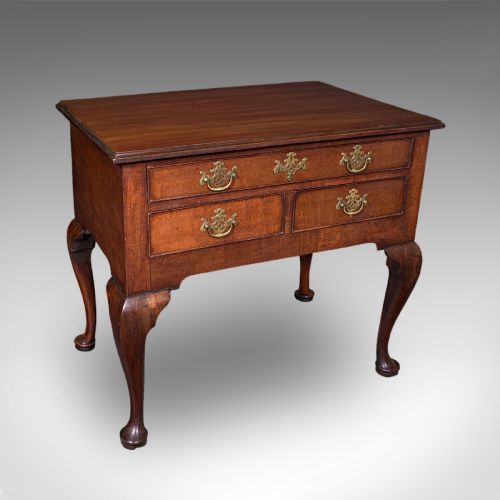
Brass formed an integral part of the construction, appearing as pierced gallery rails, lion paw casters, drop handles, and cast or gilt bronze ormolu mounts. These metal elements required precise casting, chasing, and hand-fitting to secure them to the timber framework.
Brass Mahogany Occasional Table Retail Price Guide 2026
Typical asking prices for brass mahogany occasional table among the pieces listed under this phrase on Sellingantiques today, from the lower quarter to the upper quarter. They describe what is for sale here now, not the wider market.
Listings feature items spanning the eighteenth century through the 1930s, constructed from mahogany, marble, leather, and ormolu.
Markers of execution
Quality rests on the crispness of the timber carving, the choice of flame or figured mahogany veneer, and the weight of the brass mounts. Superior examples display hand-cut joinery and heavy cast brass components rather than stamped sheet metal.
Makers who supplied high-end Parisian and London showrooms ensured that moving parts, such as tilt-top mechanisms, revolving table tops, and drop flaps, operated smoothly and locked securely into place.
Maison Millet·Antoine Lampre·François Linke·A Hugnet·W Turner Lord and Co·Andrew Thomson and Sons
The Brass Mahogany Occasional Table Glossary
- Ormolu
- Gilded bronze mounts applied to furniture, common in French cabinet making. This technique involves coating bronze with a gold amalgam.
- Pembroke table
- A small rectangular table with hinged drop leaves on two opposing sides. Thomas Chippendale supplied some of the earliest recorded examples.
- Tripod base
- A support structure featuring three legs radiating from a central pillar. This design prevents rocking on uneven historical floors.
- Brass gallery
- A low pierced metal rail fitted around the perimeter of a tabletop. It prevents objects from sliding off when the table is moved.
- Tilt top
- A mechanism allowing the tabletop to pivot to a vertical position when not in use. This feature allowed tables to be stored flat against a wall.
Brass Mahogany Occasional Table: Frequently Asked Questions
What is a brass mahogany occasional table used for?
These tables served flexible purposes in period homes, functioning as stands for lamps, tea service, or writing materials. Their portable nature allowed servants to move them around sitting rooms as needed.
Today, they act as functional accent pieces beside sofas or beds, providing convenient surface space without dominating a room.
How do I date a mahogany and brass table?
Dating relies on observing construction methods, timber selection, and hardware styles alongside the overarching design period. Georgian and Regency pieces tend to feature hand-cut dovetails and heavy brass casters, while Edwardian versions often incorporate satinwood inlay and lighter brass galleries.
Maker stamps or labels found beneath the top or within drawers provide definitive attribution to specific nineteenth or twentieth-century workshops.
Are tilt top tables stable?
Tilt top tables utilise a catch mechanism beneath the surface to lock the top horizontally onto the central pillar. When properly maintained, this pivot remains secure during normal daily use.
Collectors should check that the original latching mechanism operates smoothly without excessive wobble in the pivot joint.
How should I care for the brass and mahogany?
Maintenance involves dusting the mahogany regularly with a dry cloth and occasionally applying traditional beeswax to nourish the timber grain. Avoid modern silicone sprays which can damage historical French polish.
Brass elements can be cleaned gently with a soft cloth, taking care not to let cleaning pastes touch the surrounding wood.