


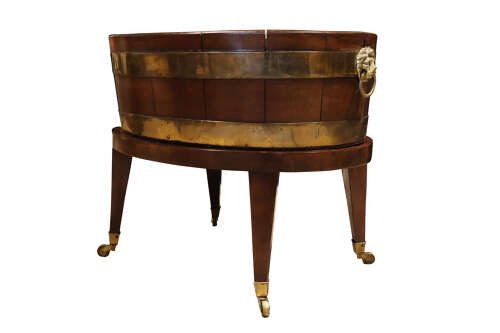
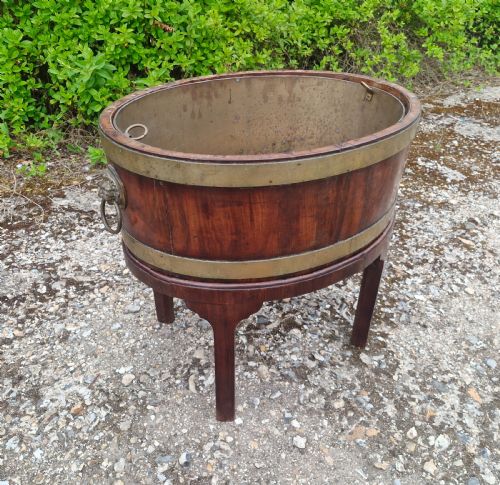


Regency Jardiniere Stand
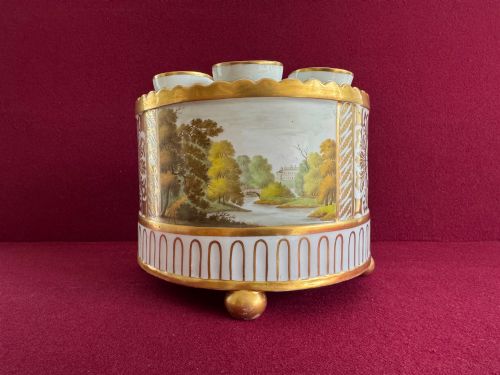
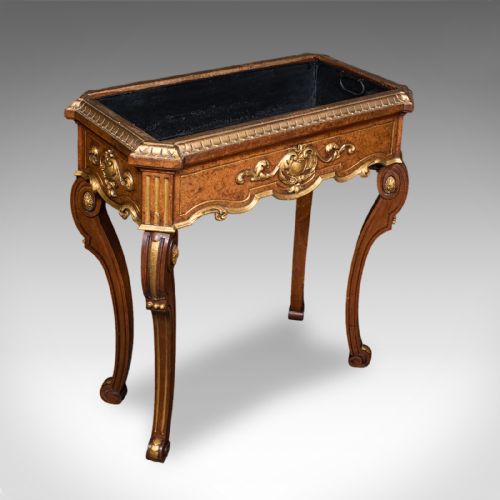
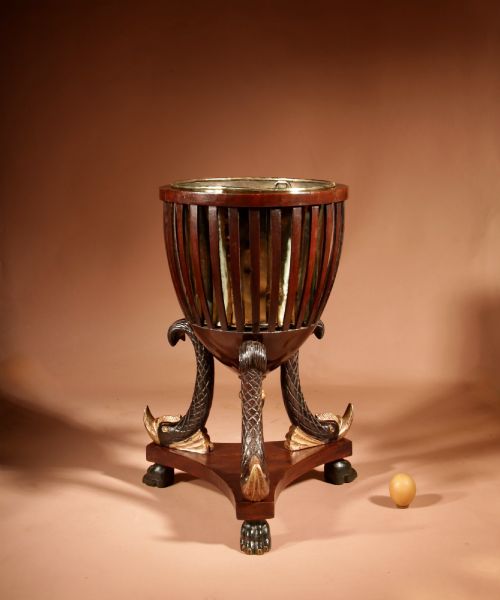
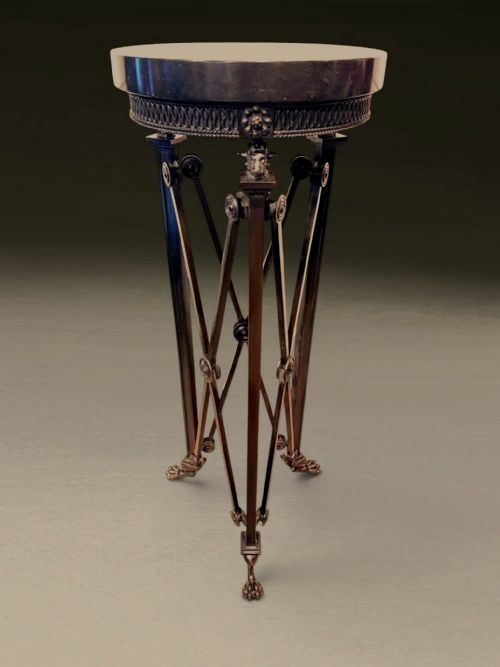
A regency jardiniere stand brings architectural plant display indoors, combining classical proportion with practical botanical holders for drawing rooms and reception spaces.
Regency Jardiniere Stand
A regency jardiniere stand serves to elevate indoor plants, flowers, and botanical displays within formal rooms. These pieces combine classic proportion with functional holders, functioning as plant stands, planter tables, and cachepot supports.
The selections encountered here span the nineteenth century, drawing heavily upon Regency, Georgian, William IV, and French Empire aesthetics. Common forms include pedestal stands, wine coolers adapted for planting, and elaborate tripod or multi-tier tables.
Makers and makers' circles of this period utilised rich timber frames and metal liners to contain damp soil and water. Buyers will find variations ranging from country house giltwood and wirework to rosewood and mahogany pedestal designs.
Assessing craftsmanship and condition
Quality separates pieces through the crispness of carved enrichment, the selection of figured timber veneers, and the integrity of internal metal liners. Finer examples retain original bronze mounts, brass lion paw feet, and tightly coopered staves without shrinkage gaps.
The presence of original waterproof inserts and undamaged marble tops distinguishes superior pieces from later adaptations or replacements. Structural stability in slender pedestal shafts and tripod legs remains essential for supporting heavy planted vessels.
Regency Jardiniere Stand Retail Price Guide 2026
Typical asking prices for regency jardiniere stand among the pieces listed under this phrase on Sellingantiques today, from the lower quarter to the upper quarter. They describe what is for sale here now, not the wider market.
Materials recorded across these pieces include mahogany, brass, marble, walnut, rosewood, metal, bronze, and paint.
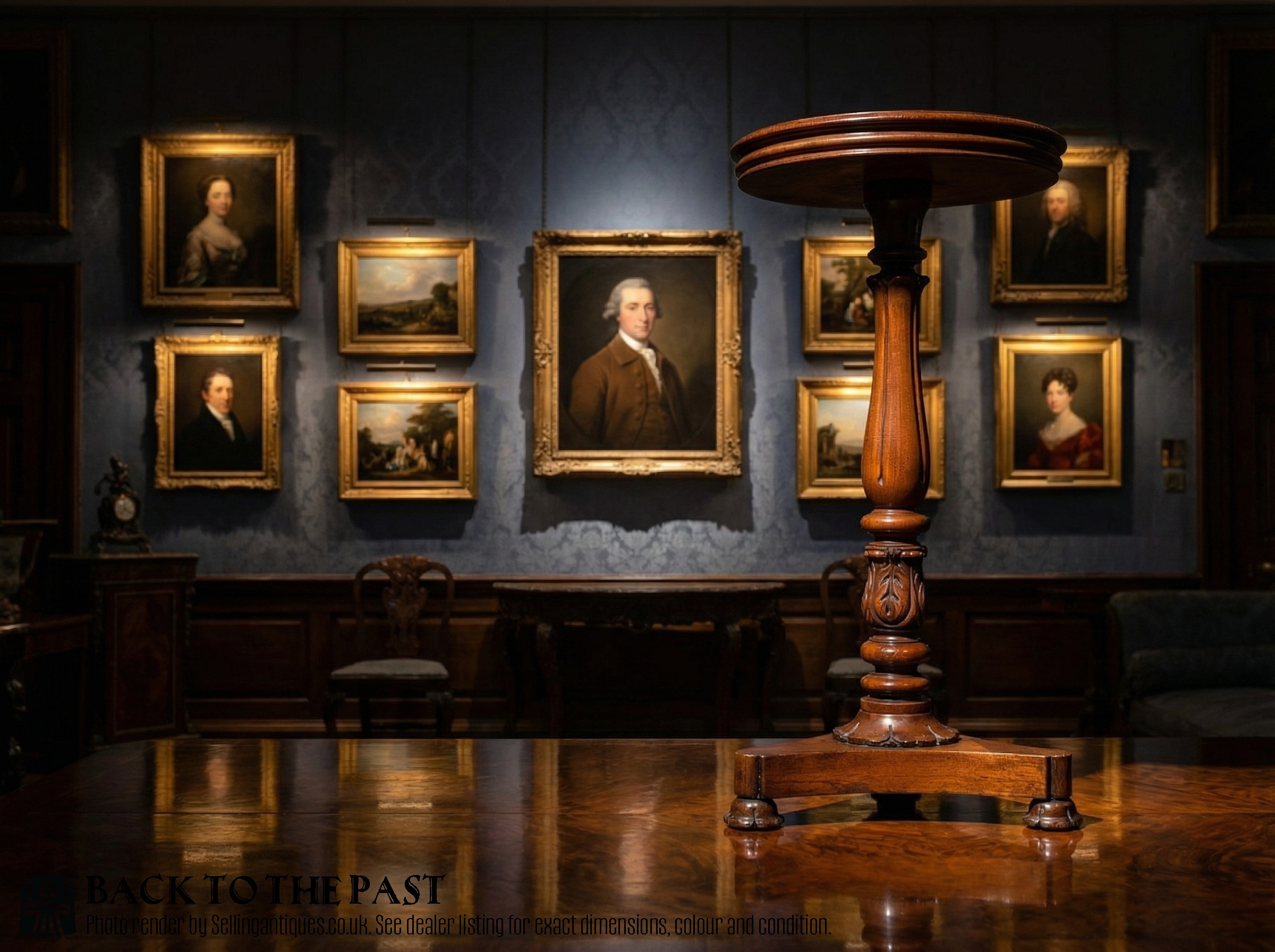
The Regency Jardiniere Stand Glossary
- Jardiniere
- An ornamental pot or stand designed to hold plants or flowers. These items often feature decorative metal liners to protect the surrounding furniture.
- Coopered
- Built using wooden staves joined together side by side and bound by metal hoops, a technique borrowed from barrel making. This method ensured watertight construction for wine coolers and plant buckets.
- Cachepot
- An ornamental container used to conceal an ordinary flowerpot. In period rooms, these sat within stands or atop tables to maintain a polished interior appearance.
- Athenienne
- A tripod stand supporting a classical bowl or basin, frequently adapted during the Regency period for botanical displays. The form references ancient Greek and Roman tripods.
- Wine Cooler
- A vessel originally intended for chilling bottles in ice, frequently adapted as a jardiniere or plant stand in later periods. Their lead or metal linings made them suitable for holding damp soil.
Regency Jardiniere Stand: Frequently Asked Questions
What is a regency jardiniere stand used for?
These stands were designed to elevate potted plants, flowers, and greenery within reception rooms and parlours, bringing living botany indoors.
They provided a decorative focal point while protecting delicate floor surfaces and carpets from water damage through the use of integrated metal liners.
How do I tell a wine cooler from a jardiniere stand?
Wine coolers and jardinieres share similar coopered or metal-lined bucket forms because both required waterproof interiors for liquids or damp soil.
Original function often depended on whether the piece was built with bottle storage dividers or left open to receive standard plant pots.
Where should I place a jardiniere stand at home?
These pieces suit placement in bay windows, hallways, or beside formal seating areas where natural light supports indoor plants.
Their decorative timber frames and classical mounts allow them to function as standalone decorative pedestals even when unplanted.
How do I care for the wood on an antique stand?
Protect the timber surfaces by ensuring all flower pots use secure saucers or liners to prevent water rings and moisture damage to the veneer.
Routine dusting and occasional application of appropriate furniture wax help maintain the lustre of mahogany, walnut, and rosewood.