


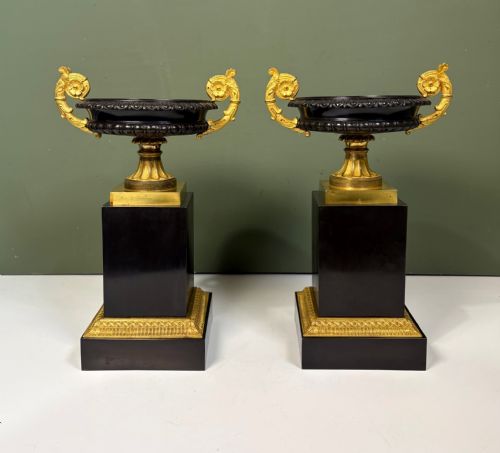


Regency Gilt Centerpiece
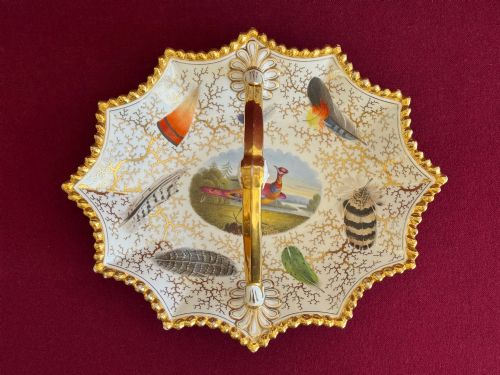
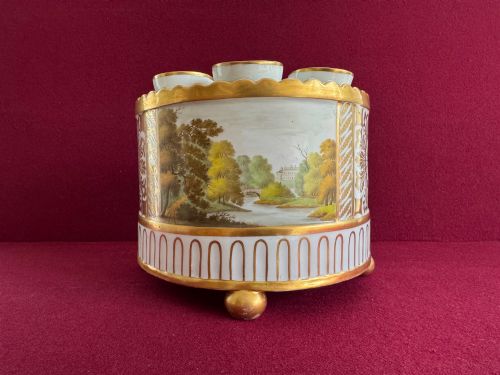
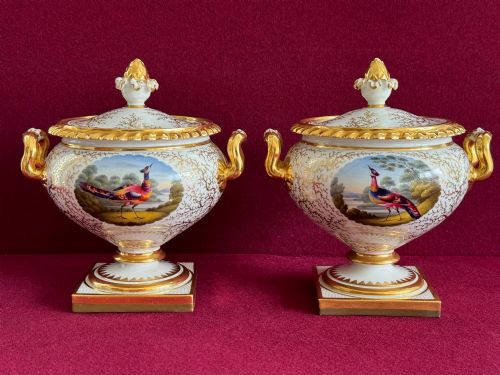
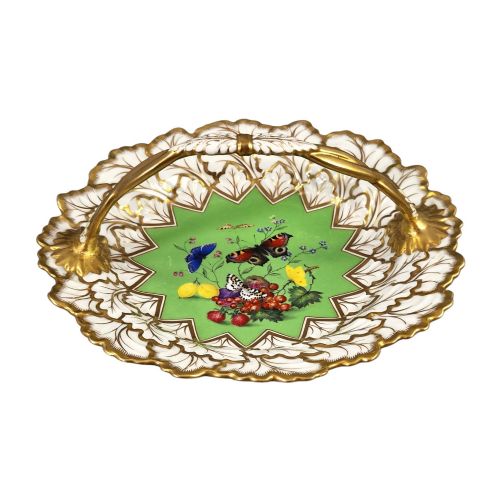
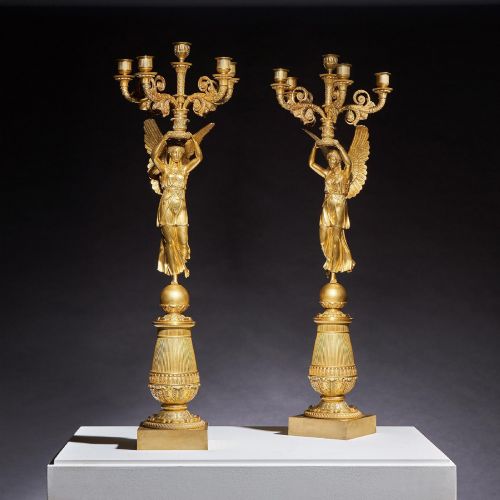
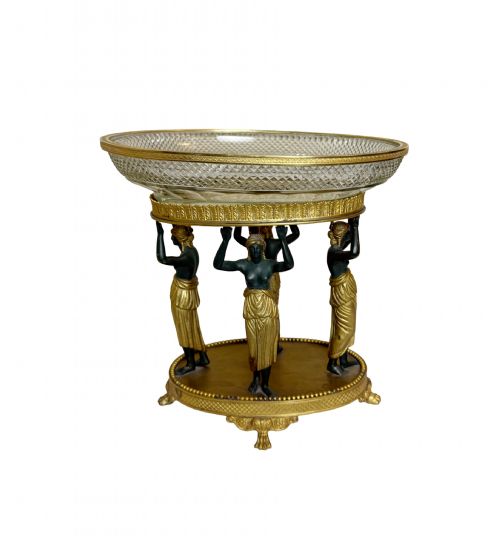
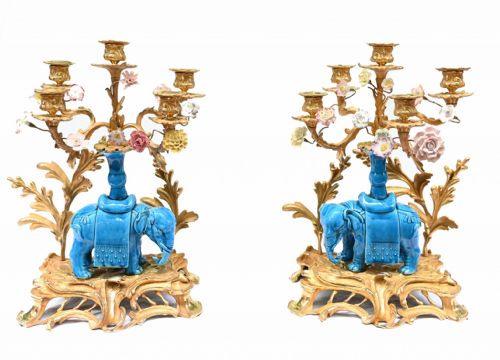
These regency gilt centrepiece items bring classical splendour to a table, combining polished bronze and gleaming gilding with decorative porcelain.
Regency Gilt Centerpiece
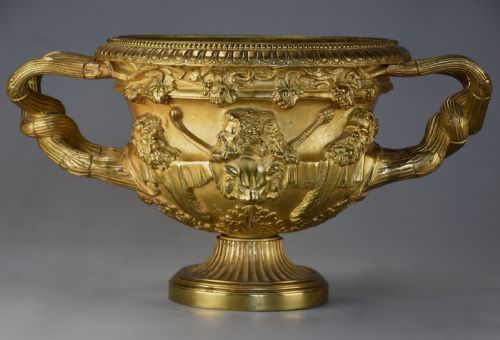
A regency gilt centrepiece brings together ornamental metalwork and ceramics from the nineteenth century, including the Regency and Georgian periods. Buyers encounter varied forms such as tazzas, urns, candelabras, and decorative bowls.
The objects frequently reflect Neoclassical and French Empire styles, incorporating materials like ormolu, patinated bronze, and ironstone ceramic. Many examples demonstrate grand tour influences or incorporate specialist details like crystal and malachite.
Originating largely from English and French workshops, these pieces serve as striking decorative focal points. The selection ranges from porcelain baskets to bronze and ormolu compotes.
How they were made
Maker workshops utilised cast bronze and ormolu, applying mercury gilding to achieve deep, rich metallic surfaces that contrast against patinated elements. Skilled artisans combined these metals with hand-painted porcelain and ironstone ceramic.
Detailing often involved delicate chasing of bronze alongside the shaping of crystal, alabaster, and semi-precious stones such as Blue John. Construction methods allowed for complex assemblies like adjustable candelabra arms and multi-tiered tazzas.
Elephants and cherubs occasionally support the weight, proving that nineteenth-century dining tables took their decorative creatures very seriously indeed.
What varies in quality
Quality rests in the crispness of the bronze casting and the precision of the hand-chased surface details. Superior pieces display sharper definition in figural elements like cherubs and elephants.
The integration of materials dictates distinction, separating standard productions from works incorporating malachite, crystal, or fine porcelain painting. Balance in proportion and the preservation of the original gilding define the upper tier.
Flight Barr And Barr·Pierre Philippe Thomire·Coalport Or Coalbrookdale·Mason S Patent Ironstone
The Regency Gilt Centerpiece Glossary
- Ormolu
- Gilded bronze, where finely ground gold is applied to a base metal using mercury. This technique produces a durable, rich yellow metallic finish.
- Tazza
- A shallow saucer-like ornamental vessel raised on a stem and foot, used for display on dining tables.
- Patinated bronze
- Bronze that has been chemically treated to produce a darkened surface finish, creating contrast with gilt details.
- Grand Tour
- The cultural journey undertaken by wealthy young Europeans to see the art and antiquities of the continent, inspiring miniature decorative objects.
- Ironstone ceramic
- A patented ceramic body developed in the nineteenth century for durability, often decorated in colourful Chinoiserie patterns.
Regency Gilt Centerpiece: Frequently Asked Questions
What is a regency gilt centrepiece used for?
These pieces served as grand decorative focal points on dining tables or sideboards during the nineteenth century. They held fruit, flowers, or simply displayed the wealth and taste of the owner through elaborate metalwork.
Today, they function as striking interior ornaments that anchor a room's decorative scheme. Their architectural forms suit placement on large tables, mantelpieces, or dedicated display surfaces.
How do I identify a Regency period piece?
Regency items typically display strong Neoclassical influence, drawing motifs from ancient Rome and Greece. Look for clean classical lines combined with rich patinated bronze and bright ormolu.
Materials such as alabaster, crystal, and early nineteenth-century porcelain often accompany the metalwork. Exact dating relies on stylistic clues and known manufacturer patterns from the era.
Are these items made of solid gold?
No, these objects use ormolu, which is gilded bronze. Artisans applied a gold amalgam to a bronze base and heated it to vaporise the mercury, leaving a thin gold layer.
This technique provided the appearance of solid gold while utilising the structural strength of bronze. The underlying metal shows through only where the gilding has worn away over time.
How should I clean my centrepiece?
Gilded bronze and ormolu require gentle dusting with a soft, dry brush to prevent scratching the delicate metallic surface. Avoid using chemical cleaners, polishes, or water, as these can strip the historic gilding.
Porcelain and crystal components tolerate careful cleaning with a damp cloth, provided moisture stays away from the metal mounts. Professional conservation is recommended for valuable or fragile pieces.