
Decorative Gilt Urn
When you search for a decorative gilt urn, you are looking at ornamental vessels that bring classical form and metallic warmth into a room.
Decorative Gilt Urn
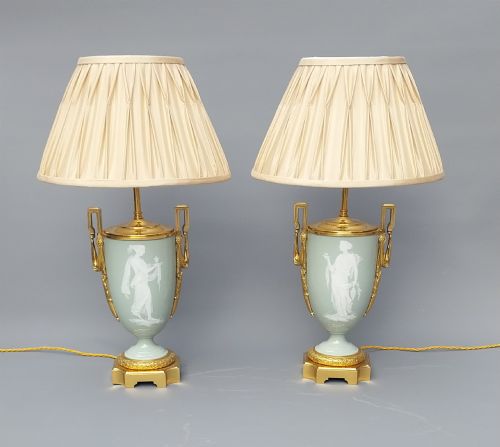
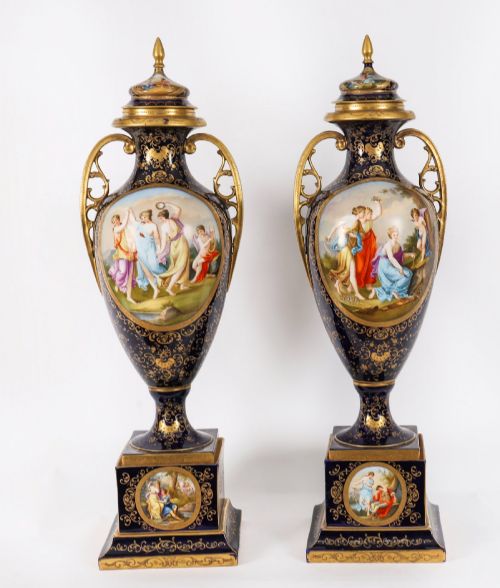
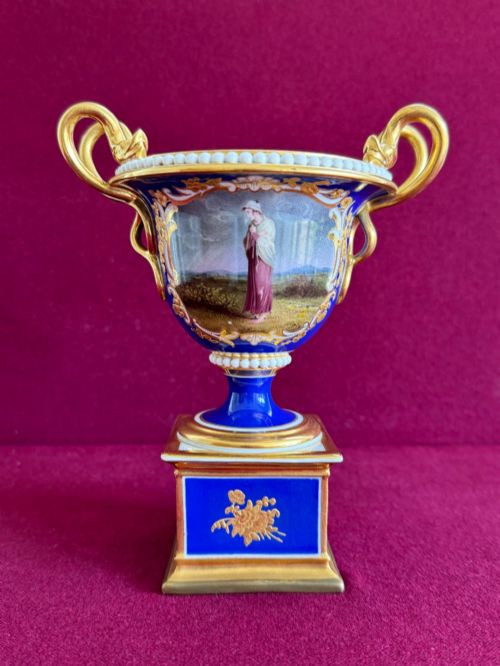
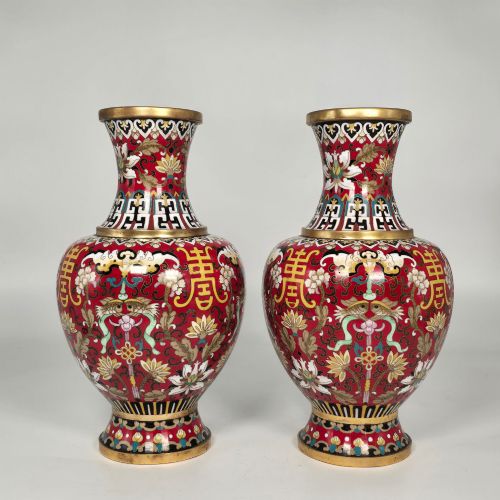
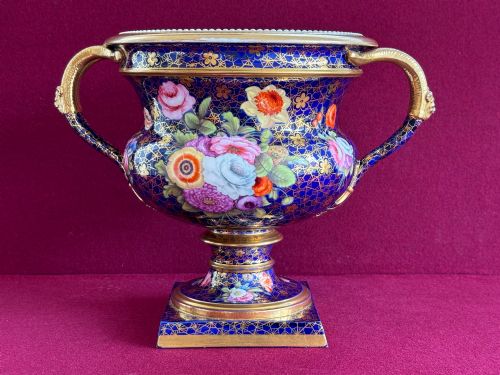
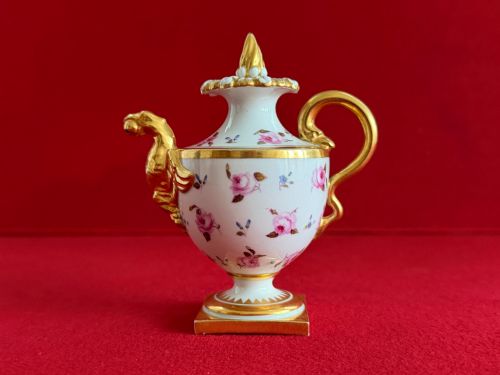
A decorative gilt urn serves primarily as an ornamental object, drawing on classical antiquity to provide a focal point on a mantelpiece, console table or pedestal. These vessels appear in various forms across the nineteenth century, including campana shapes, lidded cassolettes and twin-handled vases.
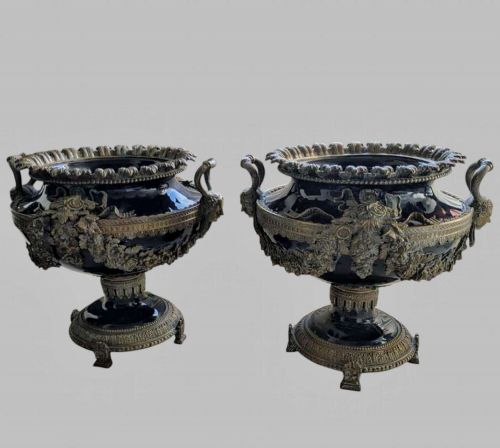
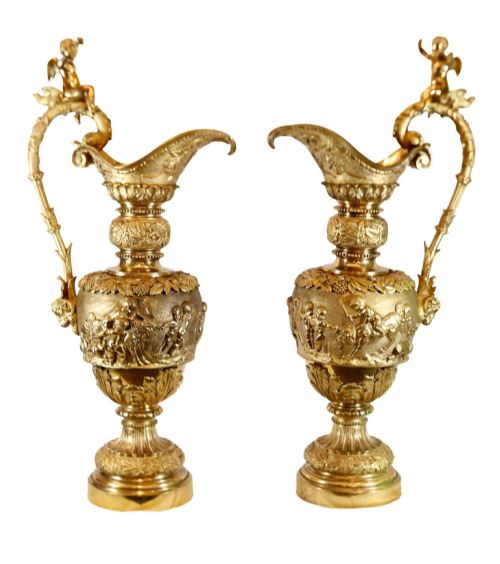
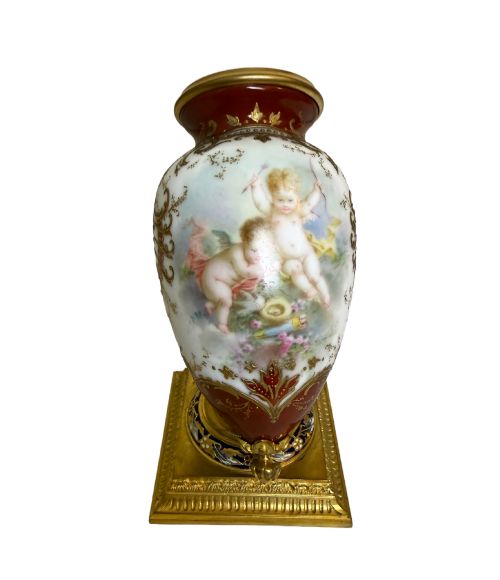
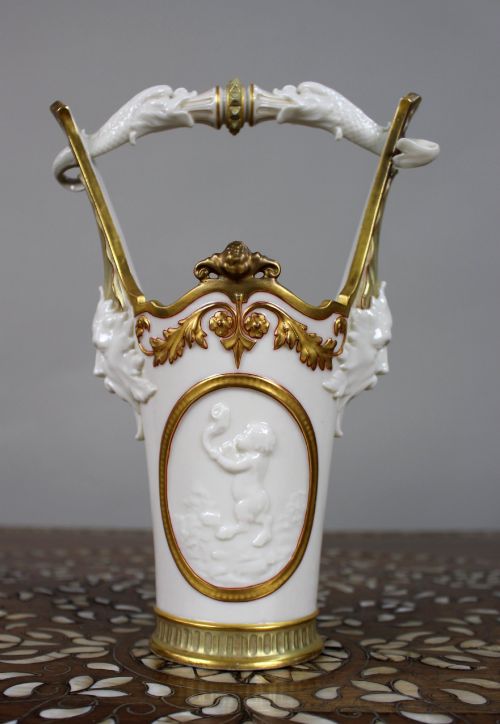
The materials span porcelain bodies with gilded bronze mounts, solid patinated bronzes with ormolu details, and earthenware or glass enriched with gold leaf. Many originate from French workshops or English potteries, reflecting the enduring popularity of Neoclassical and Revival aesthetics.
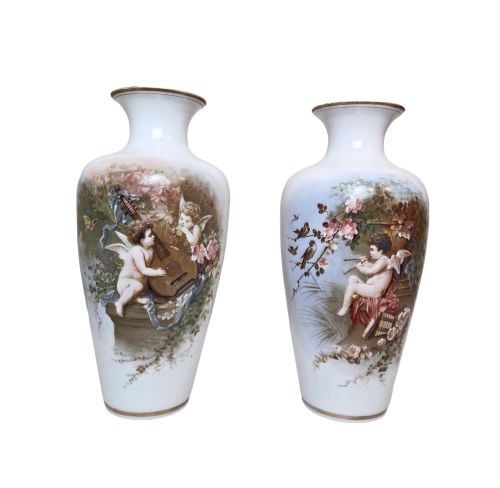
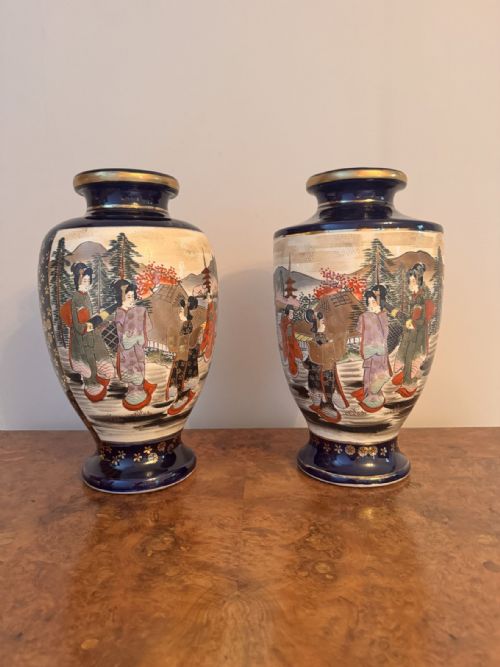
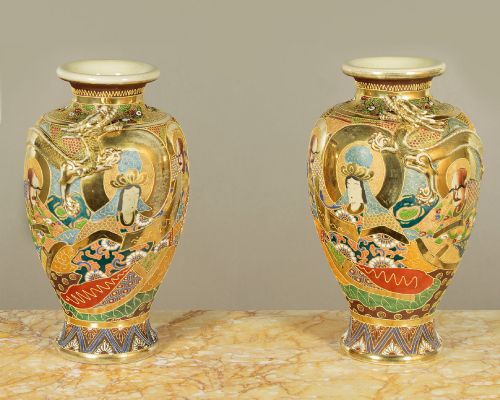
Buyers encounter matched pairs designed for symmetrical placement as well as single monumental display pieces. Whether executed in porcelain painted with pastoral scenes or cast entirely in metal with classical masks, each item combines utilitarian vessel shapes with purely decorative ambition.
How they were made
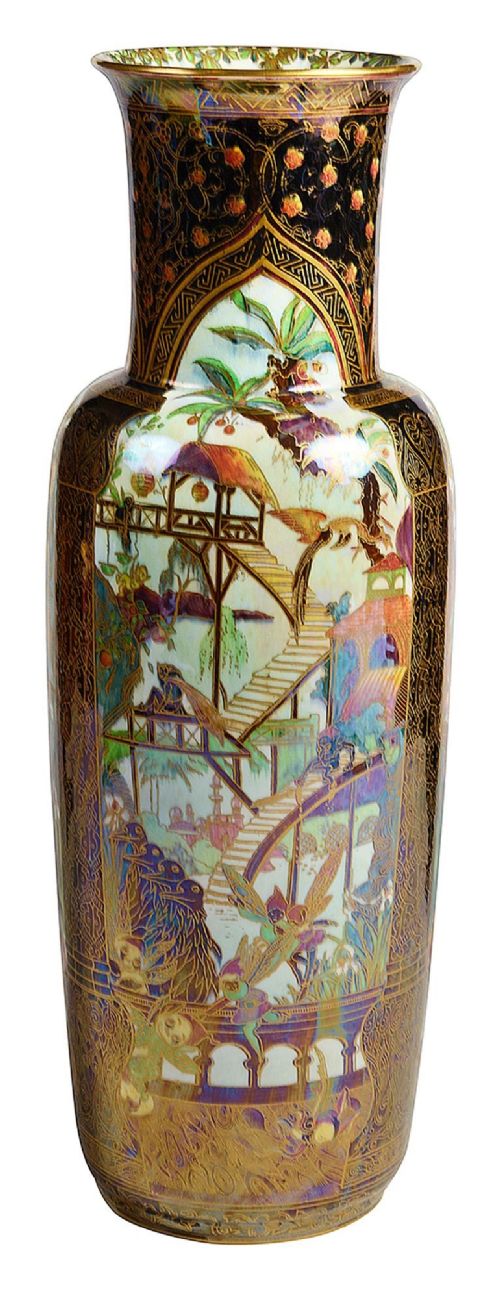
The manufacture of these objects combines ceramic arts with precision metalwork and gilding techniques. Porcelain and earthenware bodies are thrown or slip-cast, then painted with enamels and fired before receiving hand-applied gilding or gold leaf.
Metal components such as mounts, handles and bases rely on bronze casting, frequently utilising the lost-wax method or sand casting. These metal parts are then finished with ormolu, applying a mercury amalgam or gold gilt to achieve a bright, durable metallic surface.
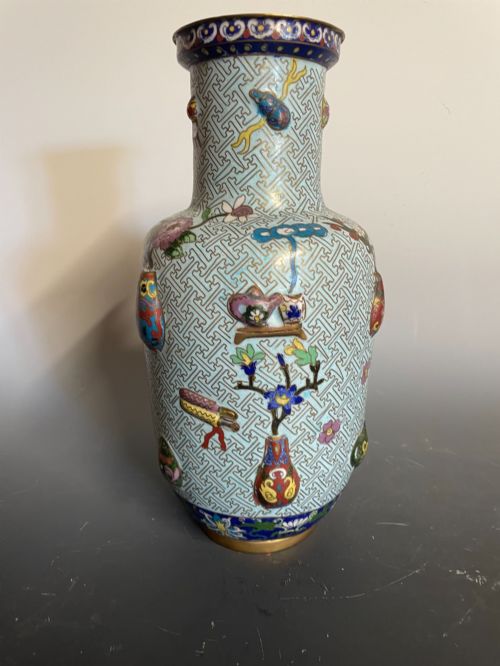
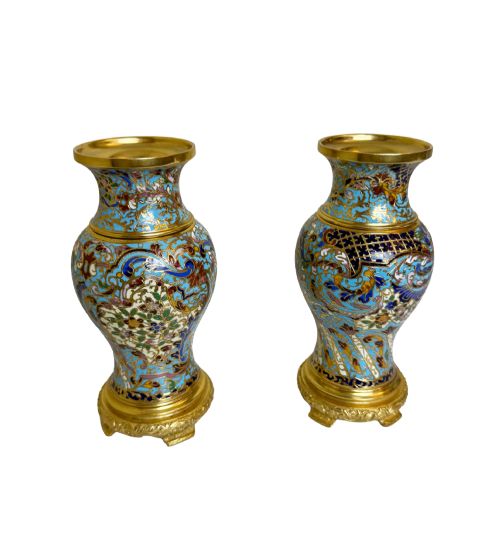
Assemblage requires joining disparate elements, fixing porcelain bodies securely into bronze collars or mounting marble and stone plinths beneath cast metal feet. Enamelling, champlevé work and hand-carved decorative motifs add further layers of specialised craftsmanship.
Materials recorded across the inventory include porcelain, earthenware, glass, gilt bronze, ormolu, champlevé enamel, and carved marble.
What varies in quality
Quality in these pieces rests heavily on the crispness of the metal casting and the depth of the gilding. Superior ormolu mounts display sharp relief work in the foliage, masks and classical motifs, whereas lesser examples show softened details and flat surfaces.
The harmony between the ceramic or glass body and its metal mounts dictates the success of the piece. Fine examples integrate handles, rims and bases securely and proportionally, using high-grade porcelains or imported marbles rather than generic earthenware and common substitutes.
Flight Barr And Barr·Royal Worcester·Wedgwood·Coalport·Samson Paris·Helena Wolfsohn
The Decorative Gilt Urn Glossary
- Ormolu
- Gilt bronze, denoting a technique of applying finely ground gold to a bronze object. This surface treatment provides a rich metallic lustre characteristic of luxury decorative objects.
- Champlevé
- An enamelling technique where troughs or cells are hollowed out of a metal surface and filled with vitreous enamel. The piece is then fired and polished flat.
- Cassolette
- A dual-purpose decorative vessel that functions as a perfume burner or vase, typically featuring a reversible or pierced lid. These pieces often incorporate gilt bronze mounts over ceramic or stone bodies.
- Jasperware
- A type of fine stoneware developed by Josiah Wedgwood, characterised by a matte unglazed finish and contrasting raised white ornaments. It frequently appears in blue or green grounds beneath gilt metal mounts.
Decorative Gilt Urn: Frequently Asked Questions
How were they used historically?
These objects served primarily as decorative display items on mantelpieces, console tables, and architectural ledges within wealthy homes. Their design emphasised visual symmetry and cultural refinement.
Certain variants, such as cassolettes, doubled as perfume burners by using pierced lids to release scented vapours. Others functioned as garniture sets, flanking clocks or candelabras to balance formal room layouts.
How do I style one at home?
Place a matched pair symmetrically on a large sideboard, mantelpiece, or dedicated pedestal to establish a classic focal point. Ensure the surrounding space remains uncluttered to highlight the metallic details and painted surfaces.
Single urns work well as standalone sculptural objects on accent tables or within bookcase displays. Consider the room's natural light, as polished gilt bronze and ormolu mounts catch and reflect illumination effectively.
How do I tell periods apart?
Distinguishing periods relies on observing stylistic markers, ceramic bodies, and casting techniques. Earlier pieces from the eighteenth century often feature hand-painted soft-paste porcelain and delicate, asymmetrical rococo detailing or strict neoclassical restraint.
Nineteenth-century revival pieces display heavier bronze casting, industrial porcelain bodies, and eclectic combinations of French and English design motifs. Examining the factory marks and the quality of the ormolu gilding helps narrow down the manufacturing era.