

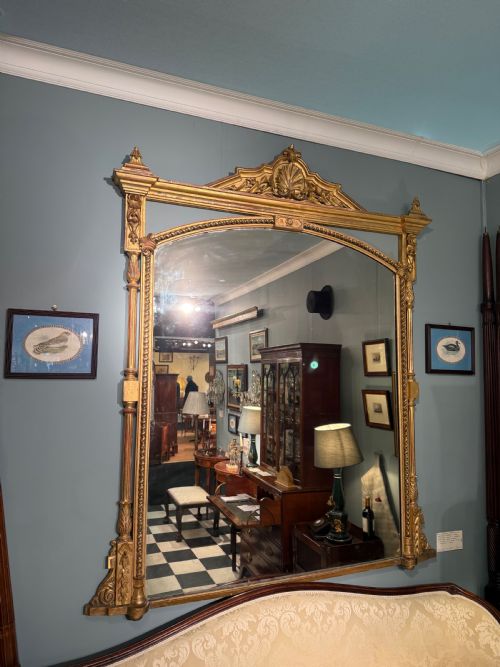
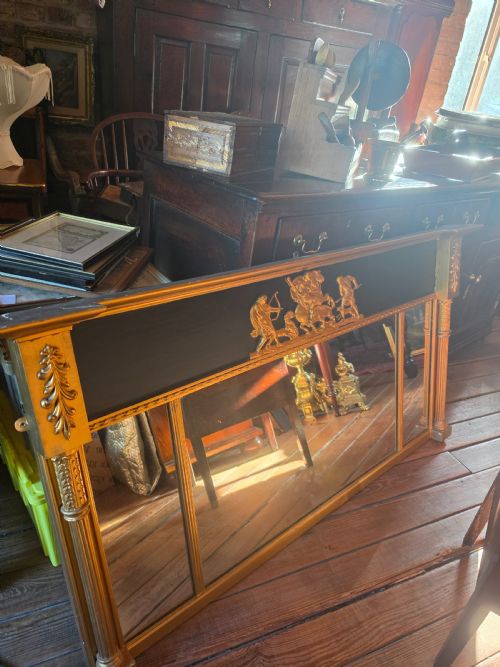
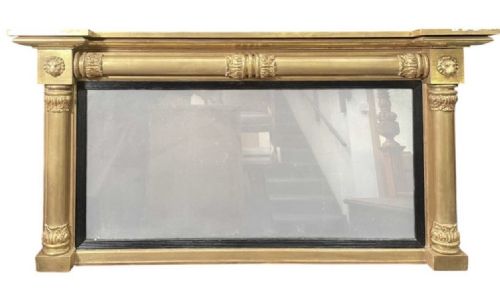
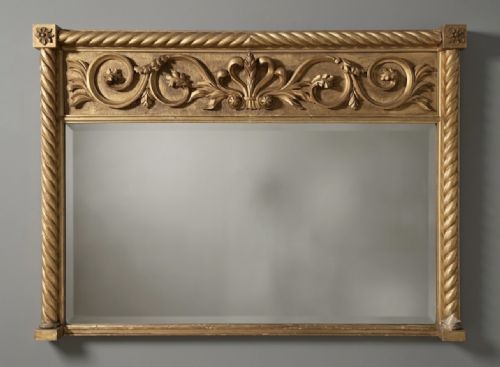

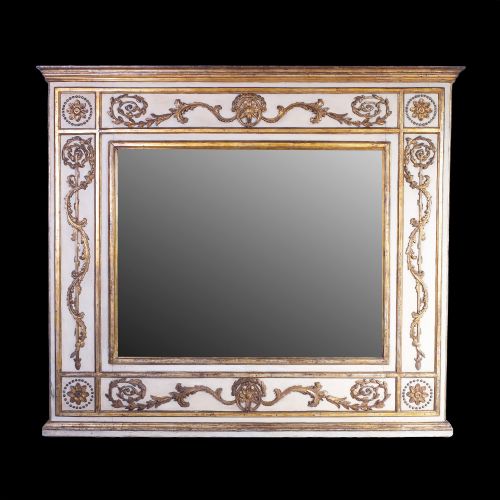
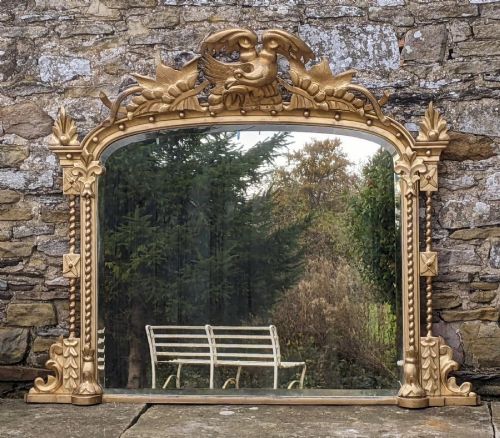
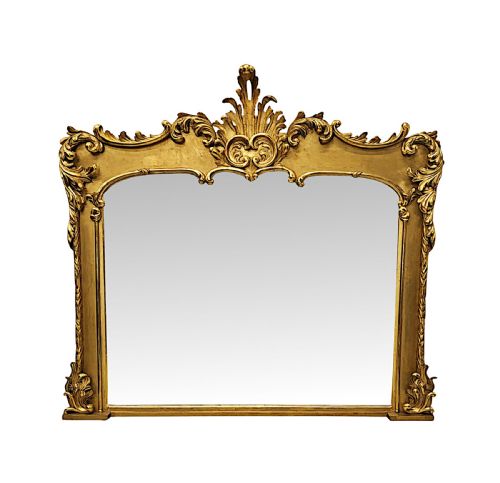
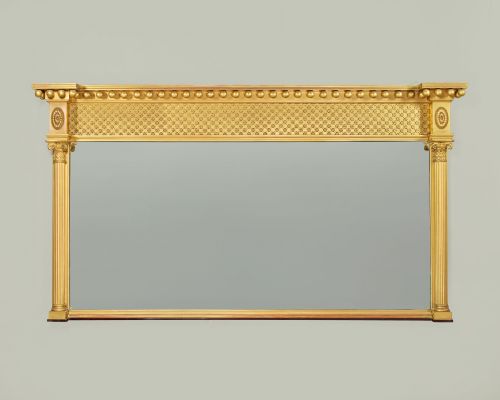
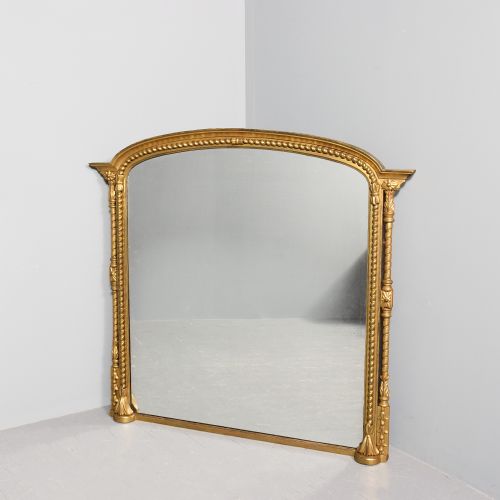

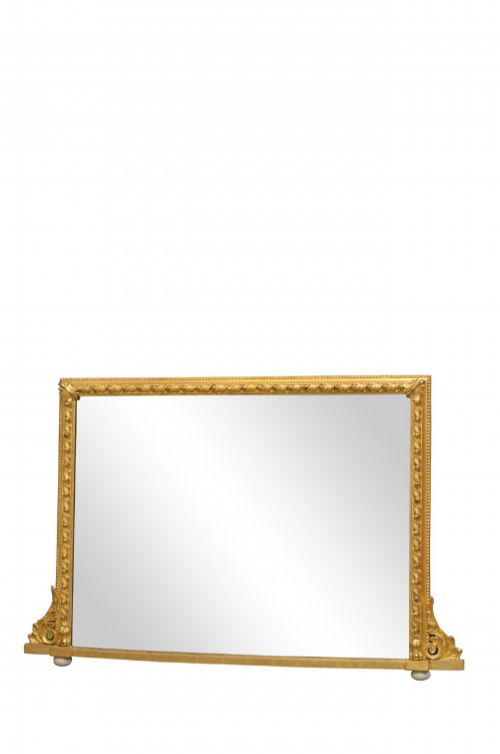
Regency Gilded Fireplace Mirror
A regency gilded fireplace mirror brings expansive light and classical proportion into a room, sitting naturally above a mantelpiece.
Regency Gilded Fireplace Mirror
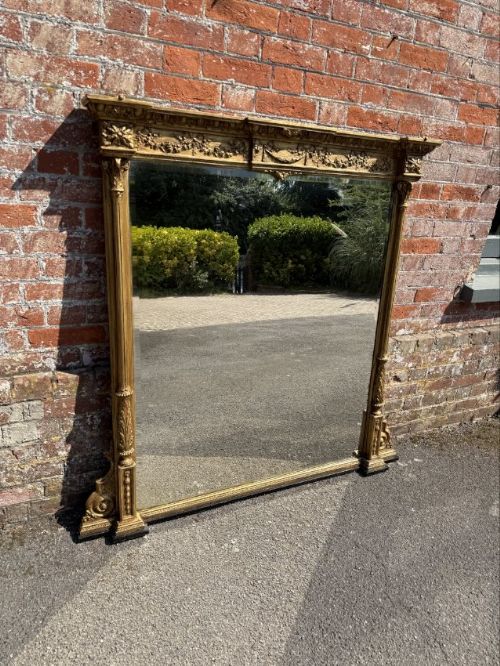
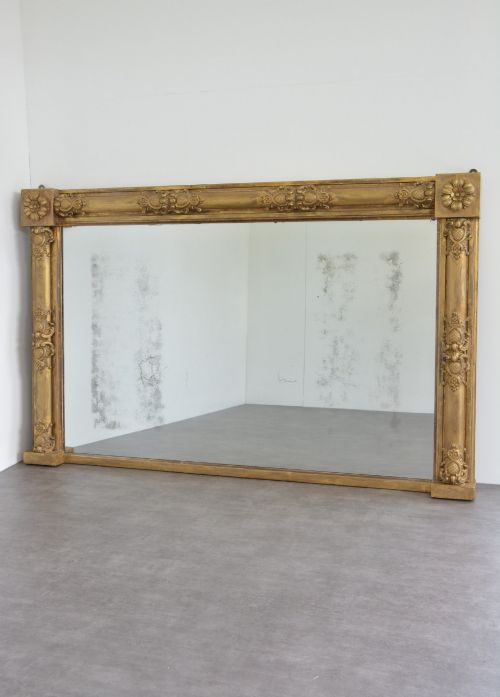
When you search for a regency gilded fireplace mirror, you encounter large horizontal overmantel mirrors designed to command the chimney breast. These pieces span the nineteenth century, with origins stretching from the Regency period through William IV and Victorian revivals.
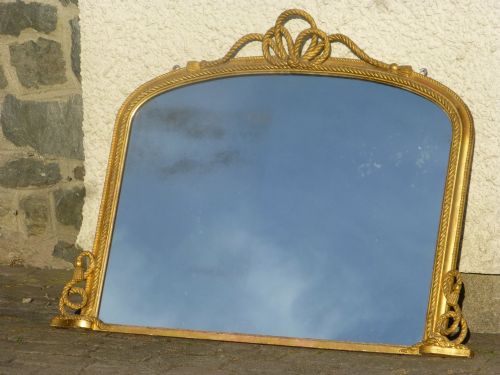
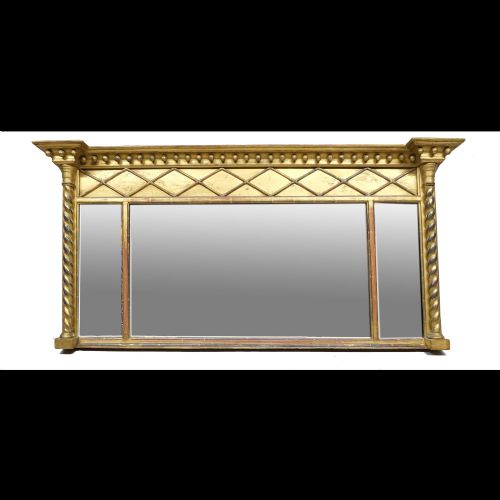
The most frequent version on this page is a substantial architectural frame shaped to sit above a fireplace. Common formats include tripartite plates, rope twist details, and column supports reflecting neoclassical taste.
Quality differences
The sharpness of the gesso mouldings and the depth of the carved wood details determine the visual impact of the frame. Superior examples display precisely rendered columns, acanthus leaves, or friezes without distortion.
The condition of the gilding and the character of the mirror plate itself separate grades of pieces. Lightly foxed original glass and intact gold leaf retain the authentic presence of the period.
Regency Gilded Fireplace Mirror Retail Price Guide 2026
Typical asking prices for regency gilded fireplace mirror among the pieces listed under this phrase on Sellingantiques today, from the lower quarter to the upper quarter. They describe what is for sale here now, not the wider market.
Listings feature pieces spanning the Regency period through to Edwardian revivals, utilising giltwood, gesso, and ebonised wood.
The Regency Gilded Fireplace Mirror Glossary
- Overmantel mirror
- A large mirror specifically proportioned to hang on the wall above a fireplace mantel. These horizontal formats frequently incorporate multiple glass plates or architectural columns.
- Gesso
- A plaster-like mixture applied to wood frames to create a smooth surface for subsequent gilding. This material allows artisans to carve or mould intricate neoclassical decorations.
- Giltwood
- Timber that has been coated with gold leaf or gold paint. It provides the characteristic metallic sheen seen on nineteenth-century frames.
- Triptych
- A mirror divided into three distinct vertical sections or glass plates. This configuration is typical of grand nineteenth-century overmantel designs.
- Foxed glass
- Mirror plate displaying age-related spots or discoloration caused by the degradation of the silver backing. Collectors often value this characteristic for confirming authenticity.
Regency Gilded Fireplace Mirror: Frequently Asked Questions
How do I hang a heavy overmantel mirror?
These substantial wooden frames require secure attachment directly into structural wall studs using heavy-duty brackets. Professional installation ensures the weight distributes safely above a fireplace.
Because the mirrors often span considerable widths, checking the load-bearing capacity of the wall prevents any structural strain over time.
What is the difference between Regency and Victorian mirrors?
Regency frames lean heavily into strict neoclassical lines, incorporating architectural columns, laurel wreaths, and restrained ornamentation. Victorian iterations often amplify these proportions or introduce heavier, elaborate relief work.
Examining the underlying gesso and the style of the columns helps clarify the exact period of manufacture.
How do I clean an antique giltwood frame?
Dust the carved surfaces gently with a soft, dry brush to prevent disturbing the fragile gold leaf or gesso. Avoid liquid cleaners and chemical solvents entirely.
Moisture can strip the historic gilding from the wood beneath, so dry maintenance remains essential for preservation.
Why do some mirror plates look spotty?
The spots, known as foxing, occur naturally as the silver backing ages and reacts with environmental elements over decades. This ageing process creates a mottled reflection unique to older glass.
Many buyers seek out lightly foxed plates because the marks confirm the genuine nineteenth-century origin of the piece.