
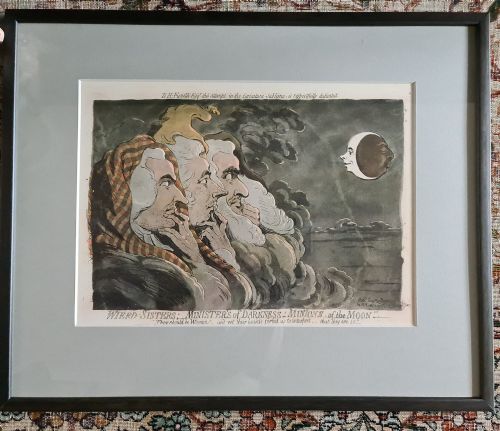


Regency Framed Print
A regency framed print brings period wall art into a room through hand-coloured engravings, watercolours, and reverse glass pieces.
Regency Framed Print
A regency framed print covers a wide selection of nineteenth-century wall art, including hand-coloured engravings, lithographs, and watercolours set in period surrounds. Buyers searching this phrase look for authentic domestic decoration from the Georgian and Regency eras through to the Victorian period, spanning natural history studies, theatrical scenes, and portraits.
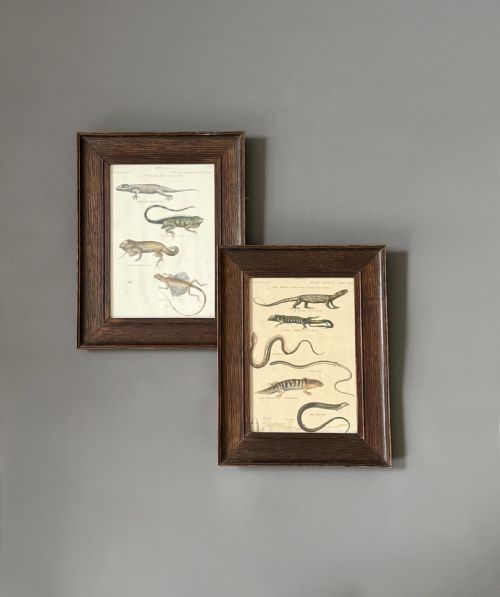
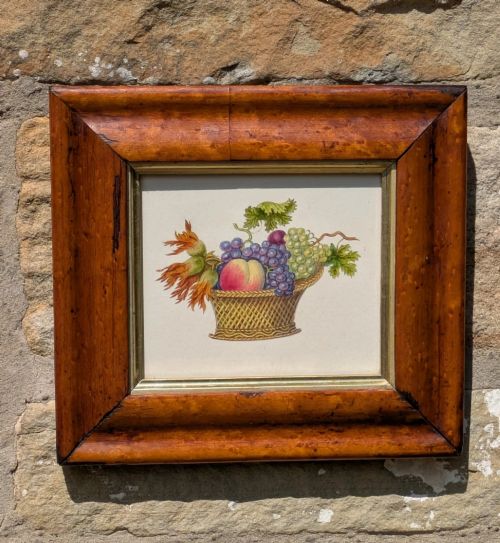
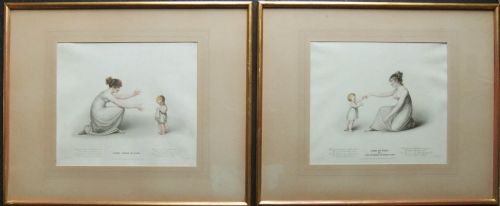
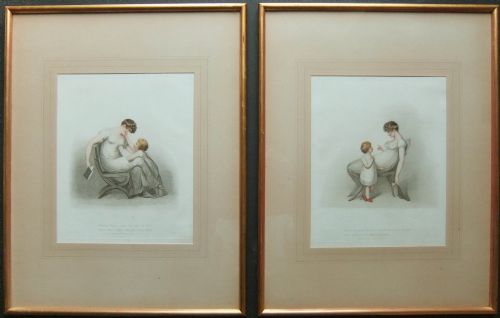
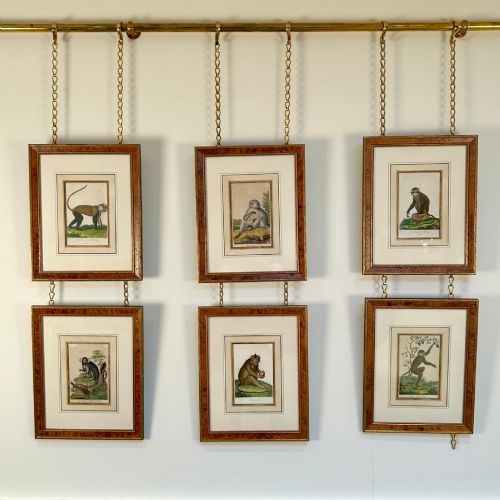
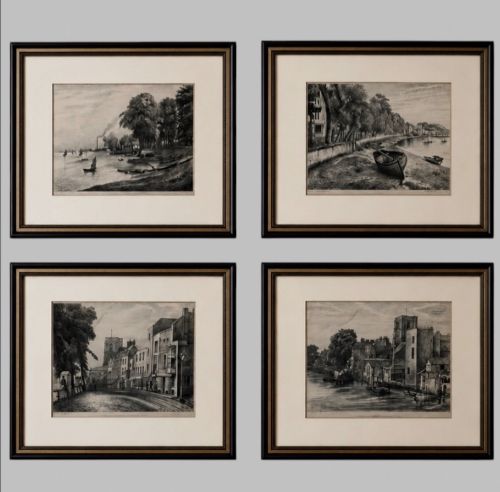
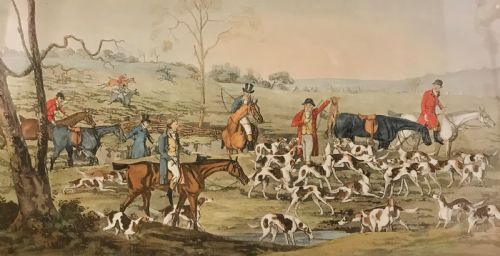
The objects on this page frequently include botanical and zoological plates, hunting scenes, and classical subjects after known artists. These works often survive in pairs or complete sets, mounted behind glass within wooden frames finished in giltwood, maple, or rosewood.
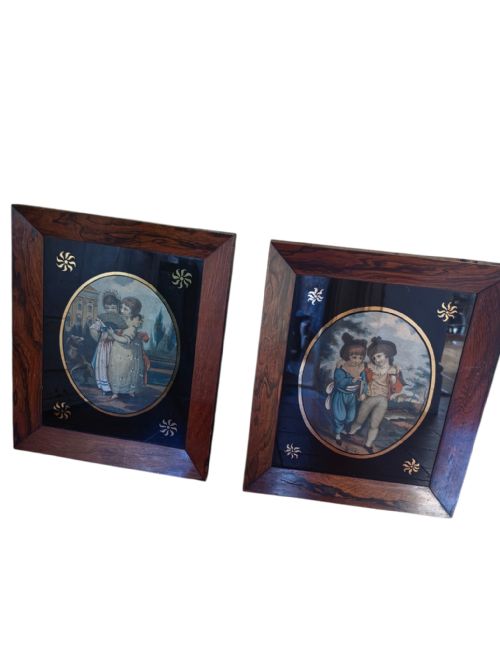
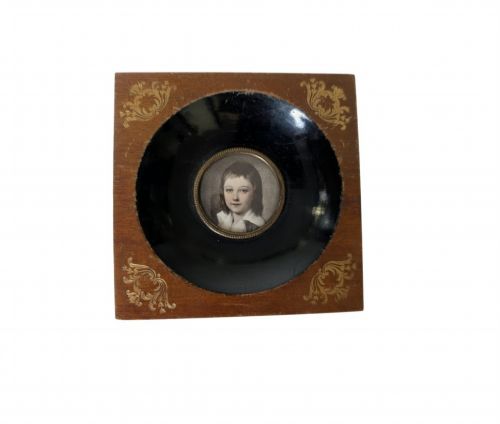
Beyond standard paper works, the selection encompasses reverse glass prints and tinsel pictures embellished with metal details or decoupage. These varied formats capture the distinct aesthetic of the early nineteenth century and offer direct insight into period interior taste.
How They Were Made
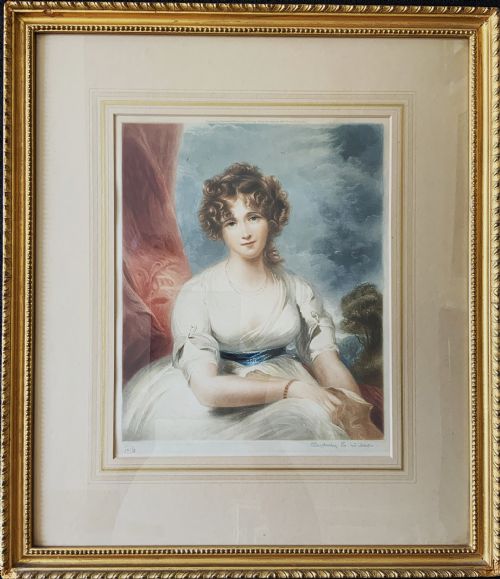
These works rely on traditional paper, ink, and watercolour techniques combined with specialised printing methods like copperplate engraving and early lithography. Many plates received subsequent hand-colouring using translucent washes to enrich the printed line work.
Reverse glass prints required artists to paint directly onto the reverse side of a glass panel, applying details first so the finished image appeared correctly oriented from the front. Frames were constructed from timber such as maple, rosewood, and pine, often gilded with gold leaf or finished with dark Hogarth moulding.
The listings feature materials including paper, glass, wood, giltwood, and gold leaf across the Regency and Georgian periods.
What Varies in Quality
Quality rests on the crispness of the original plate impression and the skill of any hand-colouring applied to the paper. Stronger examples retain vibrant, stable pigment without excessive fading or damp staining across the sheet.
The housing contributes significantly to the overall merit of the piece, with original period frames featuring intact gilding or well-figured wood veneers commanding greater interest than later replacements.
William Bird MD FLS·Adam Buck·J.C Burgess·William Day·Sydney Wilson·Gilray·George Romney·Henry William Banbury·John Flaxman·T.M Baynes·Blockey·Mr. Howard·Mr. Bond·John Curtis·Sir Thomas Lawrence·William Swainson·H. Alken·P & P Gally·A. Barnasehina
The Regency Framed Print Glossary
- Engraving
- A printmaking technique where an artist cuts lines directly into a metal plate with a sharp tool to hold ink. This method produces fine, precise lines characteristic of early nineteenth-century illustrations.
- Reverse Glass Print
- An image painted or transferred directly onto the back of a glass panel. This delicate technique creates a glossy, luminous surface finish.
- Hand-Coloured
- A monochrome print enhanced with watercolour or gouache applied by hand after printing. This practice was common for botanical, fashion, and satirical plates of the Regency period.
- Hogarth Frame
- A narrow, dark wooden frame profile featuring a subtle stepped or ogee moulding. These frames gained popularity during the eighteenth and nineteenth centuries for displaying prints.
- Lithography
- A planographic printing process based on the repulsion of oil and water on a limestone slab or metal plate. It allowed publishers to produce detailed tonal illustrations efficiently.
Regency Framed Print: Frequently Asked Questions
What subjects appear on these prints?
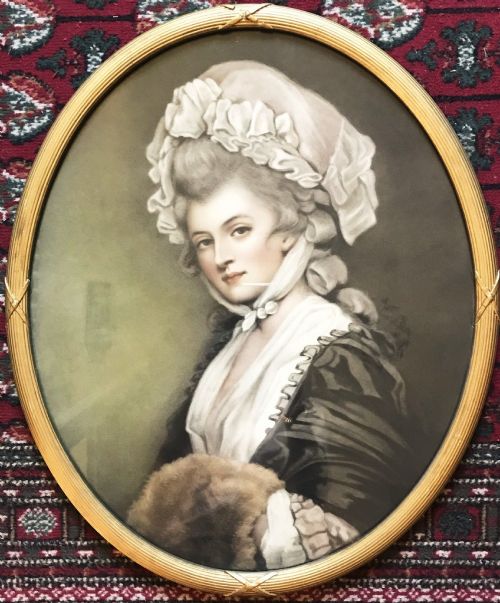
The subjects range widely across natural history, classical illustration, portraiture, and sporting scenes. Common themes include botanical studies, animal engravings, topographical views of London, and theatrical portraits.
Many plates record contemporary fashion, naval engagements, or caricatures from the Georgian era. These diverse topics reflect the visual interests of households during the early nineteenth century.
Are these prints original to the period?
The listings comprise works produced primarily during the eighteenth, nineteenth, and early twentieth centuries. Many retain their contemporary framing and original hand-colouring.
Certain items include later revivals or nineteenth-century restrikes of earlier compositions. Examining the paper, printing method, and frame construction helps clarify the date of production.
How should I hang and care for them?
Paper and watercolours require careful placement away from direct sunlight to prevent the inks and pigments from fading. Maintaining stable indoor humidity protects both the paper sheets and the wooden frames.
Displaying them on interior walls away from heat sources preserves the glass, gilding, and structural integrity of the antique framing.
Do these pieces come as pairs or sets?
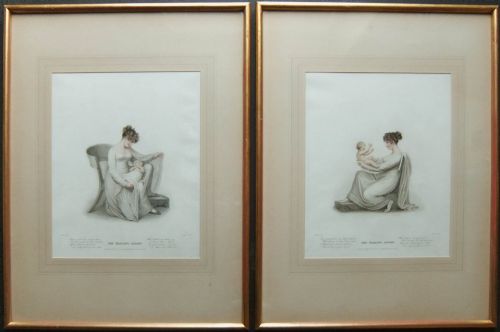
A substantial portion of the listings comprises matched pairs or larger decorative sets. Botanical studies, hunting scenes, and children's portraits frequently survive in groups of two, three, or four.
Collecting them as sets offers a balanced display for wall mounting. Individual plates also appear alongside larger composite collections.