



Regency Floral China Plates
Regency floral china plates bring hand-painted botanicals and rich gilding from the early nineteenth century straight to the table.
Regency Floral China Plates
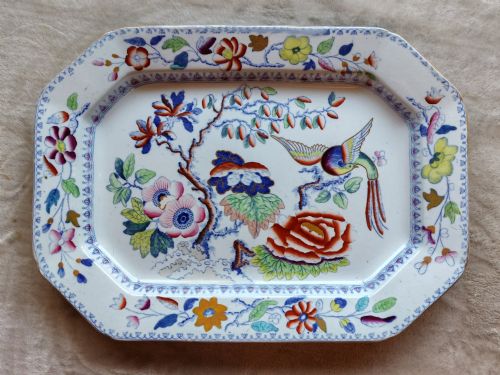
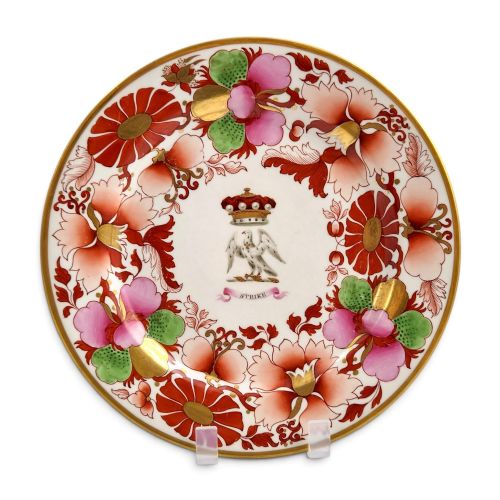
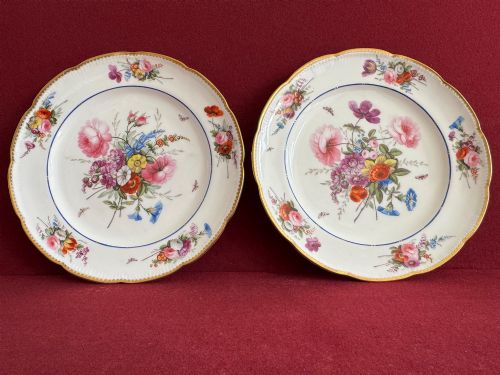
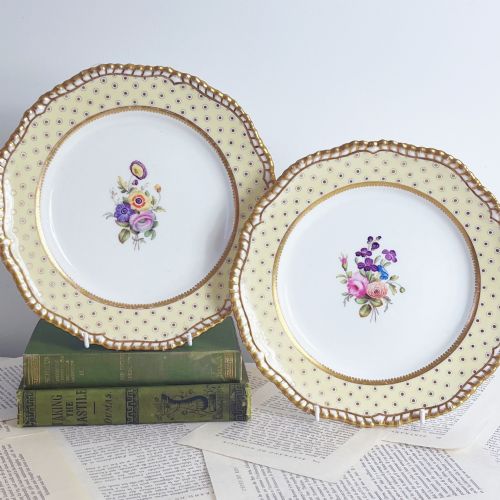
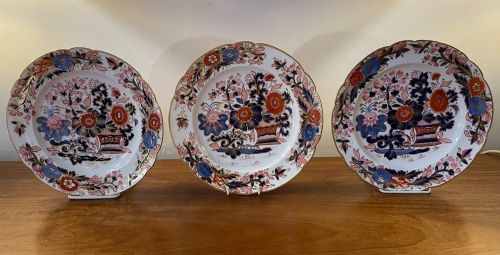
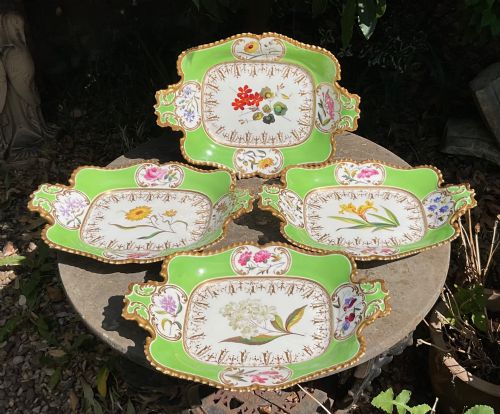
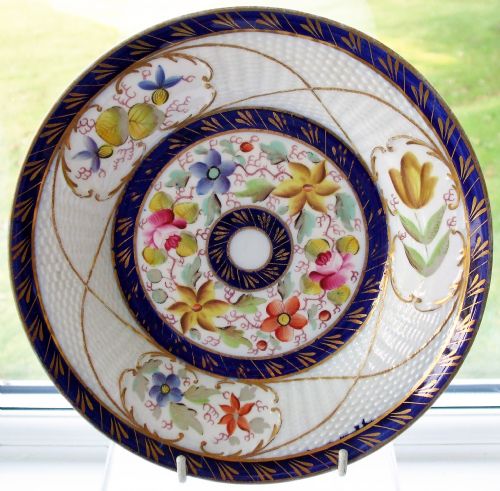
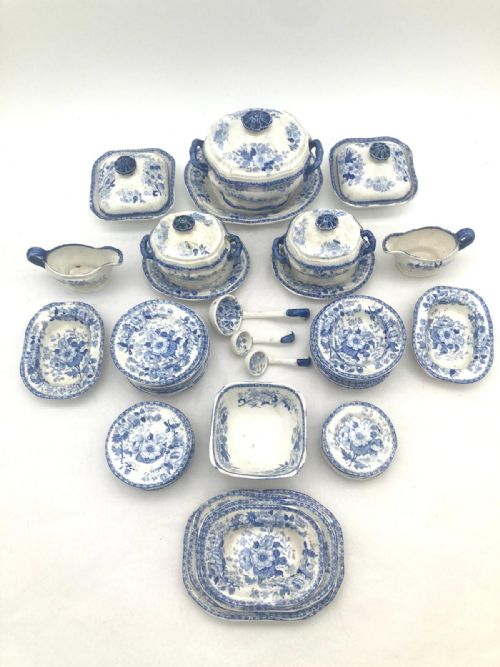
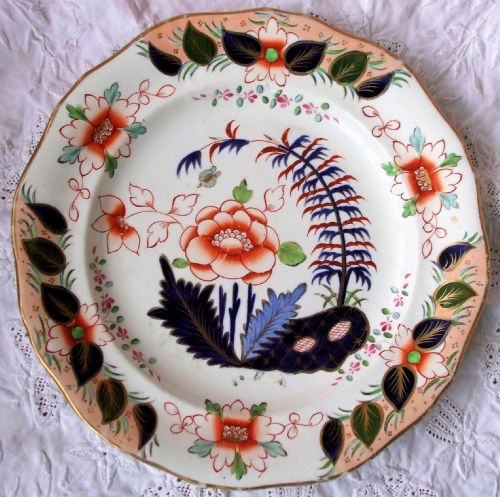
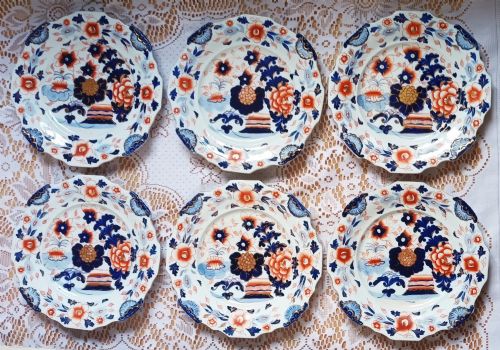
These pieces are porcelain, ironstone, and earthenware plates produced during the Regency and Georgian periods. When searching for regency floral china plates, collectors encounter dessert plates, cabinet plates, and serving dishes adorned with hand-painted botanicals.
The surviving forms include dessert services, tea plates, and bread and butter plates dating primarily from eighteen hundred to eighteen thirty. Makers such as Spode, Minton, and Chamberlains Worcester dominate the selection, often showcasing colourful floral motifs.
The aesthetic reflects the grand Regency style, blending classical English shapes with vibrant enamel painting and gilding. Most items serve a decorative purpose today, though they originated as functional dining wares for wealthy households.
Materials and Manufacture
Potters utilised fine porcelain, bone china, and dense ironstone or stone china to form the body of each plate. Manufacturers then applied cobalt underglaze, enamel colours, and gold leaf by hand before a final kiln firing.
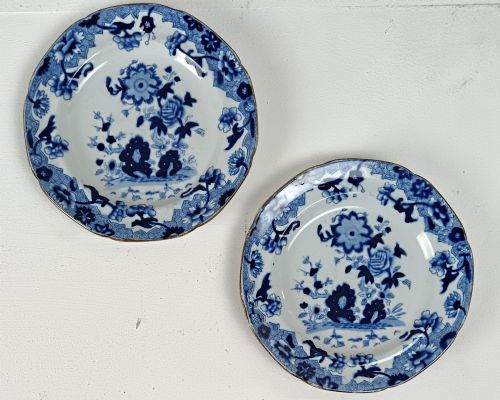
Techniques ranged from detailed hand-painting of floral bouquets and botanical specimens to blue and white transfer printing. Many factories employed specialised London decorators to add rich gilding and enamel details over the initial glaze.
Regency Floral China Plates Retail Price Guide 2026
Typical asking prices for regency floral china plates among the pieces listed under this phrase on Sellingantiques today, from the lower quarter to the upper quarter. They describe what is for sale here now, not the wider market.
Early nineteenth-century potters occasionally named their whimsical animal patterns after farmyard gossip, immortalising subjects like the crazy cow on fine china.
Distinctions in Quality
The skill of the painting sets the highest grade apart, with delicate, botanically accurate brushwork commanding greater attention than repetitive factory patterns. Hand-pencilled gilding and raised gold leaf indicate superior workshop output compared to simple printed outlines.
The choice of body material also defines the tier of the piece, as translucent porcelain and early felspar china represent finer craftsmanship than robust ironstone or earthenware. Furthermore, complete services or matching pairs retain more integrity than isolated single plates.
Nantgarw·H and R Daniel·Grainger Lee and Co·Spode·Minton·John Davenport·New Hall·Coalport·Chamberlains Worcester·Wedgwood·Bloor Derby·Masons Patent Ironstone
The Regency Floral China Plates Glossary
- Cabinet plate
- A decorative plate intended for display in a cabinet rather than for serving food at the table. These pieces usually feature elaborate hand-painted scenes or rich gilding.
- Felspar china
- A refined type of porcelain body developed by Josiah Spode II around eighteen twenty. It incorporated feldspar to increase durability and whiteness.
- Ironstone china
- A heavy, durable ceramic patented by Charles James Mason in eighteen thirteen. It resisted chipping better than standard earthenware while imitating oriental porcelain.
- Imari palette
- A decorative scheme employing underglaze blue, iron red, and gold, inspired by Japanese porcelain exported from the port of Imari. English factories frequently adopted this palette during the Georgian period.
- Transfer printing
- A method of applying intricate designs to ceramics by engraving a copper plate and transferring the ink via tissue paper onto the biscuity ware. This technique allowed for consistent patterns across large dinner services.
Regency Floral China Plates: Frequently Asked Questions
Can I use these plates for dining?
While these ceramics were originally created for dining and dessert courses, their age and delicate enamel decoration make them largely unsuited for modern daily use.
Collectors generally treat them as display pieces or use them gently for special occasions to protect the hand-painted surfaces and gold leaf from dishwasher detergents and cutlery scratching.
How do I tell a Regency plate from a Victorian one?
Regency plates typically display vibrant enamel palettes, hand-painted botanical studies, or crisp transfer printing in blue. The porcelain bodies often feel lighter and show characteristic potting traits of the early nineteenth century.
Later Victorian ceramics shifted towards heavier moulding, different chemical compositions in the glaze, and mechanised printing techniques that lacked the hand-finished quality of Georgian workshops.
Why are some plates marked with pattern numbers?
Factories assigned pattern numbers to track specific decorative schemes so customers could reorder matching pieces for their services. These numbers are usually painted by hand on the reverse of the plate alongside factory marks.
Tracing these numbers helps researchers identify the exact manufacturer and the active period of production within the nineteenth century.