



Regency Flame Mahogany Clock
A regency flame mahogany clock brings striking grain figures and dependable timekeeping into a room, spanning tall floor models to smaller table pieces.
Regency Flame Mahogany Clock
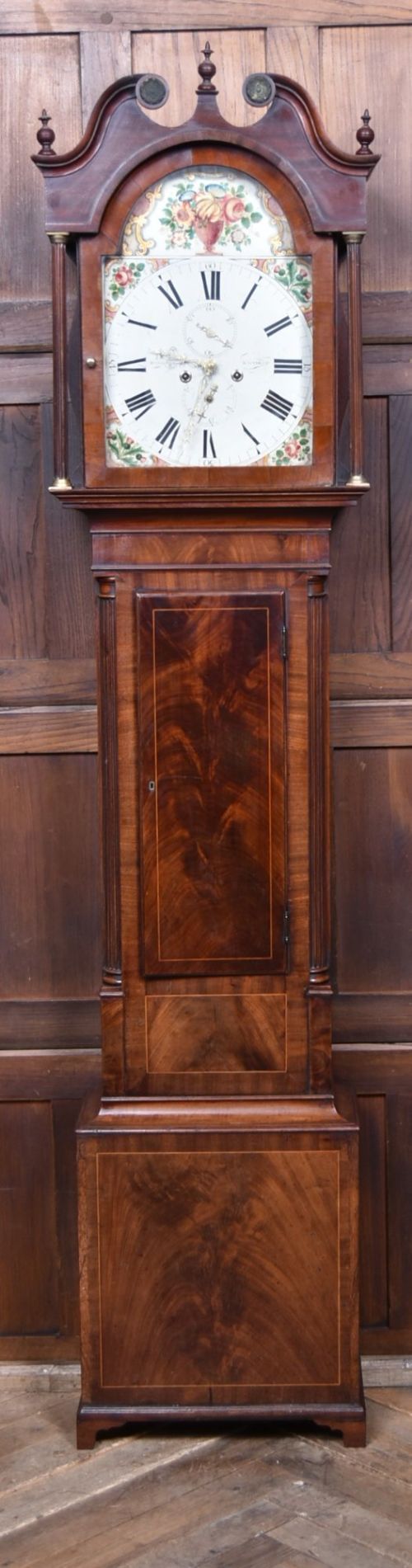
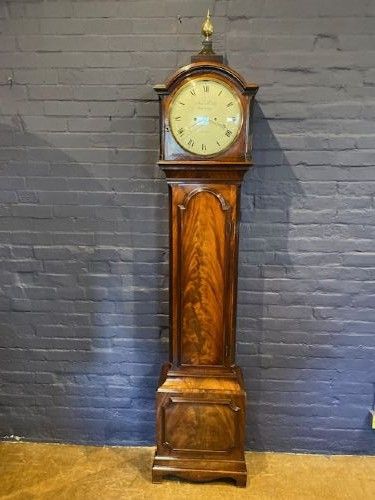
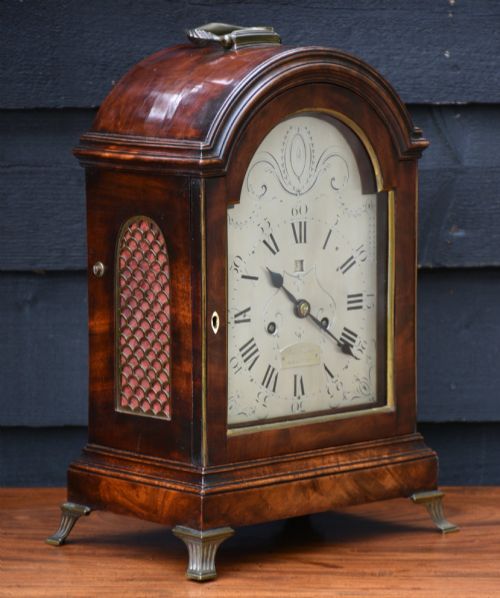
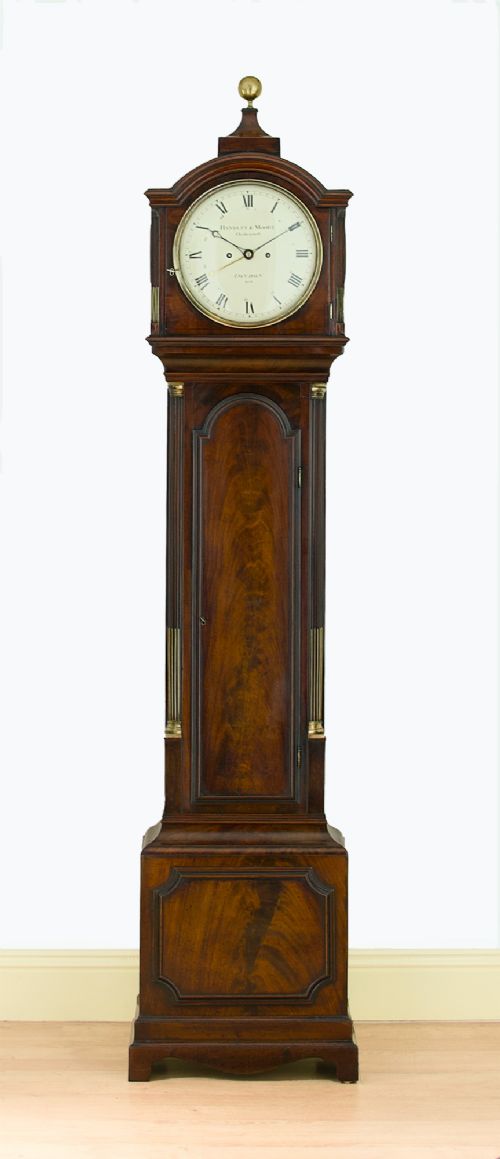
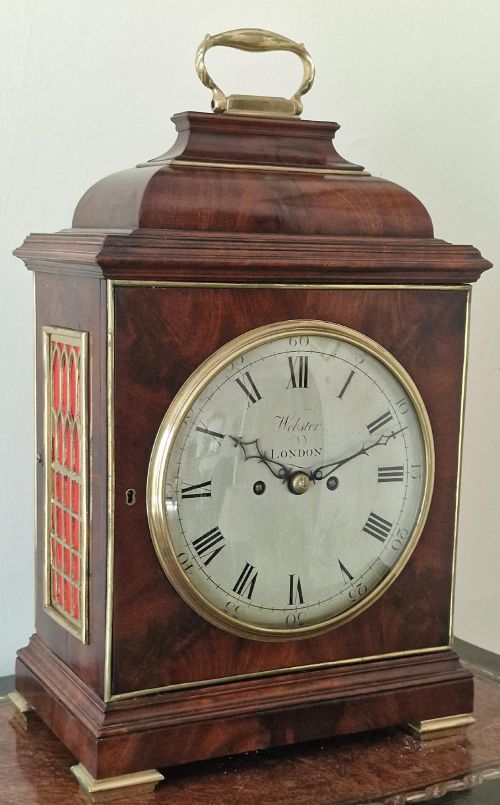
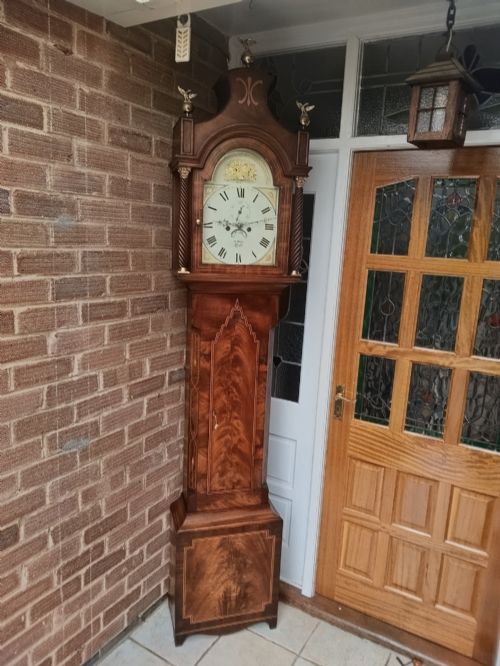
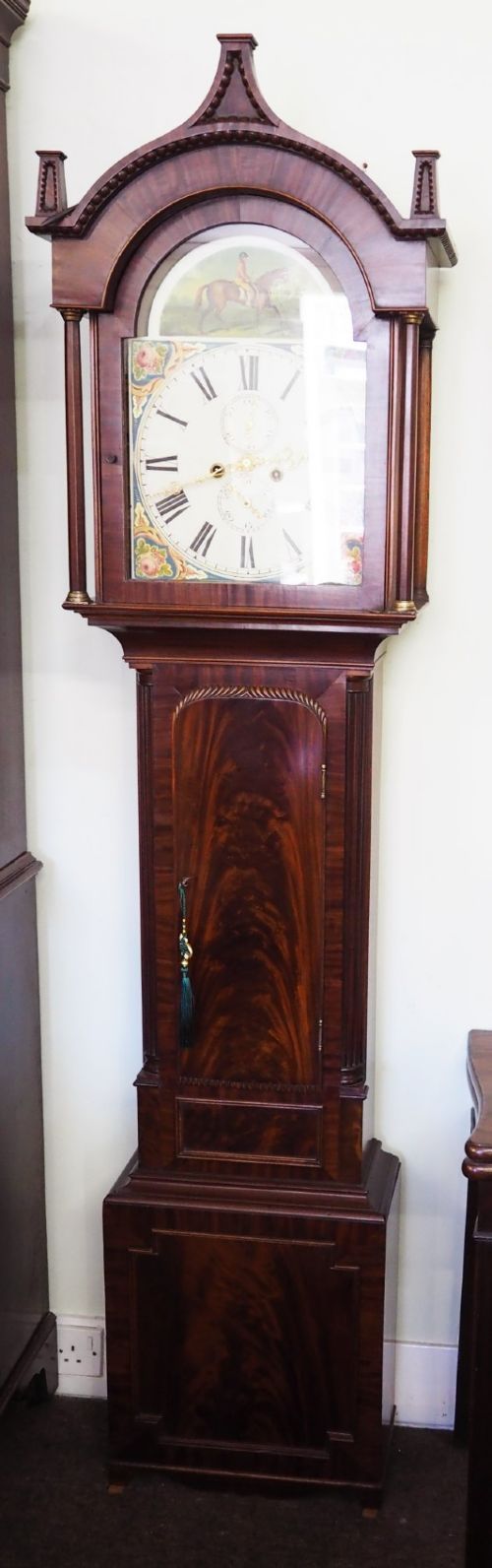
A regency flame mahogany clock typically manifests as a tall floor-standing timepiece, frequently described as a longcase or grandfather clock, alongside bracket, mantel, and wall variants.
The objects stem predominantly from the Georgian, Regency, and nineteenth-century periods, with regional examples originating from various Scottish and English towns.
Makers ranged from provincial watchmakers to prominent London firms, housing movements within mahogany cases that frequently highlight figured wood.
Buyers encountering this phrase will find floor-standing pendulum clocks and smaller spring-driven bracket clocks sharing floor space.
Materials and construction methods
Cabinet makers utilised solid mahogany and applied flame mahogany veneer to case surfaces, selecting cuts of timber that display dramatic, flickering grain patterns.
Dial faces incorporate painted iron, silvered metal, or brass, while interior mechanical components utilise brass gear trains and steel pivots for eight-day or fusee movements.
Glass panels protect the dial faces on bracket and wall clocks, and brass fittings secure hood doors and trunk access points.
Listings demonstrate cases constructed from solid mahogany and flame mahogany veneer, housing movements signed by makers from London, provincial England, and Scotland.
Distinctions in craftsmanship and origin
Quality separates through the dexterity of the cabinet maker in matching veneer figures across the door and trunk panels, creating balanced visual symmetry.
The reputation of the horologist signing the dial influences standing, as established London or provincial makers produced more intricate movements and refined case proportions.
Preservation of original dial paint, glass, and movement parts distinguishes pieces that retain integrity from those altered by later repairs.
James McCabe·Handley And Moore·Ganthony Of London·Barraud And Lund·Perigal Bond Street·Parkinson And Frodsham
The Regency Flame Mahogany Clock Glossary
- Flame mahogany
- A veneer cut from the branch junction or fork of the tree, producing a distinctive, rippling flame-like pattern. This decorative wood defines the visual impact of many Regency cases.
- Fusee
- A conical pulley connected to the mainspring by a cord or chain, designed to equalise the drive force as the spring unwinds. It ensures more accurate timekeeping throughout the running cycle.
- Bracket clock
- A portable spring-driven clock originally designed to sit on a wall bracket or table. These pieces often feature carrying handles and glazed side panels.
- Longcase clock
- A tall floor-standing pendulum clock housed in a wooden trunk with a hood enclosing the dial. Also commonly referred to as a grandfather clock.
- Silvered metal
- A brass dial plate treated with a silver compound to produce a matte white finish for engraved numerals and inscriptions. It provides high contrast for reading the time.
Regency Flame Mahogany Clock: Frequently Asked Questions
How do I wind an eight day clock?
Most eight day models require a key inserted into winding holes on the dial face to raise the internal weights or tension the spring.
Care should be taken not to overwind the mechanism, stopping as soon as resistance is felt.
Where were these clocks made?
Makers operated workshops across London, provincial English towns, and Scottish burghs such as Edinburgh, Glasgow, and Dunfermline.
Local cabinet makers often constructed the mahogany cases while specialised horologists supplied the movements.
What is the difference between a longcase and a bracket clock?
A longcase clock stands upright on the floor, relying on hanging weights and a long pendulum to measure time.
A bracket clock is a smaller, portable device driven by a spring and fusee mechanism designed for placement on a table or shelf.
How do I read a painted iron dial?
Painted iron dials feature black Roman numerals for the hours and subsidiary tracks for seconds or calendar displays.
The iron substrate was typically primed and painted white before hand-lettering by specialist dial painters.