

Regency Dining Furniture
Regency dining furniture brings architectural grace and rich timbers to the dining room, offering serious collectors enduring forms from the early nineteenth century.
Regency Dining Furniture
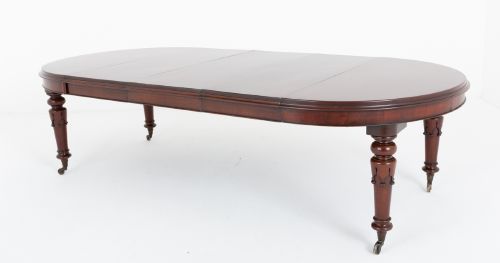
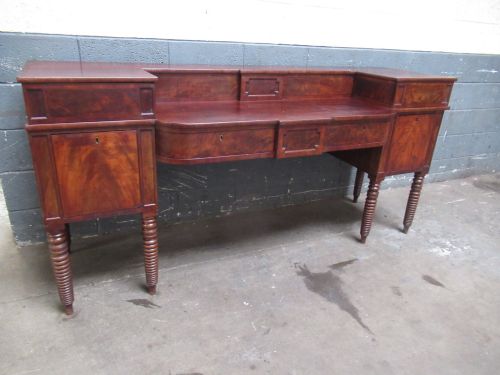
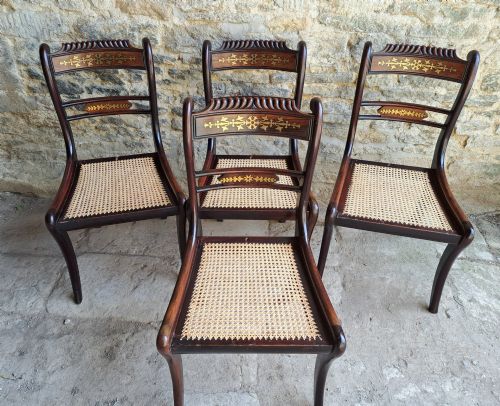
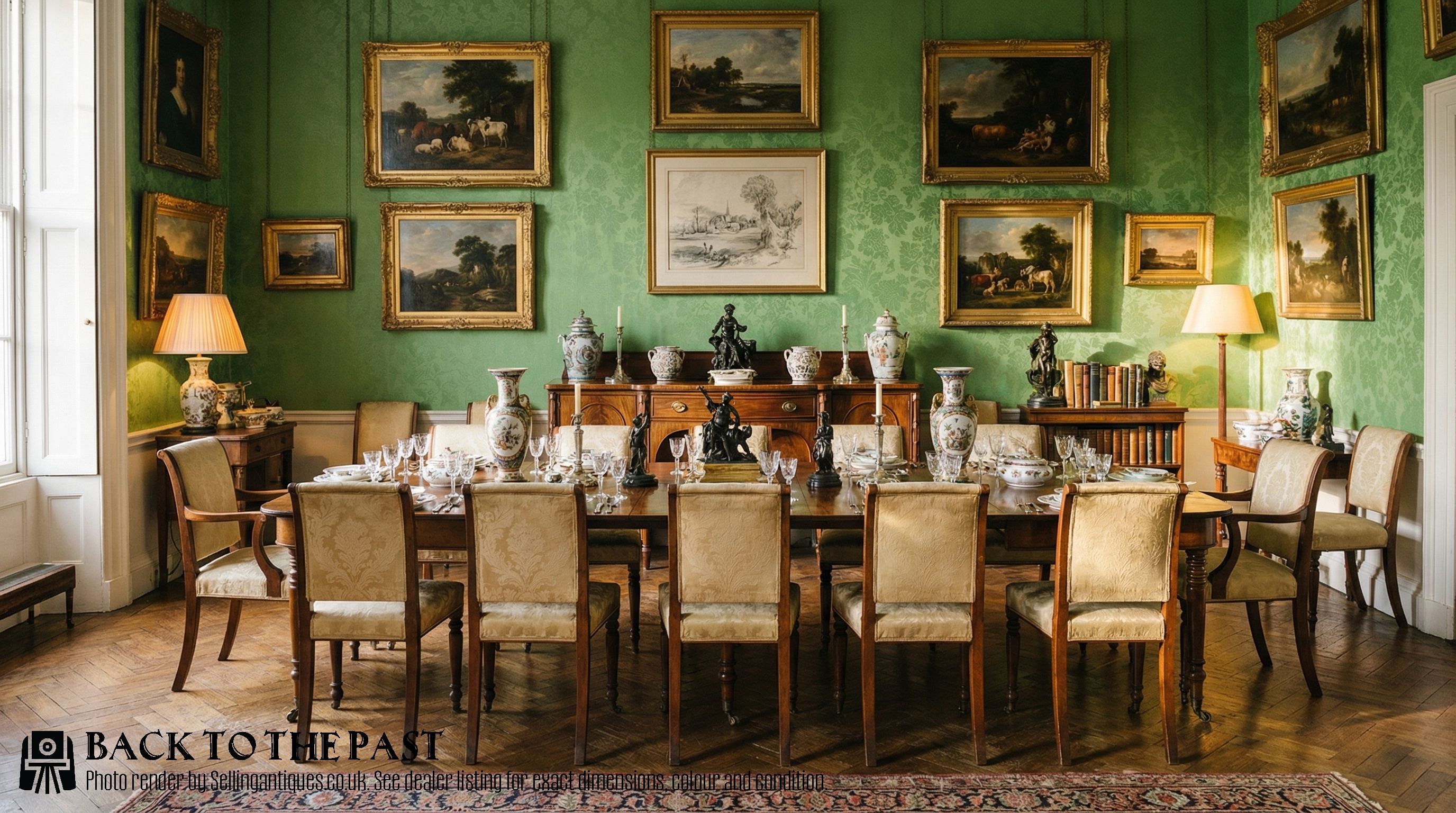
Regency dining furniture centres primarily on extending dining tables, sideboards in flame mahogany, and matched sets of dining chairs. Buyers seeking authentic period examples will regularly encounter round breakfast tables, side chairs with brass inlay, and serving pieces such as chiffoniers.
The material palette relies heavily on solid mahogany and flame mahogany veneer, often accented with rosewood, satinwood, and boxwood inlay. Pieces span the Regency, William IV, and Georgian periods, reflecting a cohesive classical design vocabulary.
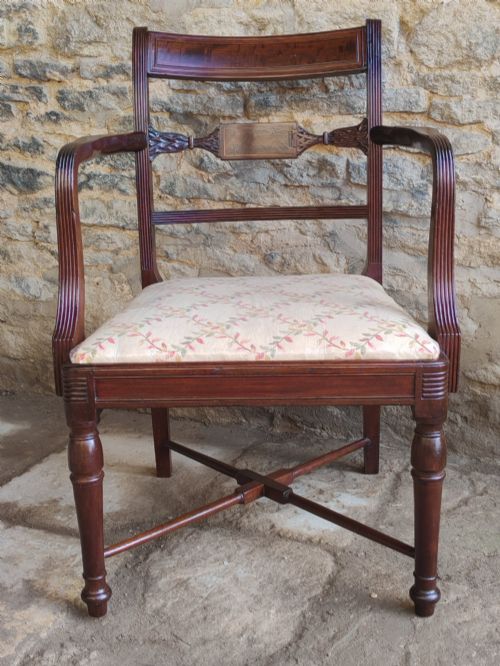
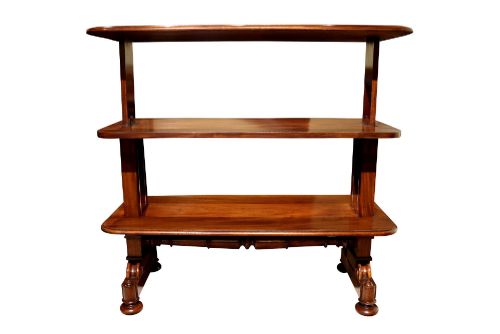
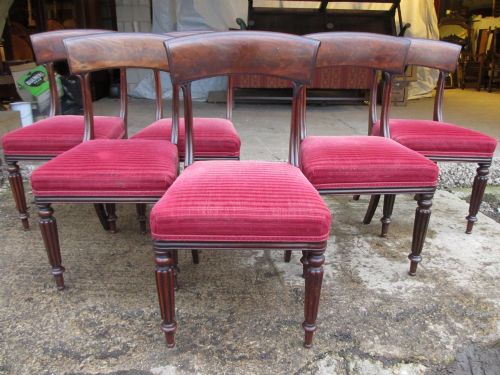
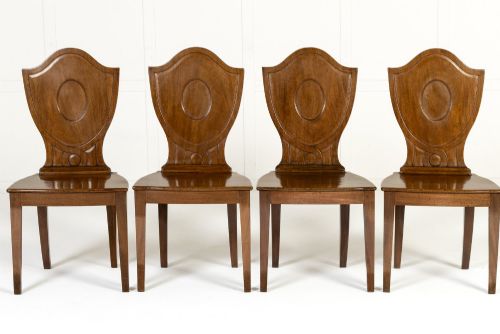
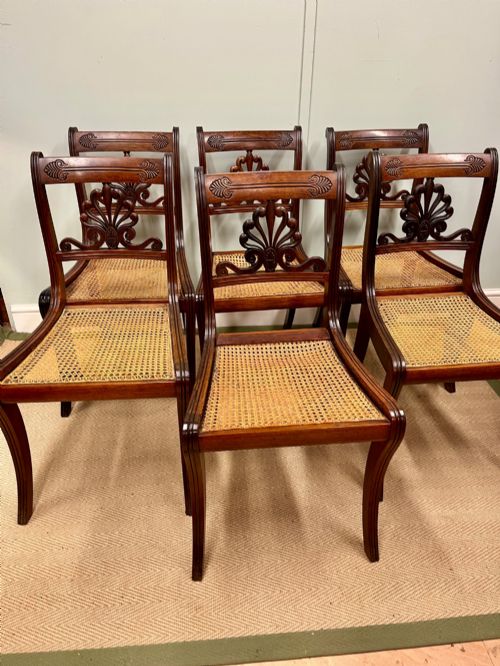
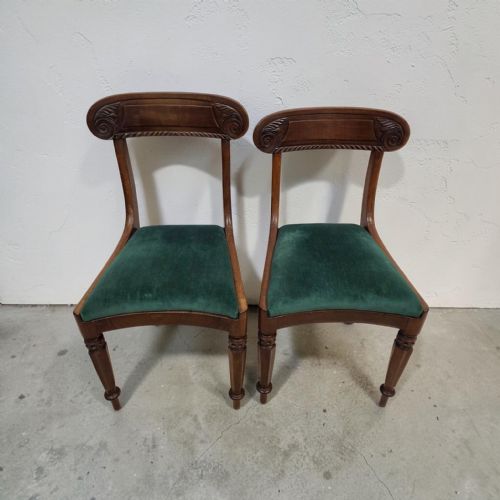
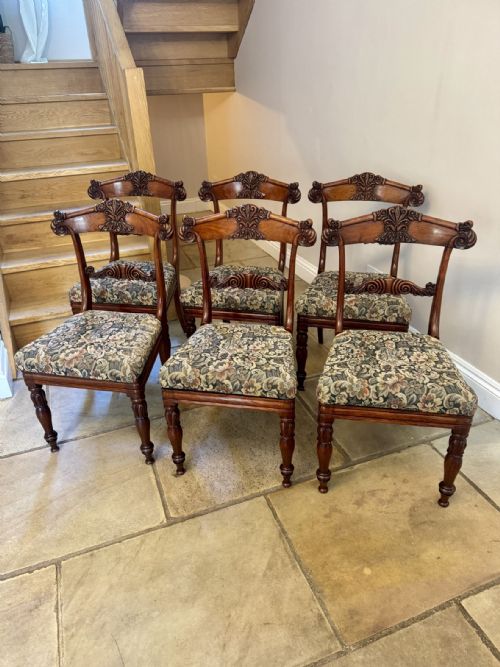
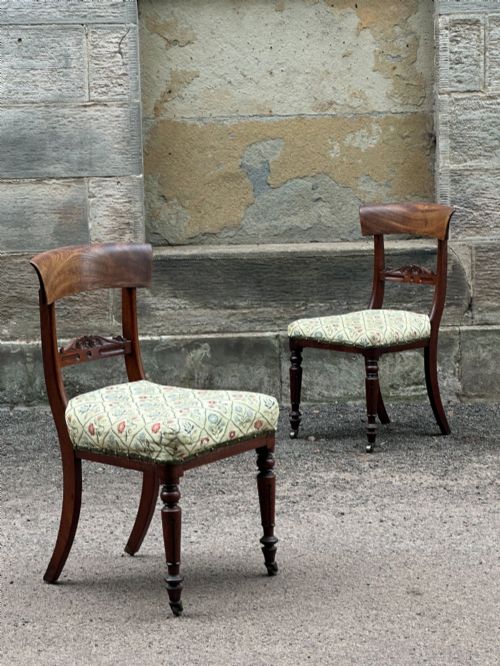
Seating options range from single side chairs to extensive sets of dining chairs and carvers, frequently featuring drop-in seats with upholstery. Larger dining spaces accommodate substantial boardroom tables and triple pillar extending tables alongside generous sideboards.
Materials and Construction
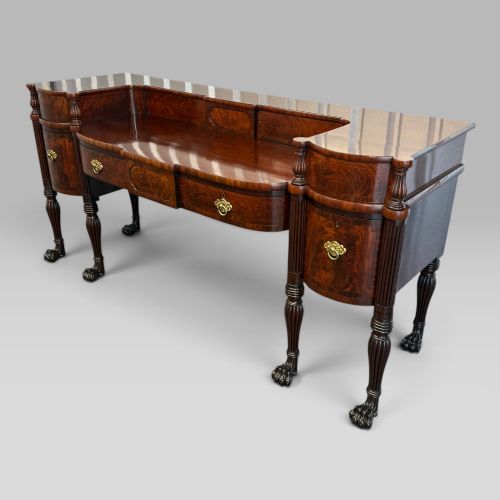
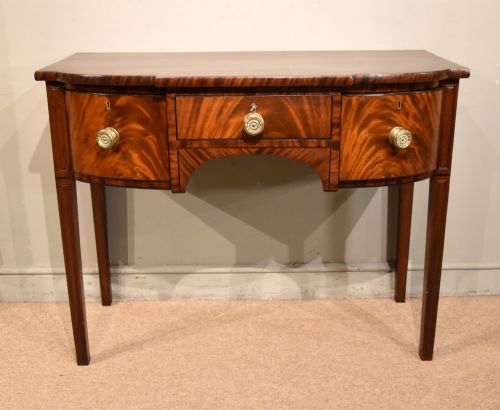
Cabinet makers utilised dense timbers such as mahogany and rosewood, applying figured flame mahogany veneers to large surfaces like sideboard doors and table tops. Brass inlay and delicate boxwood stringing provided linear contrast against the dark wood grains.
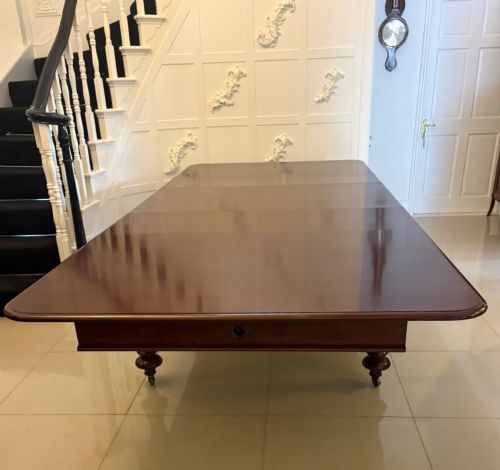
Structural integrity relied on traditional joinery combined with turned or reeded legs, frequently terminating in brass paw feet or castors. Tables incorporated clever extending mechanisms, drop leaves, and tilt tops to maximise utility in formal interiors.
Several dining chairs arrive equipped with lion paw feet, ensuring your dinner guests are guarded by miniature brass beasts all evening.
Judging Quality
Superior examples display exceptional grain matching across veneered surfaces and crisply executed brass inlay rather than simple painted lines. The choice of timber, particularly highly figured flame mahogany or rosewood, elevates the visual presence of a sideboard or table.
Proportion and carving detail separate standard pieces from the finest workshop outputs. Subtle elements like well-turned legs, balanced proportions, and integrated carving demonstrate superior craftsmanship.
Peters of Genoa·Whytock & Reid
The Regency Dining Furniture Glossary
- Flame mahogany
- A veneer cut from the fork of the mahogany tree, producing a distinctive flickering flame pattern. This highly decorative grain was prized for prominent furniture surfaces.
- Carver
- An armchair designed to match a set of single dining chairs, traditionally placed at the heads of the table. These chairs often feature scrolling arms and wider proportions.
- Chiffonier
- A compact sideboard or low cupboard featuring shelving or a small superstructure on top. Makers designed these pieces for serving and storing dining accessories.
- Pembroke table
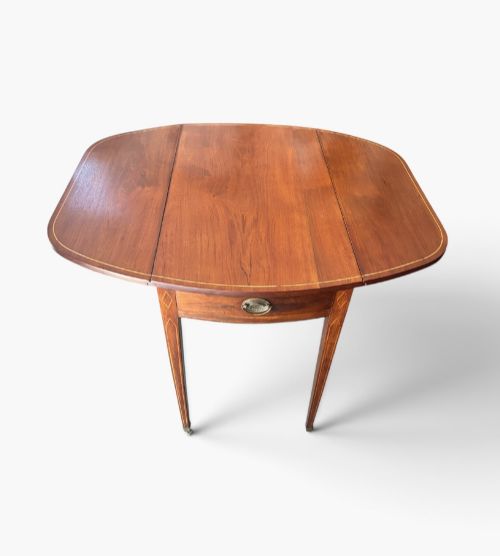
- A small rectangular table with hinged drop leaves on two opposing sides. These versatile tables served multiple domestic purposes during the period.
- Tilt-top table
- A table with a hinged top that pivots to a vertical position when not in use. This mechanism allowed tables to be stored flat against a wall to save floor space.
Regency Dining Furniture: Frequently Asked Questions
How do I identify genuine Regency chairs?
Authentic chairs from the period typically exhibit heavy native timbers, hand-cut joinery, and specific stylistic motifs such as sabre legs or brass inlay. Examine the underside and joint construction for signs of period hand tools.
Matching sets often show minor variations between individual chairs due to hand-making processes. Upholstery webbing and stuffing methods also offer clues to the age of the piece.
Will an extending table fit my room?
Extending tables range from compact breakfast models to massive boardroom tables spanning over twelve feet. Measure your dining space carefully to allow sufficient clearance for chairs to pull out comfortably.
Consider the pillar configuration underneath, as pedestal bases affect chair placement compared to traditional leg arrangements. Many tables use removable leaves to adjust length as needed.
How should I care for rosewood surfaces?
Rosewood and mahogany require protection from direct sunlight and excessive humidity to prevent the timber from fading or splitting. Regular dusting with a soft, dry cloth preserves the polished finish.
Avoid silicone-based sprays and apply a quality beeswax periodically to nourish the wood. Promptly wipe away any moisture to protect the antique polish.
What is the difference between Regency and William IV?
Regency furniture draws heavily on classical Greek and Roman archetypes, favouring lighter proportions, delicate brass inlay, and elegant saber legs. Pieces often feel restrained and refined.
William IV furniture, emerging slightly later, tends toward heavier, more robust proportions with bolder carved details. Animal paw feet, lobed pillar supports, and massive scrollwork typify this subsequent phase.