





Regency Decorative Tray
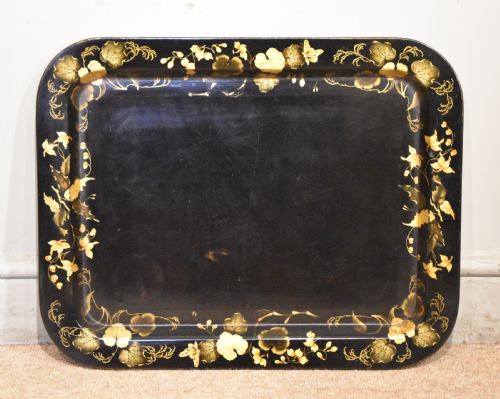
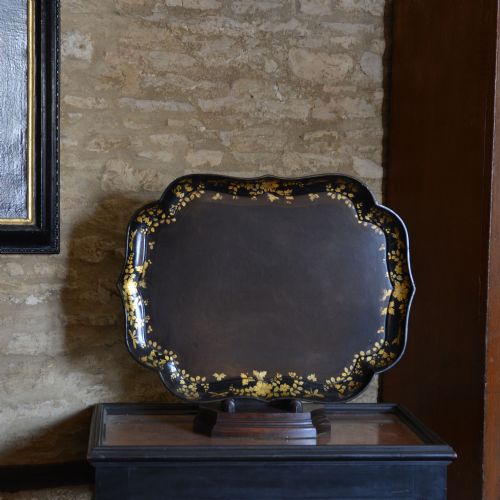
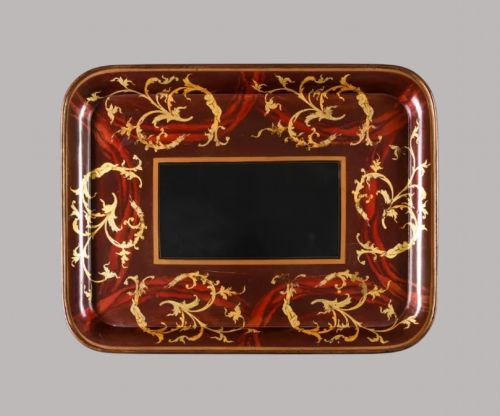
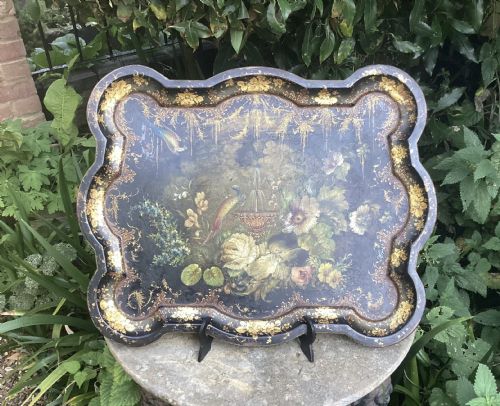
These pieces of regency decorative tray capture the refined tastes of the early nineteenth century.
Regency Decorative Tray
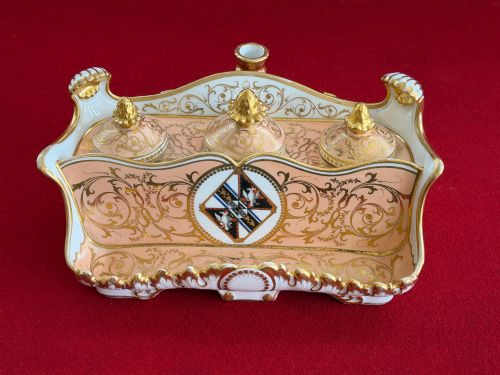
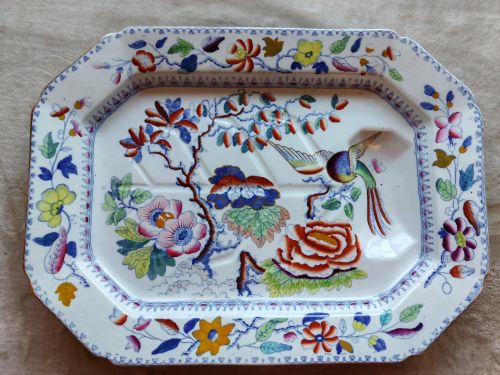
When searching for a regency decorative tray, you encounter an assortment of serving wares and dishes originating from the Georgian and Regency periods. The forms include oval trays, serving dishes, and trays fitted to stands.
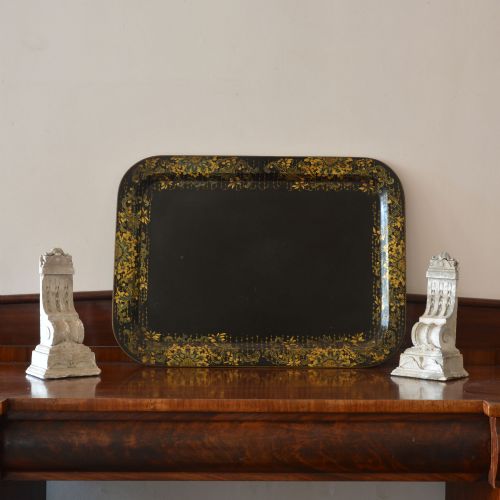
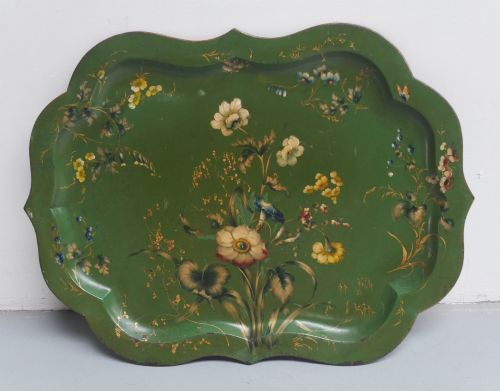
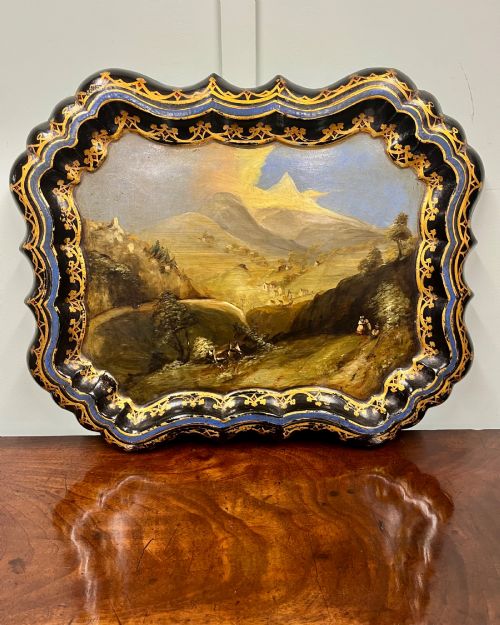
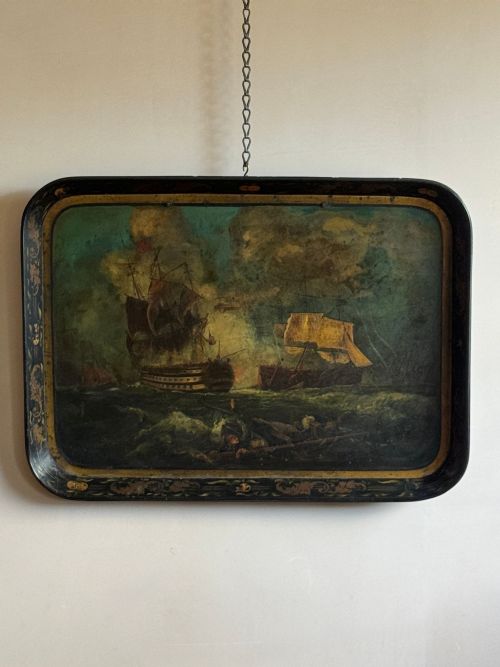
Papier-mâché and toleware dominate the selection, often finished with lacquer or paint. Many examples date from the nineteenth century, including pieces associated with early Victorian production.
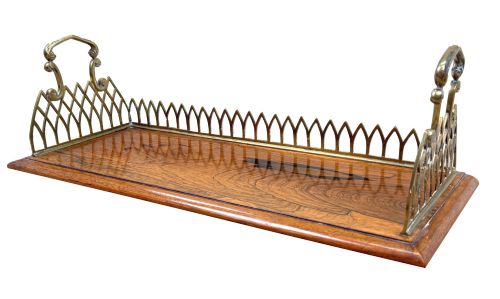
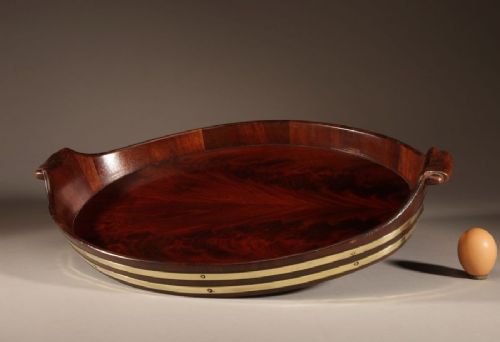
The objects serve both decorative and functional roles, ranging from tea service equipment to table accessories. Mahogany examples with brass detailing also appear among the offerings.
How they were made
Papier-mâché forms the foundation for many pieces, shaped and treated with lacquer or paint to create a smooth, durable surface. Artisans applied gold leaf and gilt embellishments to decorate the centres and borders.
Metalworking techniques appear in toleware items and brass-bound mahogany pieces. Painting and japanning methods produced intricate scenes and finishes upon the surfaces of the trays.
Regency Decorative Tray Retail Price Guide 2026
Typical asking prices for regency decorative tray among the pieces listed under this phrase on Sellingantiques today, from the lower quarter to the upper quarter. They describe what is for sale here now, not the wider market.
Listings feature materials including papier-mâché, lacquer, toleware, brass, mahogany, and porcelain across the Regency and Georgian periods.
What varies in quality
The refinement of the painted decoration distinguishes simpler domestic items from more ambitious works. Hand-painted landscape scenes and detailed Chinoiserie motifs demonstrate superior craftsmanship.
The condition of the original surface finish affects the character of each piece. Retaining original gilding, japanning, and lacquer without excessive restoration preserves the historical integrity of the tray.
Clay·Jennens & Bettridge
The Regency Decorative Tray Glossary
- Papier-mâché
- A composite material made from paper pulp or layers of paper bound with glue, used to form lightweight trays and boxes.
- Toleware
- Painted or lacquered metalware, typically tin or iron, formed into trays, bowls, and vessels.
- Japanning
- A European imitation of East Asian lacquerwork, created by applying layers of varnish and heat-curing the surface.
- Gilding
- The application of gold leaf or powder to the surface of an object to ornament the design.
- Chinoiserie
- European decorative motifs inspired by Chinese art and aesthetics, popular during the Regency period.
Regency Decorative Tray: Frequently Asked Questions
How are papier-mâché trays cleaned?
Maintenance requires only a soft, dry cloth to remove dust from the surface. Moisture and chemical cleaners damage the delicate lacquer and paint.
Keeping pieces away from direct sunlight protects the pigments and gold leaf from fading over time.
Were these trays used for serving tea?
Many examples served practical roles during afternoon tea and formal dining. Their sturdy construction supported porcelain teapots and cups.
Other items functioned primarily as decorative dishes or were mounted on stands to serve as small tables.
What distinguishes Regency style from Georgian?
Regency design forms a distinct phase within the broader Georgian era, aligning with the early nineteenth century. The style draws heavily on classical antiquity and exotic influences like Chinoiserie.
Dark woods, japanned finishes, and classical motifs define the visual vocabulary of this period.
Can I use an antique tray daily?
Frequent handling places historical surfaces at risk of wear and scratching. Using them for display or very light service preserves the painted decoration.
Most collectors prefer to exhibit them flat on surfaces or mounted on appropriate stands.