


Regency Cupboard with Shelf
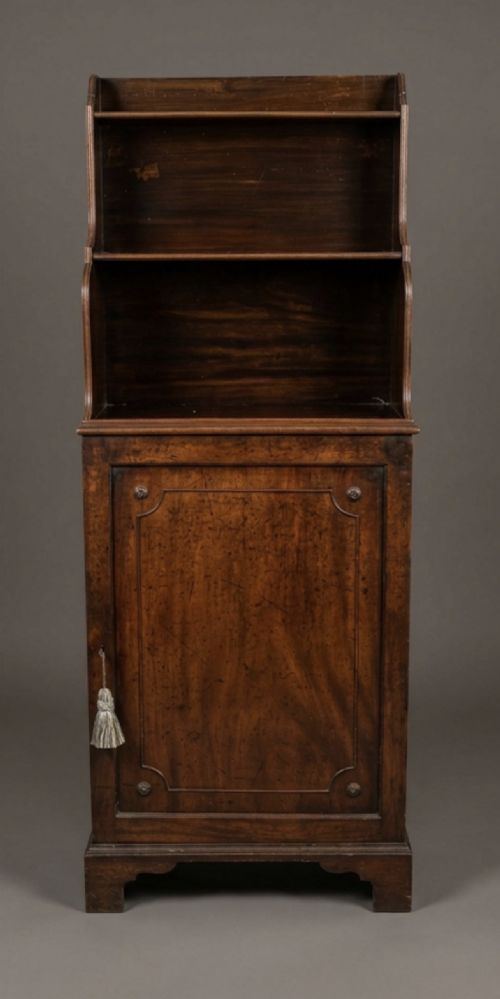
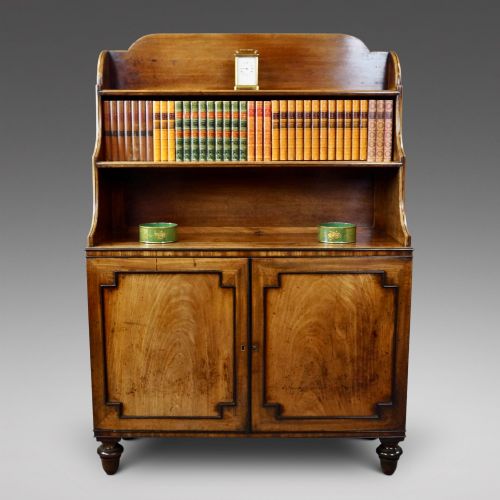
A regency cupboard with shelf brings together practical storage and display, offering compact proportions and refined timber grain for everyday living.
Regency Cupboard with Shelf
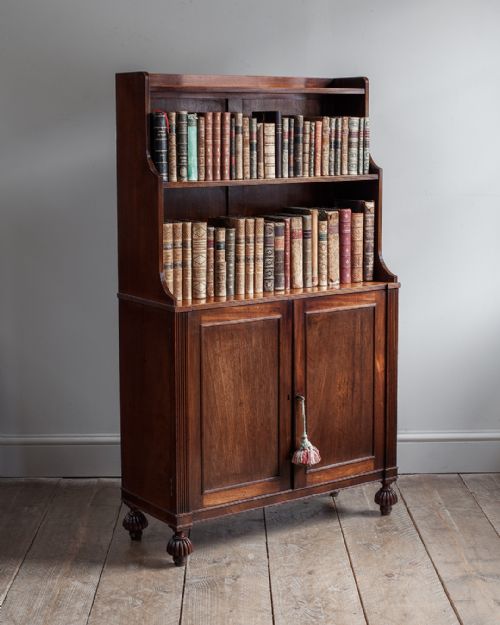
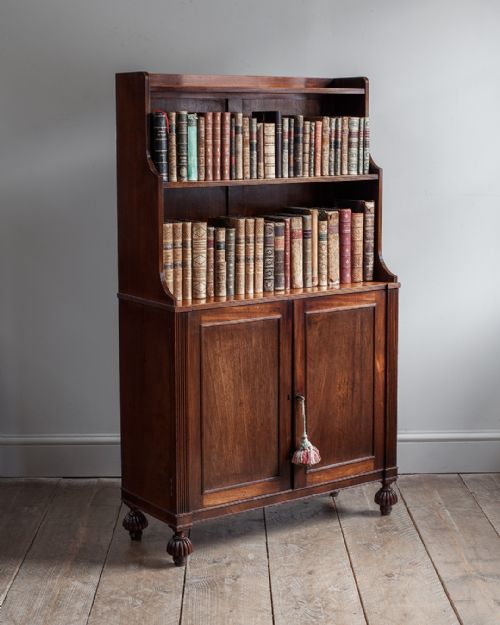
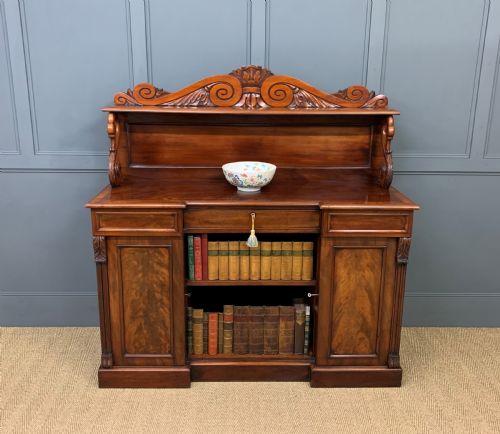
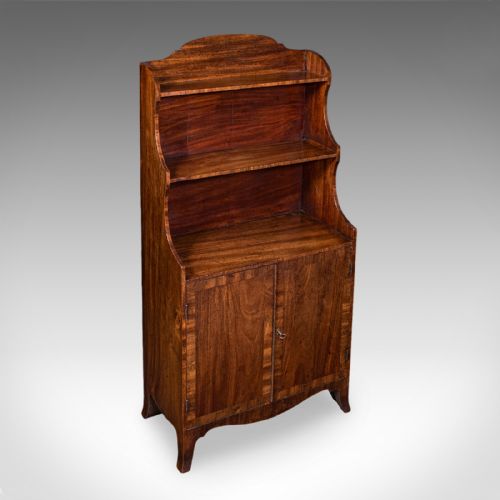
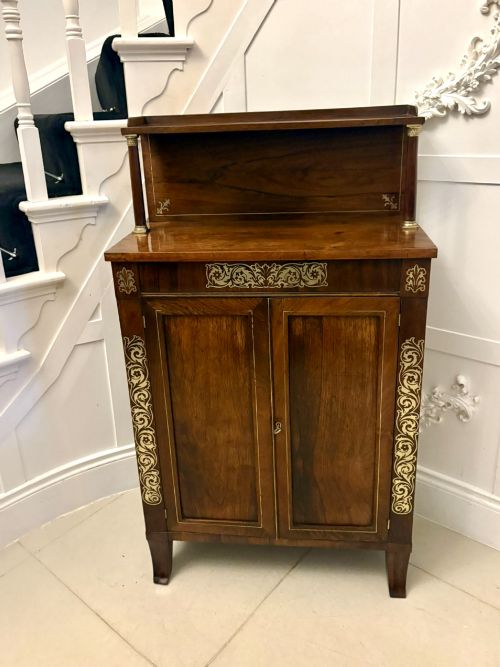
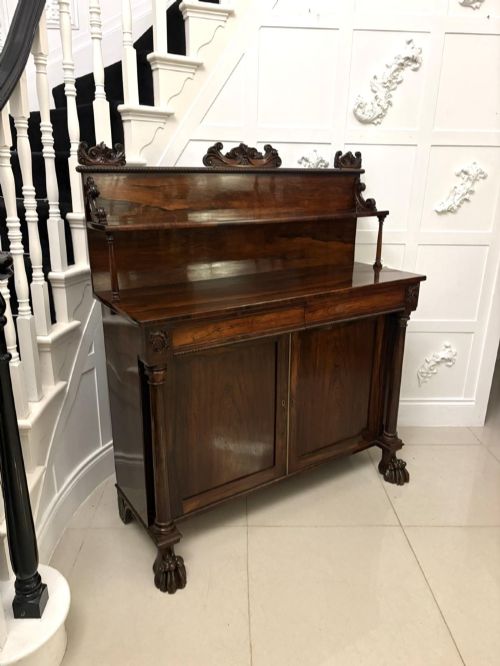
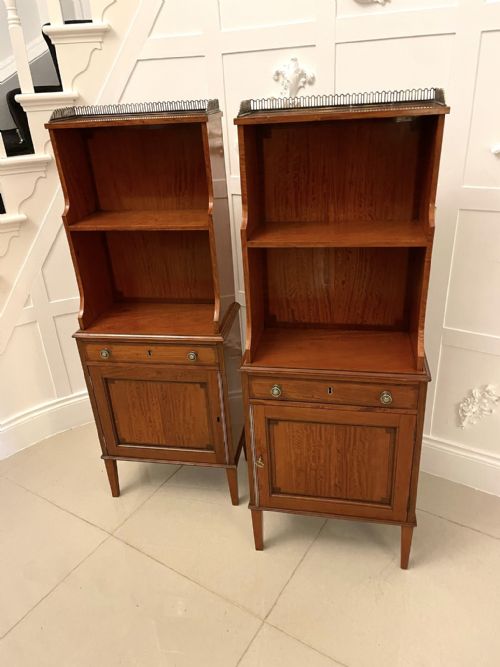
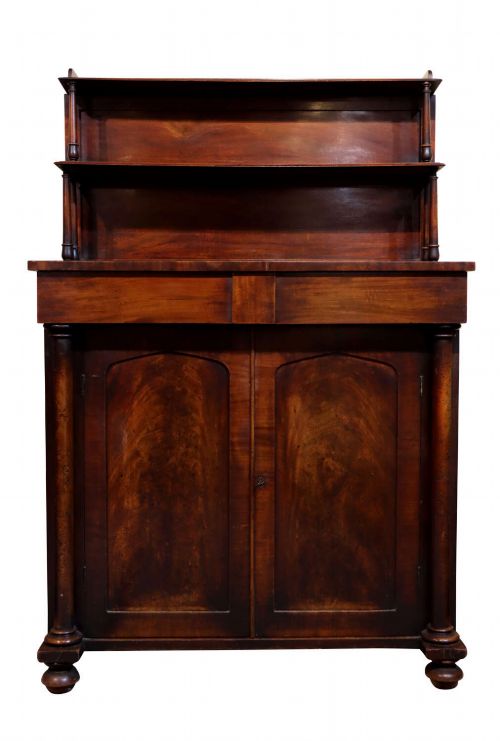
A regency cupboard with shelf typically appears as a chiffonier, side cabinet, or waterfall bookcase originating from the Regency, Georgian, and 19th Century periods. These items combine a lower enclosed cupboard space with upper tiered shelves designed for display or book storage.
Buyers frequently encounter mahogany, flame mahogany veneer, and rosewood constructions, often built in neat or petite scales suited to smaller rooms. The designs range from open-top bookcases to sideboards fitted with characteristic shelf backs and writing drawers.
How they were made
Cabinet makers utilised solid woods and decorative veneers such as flame mahogany and rosewood over foundational timber carcasses. Surface enrichment often involved detailed brass inlay work, painted finishes, and simulated graining to imitate exotic hardwoods.
Structural elements included adjustable display shelves, tiered shelf backs, and fitted marble tops. Joinery methods of the period ensured sturdy construction for both compact side cabinets and taller waterfall bookcases.
Some waterfall bookcases feature stepped shelves so steep they look ready to tumble your favourite novels straight onto the floor.
What varies in quality
The degree of refinement in timber selection and veneer matching defines the upper tier of these pieces. Fine examples display carefully figured flame mahogany and precise brass inlay work rather than plain secondary woods.
Proportion and scale also separate standard items from exceptional ones, with unusually small scale and well-balanced tiered shelf backs commanding greater appreciation. Original finishes, such as grained surfaces or polished rosewood, contribute significantly to the character of a piece.
Gillows
The Regency Cupboard with Shelf Glossary
- Chiffonier
- A low sideboard or cabinet featuring an enclosed lower cupboard surmounted by one or more display shelves. This form became particularly popular during the Regency and William IV periods.
- Waterfall bookcase
- A set of open shelves that recede in depth from bottom to top, creating a stepped profile resembling a cascade of water. These pieces often incorporate a small cupboard section at the base.
- Flame mahogany
- A veneer cut from the fork of the mahogany tree, producing a distinctive, highly figured flame-like pattern. Makers utilised this timber to create striking visual movement on cabinet doors and drawer fronts.
- Simulated rosewood
- A painted or grained surface treatment designed to imitate the appearance of genuine rosewood. This technique allowed cabinet makers to achieve a costly aesthetic using alternative base woods.
- Side cabinet
- A low freestanding storage unit designed to stand against a wall, typically housing interior shelves or drawers. Examples from the Regency era frequently feature brass inlay and fine timber veneers.
Regency Cupboard with Shelf: Frequently Asked Questions
What is a regency cupboard with shelf?
A regency cupboard with shelf is a low storage cabinet featuring an enclosed base and upper display shelving. These items serve as compact sideboards, chiffoniers, or waterfall bookcases.
Cabinet makers produced them primarily in mahogany, rosewood, and satinwood during the early nineteenth century. They combine practical enclosed storage with tiered surfaces designed for books or decorative objects.
How were these cabinets used historically?
These pieces functioned as versatile serving units, book repositories, and display surfaces in period drawing rooms and parlours. The lower cupboards held tableware, linens, or documents.
Upper shelves provided accessible space for displaying ceramics or holding frequently read volumes. Some examples included specialised writing drawers for correspondence.
How do I identify a Regency period piece?
Regency pieces typically exhibit classical proportions, precise brass inlay, and figured mahogany or rosewood veneers. They date from the early nineteenth century and often feature neat, compact scales.
Details such as simulated rosewood finishes, tiered shelf backs, and specific neoclassical design motifs help distinguish this era from later Victorian reproductions.
Where should I place a chiffonier at home?
A chiffonier suits living rooms, dining spaces, or hallways where floor space is limited. Their shallow depth allows them to sit neatly against walls without dominating a room.
The lower cupboard conceals clutter while the upper shelves hold books or decorative objects, making them functional additions to modern interiors.