
Regency Credenza Cupboard
These pieces known as a regency credenza cupboard bring architectural dignity and polished timber to a room.
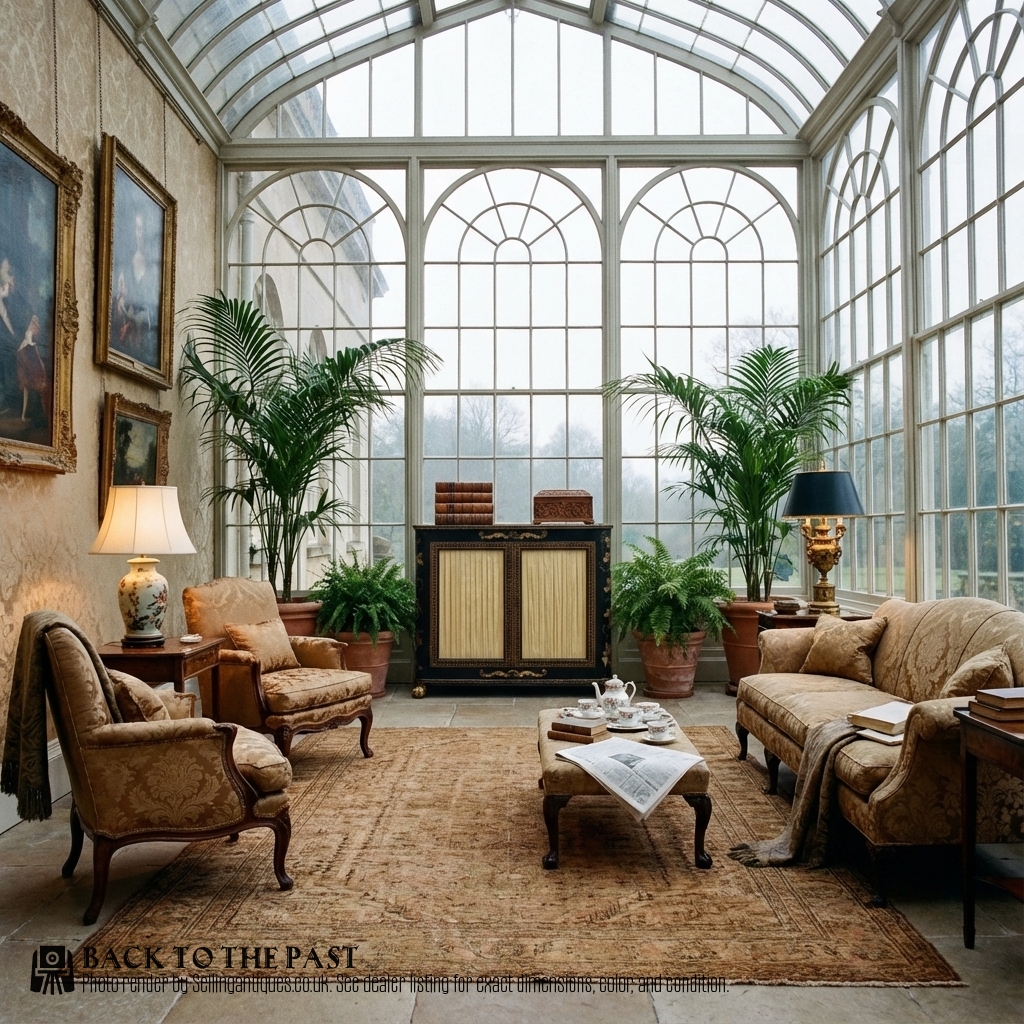
Regency Credenza Cupboard
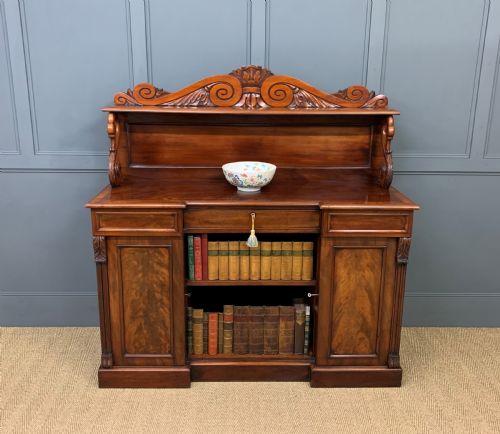
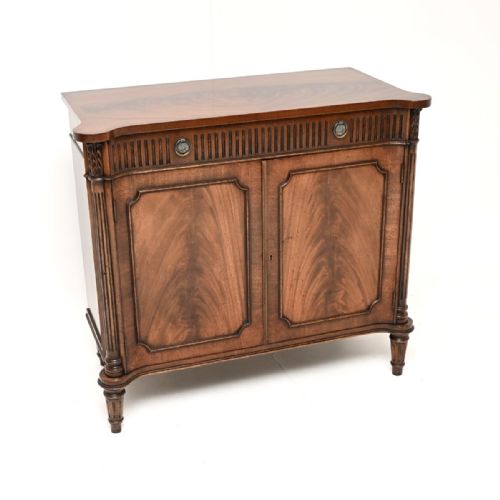
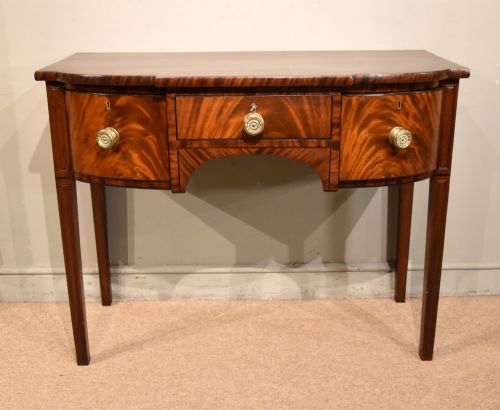
A regency credenza cupboard brings together the low, architectural storage forms of the early nineteenth century. Buyers searching this phrase encounter side cabinets, chiffoniers, and low cupboards dating primarily from the Regency, William IV, and Victorian periods.
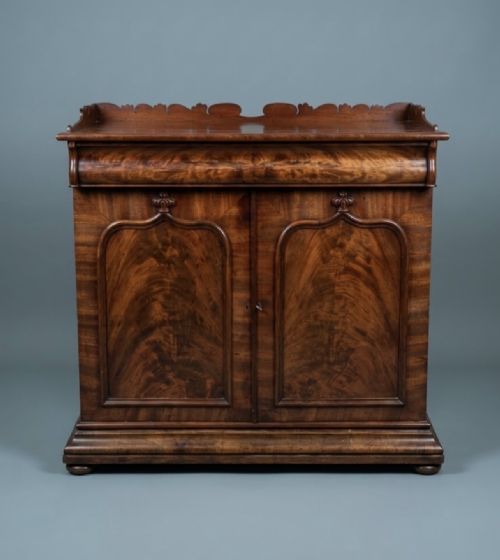
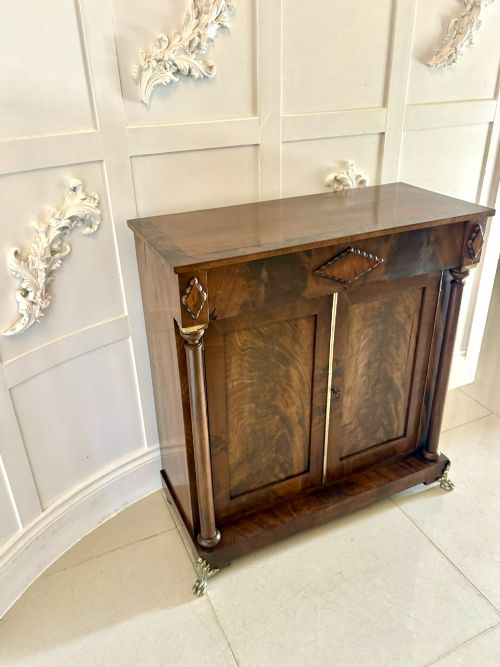
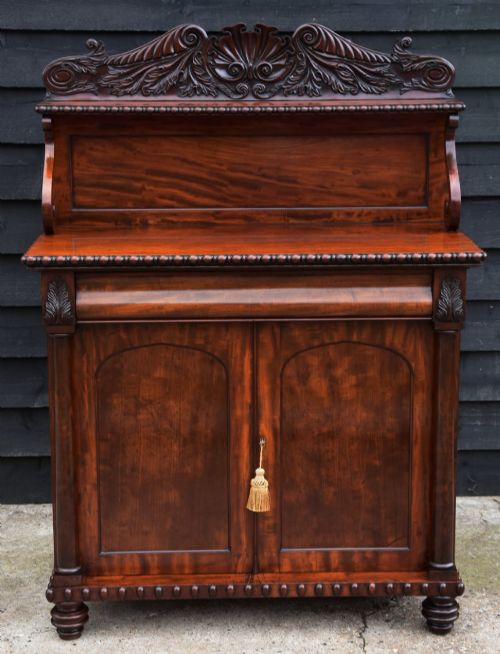
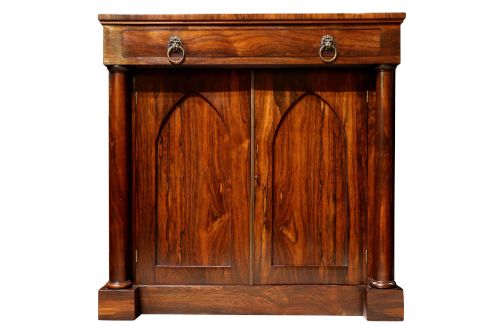
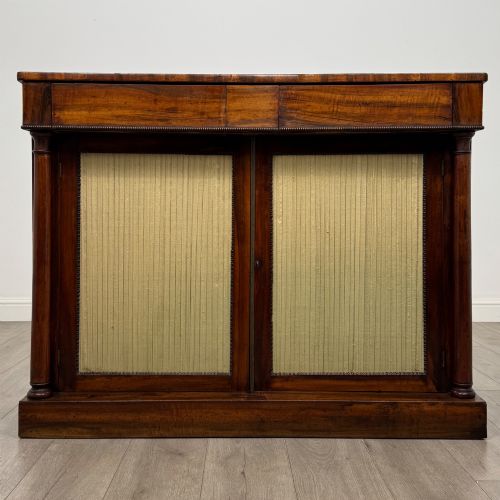
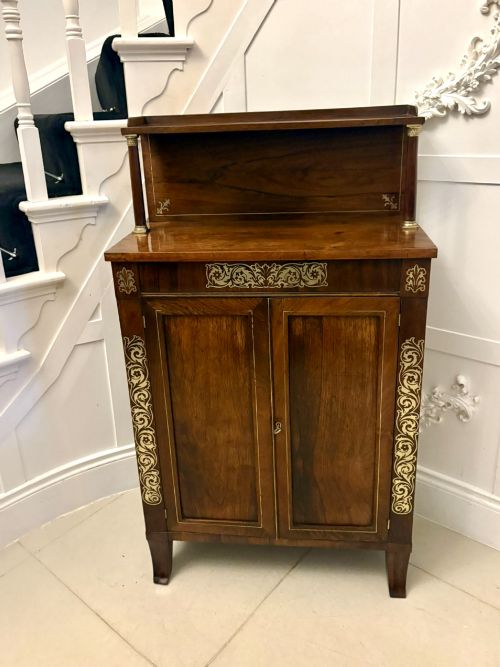
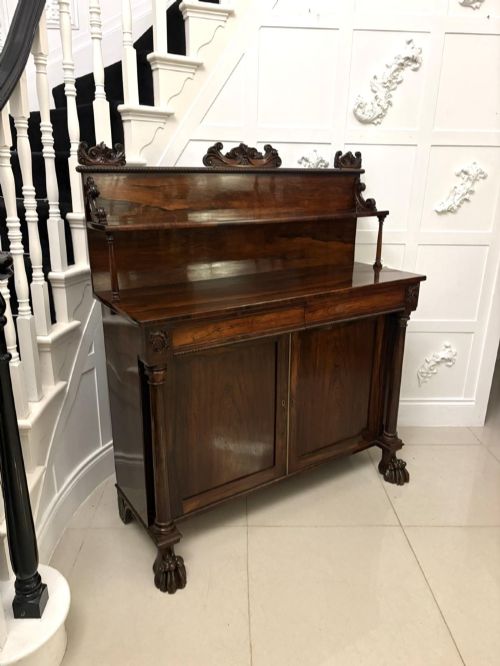
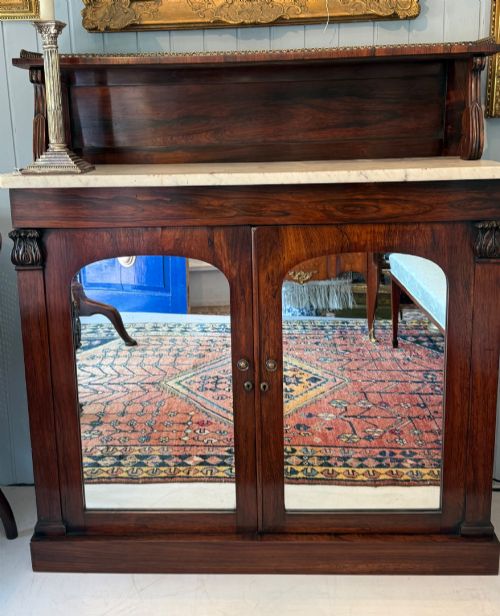
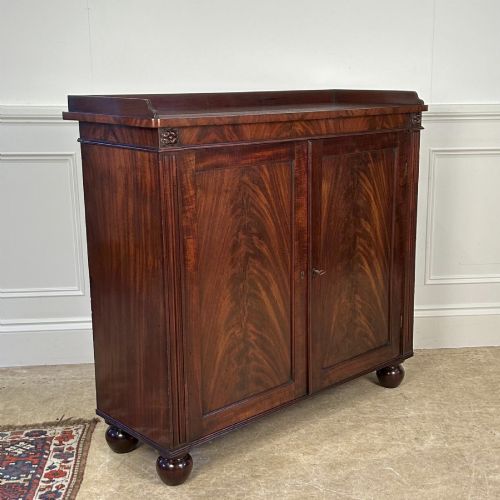
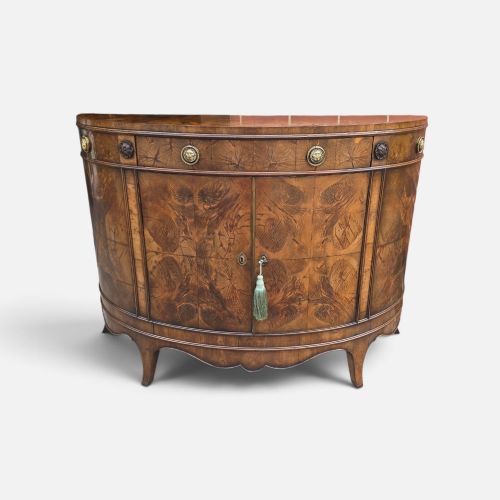
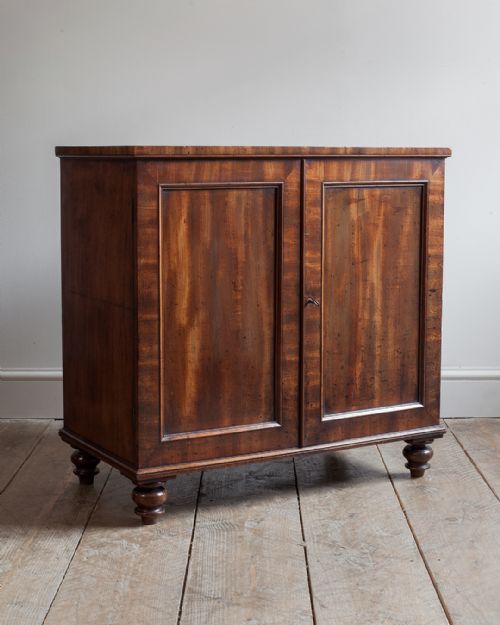
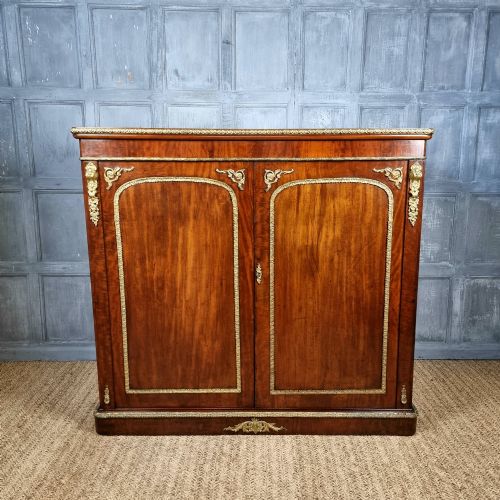
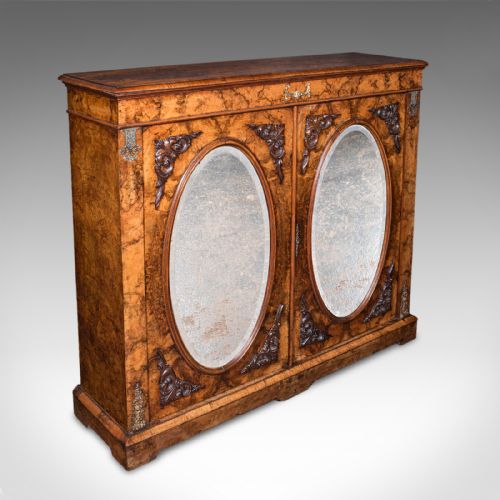
The most common form on this page is the low mahogany or rosewood chiffonier, often fitted with panelled or glazed doors. These items originate from English domestic settings, serving originally for the display of china or the storage of linen.
Alongside standard chiffoniers appear dwarf cabinets, breakfront side cabinets, and bookcase hybrids. Pieces span the early nineteenth century into later Victorian revivals, maintaining low profiles designed for parlour and morning room walls.
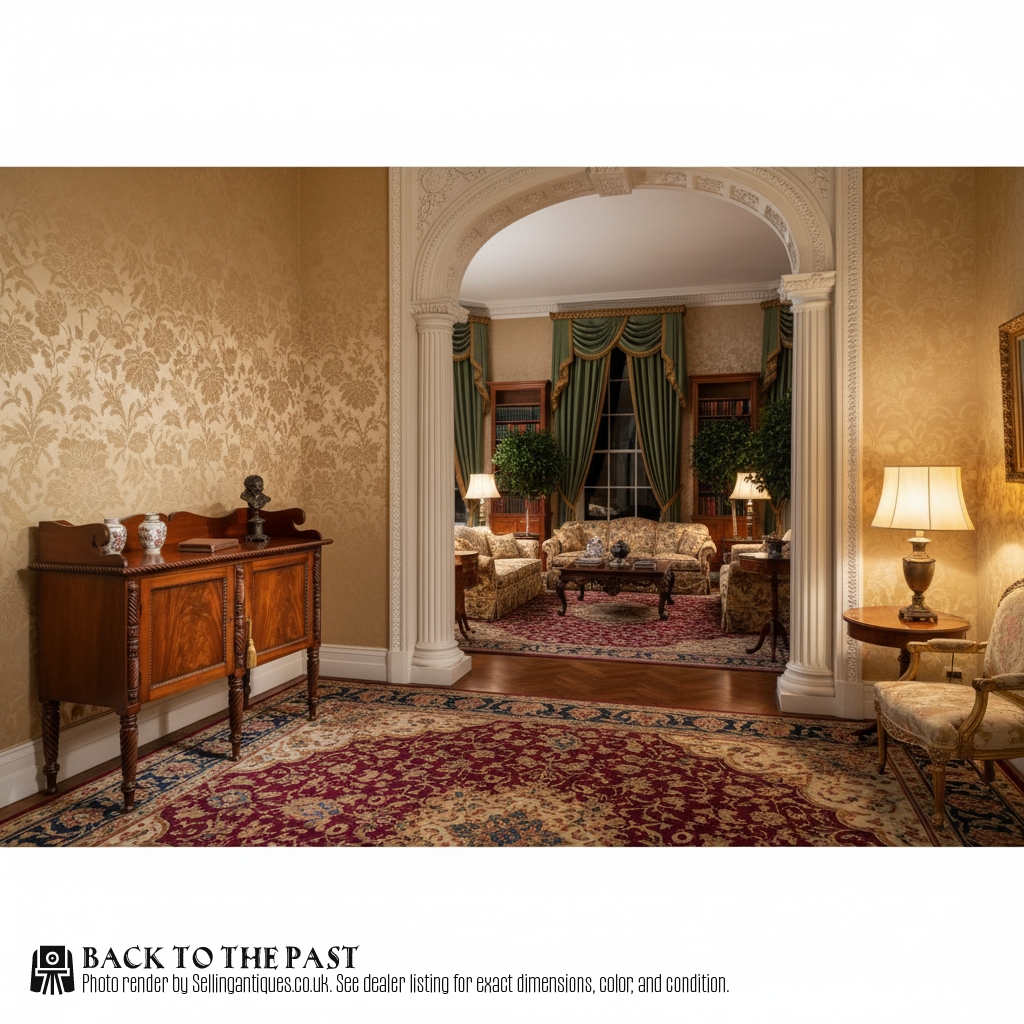
How they were made
Cabinet makers utilised dense primary timbers such as mahogany and rosewood, frequently applying flame mahogany veneer to create rich, figured surfaces. Exotic woods like amboyna, goncalo alves, and yew also feature in select examples.
Decoration relies on contrasting materials integrated directly into the timber construction. Fine brass inlays, cast ormolu mounts, and glazed or fabric-backed panels accent the primary wood structures.
Periods represented stretch from the Regency era through the William IV period and into late Victorian revivals.
What varies in quality
Quality rests in the selection of the timber grain and the precision of the cabinet work. Highly figured flame mahogany or richly grained rosewood indicates a more ambitious piece from the workshop.
The refinement of the decorative enrichment separates standard production from finer examples. Delicately cut brass inlay, well-cast ormolu mounts, and secondary timbers like pine painted to simulate rosewood show the range of craftsmanship.
Gillows·Louis Constantin Le Gaigneur
The Regency Credenza Cupboard Glossary
- Chiffonier
- A low sideboard or cupboard featuring a raised shelf or superstructure at the back, commonly used in nineteenth-century parlours.
- Ormolu
- Gilt bronze mounts applied as decorative highlights on furniture surfaces. The technique provides a metallic contrast to dark woods.
- Flame mahogany veneer
- A thin slice of mahogany cut from the fork of the tree to produce a dramatic, flickering grain pattern. This technique maximises the visual impact of the timber.
- Goncalo alves
- A dense exotic hardwood with distinct dark brown and yellowish-brown figuring. Cabinet makers utilised this timber for decorative cabinets.
- Breakfront
- A piece of furniture where the central section projects forward from the flanking sides. This architectural arrangement creates depth and shadow.
Regency Credenza Cupboard: Frequently Asked Questions
What is a regency credenza cupboard used for?
These cabinets serve as low storage units and display surfaces within reception rooms. Their proportions accommodate books, linen, or decorative objects without dominating the room's height.
Historically placed against parlour or dining room walls, they offer surface area above enclosed shelving. Today they function similarly in domestic interiors for media storage or display.
How do I spot a true Regency piece?
Examine the timber selection, secondary woods, and construction methods characteristic of the early nineteenth century. Regency pieces often display figured mahogany, rosewood, and precise brass inlay work.
Cabinet construction from this period employs solid secondary woods like pine or oak within the carcass. Stylistic markers include classical proportions, turned columns, and restrained ormolu mounts.
What is the difference between a chiffonier and a side cabinet?
A chiffonier typically incorporates a raised shelf supported by small pillars on the top surface. Side cabinets remain flat across the top without this superstructure.
Both forms provide enclosed storage behind doors, but the chiffonier offers a tiered display arrangement. The distinction reflects the evolving domestic habits of the Regency and William IV eras.
How do I care for rosewood and mahogany furniture?
Protect antique timber surfaces from direct sunlight and dramatic changes in relative humidity. Natural wax applied sparingly helps maintain the lustre of rosewood and mahogany veneers.
Avoid silicone-based polishes and excessive moisture during cleaning. Regular dusting with a soft, dry cloth preserves the aged patina of the finish.