

Regency Coffee Table
A regency coffee table brings classical proportion and rich timber into a modern sitting room.
What a regency coffee table is
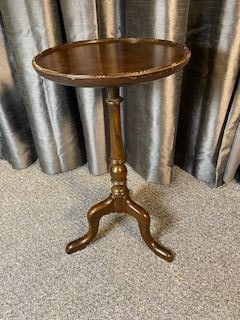
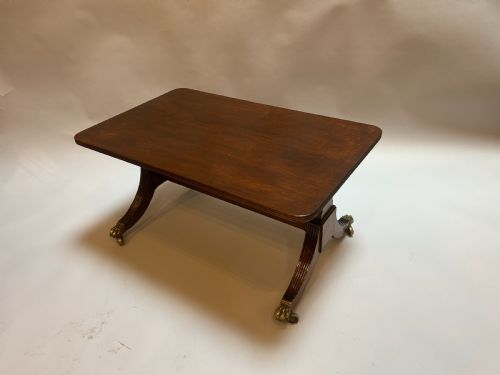
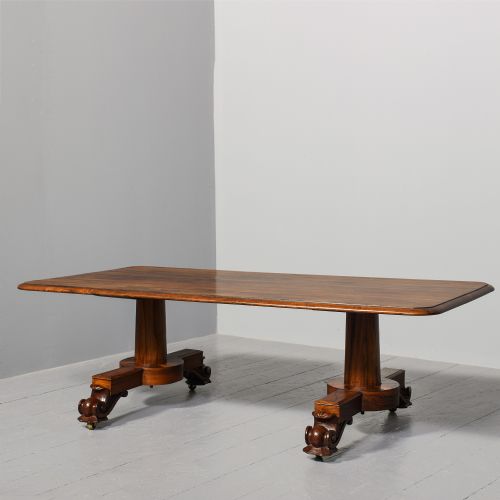
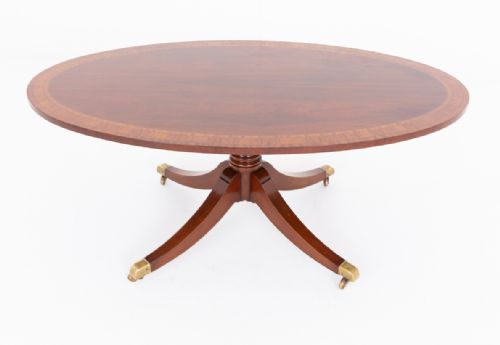
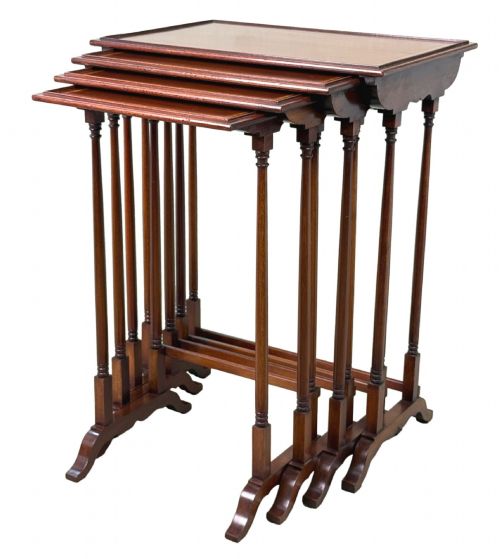
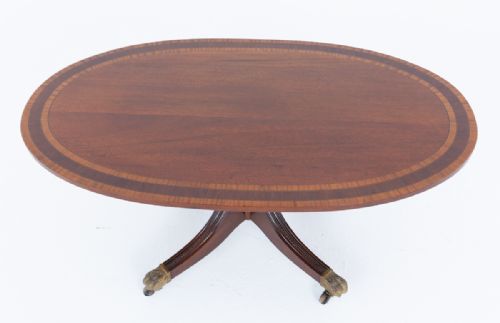
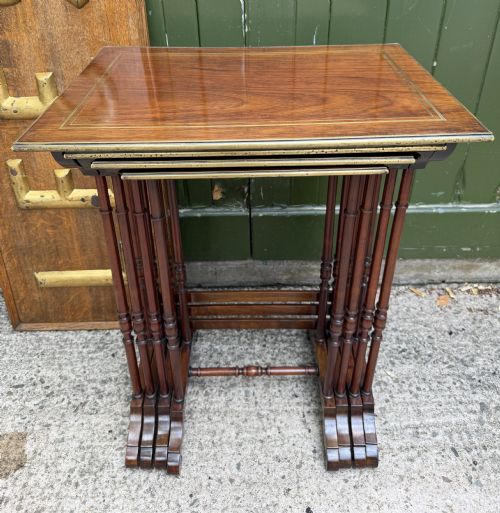
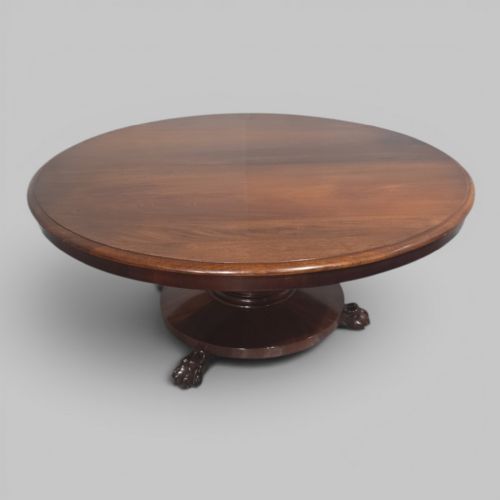
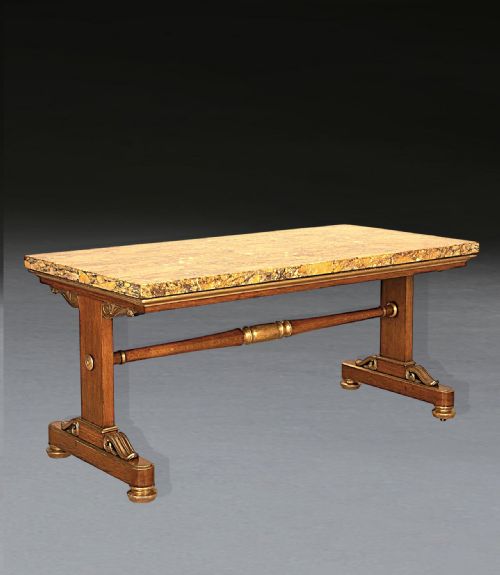
Mahogany and rosewood dominate the listings, frequently accompanied by brass details and occasional marble or leather tops. These low tables range from small tripod designs to large oval shapes and nests of tables.
How they were made
Cabinet makers constructed these tables primarily in solid and veneered mahogany, alongside select rosewood, walnut, and satinwood pieces. Brass mounts, castors, and stringing added metallic and contrasting accents to the dark timbers.
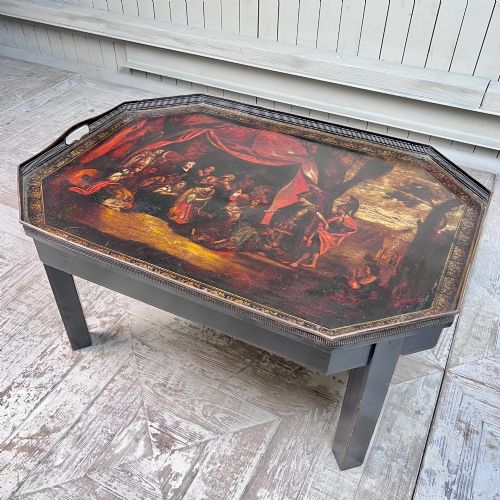
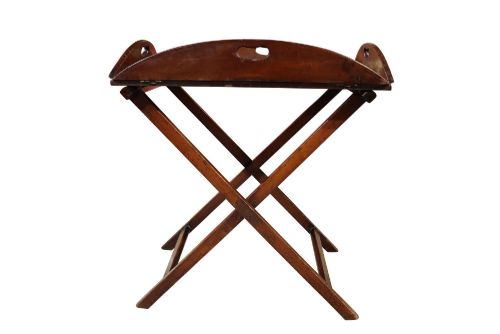
Many items show evidence of adaptation, where taller nineteenth-century occasional tables, drop-leaf tables, or coaching trunks have been lowered to coffee table height. Others represent later Victorian, Edwardian, and revival manufacturing periods.
Retail Price Guide 2026
Typical UK retail prices for regency coffee table, calculated from the Sellingantiques database of over a million retail prices indexed since 2003. This retail price guide relies exclusively on Sellingantiques data; no external sources or auction records are used, so the figures do not describe the wider market.
Several sturdy oak coaching trunks found new life as low tables after decades of travel.
What varies in quality
The distinction between standard and superior pieces rests on the choice of timber and the crispness of the carving or inlay. Finely figured mahogany and well-executed crossbanding elevate a piece above simpler variants.
Adaptation history also influences character, as professionally lowered or converted tables maintain harmonious proportions, whereas hurried alterations disrupt the intended balance of the original design.
Gillows
The Regency Coffee Table Glossary
- Crossbanding
- A border of veneer laid with the grain running perpendicular to the main surface. This technique creates a neat framing effect around tabletops.
- Tripod base
- A central pillar supported by three splayed legs. This construction allows stability on uneven floors and appears frequently on smaller tables.
- Drop leaf
- A hinged flap on either side of a tabletop that can be raised or lowered. It offers flexibility in surface area.
- Quartetto nest
- A set of four graduating stacking tables. They fit neatly beneath one another when not in use.
Frequently Asked Questions
Are these original period tables?
The inventory includes genuine nineteenth-century pieces alongside later revival examples made in the Victorian and Edwardian eras. Many period tables have also been adapted from earlier occasional tables or trunks to function at coffee table height.
Examining the timber, construction methods, and hardware helps distinguish between authentic period manufacture and subsequent interpretations.
How do I style a mahogany table?
Dark timbers like mahogany and rosewood anchor a room with deep, warm tones and classical lines. They suit both traditional interiors and modern spaces needing a focal point of substantial craftsmanship.
Pair them with neutral seating or contrasting textures to highlight the grain and any brass or leather details.
What is an adapted coffee table?
An adapted table is typically a nineteenth-century occasional table, Pembroke table, or coaching trunk that has been reduced in height to serve as a coffee table. This practice recycles older furniture into functional low tables for modern homes.
Such pieces retain their original period timber and joinery while meeting contemporary domestic requirements.
What woods are used?
Mahogany is the primary timber found across these listings, appearing in both solid boards and finely figured veneers. Rosewood, walnut, and satinwood also feature in select pieces, often paired with inlay or brass work.
Leather and marble top inserts appear on specific variants, adding alternative surface textures to the wooden frames.