


Regency Chinoiserie Plate
A regency chinoiserie plate brings together classic British ceramics and fanciful Eastern motifs that collectors prize for their rich visual storytelling.
Regency Chinoiserie Plate
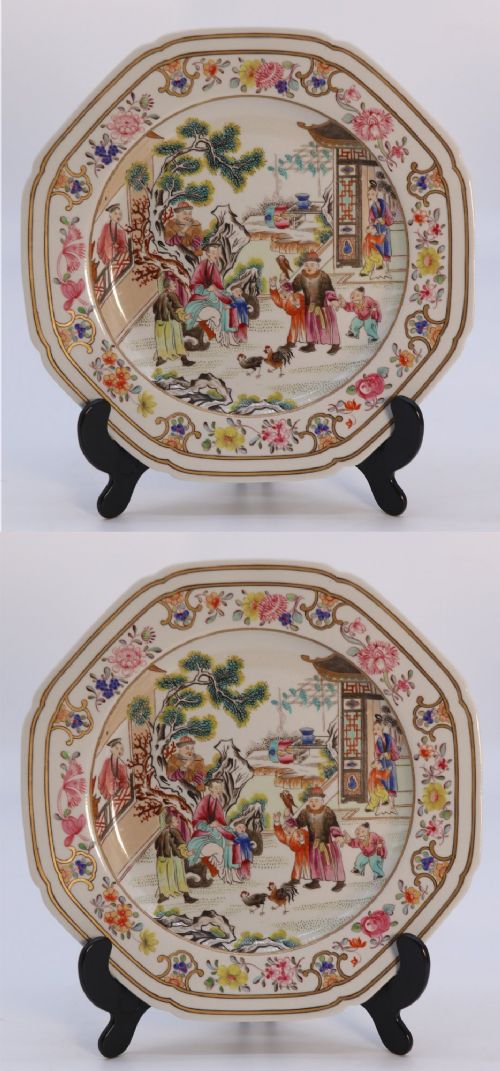
A regency chinoiserie plate sits at the intersection of early nineteenth-century dining culture and imaginative interpretations of East Asian design. When searching this phrase, a buyer encounters a variety of forms including cabinet plates, tea plates, and larger chargers.
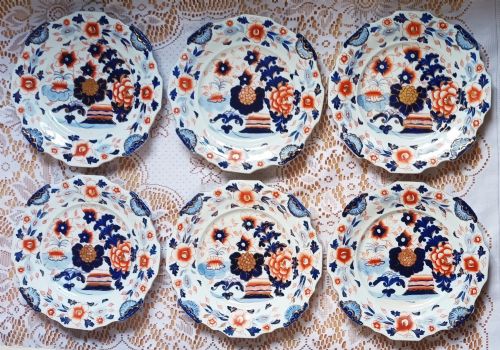
The pieces appearing on this page stem primarily from the Regency, Georgian, and Victorian periods, with materials ranging from ironstone and stone china to porcelain and pearlware. Makers often employed transferware techniques alongside hand-painted enamel and gold leaf to articulate complex patterns.
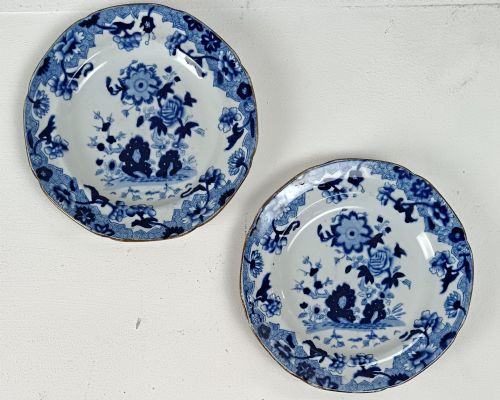
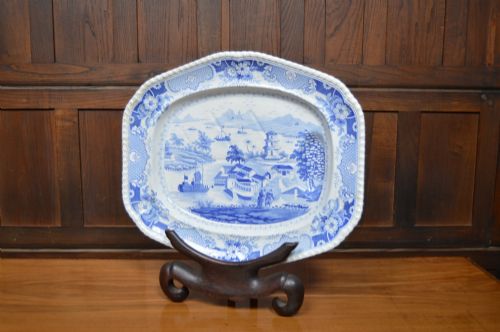
The most common formats on show include octagonal cabinet plates and blue and white serving platters, often bearing patterns inspired by Japanese and Chinese motifs. These items reflect both the utilitarian demands of nineteenth-century households and the decorative aspirations of the period.
How they were made
Potteries utilised durable ceramic bodies such as ironstone and stone china to withstand daily use while maintaining a refined surface for decoration. Artisans applied cobalt blue transfer printing beneath the glaze, securing deep hues that resisted fading over time.
Overglaze enamel colours and gold leaf were added by hand in subsequent firings to create vibrant contrasts against the white ceramic ground. This combination of mechanical transfer printing and meticulous hand-painting defined the production methods of major English works.
Listings feature items spanning the 19th Century, Georgian, Victorian, and Regency periods, constructed from enamel, earthenware, gold leaf, ironstone, ceramic, glaze, porcelain, and pearlware.
What varies in quality
Quality in these ceramics rests upon the crispness of the transfer print and the precision of the hand-applied enamel work. Finer examples display sharp details within complex compartments and minimal blurring along the pattern edges.
The weight and resonance of the ceramic body, particularly in stone china and ironstone pieces, indicate the density of the paste and the skill of the kiln firing. Rich application of gold leaf and well-preserved polychrome palettes distinguish superior cabinet plates from standard utilitarian ware.
Spode·Worcester·C.J. Mason·Minton·Wedgwood·Davenport
The Regency Chinoiserie Plate Glossary
- Ironstone
- A patented ceramic body invented in the nineteenth century for its durability and resistance to chipping. It provides a heavy, dense ground for transfer-printed and enamelled designs.
- Transferware
- A pottery decoration technique where an engraved copper plate transfers a design onto tissue paper, which is then stamped onto the ceramic biscuit before glazing. This method allowed for intricate and repeatable patterns.
- Chinoiserie
- A European artistic style reflecting Chinese and East Asian motifs, characterised by imaginative landscapes, figures, and pavilions. It was widely interpreted by British potteries during the Georgian and Regency eras.
- Charger
- A large ornamental or serving plate used primarily during formal dining. These pieces often feature prominent pictorial scenes and substantial diameters.
- Stone China
- A dense ceramic material intermediate between earthenware and true porcelain. It offered manufacturers a robust surface suited to elaborate oriental-inspired patterns.
Regency Chinoiserie Plate: Frequently Asked Questions
What is a regency chinoiserie plate?
A regency chinoiserie plate is a nineteenth-century ceramic dish decorated with European interpretations of East Asian landscapes, figures, and architectural motifs. These pieces were produced by notable English potteries during the Regency and Georgian periods.
They served both as functional tableware for dessert or tea and as decorative cabinet plates displayed in formal rooms. The designs often incorporate blue and white transfer printing alongside hand-applied enamels and gold leaf.
How do I care for antique ceramic plates?
Antique ceramic plates require gentle handling and should be washed by hand in lukewarm water using mild soap rather than placed in a dishwasher. Sudden temperature changes can stress the historical glaze and cause micro-cracking.
Displaying them securely on padded plate stands or storing them vertically in dedicated racks prevents surface scratching and accidental edge chipping. Protecting them from direct sunlight helps preserve the vibrancy of hand-painted enamels.
How can I tell the period of a plate?
Determining the period involves examining the ceramic body, the manufacturing style, and any backstamps or impressed marks associated with specific potters. Ironstone and stone china became prevalent during the early nineteenth century, aligning with the Regency and Georgian eras.
Stylistic shifts also offer clues, as Regency patterns often display distinct neoclassical influences blended with exotic oriental scenes. Comparing the transfer print clarity and enamel palette against documented maker timelines helps narrow the date of production.
Were these plates used for dining?
Many of these plates served a practical function in nineteenth-century dining, particularly tea plates, dessert services, and large meat platters. Households utilised them during formal meals and afternoon tea before transitioning them to display status as they aged.
Some heavier chargers and cabinet plates were designed primarily for decorative display in country houses and drawing rooms. The presence of utensil marks or fading on functional surfaces often indicates active use in period dining rooms.