




Regency Chinoiserie China
Regency chinoiserie china brings together British ceramic forms and imaginative Eastern motifs to add striking pattern and colour to a room.
Regency Chinoiserie China
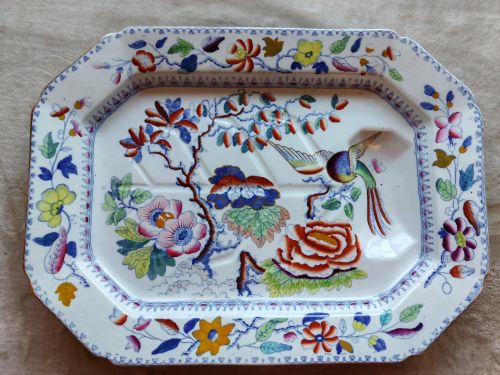
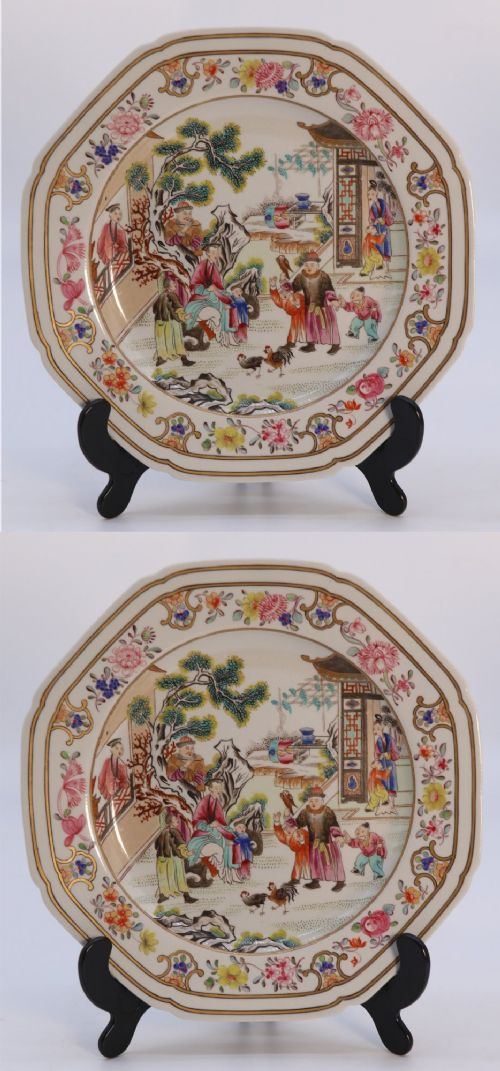
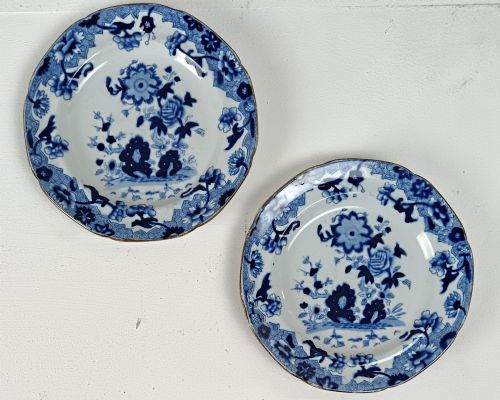
These pieces encompass plates, serving platters, tureens, bowls, and teapots produced during the Georgian and Regency periods. Makers combined durable ironstone and fine porcelain with hand-applied patterns influenced by Eastern design.
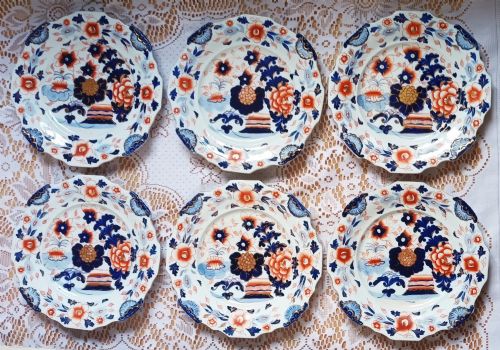
Plates and tea plates form the core of what you will encounter, often decorated with named patterns like Japan, Dragon in Compartments, and Indian Grasshopper. The forms serve both decorative and functional roles within domestic settings.
The aesthetic bridges European classical restraint with vibrant pictorial motifs such as bamboo, landscapes, and mythical creatures. Most examples date from the early nineteenth century and reflect the period's fascination with exotic visual traditions.
Materials and Manufacture
Potters utilised robust ironstone ceramic alongside finer porcelain bodies to withstand daily use while providing a smooth surface for painting. Ironstone pieces like those by Mason's offered exceptional durability alongside heavy potting.
Regency Chinoiserie China Retail Price Guide 2026
Typical asking prices for regency chinoiserie china among the pieces listed under this phrase on Sellingantiques today, from the lower quarter to the upper quarter. They describe what is for sale here now, not the wider market.
The inventory records significant production from Staffordshire factories alongside Welsh and Worcester porcelain manufactories.
Factors of Quality
Quality rests upon the crispness of the transfer printing and the precision of the overglaze enamel painting. Finer works display meticulous hand-brushing in gold leaf and complex polychrome detailing across intricate patterns.
The weight, potting standard, and clarity of the ceramic body distinguish superior examples from standard utilitarian wares. Cabinet plates and large comports often demonstrate greater artistic ambition than routine tea plates.
Spode Stone China·Mason's Patent Ironstone·Worcester Flight Barr And Barr·Swansea Porcelain·Davenport Stone China
The Regency Chinoiserie China Glossary
- Ironstone
- A dense, hard-wearing ceramic body patented in the early nineteenth century as a durable alternative to porcelain. It accepted heavy enamel decoration and gilt work exceptionally well.
- Chinoiserie
- European artistic style reflecting imaginative interpretations of Chinese and East Asian design motifs. It relies on symmetrical landscapes, exotic flora, and fantastical figures.
- Comport
- A raised serving dish or pedestal bowl used for fruit or sweetmeats during formal dining. These pieces often stand on short stems or footed bases.
- Enamel
- Opaque vitreous glass mixture applied over the glaze to introduce bright surface colours. Firing fixes the pigments permanently to the ceramic body.
- Drainer
- A perforated ceramic insert placed inside a serving platter to allow meat juices to pool underneath. They match the surrounding service pattern.
Regency Chinoiserie China: Frequently Asked Questions
What is regency chinoiserie china?
These items are ceramic tableware and decorative pieces produced in Britain during the early nineteenth century. They combine traditional European forms with fanciful Eastern-inspired pictorial patterns.
Painted scenes often feature dragons, bamboo, and pavilion landscapes rendered in bright enamels and gilt. They represent a distinct intersection of Georgian craftsmanship and exotic aesthetic tastes.
How were these ceramics used?
Plates, platters, and tureens served practical roles at the dining table for serving substantial meals and tea. Large bowls and comports acted as centerpieces for fruit or decorative display.
Cabinet plates and vases were intended strictly for visual appreciation in drawing rooms. Wealthy households utilised matching dinner services to signal sophistication during formal gatherings.
How do I care for antique china?
Wash these pieces gently by hand using mild detergent and warm water to protect delicate enamel and gold leaf. Avoid soaking them or placing them in modern dishwashers.
Store plates securely in plate racks or with padded dividers between stacked items. Handle comports and tureens by their main bodies rather than protruding handles or rims.
How do I identify the period?
Examine the ceramic body, glaze characteristics, and maker's marks stamped or painted on the underside. Early nineteenth-century pieces often feature specific ironstone or stone china formulations.
Stylistic cues such as vibrant polychrome enamels and specific named patterns like Indian Grasshopper point directly to the Regency era. Comparing potting techniques with documented examples helps confirm dates.