

Regency Ceramic Plates
Regency ceramic plates bring the bold colours and intricate botanical or transfer-printed scenes of the early nineteenth century straight to the table.
Regency Ceramic Plates
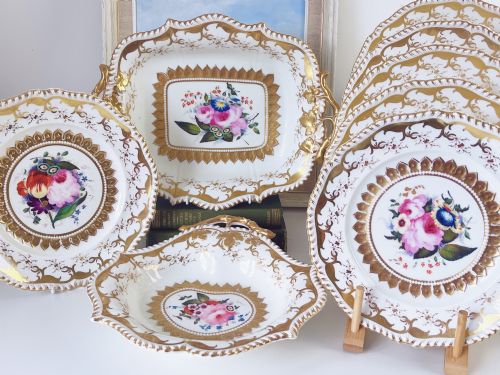
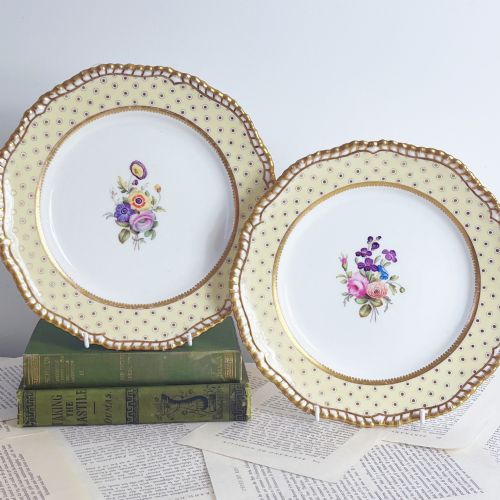
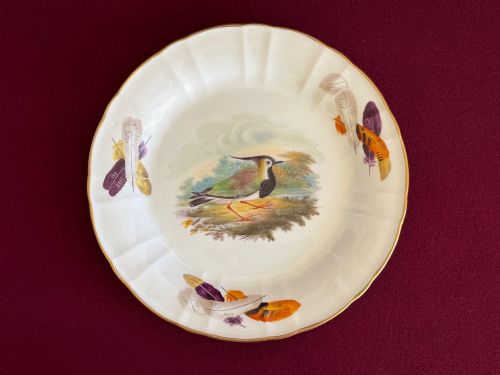
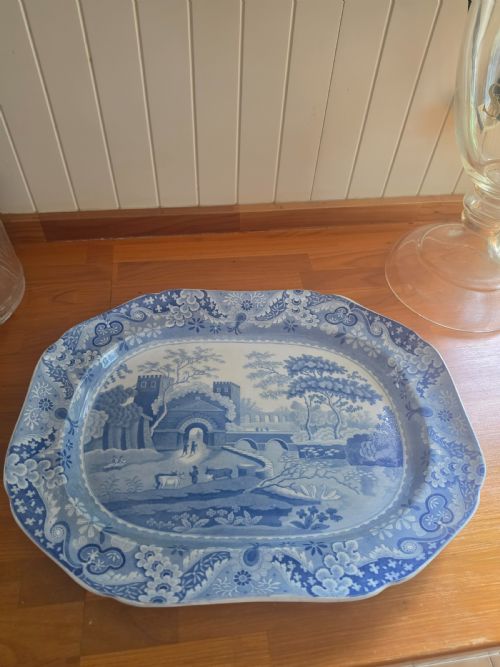
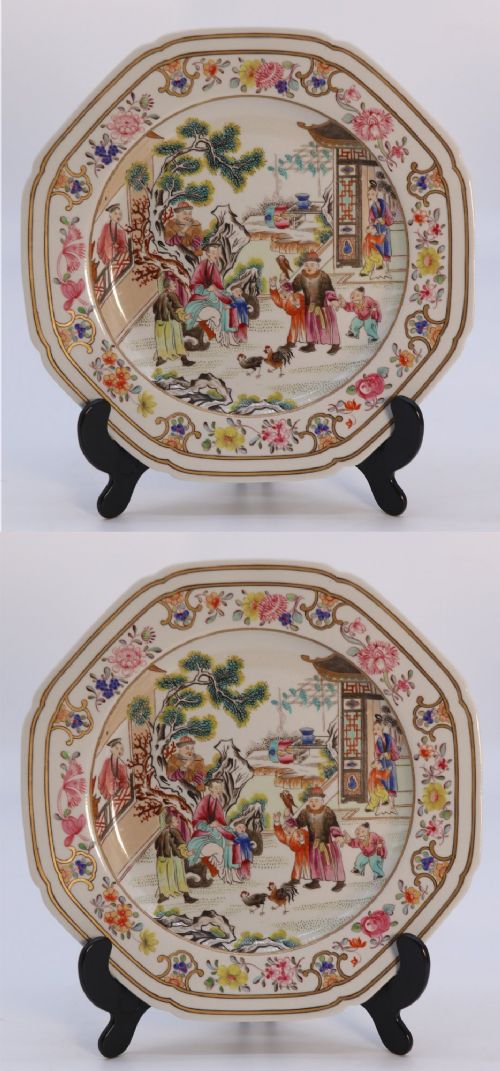
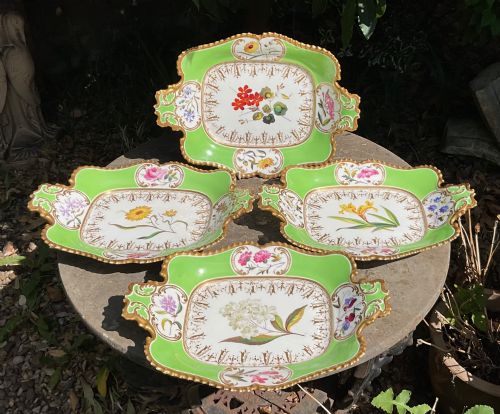
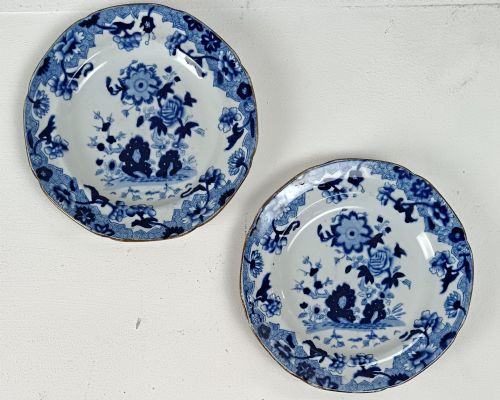
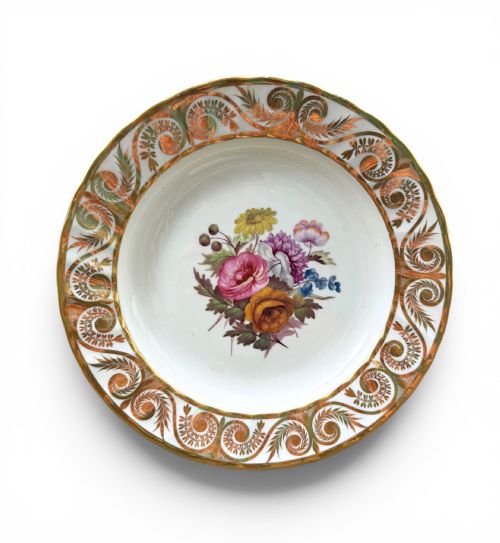
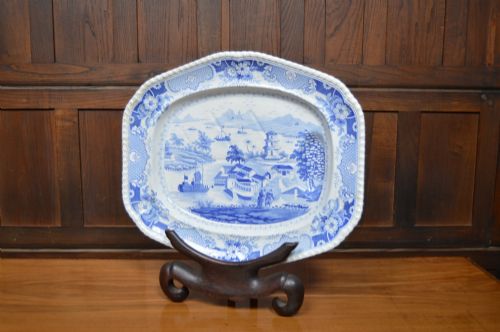
When you search for regency ceramic plates, you encounter everything from delicate cabinet plates painted with botanical specimens to sturdy blue and white transferware platters. The pieces on this page span the 19th Century, Regency, and Georgian periods, originating from prominent English potteries and factories. Most listings comprise decorative plates, serving dishes, and dessert services intended for display or formal dining.
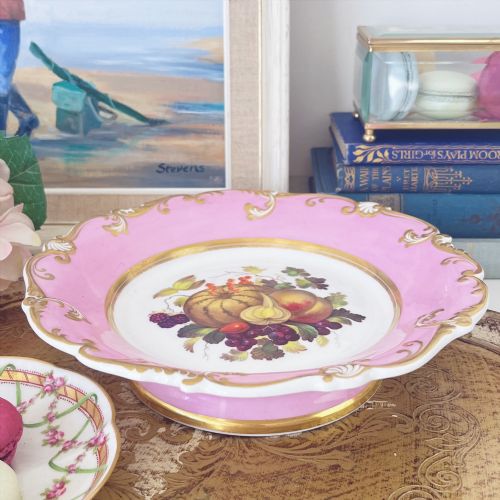
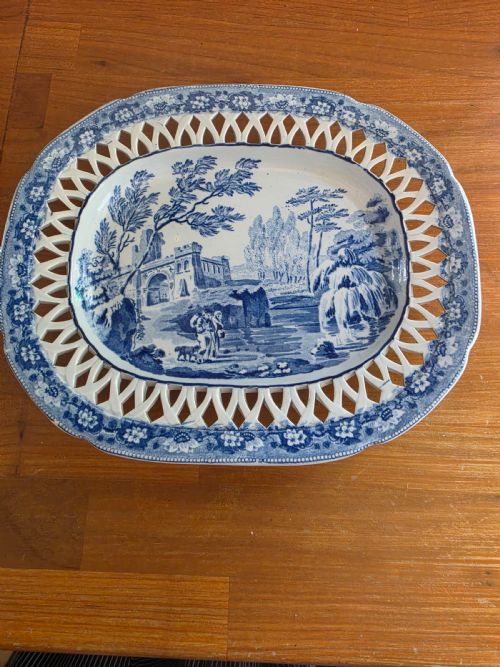
The versions you are most likely to meet combine utilitarian forms with elaborate decoration, reflecting the tastes of the period. Forms range from octagonal cabinet plates to footed comports and drainers, often grouped in sets or partial services. These ceramics bridge the gap between practical dining ware and collectible art objects.
Materials and techniques
Makers utilised body compositions such as bone china, ironstone china, earthenware, and stone china to achieve durable yet refined forms. These ceramic bodies were shaped into plates, platters, and comports before receiving glazes and transfers.
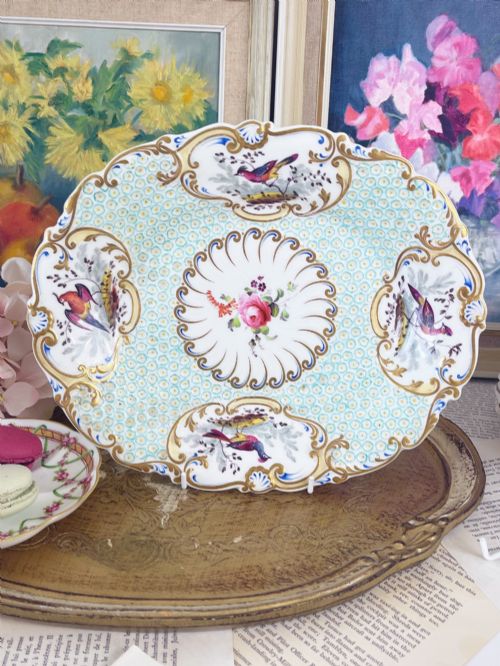
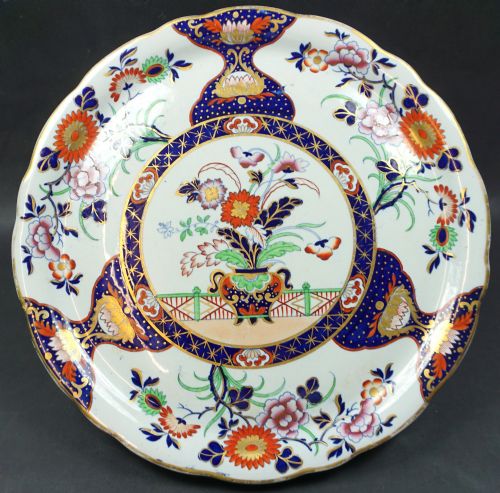
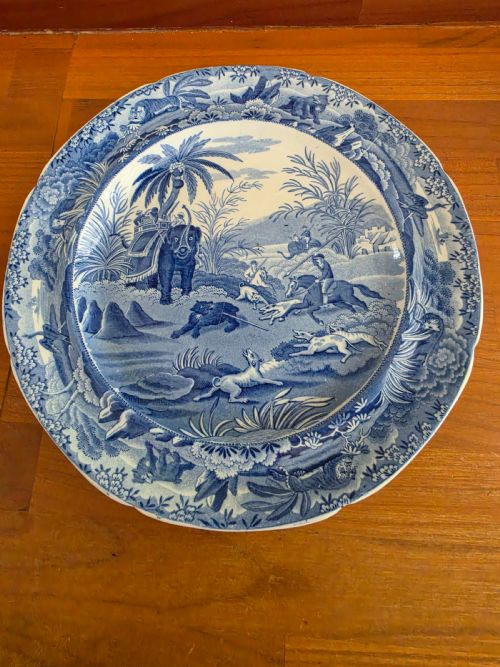
Decoration relied on handpainted enamels, gilding with gold leaf, and blue and white transfer printing. Skilled artisans applied botanical motifs, armorial bearings, and Chinoiserie patterns directly onto the ceramic surface prior to final firing.
Listings feature porcelain, ironstone, and earthenware bodies decorated with transfer printing, enamel painting, and gold leaf gilding.
Quality variations
The standard of painting sets the finest pieces apart from standard production, particularly in handpainted botanical studies and detailed bird or fruit scenes. Crisp execution in blue and white transfer printing also distinguishes superior wares from simpler commercial output.
The choice of body material influences the overall refinement, with fine bone china and felspar porcelain showing greater translucency than heavier earthenware or ironstone. Preservation of original gilding and enamel vibrancy further dictates the standing of an individual piece.
Grainger Lee & Co·Spode·H & R Daniel·Wedgwood·Davenport·Chamberlains Worcester·Derby·Staffordshire·Hicks & Meigh·Minton·Bloor Derby·Barr, Flight and Barr·Coalport·Flight, Barr & Barr·C.J. Mason·New Hall
The Regency Ceramic Plates Glossary
- Transferware
- Pottery decorated by applying a printed design from an engraved copper plate onto tissue paper, which was then transferred onto the ceramic body before glazing. This technique allowed for intricate blue and white landscapes and pictorial patterns to be produced consistently.
- Comport
- A raised dish or bowl, often footed, used for serving fruit or sweets as part of a formal dessert service. These pieces frequently feature elaborate painted borders and central motifs.
- Ironstone
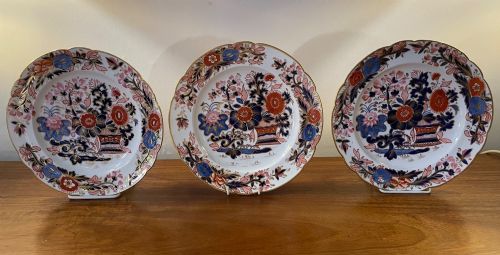
- A heavy, durable type of earthenware patented by Charles Mason, designed to imitate Chinese porcelain while offering greater strength for everyday dining. It readily accepted colourful Imari and Japan patterns.
- Imari
- A decorative style inspired by Japanese export porcelain, characteristically featuring a palette of underglaze blue, iron red, and gilt. British factories frequently adapted these vibrant motifs on plates and dishes.
- Bone china
- A soft-paste porcelain incorporating animal bone ash, resulting in a strong, highly translucent ceramic body ideally suited for fine painting and gilding.
Regency Ceramic Plates: Frequently Asked Questions
What were regency ceramic plates used for?
These pieces served multiple functions in the dining room, ranging from daily dining to elaborate multi-course meals. Dessert services and footed comports were specifically designated for the final course of a formal dinner, holding fruit, sweets, and sweetmeats.
At the same time, many fine cabinet plates were produced primarily for display in dining parlours and drawing rooms. Transfer-printed platters and meat plates handled heavier service during the main meal.
How do I tell periods apart?
Distinguishing the Regency period from the broader Georgian and early Victorian eras involves examining the stylistic motifs and body types. Regency designs often incorporate bright Imari palettes, Chinoiserie scenes, and botanical studies executed on refined bone china or stone china.
Factory marks stamped or painted on the reverse provide definitive chronological clues when present. Stylistic shifts toward heavier transfer printing and darker palettes can also help signal later Victorian production.
Are these plates safe for food?
Most antique ceramics contain lead in their glazes, which can leach when exposed to acidic foods over extended periods. For this reason, collectors generally treat them as display items rather than functional tableware.
If utilised for dining, they should be reserved for dry foods and washed immediately afterward. Cold presentation use is safer than serving hot dishes that might accelerate chemical interaction.