



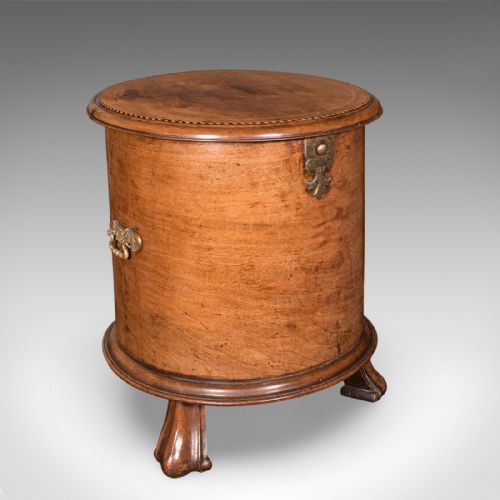

Regency Cellarette Box
A regency cellarette box is a robust storage container built to hold wine bottles in the dining room during the Georgian and Regency periods.
Regency Cellarette Box
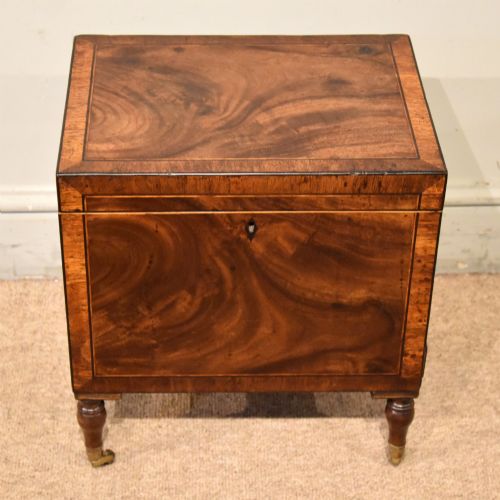
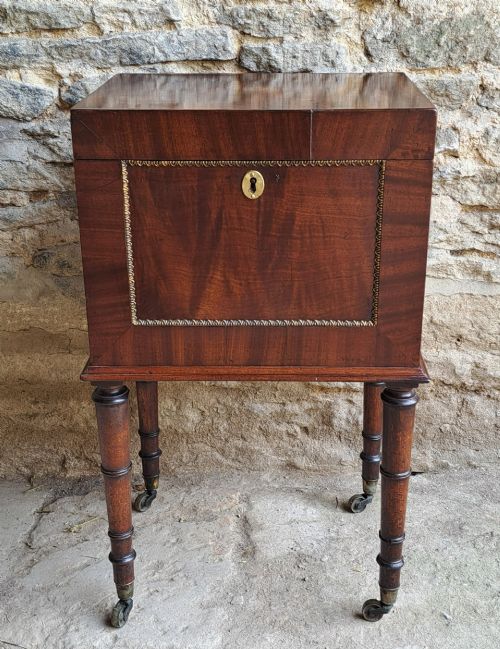
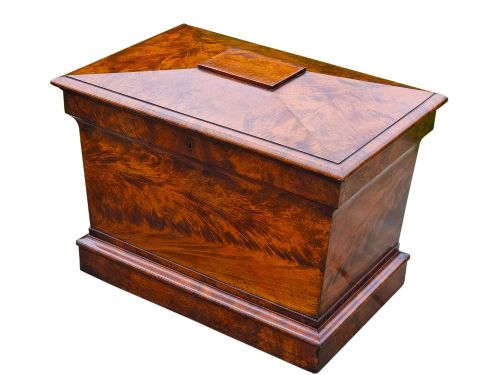
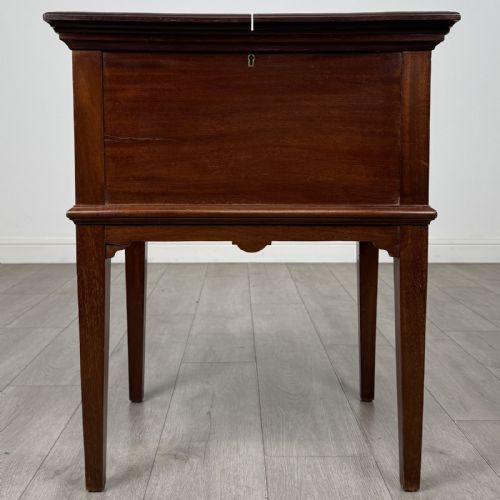
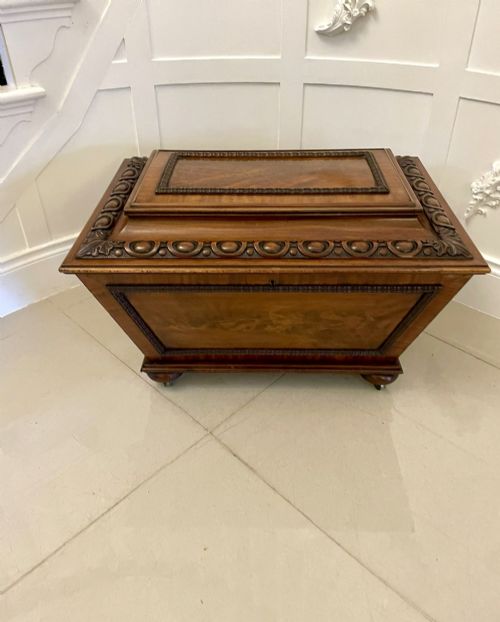
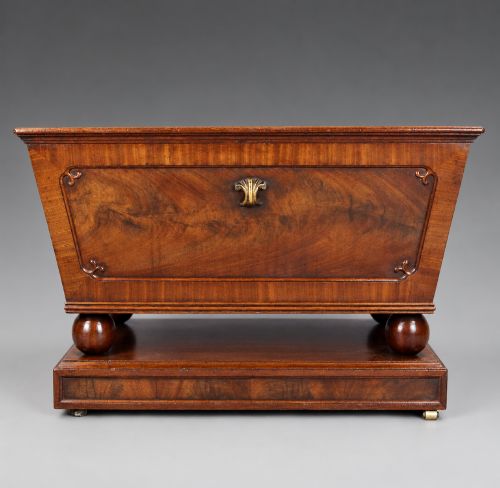
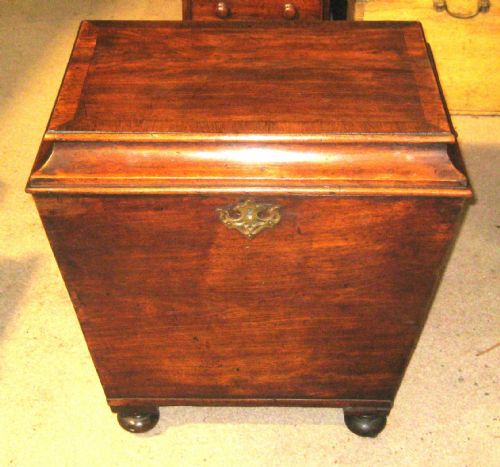
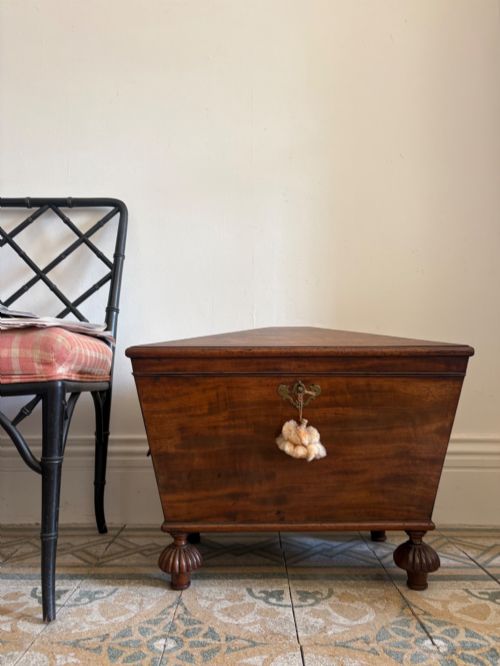
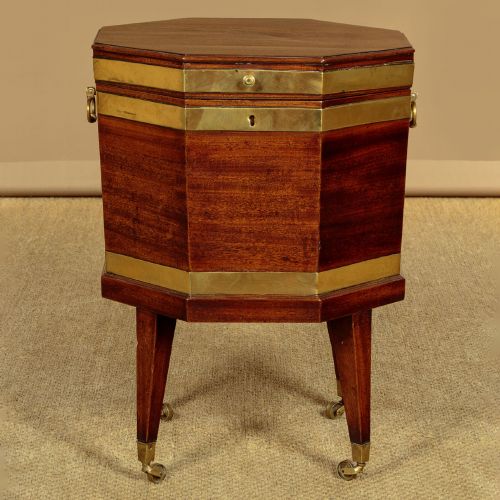
When you search for a regency cellarette box, you encounter large timber containers designed for chilling or storing wine during the late eighteenth and early nineteenth centuries. The majority of pieces on this page take the form of sarcophagus shaped wine coolers standing upon paw feet or plinth bases, originating from English and Irish workshops.
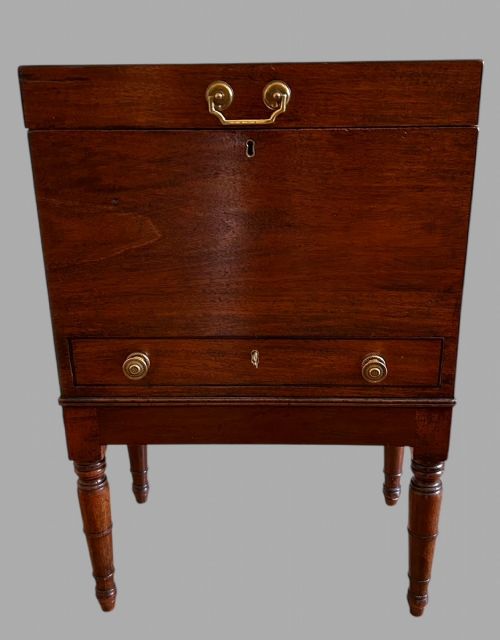
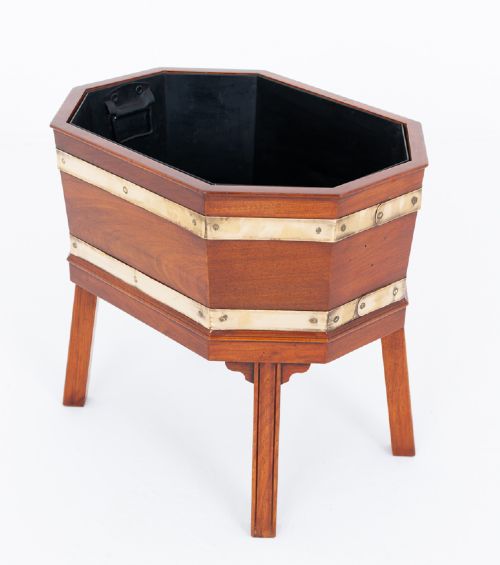
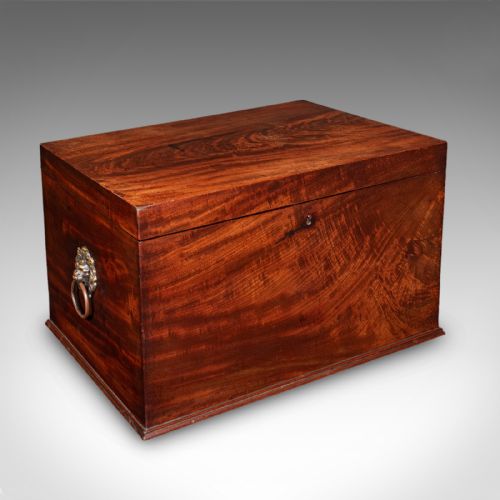
Beyond the standard sarcophagus shapes, the inventory includes box cellarettes, spirits tables, and teapoys spanning the Georgian, Regency, and William IV periods, alongside later revival pieces from the twentieth century. These objects served a practical dining function in domestic interiors, holding bottles and ice before the widespread availability of domestic refrigeration.
Craftsmanship and Proportion
The distinction between ordinary and superior pieces rests upon the selection of timber figures, such as highly grained flame mahogany or pollard oak, paired with crispness in carved details like paw feet and moulded cornices. Superior examples display balanced proportions in sarcophagus forms and retain original internal lead liners rather than modern replacements.
Attribution to known makers or workshops elevates certain pieces, demonstrated by stamped drawer pulls or documented structural signatures. Quality also shows in the retention of original brass carrying handles, mounts, and working locks with matching keys.
Regency Cellarette Box Retail Price Guide 2026
Typical asking prices for regency cellarette box among the pieces listed under this phrase on Sellingantiques today, from the lower quarter to the upper quarter. They describe what is for sale here now, not the wider market.
The listings show a concentration of mahogany timber, complemented by brass hardware and functional lead or zinc linings.
Gillows of Lancaster and London·Gillingtons·T.Feetham
The Regency Cellarette Box Glossary
- Cellarette
- A lockable container used for storing wine bottles in the dining room. They stood beneath sideboards or beside dining tables.
- Sarcophagus
- A monumental architectural coffin shape with a pitched lid, heavily favored for Regency wine cooler designs. Cabinetmakers adopted this classic classical form to project gravity and substance.
- Flame mahogany
- A distinct timber veneer pattern resembling flickering flames, harvested from the fork of the mahogany tree. Makers prized it for creating decorative cabinet fronts.
- Lead liner
- A soldered internal metal tank fitted inside wine coolers to hold ice water safely without rotting the surrounding timber. Surviving original liners are uncommon.
- Ormolu
- Gilded bronze ornamentation applied to furniture surfaces for decorative contrast against dark mahogany. It required skilled metal casting and gold amalgamation.
Regency Cellarette Box: Frequently Asked Questions
How were cellarettes used?
These boxes sat beneath sideboards in the dining room to hold wine bottles ready for service. Servants filled the internal lead or zinc compartments with ice to chill the bottles before pouring.
After dinner concluded, the lockable lids kept expensive wines secure from household staff. They served strictly as utilitarian dining furniture rather than general household storage.
Are original lead liners important?
Original lead or zinc linings confirm that a piece retains its functional integrity from the period of manufacture. They show the exact method used to hold ice against the wine bottles.
Many liners were removed over the centuries due to leaks or corrosion, making surviving examples desirable to collectors who value completeness.
What is a sarcophagus shape?
The sarcophagus shape draws direct inspiration from classical antiquity, featuring a heavy, waisted body with a hipped or domed lid. It became the definitive silhouette for grand wine coolers during the Regency era.
This architectural form allowed cabinetmakers to showcase figured mahogany veneers across broad, unbroken surfaces.
How do I spot a revival piece?
Twentieth century revival items, such as those from the nineteen-twenties, often display machine-sawn timber uniformity and modern secondary woods inside. The internal fixtures and patination differ visibly from genuine Georgian construction.
Examining the construction joints and timber shrinkage helps separate early nineteenth century originals from later decorative copies.