
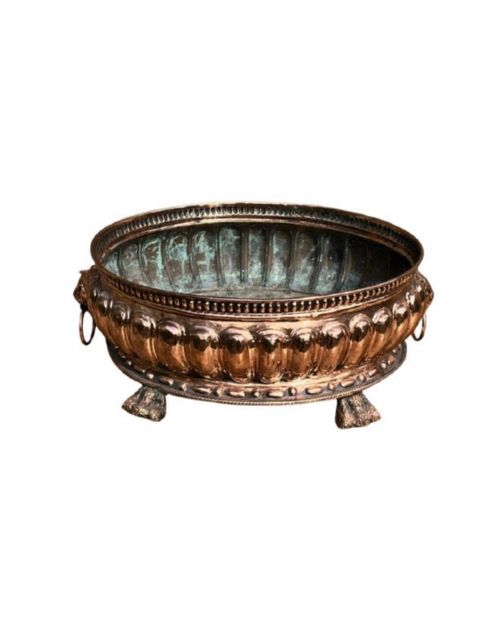


Claw Foot Wine Cooler
A claw foot wine cooler is a sturdy vessel meant to keep your bottles chilled, combining practical use with centuries of craftsmanship.
Claw Foot Wine Cooler
When you search for a claw foot wine cooler, you encounter substantial serving vessels designed to hold wine and ice during dining. The selections here span from the eighteenth century through the Victorian era, showing how dining traditions evolved over generations.
Mahogany wine coolers and cellarettes dominate the wooden examples, frequently taking a sarcophagus or pedestal form. Brass and copper jardinieres and planters also appear, bringing metallic texture to the category alongside silver plate wine coasters.
Origins stretch from Georgian Britain to continental Europe, including Italian Neo-Classical and Dutch Baroque styles. You are most likely to meet mahogany pieces on stands or heavy brass cylinders resting on distinct feet.
How they were made
Woodworkers built mahogany wine coolers using dense timber, shaping sarcophagus bodies and mounting them on sturdy frames. Metal vessels relied on brass and copper, sometimes utilising repoussé techniques to hammer decorative animal heads and patterns into the surface.
Liners made of zinc or lead often protected the wooden interiors from melting ice and spilled liquid. Silversmiths worked with Old Sheffield Plate for smaller coasters, fusing silver to a copper base.
Brass planters in the collection feature animal heads, greeting guests with fierce metallic expressions while holding your vintage bottles.
What varies in quality
The distinction between ordinary and exceptional pieces lies in the crispness of the carving and the weight of the metal. Fine mahogany examples display rich grain and well-defined mouldings, while better brass and copper items show deep, hand-hammered repoussé detail rather than shallow pressing.
Internal linings and original mounts also influence worth, as surviving lead or zinc inserts indicate a vessel kept its functional integrity. The proportions of the stand and the casting quality of the feet separate standard utility items from distinguished examples.
The Claw Foot Wine Cooler Glossary
- Cellarette
- A lockable container used to store bottles of wine in the dining room. They often sat beneath the sideboard until needed for the evening meal.
- Sarcophagus
- A monumental coffin-shaped design popular for large mahogany wine coolers during the Regency period. This architectural form gave sideboards an imposing classical presence.
- Repoussé
- A metalworking technique where a design is hammered into relief from the reverse side. This method brings texture and depth to brass and copper planters.
- Jardiniere
- An ornamental pot or stand designed to hold plants or flowers. In this context, such vessels often doubled as wine coolers.
- Old Sheffield Plate
- An early composite material made by fusing a thin layer of silver to a thicker copper ingot. It predates electroplating and has a characteristic warm glow.
Claw Foot Wine Cooler: Frequently Asked Questions
How were they used historically?
Servants filled the internal zinc or lead containers with ice and wine before bringing the vessels into the dining room.
They kept bottles at the correct temperature close to the guests, avoiding frequent trips to the cellar.
Are these pieces waterproof?
Many wooden cellarettes feature original metal liners intended to hold water and melting ice without damaging the surrounding mahogany.
However, centuries of use mean seals can weaken, so modern owners often check the lining before adding liquid.
How do I tell a cellarette from a jardiniere?
Cellarettes are typically enclosed wooden boxes, sometimes with fitted bottle dividers inside, designed specifically for wine storage.
Jardinieres are open metal vessels intended to hold plants, though their watertight properties made them suitable for use as wine coolers.
How do I live with a wooden wine cooler?
These substantial items work well as side tables, drinks cabinets, or sculptural focal points in a dining room.
Keep them away from direct heat sources to protect the mahogany polish and prevent the wood from drying out.