


Red Wool Carpet Panel
When you search for a red wool carpet panel, you step into the rich traditions of Central Asian and Persian tribal weaving.
Red Wool Carpet Panel
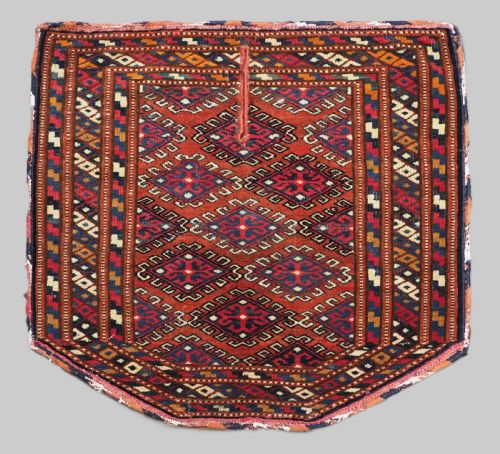
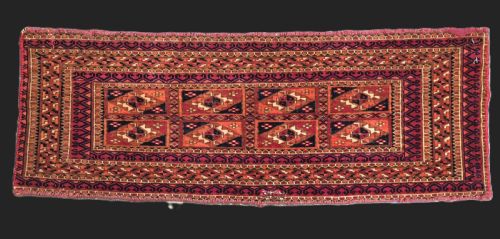
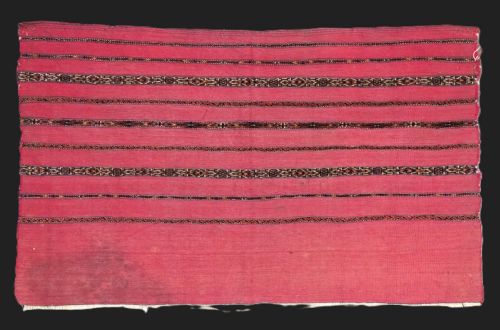
A red wool carpet panel represents fragments, faces, and individual sections of larger nomadic trappings, bags, and hangings. These items originate predominantly from Turkmen tribes such as the Tekke, Yomut, Ersari, and Saryk, alongside Persian and Caucasian groups.
The selections on this page span the nineteenth and early twentieth centuries, capturing functional household and tent furnishings like torbas, chuvals, and mafrashes. Rather than full floor coverings, these panels highlight specific tribal motifs and structural weaving techniques.
Buyers encounter format variations ranging from small bag faces to elongated kilim strips and wedding trappings. Each piece reflects the distinct utilitarian heritage of Central Asian and Caucasian nomadic life.
What varies in quality
Quality rests upon the precision of the knotting and the complexity of the tribal guls or graphic symbols rendered across the surface. Finer weaves and tightly packed structures demonstrate superior technical execution by the weaver.
The vibrancy and depth of the natural red dyes, alongside the crispness of secondary detailing in white cotton or contrasting wool, dictate visual distinction. Preservation of the original format or complete panel borders also elevates the standing of an individual piece.
These nomadic panels once doubled as heavy-duty luggage strapped securely to the sides of migrating camels.
The Red Wool Carpet Panel Glossary
- Gul
- A primary medallion motif used repeatedly in Turkmen carpet design. These octagonal or principal guls often identify the specific tribe or subtribe responsible for the weaving.
- Torba
- A small horizontal wall-hanging bag used within nomadic tents for storage. They frequently feature elaborate face designs with distinctive repeating motifs.
- Chuval
- A large tent bag employed for storing household goods and bedding. Examples often display multiple primary guls arranged in a structured grid.
- Soumak
- A flatweave technique utilising a wrap-and-weft method that produces a durable, textured surface without a cut pile. This technique appears frequently on bags and decorative panels from Caucasian and Persian tribes.
- Mafrash
- A rectangular storage bale or box face designed for camel or horse transport. These panels showcase banded flatweave or piled patterns.
Red Wool Carpet Panel: Frequently Asked Questions
What is a red wool carpet panel?
A red wool carpet panel is a section, face, or fragment taken from a larger nomadic bag, trapping, or hanging. These items originate mainly from nineteenth and early twentieth-century Central Asian and Persian tribal groups.
Such panels preserve traditional geometric motifs and natural dye palettes without functioning as modern floor rugs.
How were these panels used?
Nomadic tribes utilised these woven pieces primarily as functional storage bags, tent furnishings, and animal trappings. They hung inside yurts or served on pack animals during seasonal migrations.
Over time, many larger pieces divided into individual panels, preserving the decorative faces for domestic display.
How do I live with a tribal panel?
These panels adapt well to interior display when mounted securely on walls or framed behind protective glass. Their rich red tones and geometric designs complement both traditional and modern living spaces.
Keep them away from direct, prolonged sunlight to protect the natural wool fibres and vegetable dyes from fading.
How do I identify different tribal styles?
Tribal attribution relies on recognising specific structural guls, border arrangements, and colour combinations unique to groups like the Tekke, Yomut, or Ersari. Each region employed distinct weaving densities and secondary motifs.
Comparing knot direction and material composition helps distinguish between Turkmen, Persian, and Caucasian origins.