






Red Tribal Rug Fragment
When you search for a red tribal rug fragment, you examine cut sections of nomadic weaving rich in historic character and regional symbolism.
Red Tribal Rug Fragment
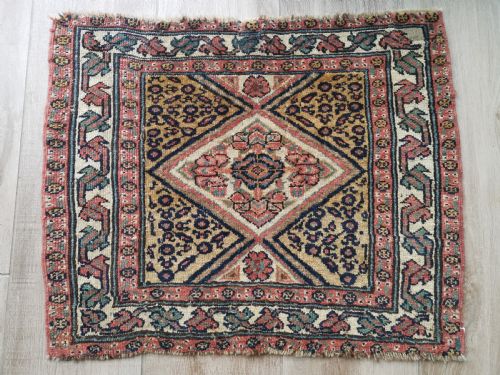
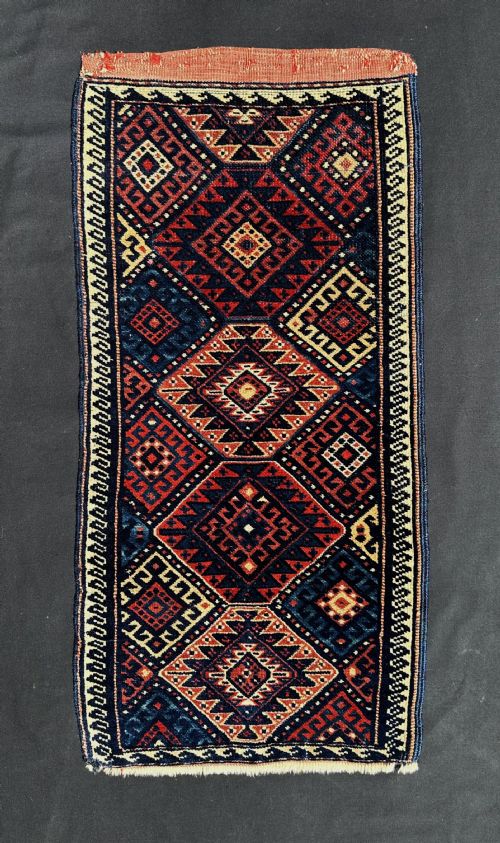
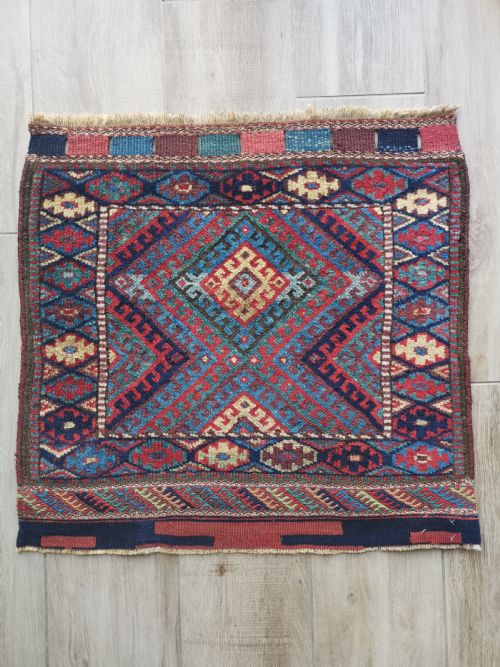
A red tribal rug fragment presents surviving portions of nomad-made weaving, primarily originating from Persian, Turkmen, and Caucasian regions. Buyers encounter cut pieces from larger carpets, bagfaces, torbas, and chuvals created during the nineteenth and eighteenth centuries.
The selection on this page centres on remnants and sections of nomad weaving rather than complete carpets. Each piece offers an intimate view of regional dye palettes and knotting methods employed by tribal makers.
Materials and construction methods
Makers utilised hand-spun wool for the foundational pile and structural warps, occasionally incorporating cotton and silk for specific contrast details or structural foundations. Natural dyes derived from local plants and minerals provided the deep red tones and secondary hues characteristic of these nomadic textiles.
Weavers employed precise knotting and flatweaving techniques suited to portable looms used across Central Asian steppes and Persian provinces. The resulting structures range from fine wool piles to sumac and embroidered faces designed for daily nomadic utility.
Red Tribal Rug Fragment Retail Price Guide 2026
Typical asking prices for red tribal rug fragment among the pieces listed under this phrase on Sellingantiques today, from the lower quarter to the upper quarter. They describe what is for sale here now, not the wider market.
Listings feature pieces dated from the eighteenth through the late nineteenth centuries, originating from Persian, Caucasian, and Turkmen workshops.
Elements defining quality
Quality rests upon the density of the weave, the clarity of the tribal drawing, and the condition of the remaining wool pile. Finer knot counts and precise geometric execution distinguish superior examples from coarser work.
The vibrancy and integrity of the natural dyes significantly influence the visual impact of each remnant. Well-preserved colour palettes and balanced proportions elevate individual pieces within the broader category of nomadic fragments.
The Red Tribal Rug Fragment Glossary
- Torba
- A small storage bag or hanging piece made by Turkmen nomads, often featuring primary gul motifs. These items were traditionally used within nomadic tents for household storage.
- Chuval
- A large tent bag produced by Turkmen tribes for storing bedding and household goods. Surviving examples often display repeated primary medallions across the face.
- Gul
- A medallion motif repeated across Turkmen and Central Asian tribal weavings. Each pattern typically identifies the specific tribe or sub-group that created the textile.
- Sumac
- A flatweave technique involving coloured supplementary wefts wrapped around warp threads to create a textured surface. This method appears frequently on Shahsavan and other tribal bags.
- Bagface
- The decorated front panel of a utilitarian nomadic container, preserved after the plain back panel deteriorated or was removed. These sections showcase the primary aesthetic design of the original object.
Red Tribal Rug Fragment: Frequently Asked Questions
What is a tribal rug fragment?
A tribal rug fragment is a surviving portion of an older nomadic weaving, such as a bagface, torba, or carpet remnant. These pieces retain the original materials, designs, and structural integrity of the complete object.
Collectors prize them for displaying authentic tribal motifs and natural dye work in a more accessible format than a full-sized carpet.
How were these bags used?
Nomadic groups utilised woven bags like torbas, chuvals, and Khorjins for storage, transport, and interior tent decoration. They held personal belongings, bedding, or provisions during seasonal migrations.
Over decades of use, the utilitarian backing fabrics wore away while the decorated faces survived, eventually becoming standalone textile art.
How do I care for a fragment?
Protect antique wool and natural dye textiles by keeping them out of direct sunlight to prevent fading. Gentle vacuuming without a rotating brush helps remove dust from the pile.
Many collectors choose to mount or frame fragile textile remnants to support the fabric and display the design safely on a wall.
How do I identify the tribe?
Tribal attribution relies on specific design elements, such as distinct gul patterns, colour palettes, and border structures associated with groups like the Tekke, Yomut, or Afshar. Structural characteristics like knot type and wool quality provide further clues to regional origin.
Comparing motif variations helps specialists narrow down the provenance to specific provinces or nomadic confederations.