


Red Tribal Flatweave
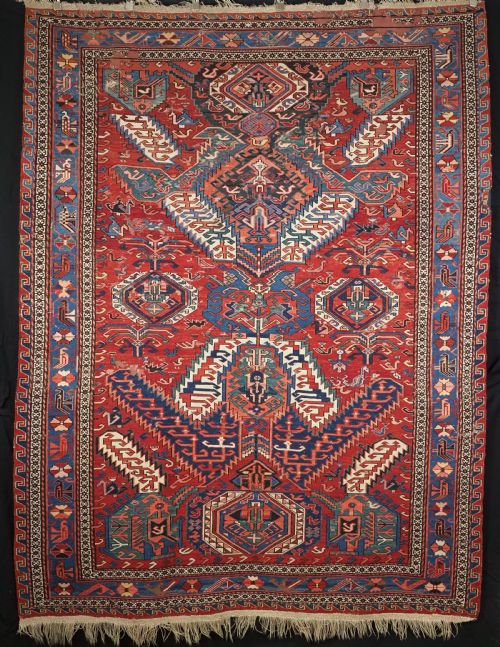
When you search for a red tribal flatweave, you enter a world of nomadic textiles woven across Persia, the Caucasus, and Central Asia.
Red Tribal Flatweave
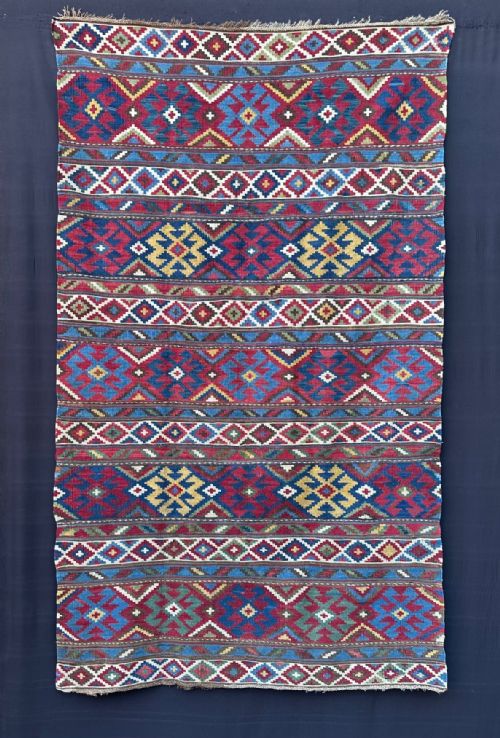
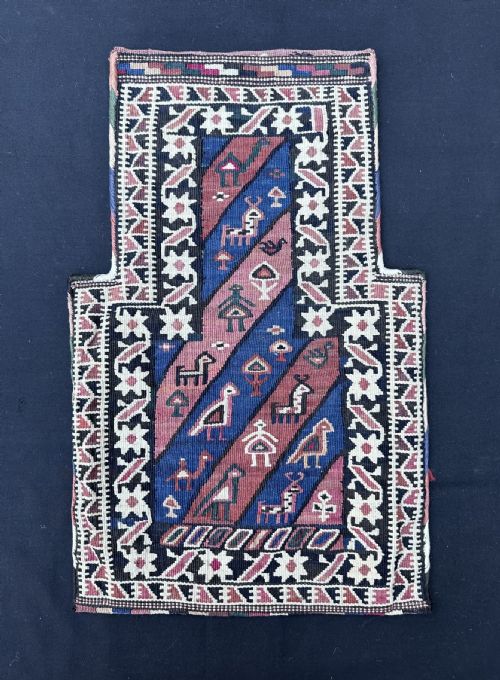
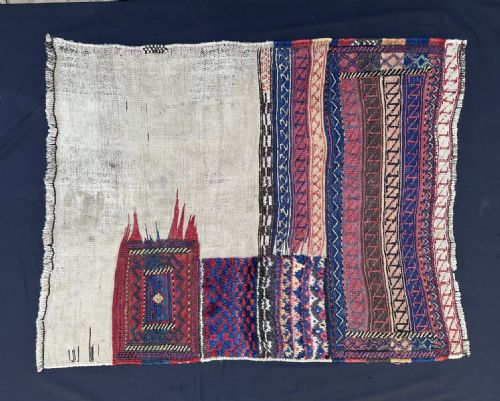
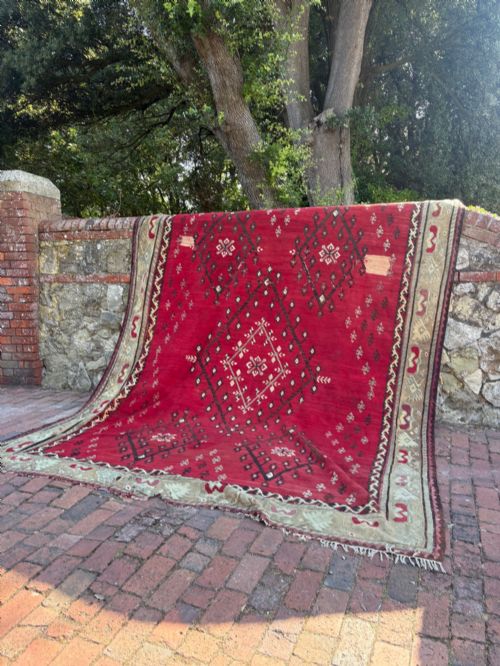
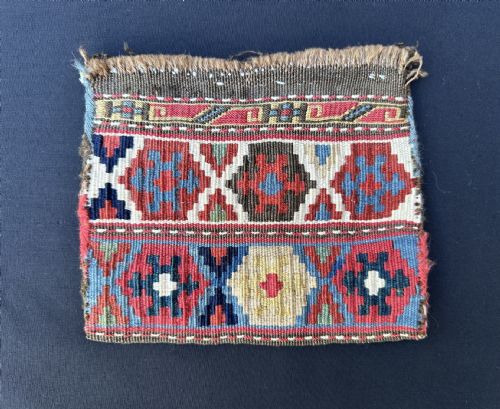
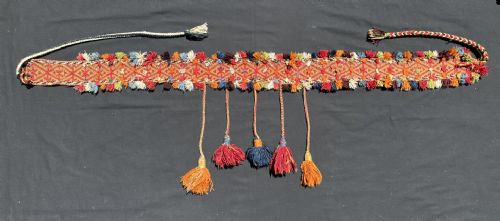
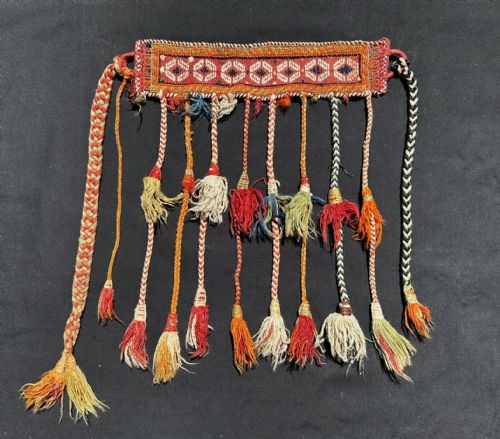
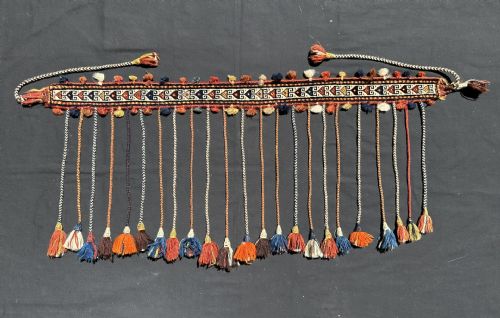
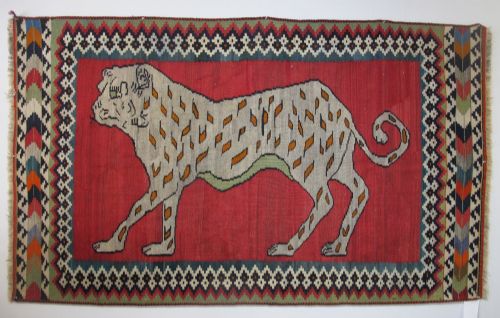
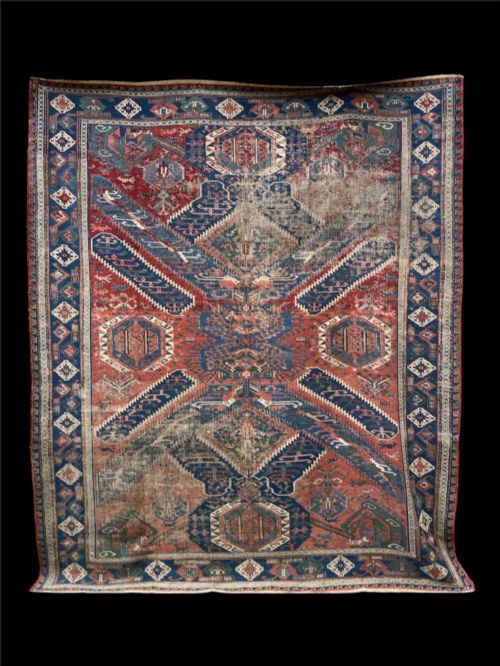
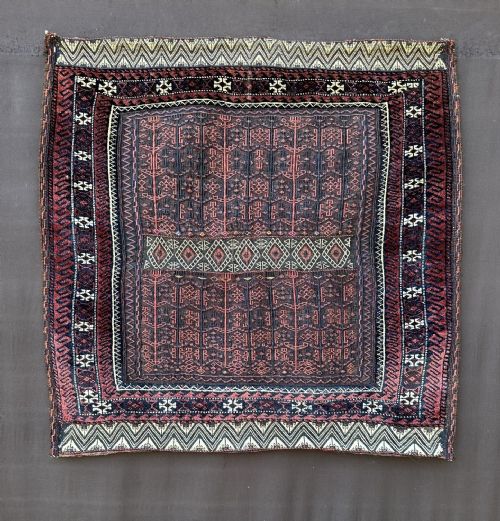
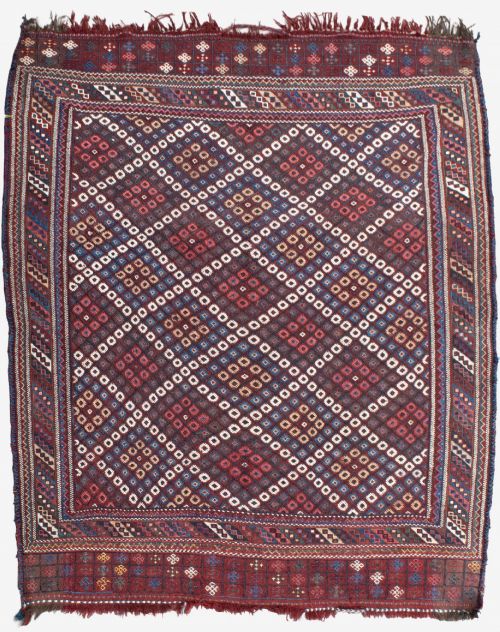
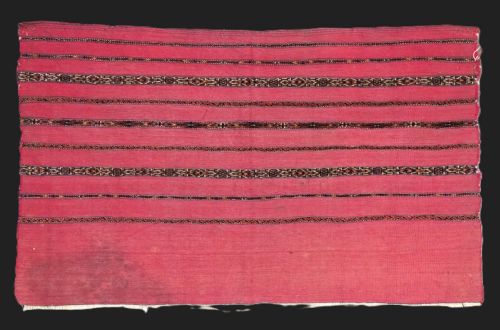
A red tribal flatweave encompasses utility pieces woven by nomadic and village groups, including kilims, sofres, salt-bags, and storage sacks. These textiles served daily domestic purposes within the tribe rather than functioning merely as decorative floor coverings for western markets.
Nomadic weavers constructed these items on portable horizontal looms, resulting in structural characteristics distinct from urban workshop carpets. The designs rely on geometric motifs, bold stripes, and tribal emblems passed down through generations.
Materials and construction methods
The primary material underpinning these textiles is hand-spun wool, occasionally supplemented by cotton foundations or small highlights of silk. Weavers utilised natural dyes derived from local plants and minerals, yielding deep red tones and varied secondary palettes.
Technically, these pieces are predominantly produced using slit-tapestry weave, where weft threads are returned at the boundary of each colour block without interlocking. This method creates characteristic vertical slits along colour changes, alongside supplementary weft-wrapping techniques seen in sumak structures.
The listings span from the mid-nineteenth century through the 1940s, highlighting wool, cotton, and natural dye traditions.
Distinctions in execution and material
Quality in a red tribal flatweave resides in the handle of the textile, the precision of the geometric layout, and the depth of the natural dyes. Tighter yarn preparation and consistent tension across the horizontal loom produce a supple, durable fabric rather than a stiff or distorted surface.
The handling of colour transitions and the complexity of subsidiary borders also separate standard utility items from finer tribal weaving. Master weavers achieved vibrant saturation and nuanced hue variations through careful mordanting and dyeing.
The Red Tribal Flatweave Glossary
- Kilim
- A flatwoven carpet or textile produced without a pile by tightly interweaving warp and weft strands. These function as floor coverings, wall hangings, or covers.
- Sofre
- A spread or cloth traditionally used for serving meals, kneading bread dough, or gathering flour. Nomadic sofres often display stark geometric fields framed by tribal borders.
- Sumak
- A supplementary weft-wrapping technique that creates a sturdy structure with raised pattern details on the face and loose floats on the reverse. This technique adds durability and texture to storage bags and animal trappings.
- Mafrash
- A large rectangular storage bag panel or complete container used for bedding and household goods during nomad migrations. They frequently feature banded flatweave designs or brocaded panels.
- Chuval
- A large Turkmen storage sack intended for tent storage. Fine examples exhibit repeating gul motifs in deep madder reds.
Red Tribal Flatweave: Frequently Asked Questions
How were flatweaves used by nomads?
Nomadic groups utilised these textiles for packing household belongings, insulating tents, serving food, and transporting goods on animals. Each format served a specific function within daily camp life.
Bags held salt, bread, or bedding, while sofres provided a clean surface for food preparation on the ground.
How do I care for an antique flatweave?
Care for these textiles requires gentle vacuuming without a beater bar and occasional professional cleaning suited for antique wool. Keeping them out of direct sunlight prevents natural dye fading.
Rotating the piece periodically ensures even wear if placed in a light traffic area.
How can I tell regions apart?
Regional attribution relies on specific structural traits, wool quality, and characteristic tribal palettes. Caucasian weaving often displays sharper geometry, while Persian nomadic pieces use softer madder reds and varied animal motifs.
Turkmen and Central Asian pieces frequently feature structured guls and distinct banded layouts.