


Blue Woven Textile
A blue woven textile brings heavy wool tapestry and nomadic tribal work into a room, offering deep indigo dyes and structured weaves.
Blue Woven Textile
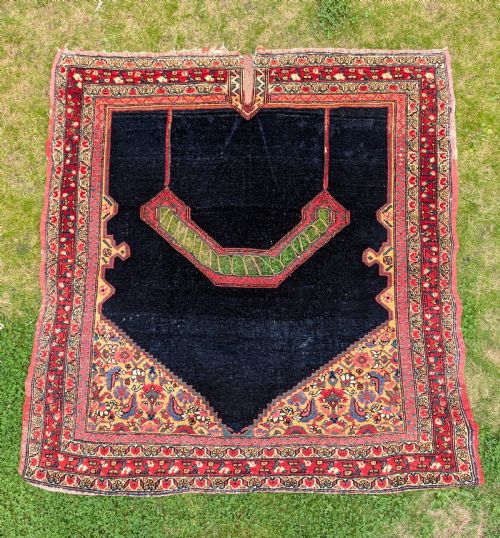
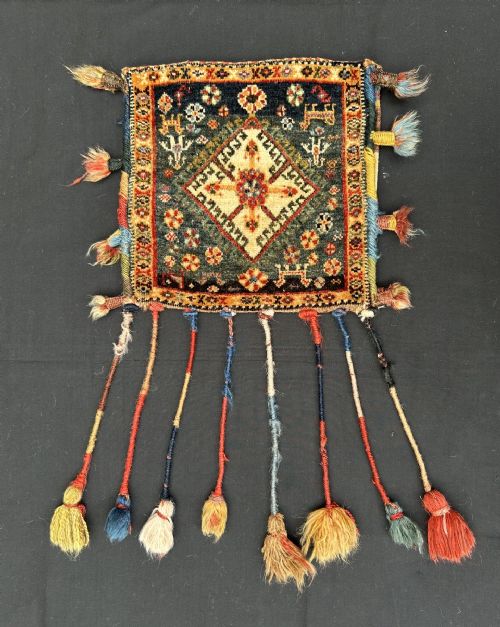
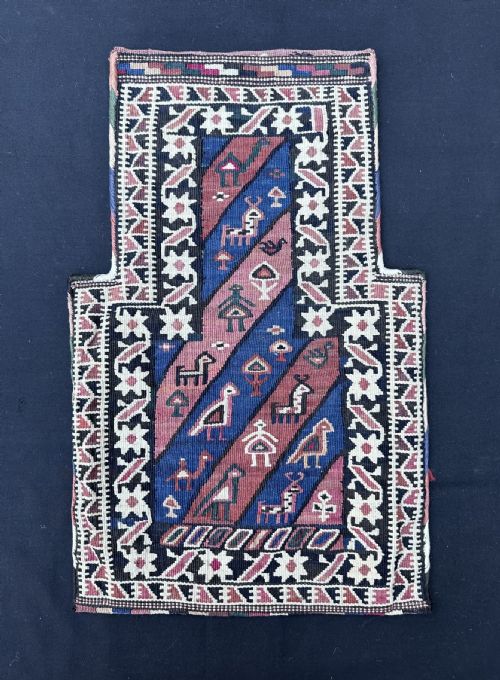
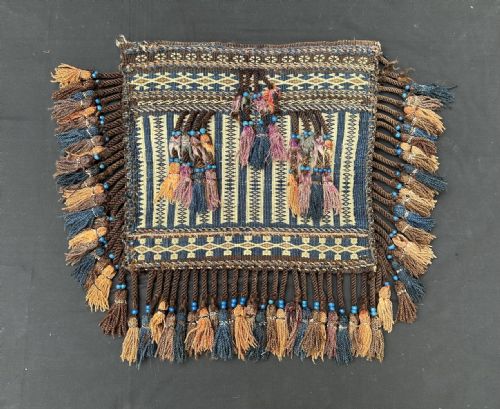
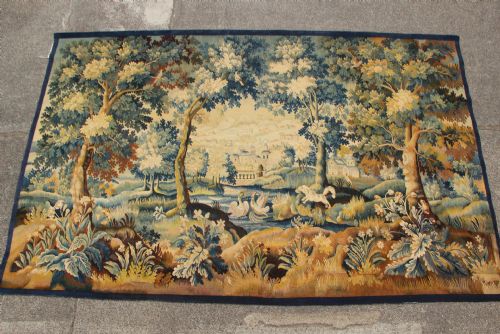
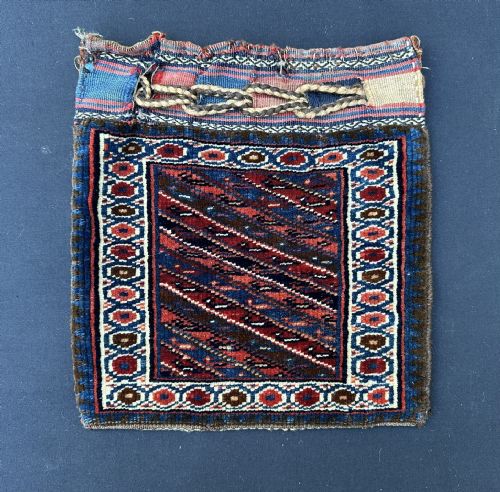
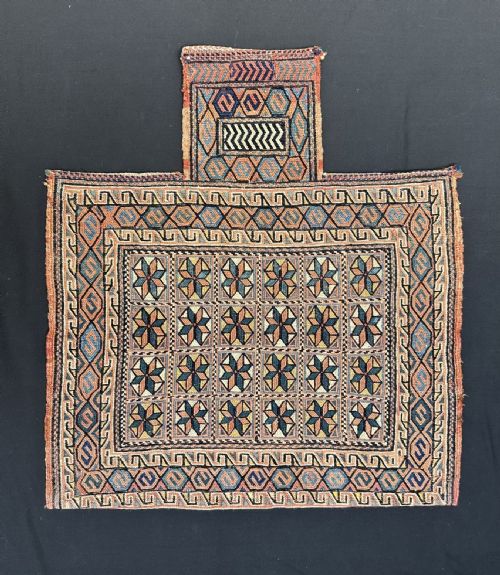
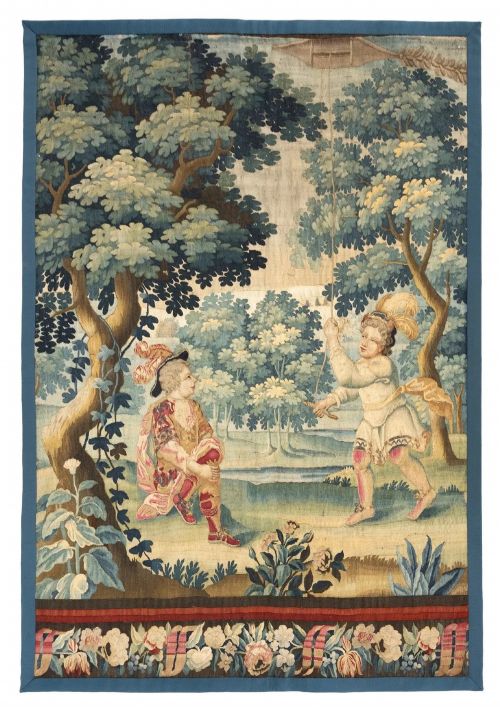
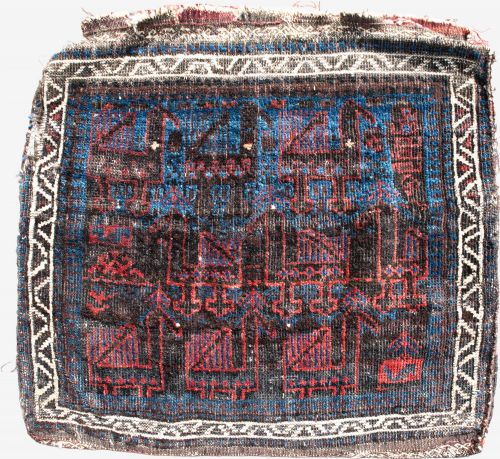
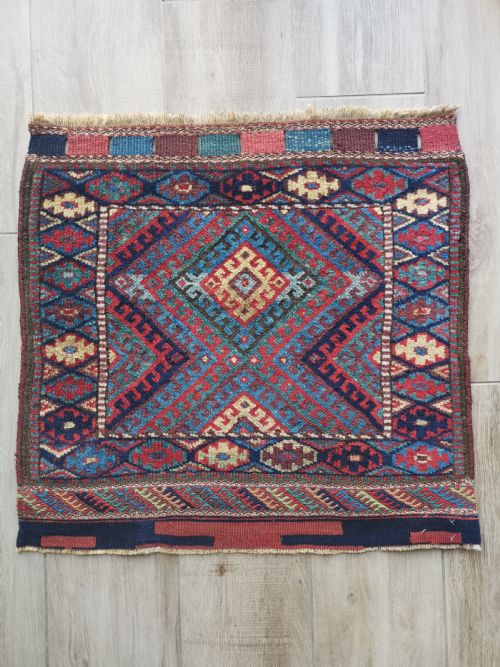
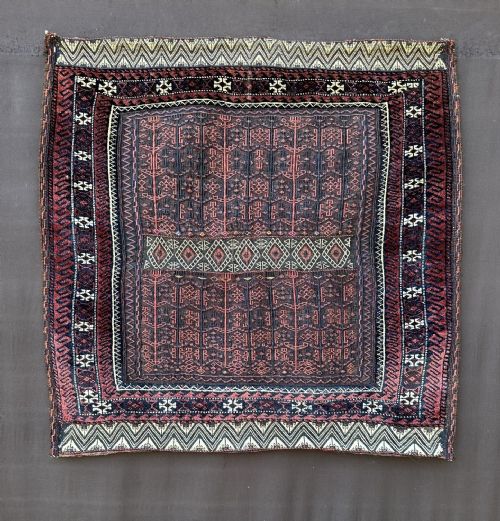
A blue woven textile on this page typically appears as a seventeenth-century Flemish verdure wall hanging, an eighteenth-century French Aubusson piece, or a nineteenth-century Persian tribal bag face. These items range from large room-scale verdure screens depicting foliage to small nomadic utilitarian cloths and storage bags woven by tribal groups.
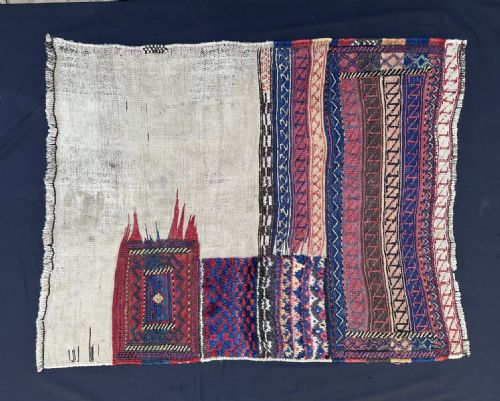
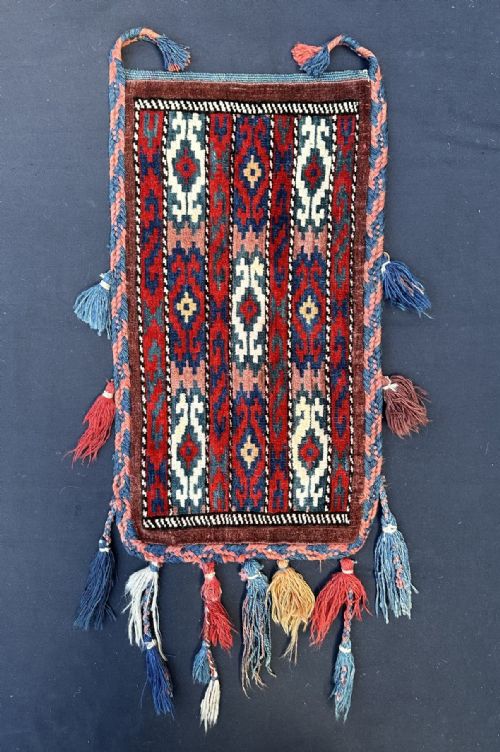
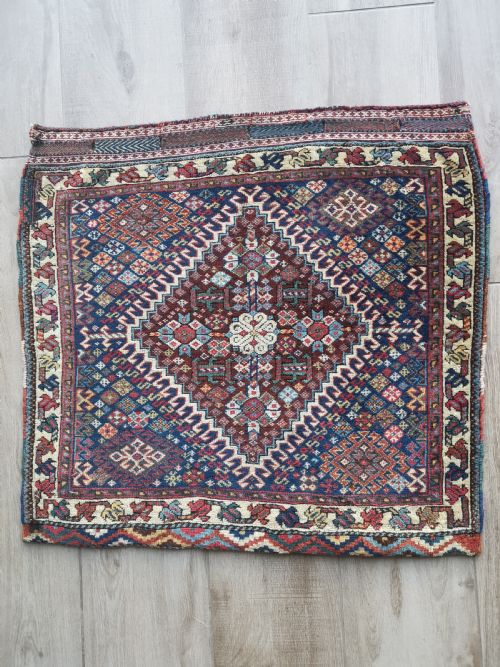
The most common formats encountered here are large wall tapestries utilising natural blue dyes and dense wool yarns alongside smaller regional pieces such as Baluch bread sofreh and Qashqai bagfaces. Each category displays distinct regional patterns, from European pastoral landscapes to Central Asian geometric motifs.
Buyers seek these textiles for their historical depth, architectural scale, and the rich saturation of indigo and natural blue tones achieved by traditional dyers. The selection bridges formal European interior decoration and the functional textile arts of tribal nomads.
How they were made
The materials recorded in these pieces rely heavily on wool, silk, cotton, and linen, often supported by hand-spun yarn and coloured with natural dyes. Weavers constructed tapestries on high-warp or low-warp looms, building pictorial surfaces line by line with supplementary weft threads.
Nomadic textiles employ flatweave techniques, sumac wrapping, and hand-knotting on wool foundations, incorporating occasional glass beads for structural or decorative detail. European workshops combined wool and silk warps and wefts to create subtle tonal shifts in verdure landscapes and mythological scenes.
Listings span periods from the 16th century through to the 1920s, combining European verdure wall hangings with Central Asian tribal bags.
What varies in quality
Quality in these textiles rests upon the density of the weave, the complexity of the design layout, and the stability of the foundation materials. Finer European tapestries show intricate pictorial detailing in the foliage and figures, whereas superior tribal pieces maintain crisp symmetry in their geometric layouts and tight, even knotting.
The depth and preservation of the natural dyes heavily influence the visual impact of the piece, particularly where indigo blues have retained their original saturation across centuries of light exposure. The integrity of the original selvedges and the survival of the complete composition, rather than fragmented sections, distinguish the finer examples.
The Blue Woven Textile Glossary
- Verdure tapestry
- A European wall hanging dominated by botanical motifs, foliage, trees, and landscape scenery, frequently rendered in shades of green and blue. These pieces often served as portable wall insulation in large stone rooms.
- Sofreh
- A flatwoven or piled spread used traditionally for eating, preparing bread, or handling food among nomadic Persian and Afghan tribes. They feature utilitarian geometric borders and central fields.
- Sumac
- A flatweaving technique where supplementary weft threads wrap around the warp yarns in a continuous herringbone pattern, creating a textured, durable surface. It appears frequently on Caucasian and Persian storage bags.
- Torba
- A small Turkmen bag used for household storage inside a nomadic tent, usually wider than it is deep. They display characteristic tribal gull motifs across the face.
- Aubusson
- A town in France renowned for producing woven tapestries and carpets without pile, following classical and pastoral designs. These works typically date from the seventeenth century onward.
Blue Woven Textile: Frequently Asked Questions
How were antique tapestries used originally?
European tapestries hung on the stone walls of castles and manor houses to provide insulation against damp cold air and to decorate large domestic spaces.
Nomadic textiles served practical daily functions within tents, acting as storage containers for bedding, grain, and personal possessions, or as eating cloths.
Where do tribal bags come from?
These bags originate from nomadic and village confederations across Persia, Afghanistan, and the Caucasus, including groups such as the Baluch, Qashqai, and Yomut Turkmen.
Each tribe used specific wool preparation methods and local dye plants, creating recognizable regional patterns that identified the maker's community.
How should I hang a heavy textile?
Large tapestries require even weight distribution, usually achieved by stitching a wide cotton sleeve to the top reverse and sliding a flat metal or wooden support bar through it.
The support bar should then mount securely to wall studs, avoiding direct pressure on individual warp threads or fragile ancient wool fibres.
How do I care for antique wool textiles?
Protect the piece from direct sunlight to prevent natural indigo and vegetable dyes from fading over time.
Keep the environment dry and well-ventilated, and gently vacuum through a protective mesh screen on low suction when dust accumulates.